Engagement Letter In Auditing In Oakland
Description
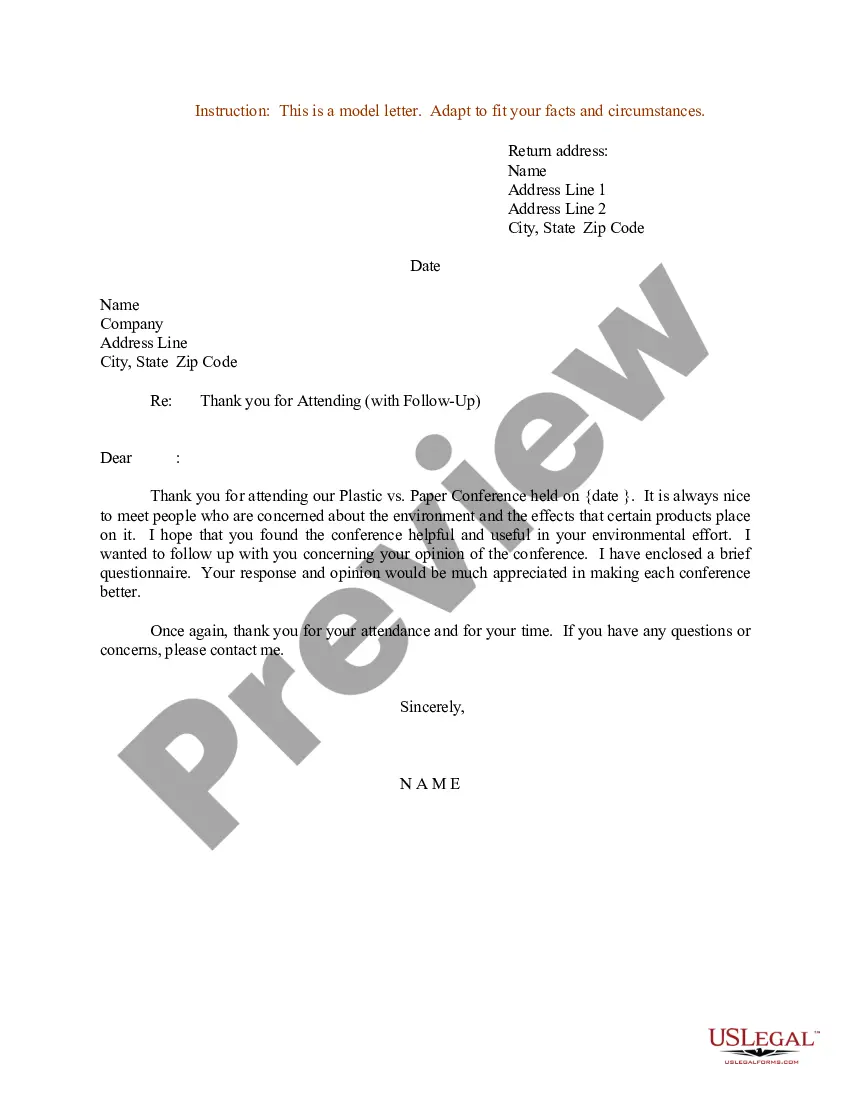
Get your form ready online
Our built-in tools help you complete, sign, share, and store your documents in one place.
Make edits, fill in missing information, and update formatting in US Legal Forms—just like you would in MS Word.
Download a copy, print it, send it by email, or mail it via USPS—whatever works best for your next step.
Sign and collect signatures with our SignNow integration. Send to multiple recipients, set reminders, and more. Go Premium to unlock E-Sign.
If this form requires notarization, complete it online through a secure video call—no need to meet a notary in person or wait for an appointment.
We protect your documents and personal data by following strict security and privacy standards.

Make edits, fill in missing information, and update formatting in US Legal Forms—just like you would in MS Word.

Download a copy, print it, send it by email, or mail it via USPS—whatever works best for your next step.

Sign and collect signatures with our SignNow integration. Send to multiple recipients, set reminders, and more. Go Premium to unlock E-Sign.

If this form requires notarization, complete it online through a secure video call—no need to meet a notary in person or wait for an appointment.

We protect your documents and personal data by following strict security and privacy standards.
Looking for another form?







Form popularity
FAQ
A typical audit is comprised of four stages: planning, fieldwork, reporting, and follow-up. Planning. During the planning phase, we notify you of the audit through an announcement letter. Fieldwork. Reporting. Audit Follow-Up.
What Does an Audit Engagement Letter Typically Include? Introduction and Purpose. Scope of the Audit. Auditor's Responsibilities. Client's Responsibilities. Audit Limitations. Applicable Standards. Fees and Payment Terms. Confidentiality and Data Security.
It is in the interests of both the entity and the auditor that the auditor sends an audit engagement letter before the commencement of the audit to help avoid misunderstandings with respect to the audit.
Although every audit is unique, the audit process usually consists of four stages: Planning, Field work, Reporting and (for some audits) Follow-up. Engagement of the client, or the area being audited, is critical at every stage of the audit process.
This issue of Board Perspectives discusses the four C's directors should consider when evaluating the sufficiency of any risk-based audit plan: culture, competitiveness, compliance and cybersecurity.
The process of audit acceptance, planning and subsequent undertaking and completion of the audit can be broadly distilled into four phases, namely; ➢ Phase 1: Acceptance of the audit ➢ Phase 2: Planning the audit ➢ Phase 3: Documenting audit plan and strategy, performing the audit and gathering audit evidence ➢ Phase 4 ...
This Revised Standard on Auditing (SA 210) deals with the auditor's responsibilities in agreeing to the terms of the audit engagement with management. SA 210 establishes the preconditions for an audit, terms of an audit engagement and changes thereof, segregates the responsibility of the management and auditors etc.
Engagement letters set the terms of the agreement between two parties and include details such as the scope, fees, and responsibilities, among others. Some of the benefits of engagement letters are that they are legally binding documents, they reduce misunderstandings, and they set clear expectations.
This Standard on Auditing (SA) deals with the auditor's responsibility to form an opinion on the financial statements. It also deals with the form and content of the auditor's report issued as a result of an audit of financial statements.
Standard on Auditing (SA) 210, “Agreeing the Terms of Audit Engagements” should be read in the context of the “Preface to the Standards on Quality Control, Auditing, Review, Other Assurance and Related Services1,” which sets out the authority of SAs and SA 200, “Overall Objectives of the Independent Auditor and the ...

