Property Offer To Purchase Document In Pima
Description
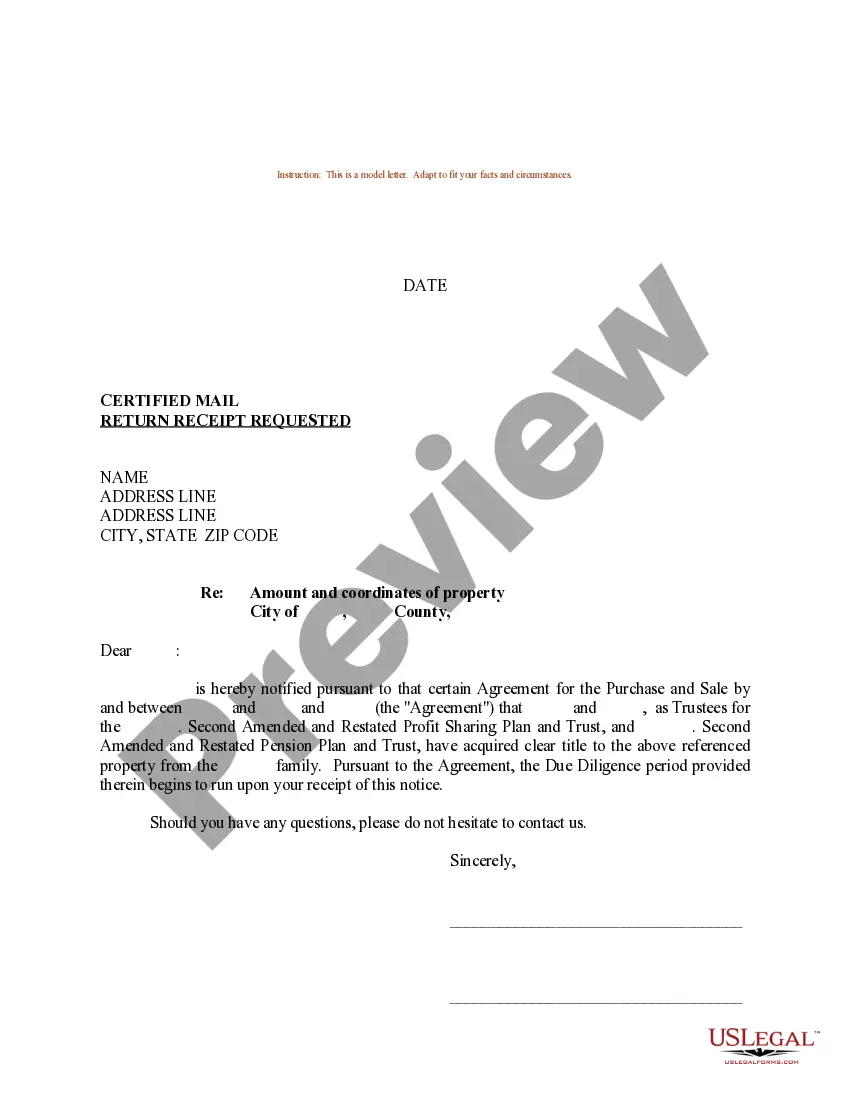
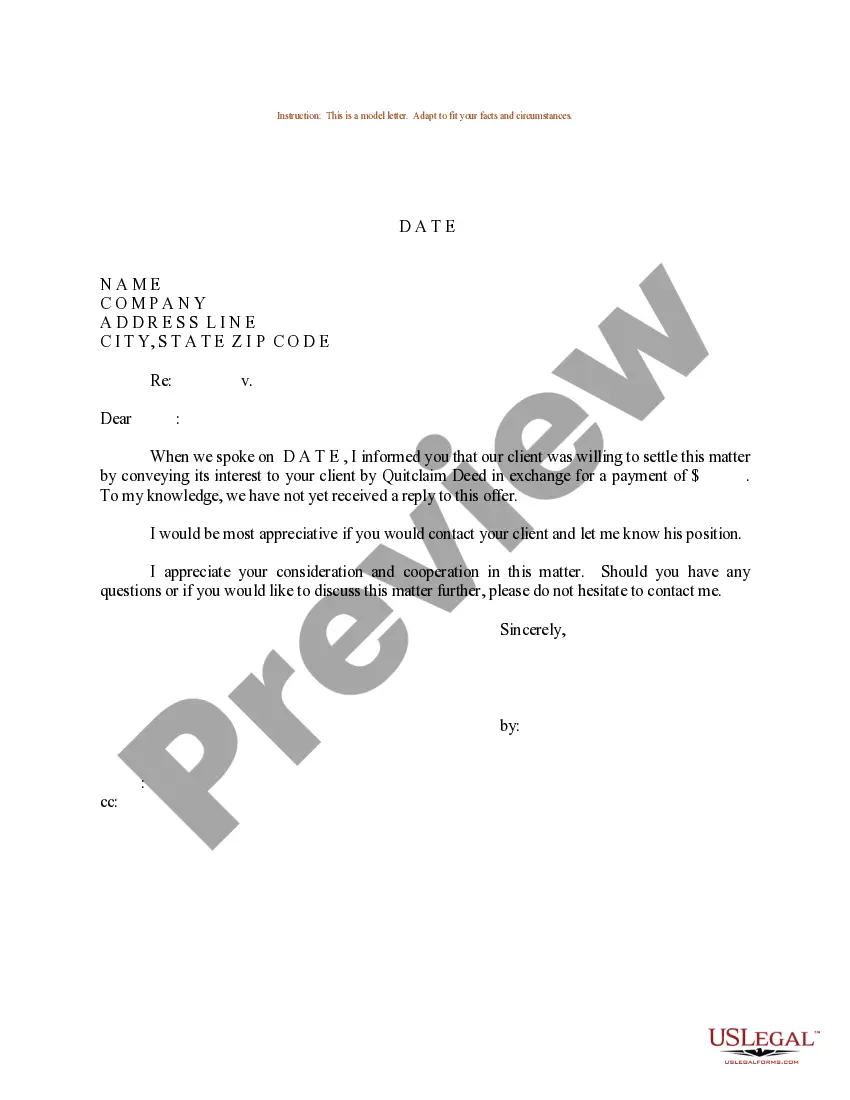
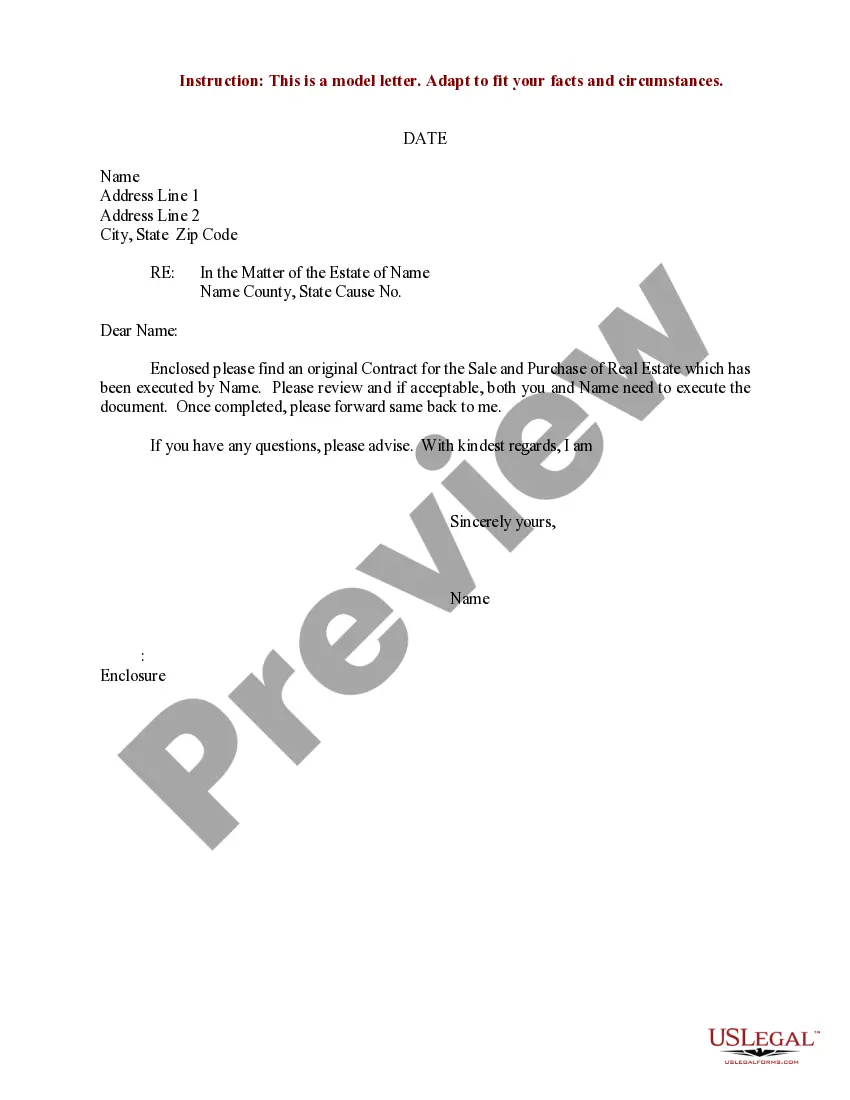

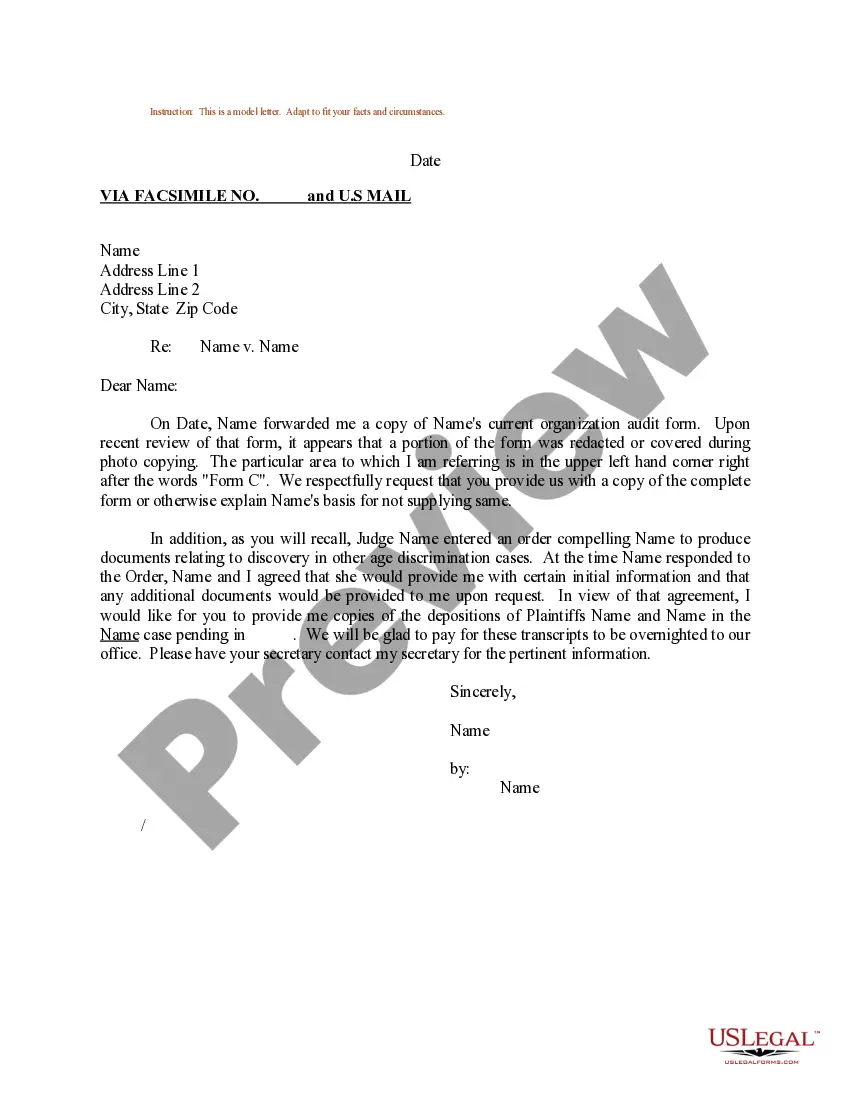
Get your form ready online
Our built-in tools help you complete, sign, share, and store your documents in one place.
Make edits, fill in missing information, and update formatting in US Legal Forms—just like you would in MS Word.
Download a copy, print it, send it by email, or mail it via USPS—whatever works best for your next step.
Sign and collect signatures with our SignNow integration. Send to multiple recipients, set reminders, and more. Go Premium to unlock E-Sign.
If this form requires notarization, complete it online through a secure video call—no need to meet a notary in person or wait for an appointment.
We protect your documents and personal data by following strict security and privacy standards.

Make edits, fill in missing information, and update formatting in US Legal Forms—just like you would in MS Word.

Download a copy, print it, send it by email, or mail it via USPS—whatever works best for your next step.

Sign and collect signatures with our SignNow integration. Send to multiple recipients, set reminders, and more. Go Premium to unlock E-Sign.

If this form requires notarization, complete it online through a secure video call—no need to meet a notary in person or wait for an appointment.

We protect your documents and personal data by following strict security and privacy standards.
Looking for another form?






Form popularity
FAQ
Each document must have original signatures or carbon copies of original signatures, except when otherwise provided by law. DOCUMENT AND PRINT SIZE: Each document must be no larger than 8 1/2 inches wide by 14 inches long, and shall have a print size no smaller than ten point type.
First, search by your address or parcel number to locate your property. The current deed will be located under the "Deed Number" under the section "Owner Information". Once you locate your document, you may view an unofficial copy online.
It must include certain elements to be considered valid: Legal Description of the Property: This includes boundaries and is more detailed than just an address. Grantor's and Grantee's Details: Names and legal capacities. Consideration: A statement of value exchanged for the property.
A deed cannot be recorded unless it is accompanied by a completed and signed Affidavit of Property Value form. If a deed is claiming an exemption, the exemption number must be listed on the face of the deed. For a complete list of documents that are exempt, visit the Arizona Department of Revenue homepage.
For a deed to be legal, it must state the name of the buyer and the seller, describe the property being transferred, and include the signature of the party transferring the property. In addition to being either official or private, deeds are classified as general warranty, special warranty, or quitclaim.
Arizona follows a notice recording statute, which means that, while unrecorded transfers are valid between the parties to the deed (grantor and grantee), the grantor who, in violation of A.R.S. §33-411.01, fails to record the transaction, opens the grantee up to claims from future bona fide buyers for value.
Each document must be an original or a copy of the original, and shall be sufficiently legible for recorder to make certified copies from the photographic or micrographic record. SIGNATURES: Each document must have original signatures or carbon copies of original signatures, except when otherwise provided by law.
A deed is signed only by the grantor(s), not the grantee. A deed does not have to be recorded to be valid, but recording is very common.

