Letter Speaking Engagement With Boyfriend In North Carolina
Description
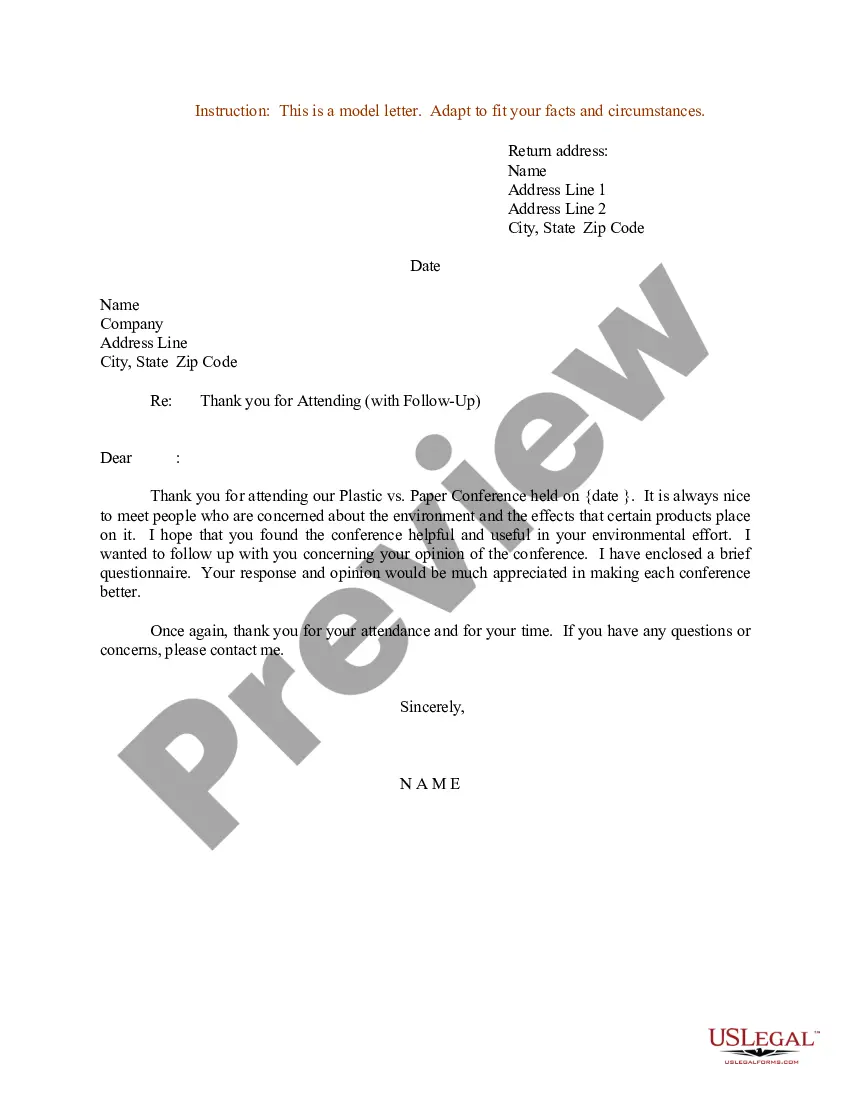
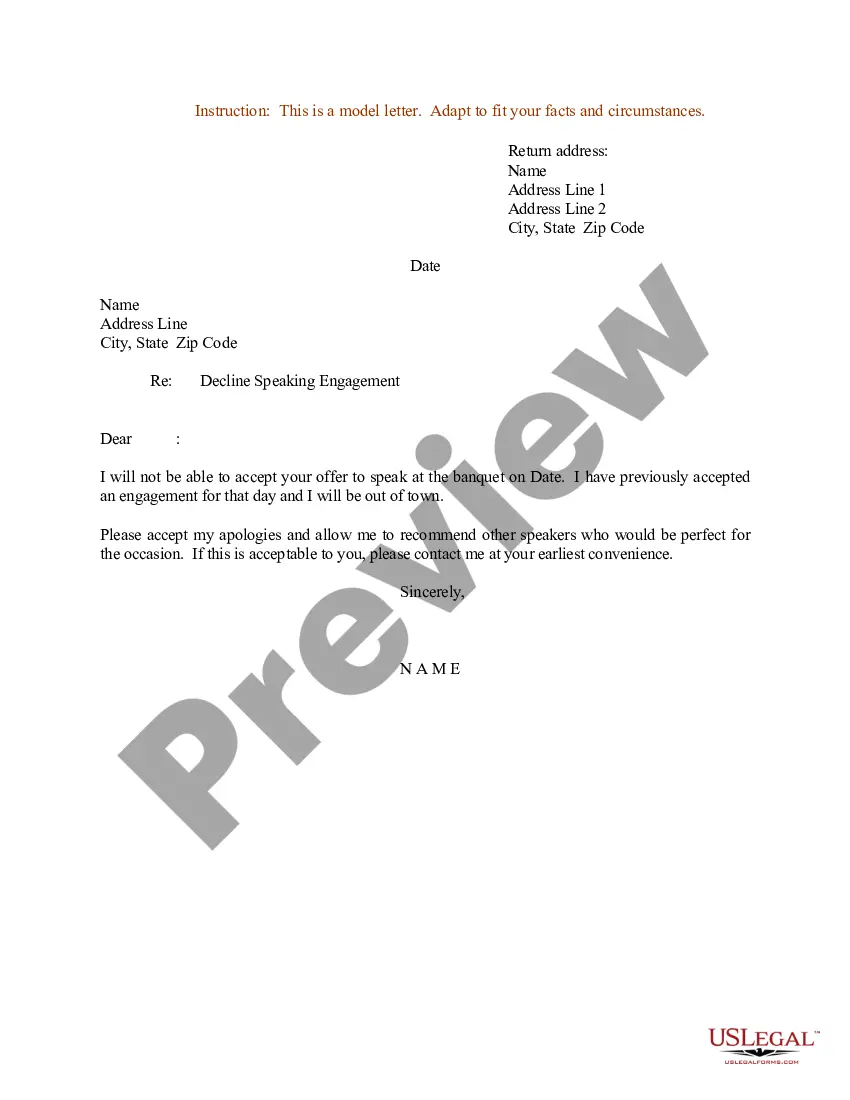
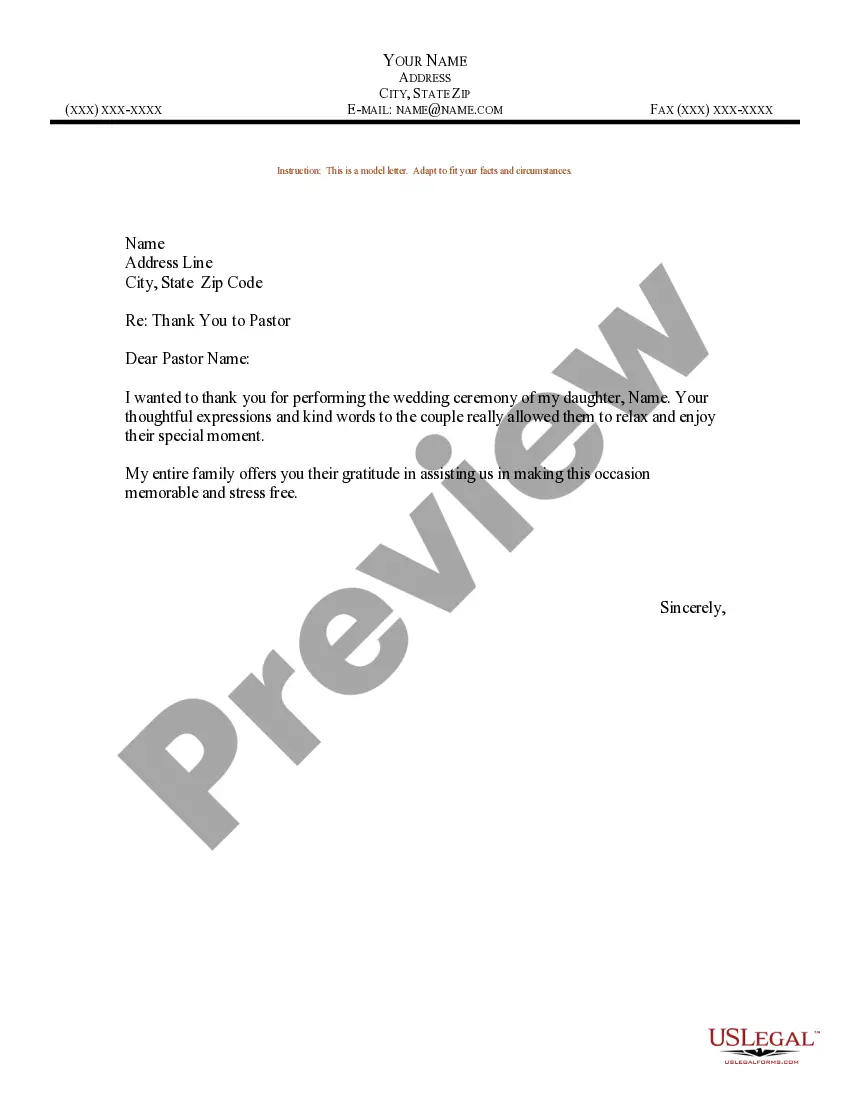
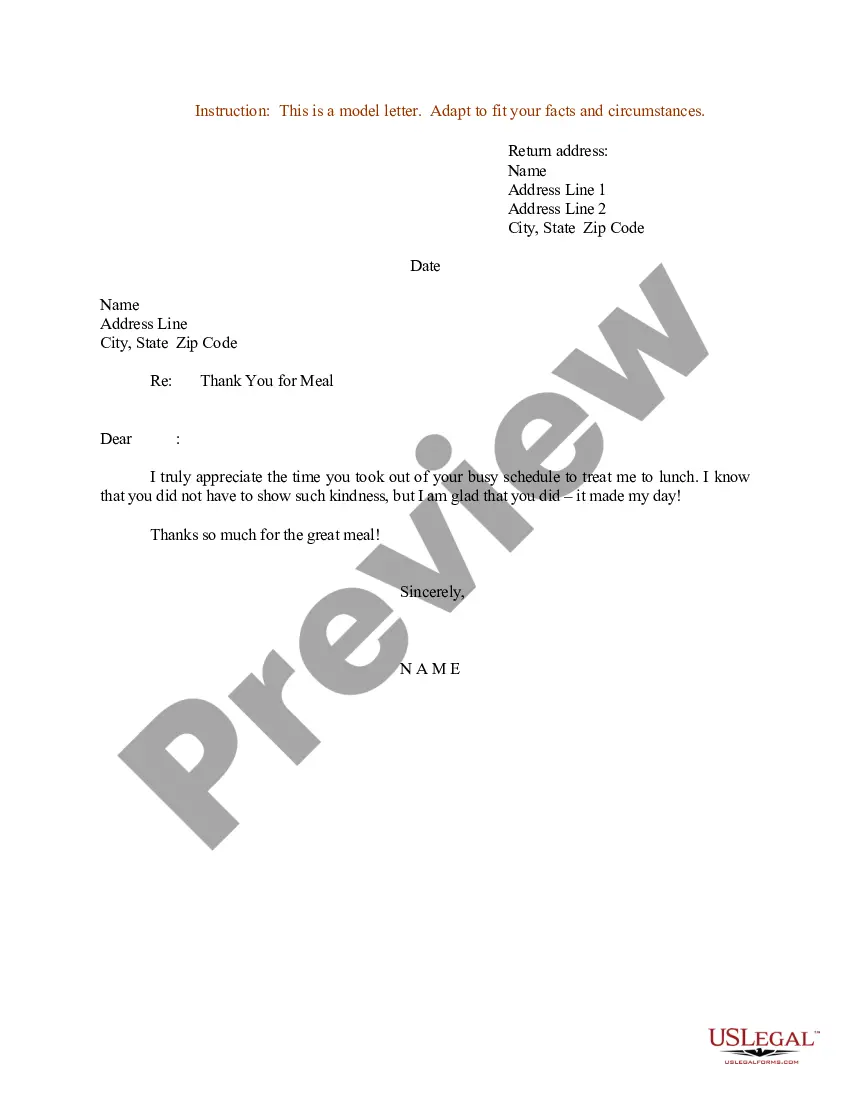
Get your form ready online
Our built-in tools help you complete, sign, share, and store your documents in one place.
Make edits, fill in missing information, and update formatting in US Legal Forms—just like you would in MS Word.
Download a copy, print it, send it by email, or mail it via USPS—whatever works best for your next step.
Sign and collect signatures with our SignNow integration. Send to multiple recipients, set reminders, and more. Go Premium to unlock E-Sign.
If this form requires notarization, complete it online through a secure video call—no need to meet a notary in person or wait for an appointment.
We protect your documents and personal data by following strict security and privacy standards.

Make edits, fill in missing information, and update formatting in US Legal Forms—just like you would in MS Word.

Download a copy, print it, send it by email, or mail it via USPS—whatever works best for your next step.

Sign and collect signatures with our SignNow integration. Send to multiple recipients, set reminders, and more. Go Premium to unlock E-Sign.

If this form requires notarization, complete it online through a secure video call—no need to meet a notary in person or wait for an appointment.

We protect your documents and personal data by following strict security and privacy standards.
Looking for another form?





Form popularity
FAQ
Simply put, longer courtships lead to longer marriages. ing to data, dating for one to two years before getting engaged can reduce your risk of divorce by 20%. Dating for three years or more can have an even greater effect, dropping the divorce risk to half that of couples who've been dating less than a year.
Normally, couples got engaged a few months before the wedding date, but for long-distance couples sometimes they get engaged without having a wedding date set... For long-distance couples, being engaged can ease your feelings, make you feel less insecure, and hopefully make your relationship stronger.
For example, you could pop the question on a “Zoom happy hour” in front of everybody. You could also incorporate other romantic on-camera elements into the video chat, such as a pet, a sign, or another decoration. Proposing via mail is another option for those in long-distance relationships.
Normally, couples got engaged a few months before the wedding date, but for long-distance couples sometimes they get engaged without having a wedding date set... For long-distance couples, being engaged can ease your feelings, make you feel less insecure, and hopefully make your relationship stronger.
Couples are generally advised to wait at least six months before taking the relationship to the next level. This is because being in a relationship for six months allows both partners enough time to get to know each other better and determine if they would be compatible with each other for a lifetime.
In general, there's no set time limit; some couples may go months or even years without meeting, while others may find that they need to meet within a few weeks or months to maintain the relationship. Open communication about feelings and needs is crucial for navigating the challenges of long-distance relationships.
How to get speaking engagements Get clear on why you want to speak. Listen to a lot of talks from speakers that you admire. Come up with 3-5 talk ideas. Prepare an outline for each talk idea. Build your event list. Slide into event organizers' DMs. Email your pitch. Turn your outline into a speaker proposal.
There is no rule against visiting a romantic partner on a tourist visa. That said people are frequently denied tourist visas in such situations. Because it more difficult to demonstrate you will depart the US. You don't know until you apply.
Keys to a B Visa Invitation Letter An effective invitation letter should communicate: Host's Details: Include the host's name, status in the U.S. (citizen or LPR), contact information, and address. Visitor's Information: Please provide your full name, date of birth, passport number, and contact information.
What should the letter say? Name and contact information for the host. Host's immigration status (for example, “U.S. citizen”) Relationship between the host and the visa applicant. Visa applicant's full name and address. Purpose of the trip. Exact dates of the trip. Host's signature.

