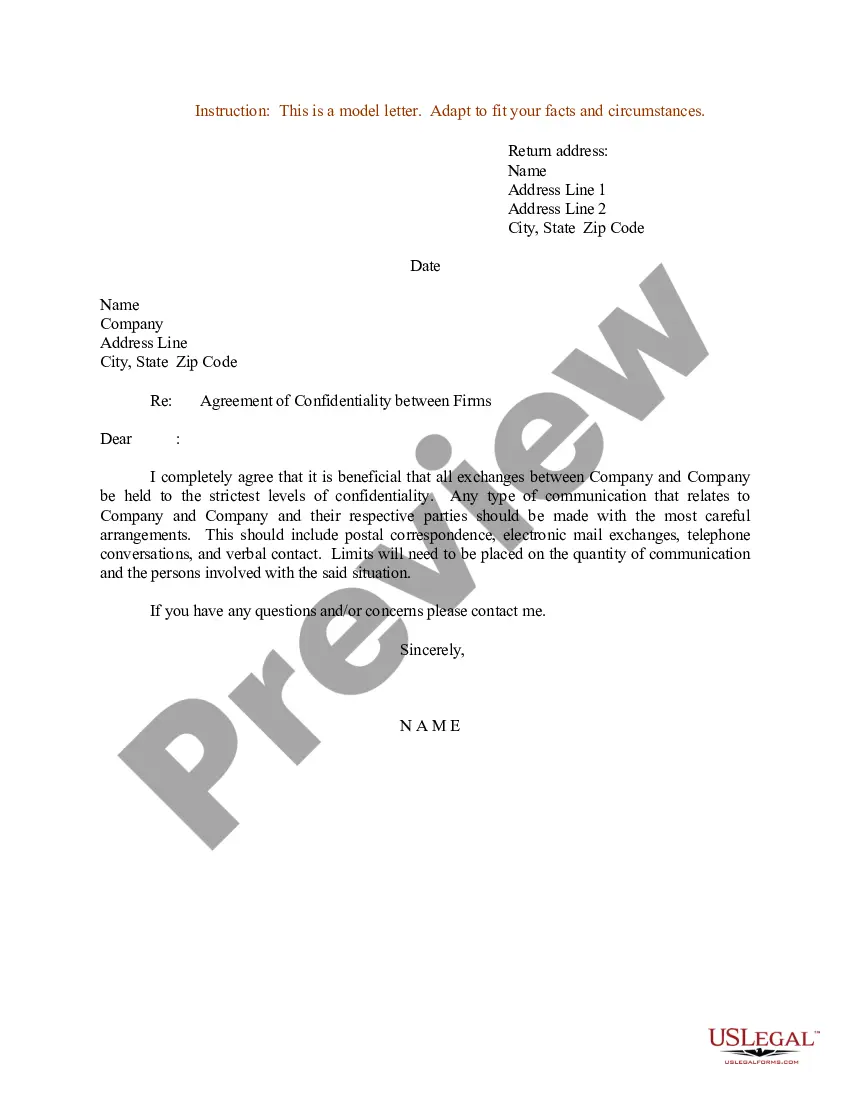
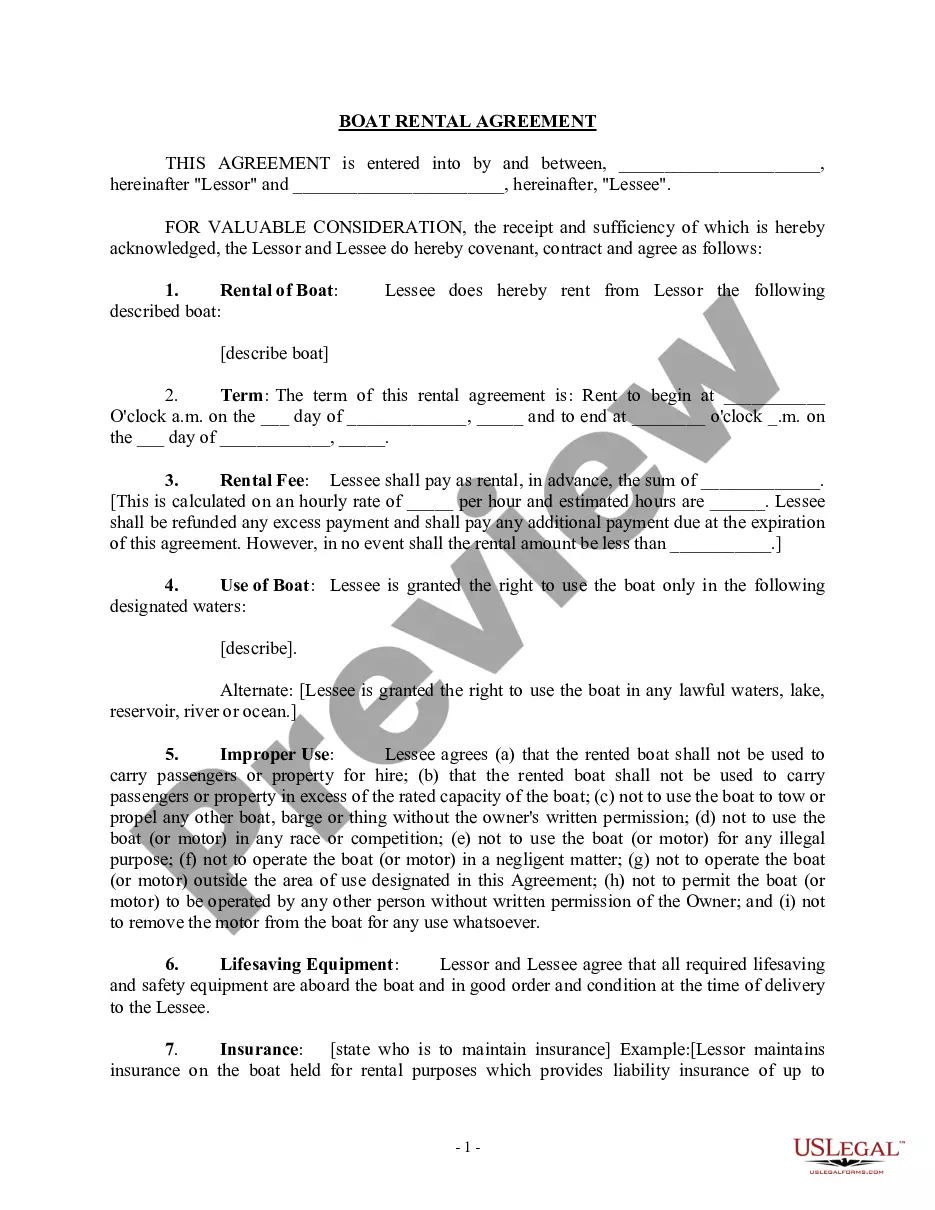
Engagement Letter Format For Statutory Audit In Michigan
Description


Get your form ready online
Our built-in tools help you complete, sign, share, and store your documents in one place.
Make edits, fill in missing information, and update formatting in US Legal Forms—just like you would in MS Word.
Download a copy, print it, send it by email, or mail it via USPS—whatever works best for your next step.
Sign and collect signatures with our SignNow integration. Send to multiple recipients, set reminders, and more. Go Premium to unlock E-Sign.
If this form requires notarization, complete it online through a secure video call—no need to meet a notary in person or wait for an appointment.
We protect your documents and personal data by following strict security and privacy standards.

Make edits, fill in missing information, and update formatting in US Legal Forms—just like you would in MS Word.

Download a copy, print it, send it by email, or mail it via USPS—whatever works best for your next step.

Sign and collect signatures with our SignNow integration. Send to multiple recipients, set reminders, and more. Go Premium to unlock E-Sign.

If this form requires notarization, complete it online through a secure video call—no need to meet a notary in person or wait for an appointment.

We protect your documents and personal data by following strict security and privacy standards.
Looking for another form?






Form popularity
FAQ
8 Critical Elements of an Effective Engagement Letter CLIENT NAME. The first critical element may seem obvious—the identities of the parties involved in the engagement. SCOPE OF SERVICES. CPA FIRM RESPONSIBILITIES. CLIENT RESPONSIBILITIES. DELIVERABLES. ENGAGEMENT TIMING. TERMINATION AND WITHDRAWAL. BILLING AND FEES.
Engagement letters set the terms of the agreement between two parties and include details such as the scope, fees, and responsibilities, among others. Some of the benefits of engagement letters are that they are legally binding documents, they reduce misunderstandings, and they set clear expectations.
What Does an Audit Engagement Letter Typically Include? Introduction and Purpose. Scope of the Audit. Auditor's Responsibilities. Client's Responsibilities. Audit Limitations. Applicable Standards. Fees and Payment Terms. Confidentiality and Data Security.
The content of an engagement letter often includes important details such as the scope of services to be provided, fees or billing arrangements, confidentiality clauses, dispute resolution mechanisms, and any other relevant terms agreed upon by both parties.
An engagement letter is a written agreement that describes the business relationship to be entered into by a client and a company. The letter details the scope of the agreement, its terms, and costs. The purpose of an engagement letter is to set expectations on both sides of the agreement.
Statutory Audit: The statutory audit must be done before the AGM of the company is conducted. The statutory auditor needs to submit the audit report to the board before the conduct of AGM. The audit report should be attached with the company's financial statements and filed with the ROC.
The information reported through statutory reporting can vary depending on the jurisdiction, industry, and type of organization. Common examples include financial statements, tax returns, environmental data, employee information, and corporate governance reports.
Your designated audit firm will prepare the specific terms of engagement using the appropriate AICPA-issued engagement letter template. It should be noted that there are many terms for audit engagements that are deemed required by the AICPA and therefore unable to be negotiated.
The statutory audit procedure typically involves several key steps, including appointing an auditor, planning the audit, conducting risk assessment, performing audit testing, assessing compliance and regulations, evaluating internal controls, reporting audit findings, and addressing any recommended improvements. Q.

