Letter Engagement Document Without Comments In Massachusetts
Description
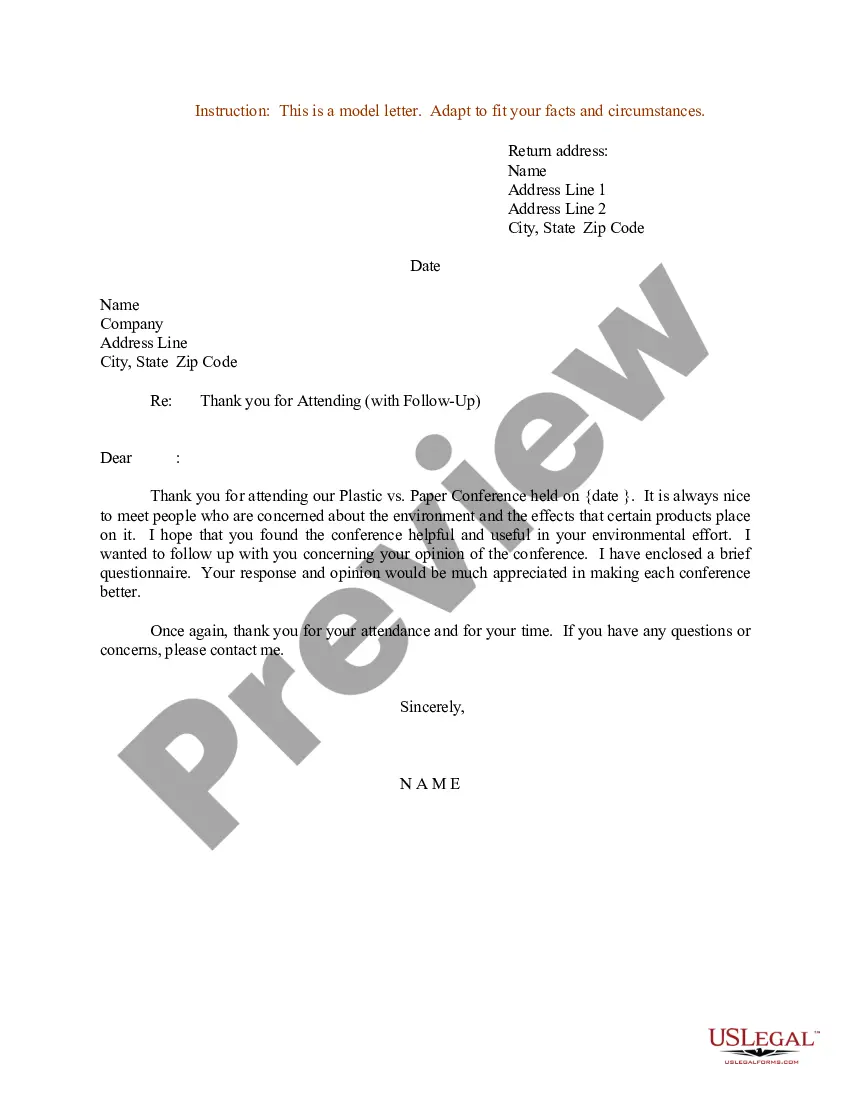
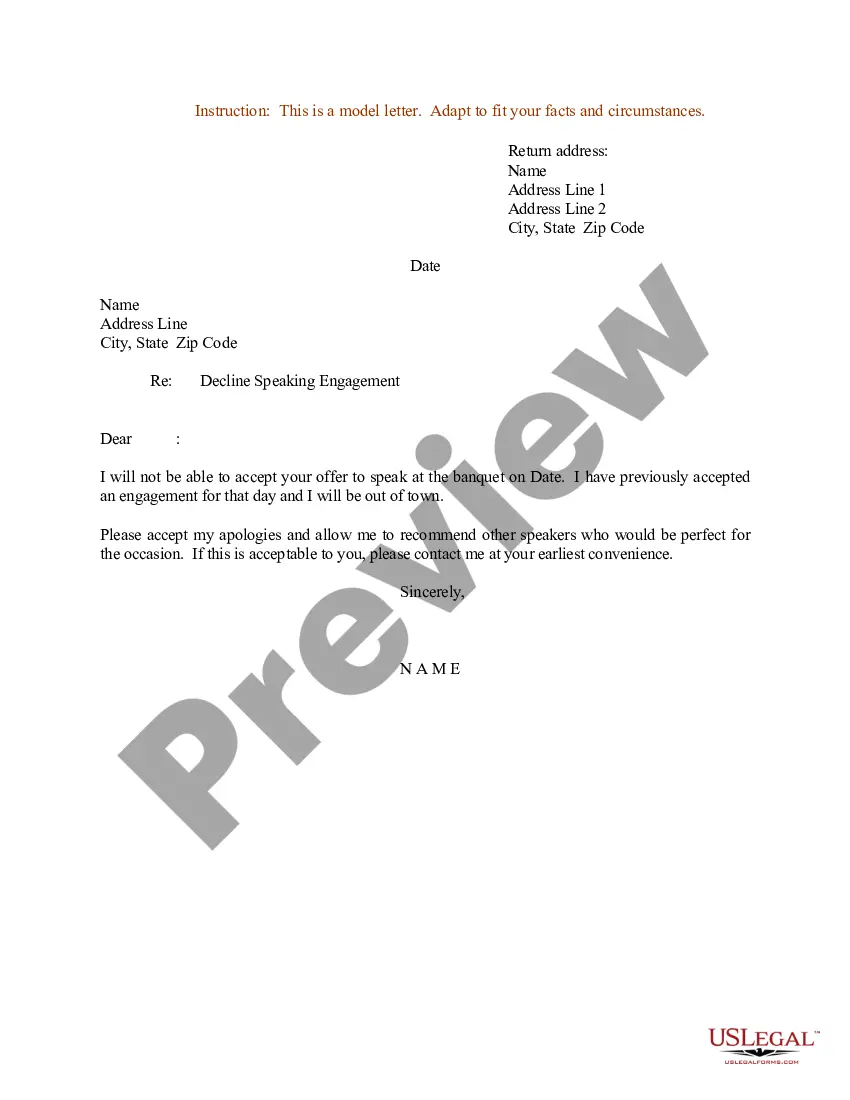
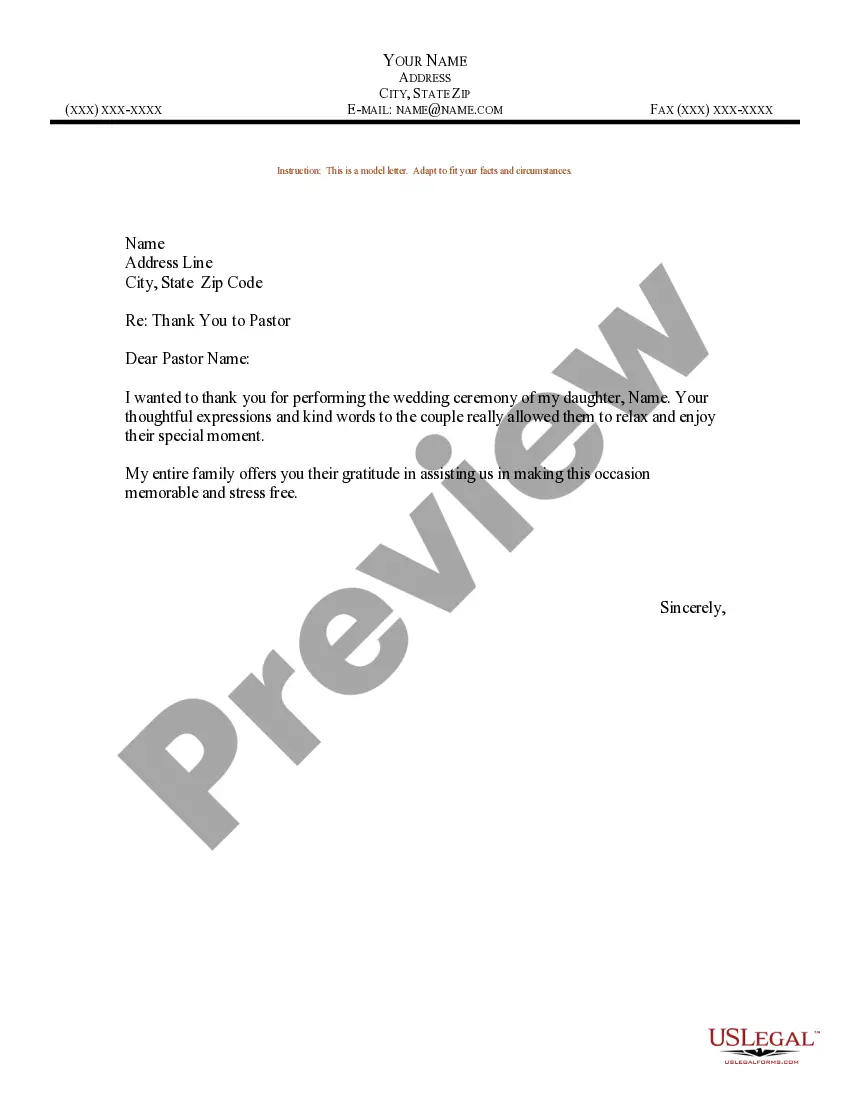
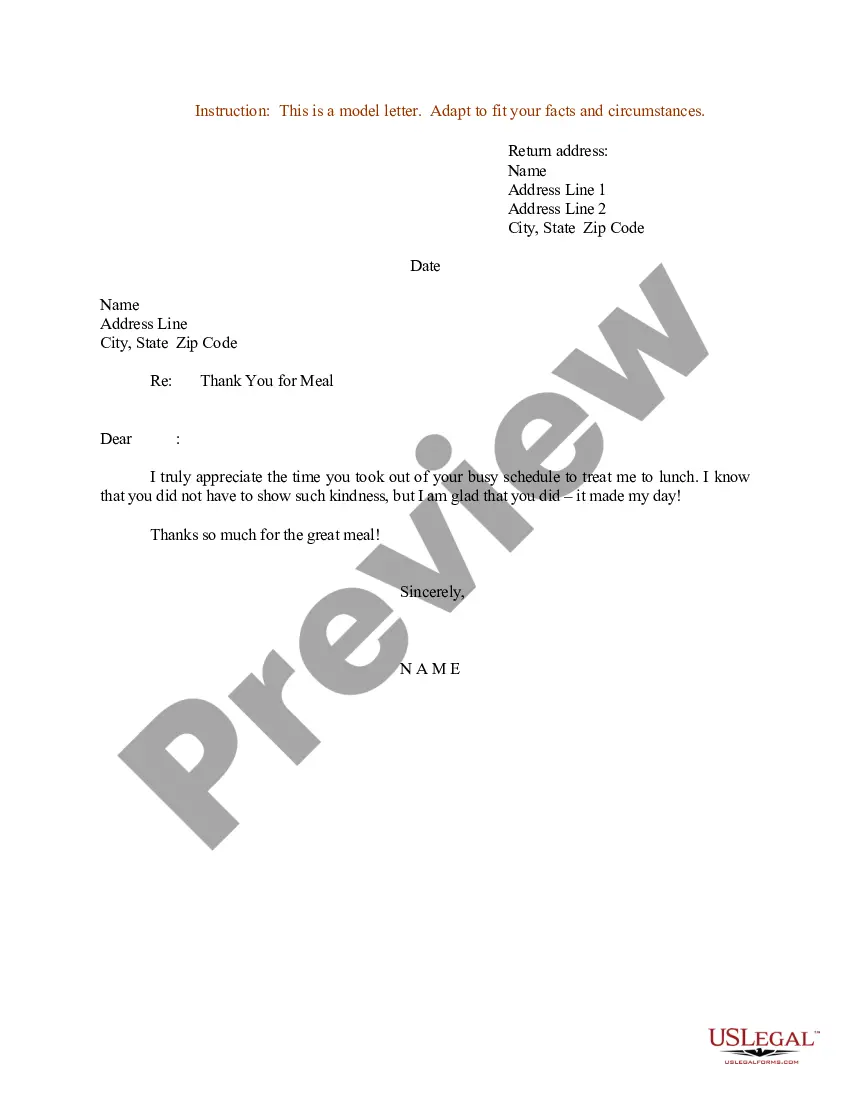
Get your form ready online
Our built-in tools help you complete, sign, share, and store your documents in one place.
Make edits, fill in missing information, and update formatting in US Legal Forms—just like you would in MS Word.
Download a copy, print it, send it by email, or mail it via USPS—whatever works best for your next step.
Sign and collect signatures with our SignNow integration. Send to multiple recipients, set reminders, and more. Go Premium to unlock E-Sign.
If this form requires notarization, complete it online through a secure video call—no need to meet a notary in person or wait for an appointment.
We protect your documents and personal data by following strict security and privacy standards.

Make edits, fill in missing information, and update formatting in US Legal Forms—just like you would in MS Word.

Download a copy, print it, send it by email, or mail it via USPS—whatever works best for your next step.

Sign and collect signatures with our SignNow integration. Send to multiple recipients, set reminders, and more. Go Premium to unlock E-Sign.

If this form requires notarization, complete it online through a secure video call—no need to meet a notary in person or wait for an appointment.

We protect your documents and personal data by following strict security and privacy standards.
Looking for another form?









Form popularity
FAQ
Engagement refers to a promise or agreement between two parties. It can be a contract where both parties make promises to each other. It can also refer to the period after a couple agrees to get married but before they actually do.
An engagement letter is a short agreement that outlines the scope of work, fees, and other important details, while a contract is a more comprehensive document that outlines the legal obligations of both parties and provides more detailed information about the project or service.
A letter of engagement serves the same purpose as a contract between two parties. However, its format is less formal than a contract and it generally avoids legal jargon. A letter of engagement is a legal document. It is binding in a business deal.
The Notice includes the Engagement Letter as a potential executory contract that is subject to assumption and assignment by the Debtors.
A subject line specifying the topic of the letter, if included, comes between the salutation and the body of the letter. The introductory word Subject may be used, but is not essential. The terms Re and In re should be reserved for legal correspondence.
2. Start with your contact information Line 1: Full name. Line 2: The company you work for, if applicable. Line 3: Your street address. Line 4: Your city, state (two-letter abbreviation) and ZIP code. Line 5: Your country if you are writing to someone in a different country. Line 6: Your phone number and/or email address.
If you have enclosed any documents along with the letter, such as a resume, you indicate this simply by typing Enclosures below the closing. As an option, you may list the name of each document you are including in the envelope.
Most business letters must include a return address (letterhead or your name and address), date, an inside address (receiver's name and address), a salutation, body paragraphs, and a closing.
Most business letters must include a return address (letterhead or your name and address), date, an inside address (receiver's name and address), a salutation, body paragraphs, and a closing.
LETTER FORMATS Full Block Format (See Sample 1) In a full block business letter, every component of the letter (heading, address, salutation, body, salutation, signature, identification, enclosures) is aligned to the left.

