Engagement Letter For Statutory Audit In Massachusetts
Description
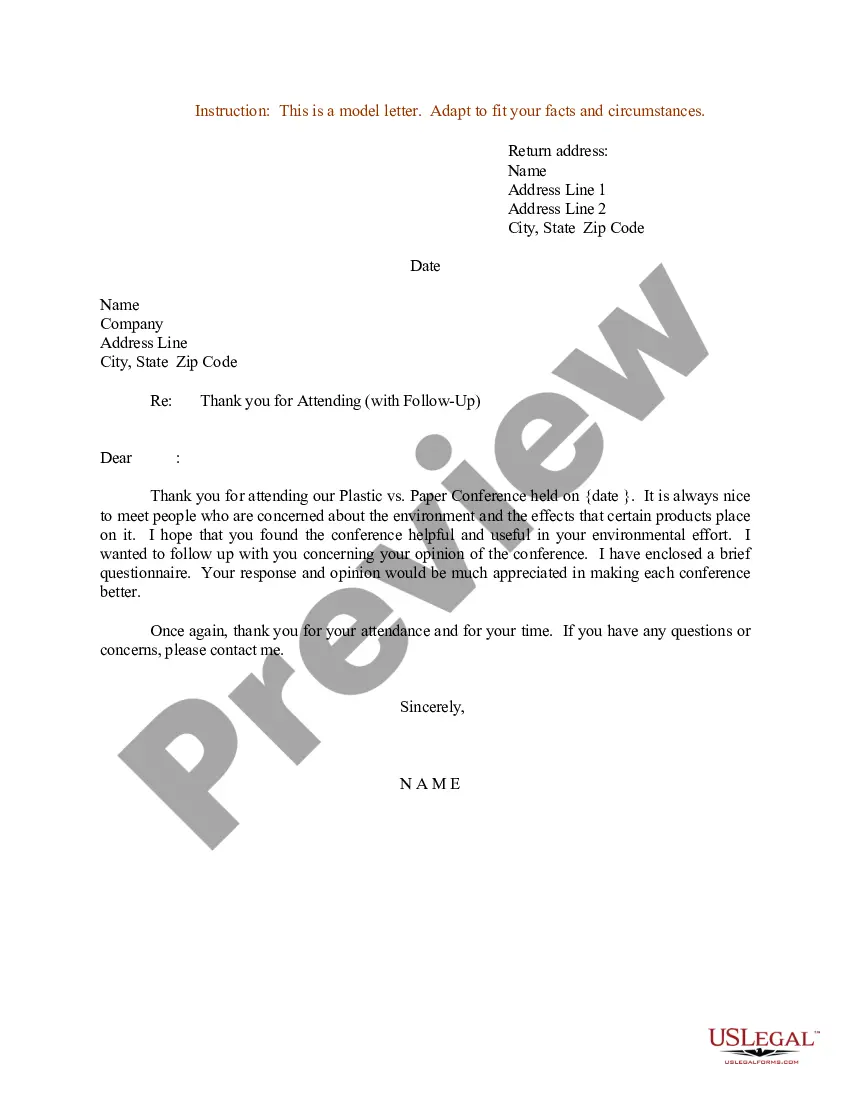
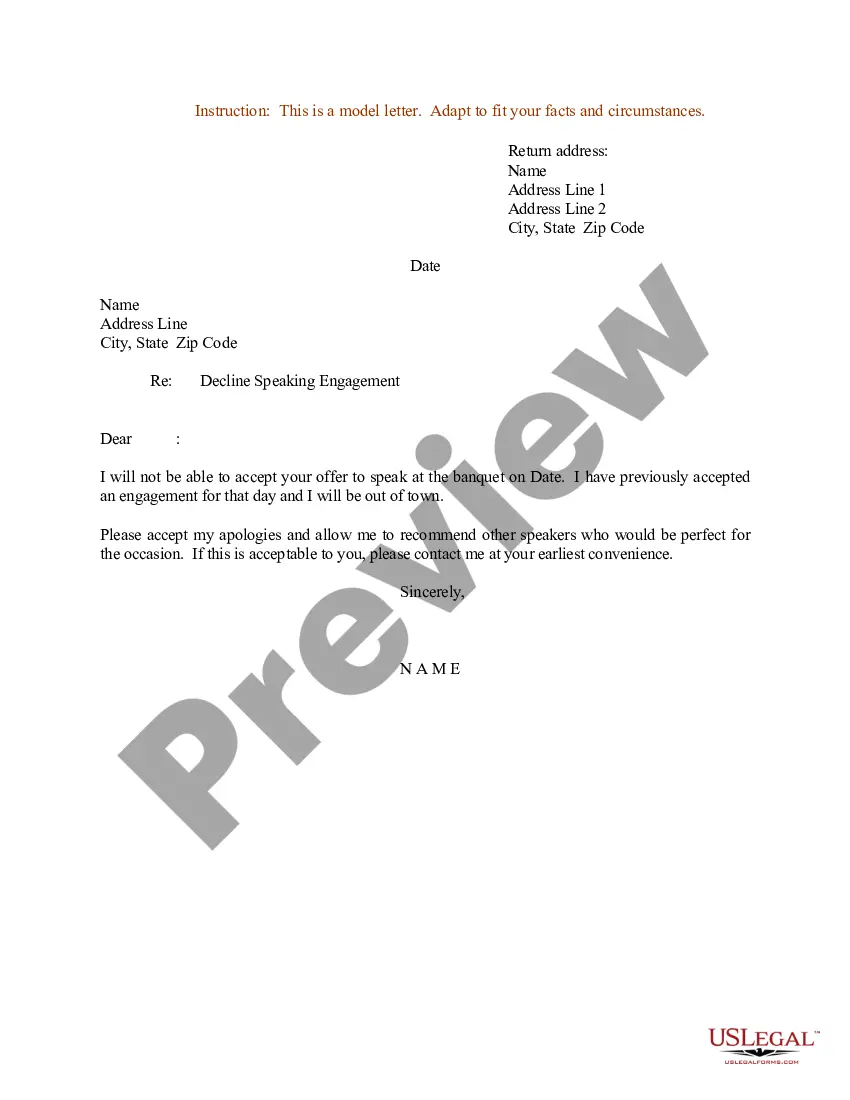
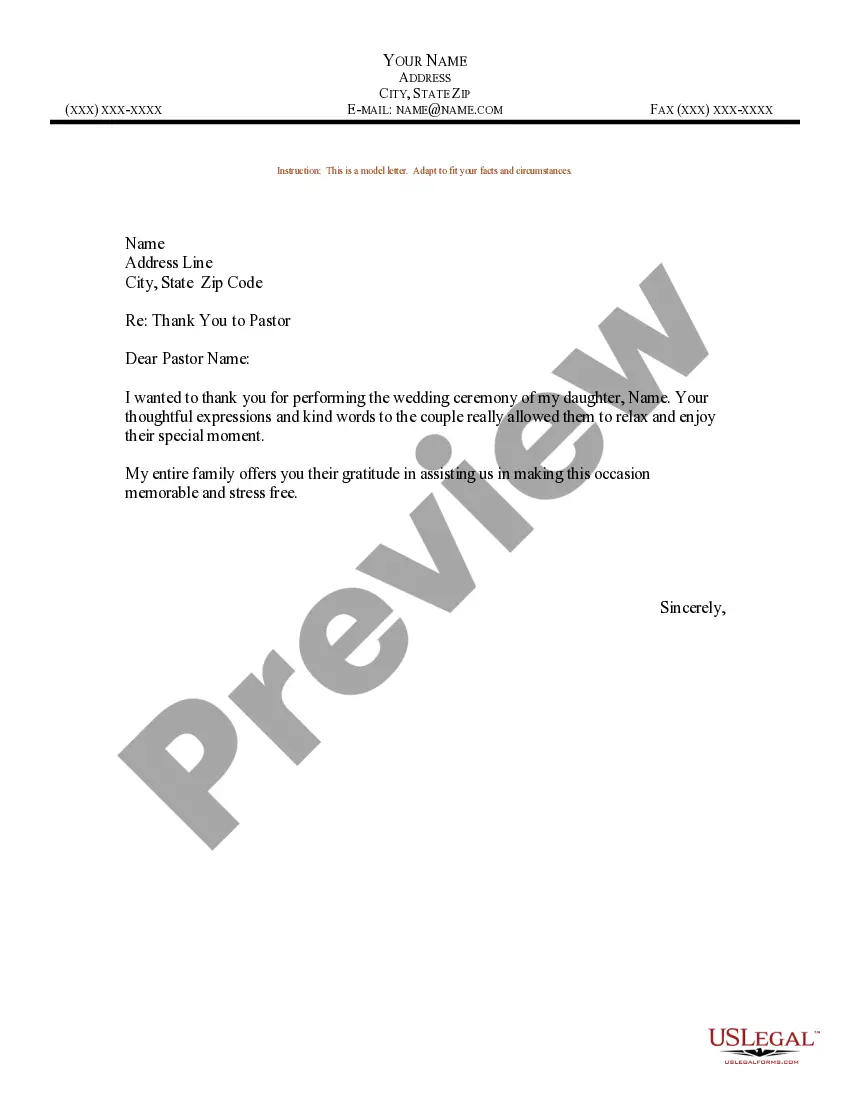
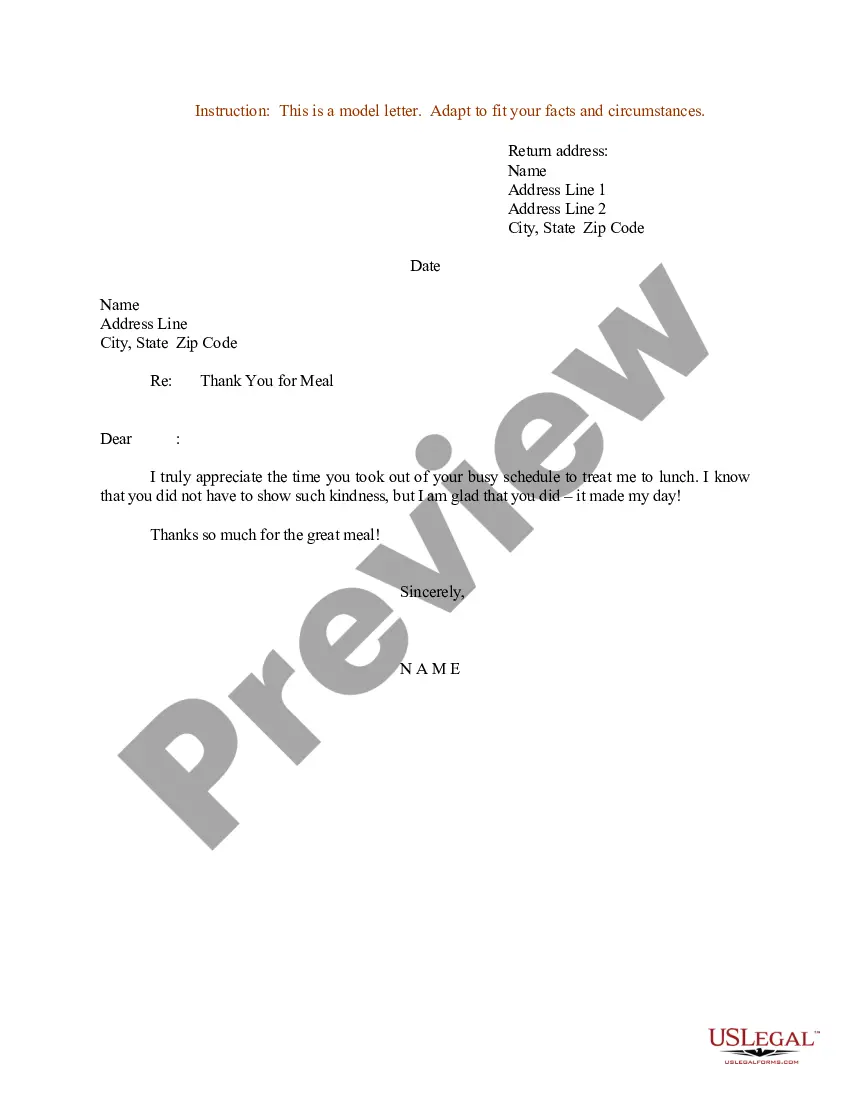
Get your form ready online
Our built-in tools help you complete, sign, share, and store your documents in one place.
Make edits, fill in missing information, and update formatting in US Legal Forms—just like you would in MS Word.
Download a copy, print it, send it by email, or mail it via USPS—whatever works best for your next step.
Sign and collect signatures with our SignNow integration. Send to multiple recipients, set reminders, and more. Go Premium to unlock E-Sign.
If this form requires notarization, complete it online through a secure video call—no need to meet a notary in person or wait for an appointment.
We protect your documents and personal data by following strict security and privacy standards.

Make edits, fill in missing information, and update formatting in US Legal Forms—just like you would in MS Word.

Download a copy, print it, send it by email, or mail it via USPS—whatever works best for your next step.

Sign and collect signatures with our SignNow integration. Send to multiple recipients, set reminders, and more. Go Premium to unlock E-Sign.

If this form requires notarization, complete it online through a secure video call—no need to meet a notary in person or wait for an appointment.

We protect your documents and personal data by following strict security and privacy standards.
Looking for another form?








Form popularity
FAQ
Statutory Audit: The statutory audit must be done before the AGM of the company is conducted. The statutory auditor needs to submit the audit report to the board before the conduct of AGM. The audit report should be attached with the company's financial statements and filed with the ROC.
Steps to an effective data-driven audit Pre-engagement (client onboarding) Audit planning. Data collection and ingestion. Risk assessment. Audit fieldwork & execution. Audit reporting and wrap-up. Audit follow-up.
Preparation Process The audit engagement letter is typically prepared by the auditor conducting the audit. It serves as a crucial document outlining the terms and responsibilities involved in the audit process.
1. We are pleased to accept the instruction to act as auditor for your company and are writing to confirm the terms of our appointment. 2. The purpose of this letter, together with the attached terms and conditions, is to set out our terms for carrying out the work and to clarify our respective responsibilities.
It is in the interests of both the entity and the auditor that the auditor sends an audit engagement letter before the commencement of the audit to help avoid misunderstandings with respect to the audit.
The content of an engagement letter often includes important details such as the scope of services to be provided, fees or billing arrangements, confidentiality clauses, dispute resolution mechanisms, and any other relevant terms agreed upon by both parties.
How often should the letter be reviewed? Once agreed, the letter will remain in force until it is replaced but should be reviewed annually to ensure that it is appropriate to the client's circumstances. If a change has taken place, then a new letter may need to be sent.
Many companies will require their engagement letter to be updated and signed on an annual basis. A new one should always be issued if the scope of services changes. However, even if the agreement remains the same, it can still be wise to redraft an engagement letter to increase the legal standing of the document.
The engagement letter sets out the details of your contract so it should not need to be replaced unless the contractual arrangement changes or our regulators indicate a chnage is needed.

