Sample Speaking Engagement With Meaning In Maryland
Description
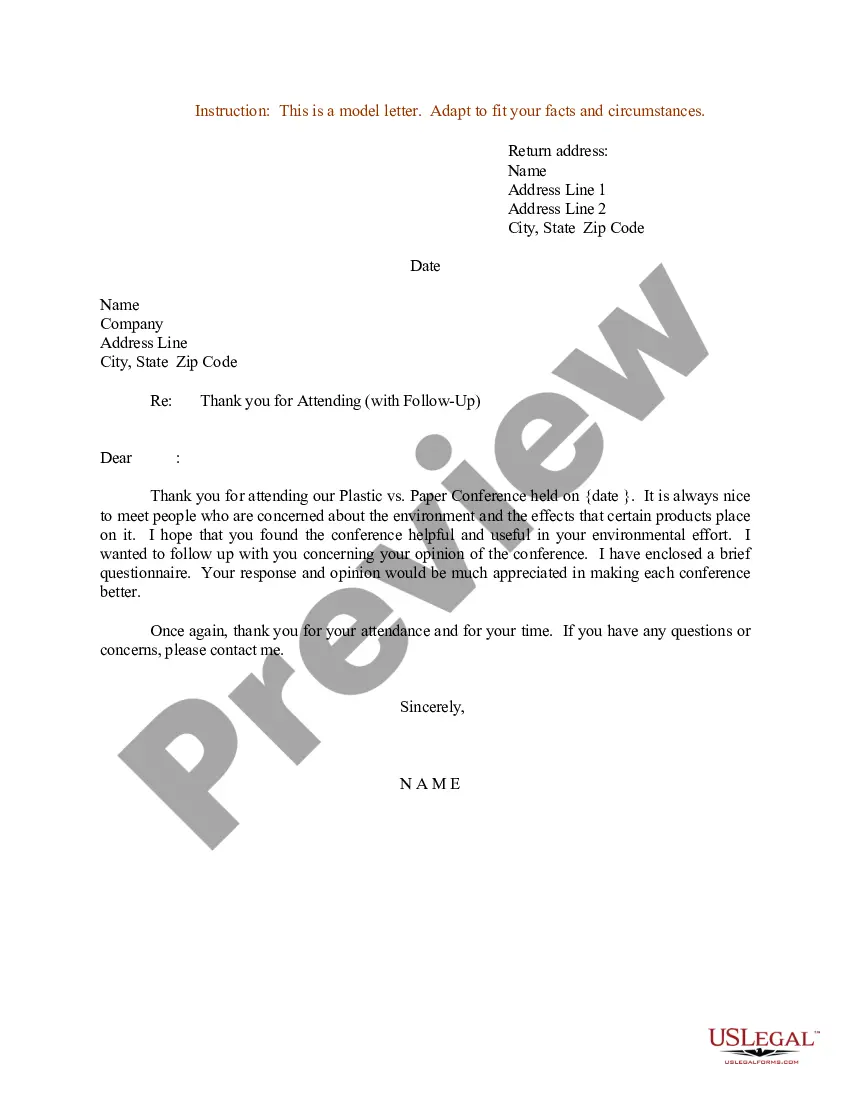
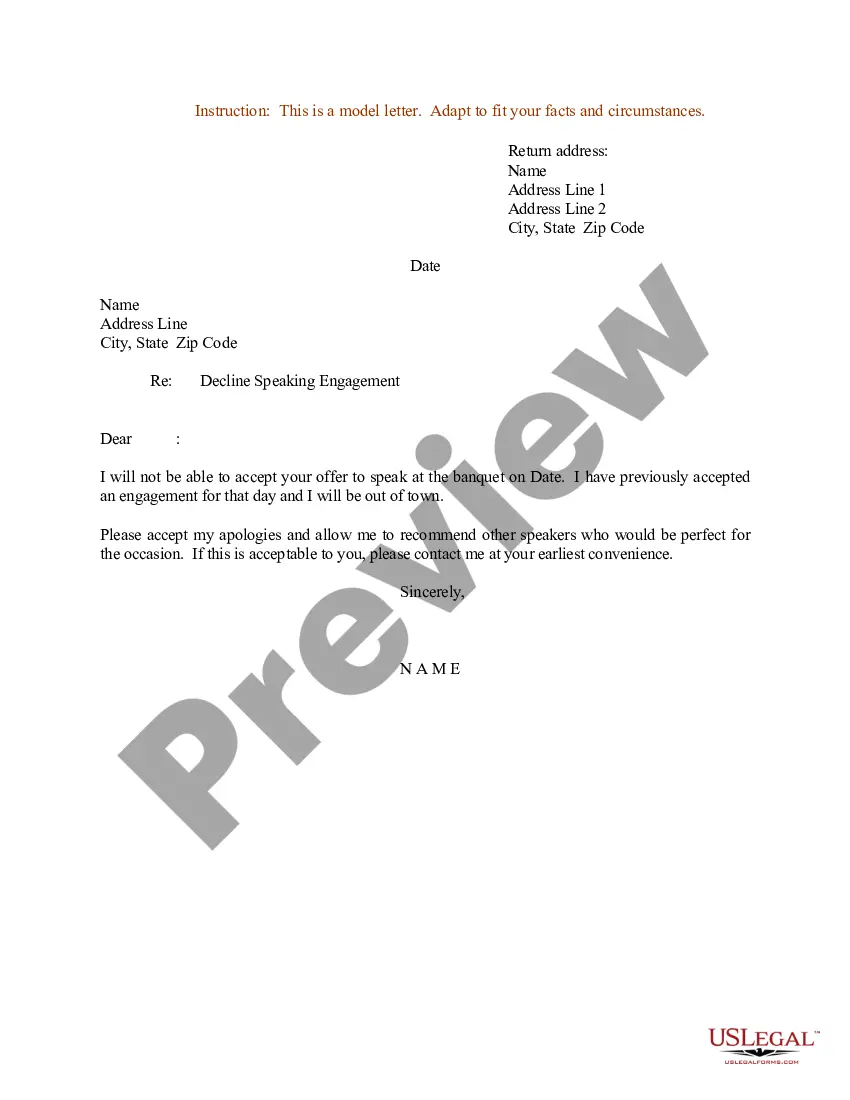
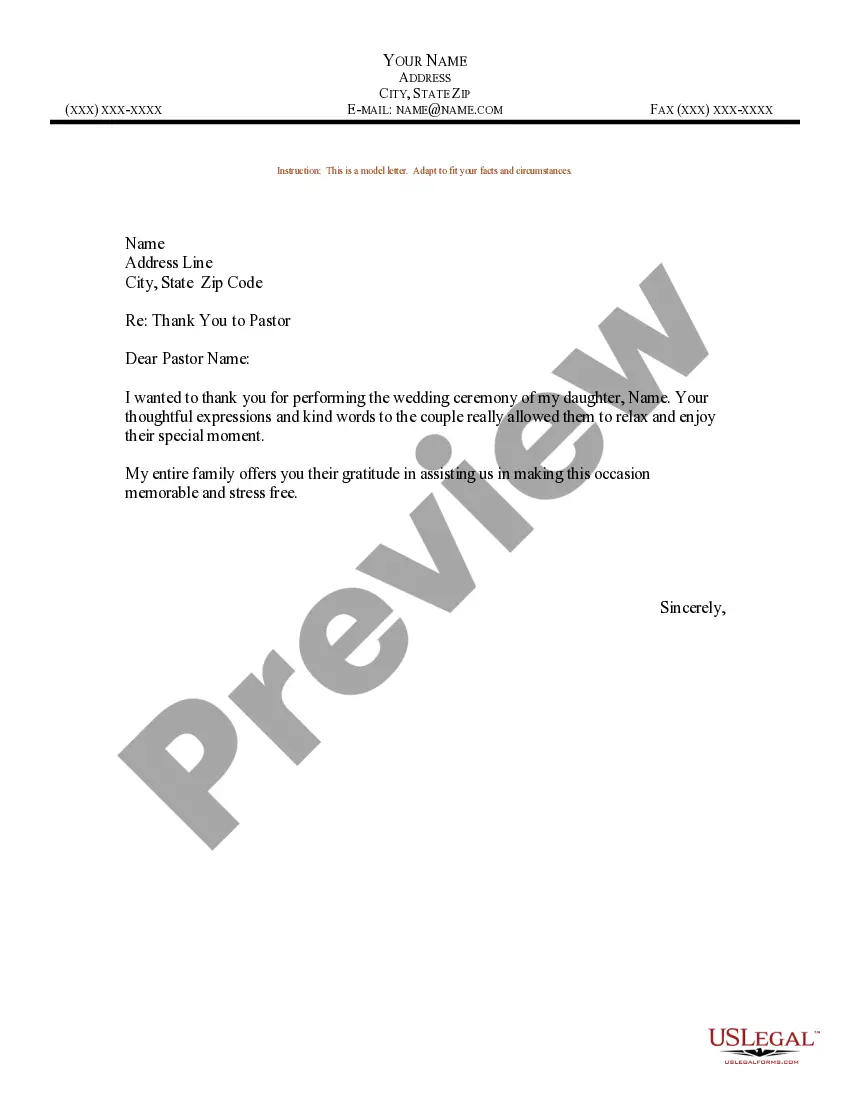
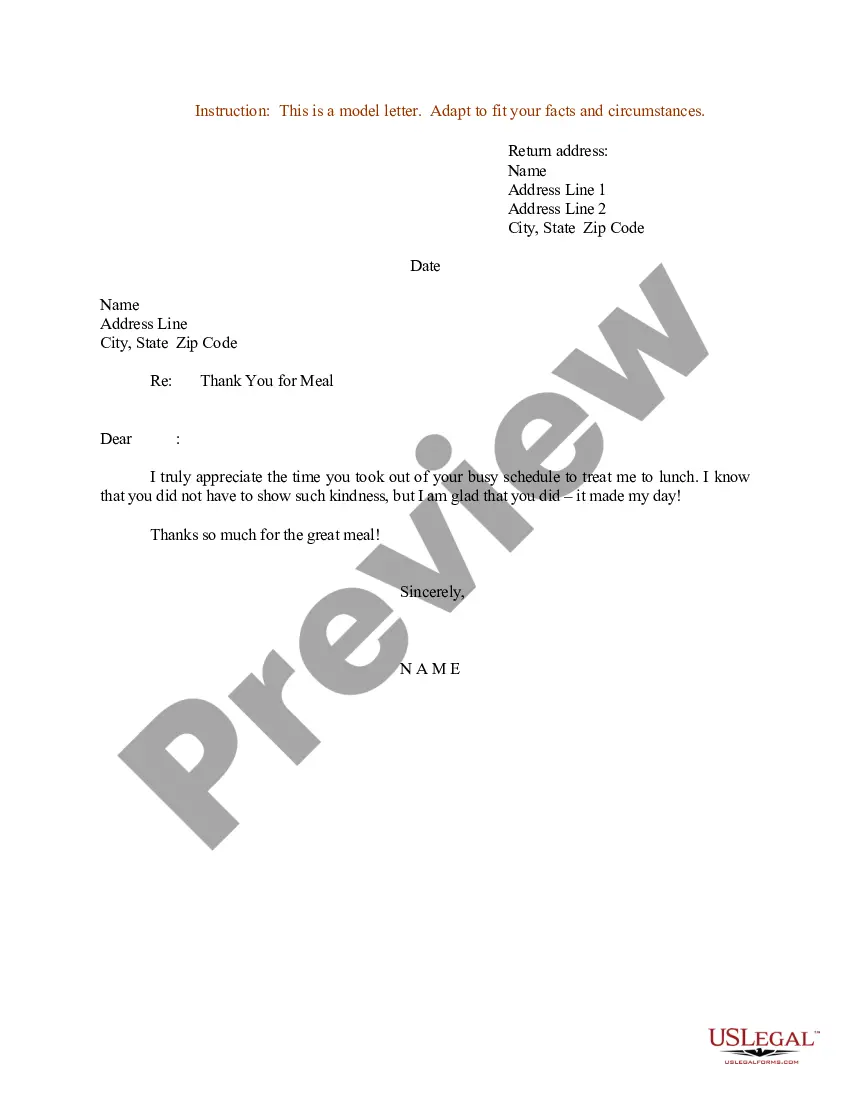
Get your form ready online
Our built-in tools help you complete, sign, share, and store your documents in one place.
Make edits, fill in missing information, and update formatting in US Legal Forms—just like you would in MS Word.
Download a copy, print it, send it by email, or mail it via USPS—whatever works best for your next step.
Sign and collect signatures with our SignNow integration. Send to multiple recipients, set reminders, and more. Go Premium to unlock E-Sign.
If this form requires notarization, complete it online through a secure video call—no need to meet a notary in person or wait for an appointment.
We protect your documents and personal data by following strict security and privacy standards.

Make edits, fill in missing information, and update formatting in US Legal Forms—just like you would in MS Word.

Download a copy, print it, send it by email, or mail it via USPS—whatever works best for your next step.

Sign and collect signatures with our SignNow integration. Send to multiple recipients, set reminders, and more. Go Premium to unlock E-Sign.

If this form requires notarization, complete it online through a secure video call—no need to meet a notary in person or wait for an appointment.

We protect your documents and personal data by following strict security and privacy standards.
Looking for another form?




Form popularity
FAQ
How to get speaking engagements Get clear on why you want to speak. Listen to a lot of talks from speakers that you admire. Come up with 3-5 talk ideas. Prepare an outline for each talk idea. Build your event list. Slide into event organizers' DMs. Email your pitch. Turn your outline into a speaker proposal.
15 Tricks Of The Trade For Booking Speaking Gigs Search On LinkedIn. Describe How You Fit The Conference. Create A Portfolio. Look Outside Your Industry. Connect Before You Convert. Practice Online And Offline. Deliver Engaging Experiences. Start Small And Keep Going.
The 7P's are pronunciation, pace, pause, punch, power, passion, and posture.
People with a big audience. The easiest way to be invited to speak is to have a big audience you can bring with you. For many events, the key focus is selling tickets. If they have speakers who will promote their event to a large audience, they can sell more tickets.
First, you can start by researching event listings on relevant websites and social media platforms within your niche and/or industry. Look for keywords like 'speaking opportunities near insert your zipcode or state' or 'best speaking opportunities in the your state or region' to narrow down your search.
Unless there is already a Protective Order Sealing Portions of the Record or an Order to Seal which allows this specific document to be sealed, you will be required to file a Motion to Seal this specific document. The Motion to Seal must be filed immediately after filing the sealed document.
1. File the Motion to Seal. Enter your case number and select Seal (to Seal – requesting leave to file sealed materials) from the list of events. When the screen to attach documents is displayed, attach your Motion to Seal as the main document, and add your proposed order as an attachment to your motion.
filing is available in all Maryland jurisdictions.
Use this form to certify to the court that documents were mailed or hand delivered to a party in a case.
The placement of the seal and use of certain language may result in the contract being a "contract under seal" or a "specialty." Under Maryland law, a "specialty" contract is subject to a twelve-year limitations period, rather than the three-year period normally applicable.

