Letter Engagement Statement With Reference In Kings
Description
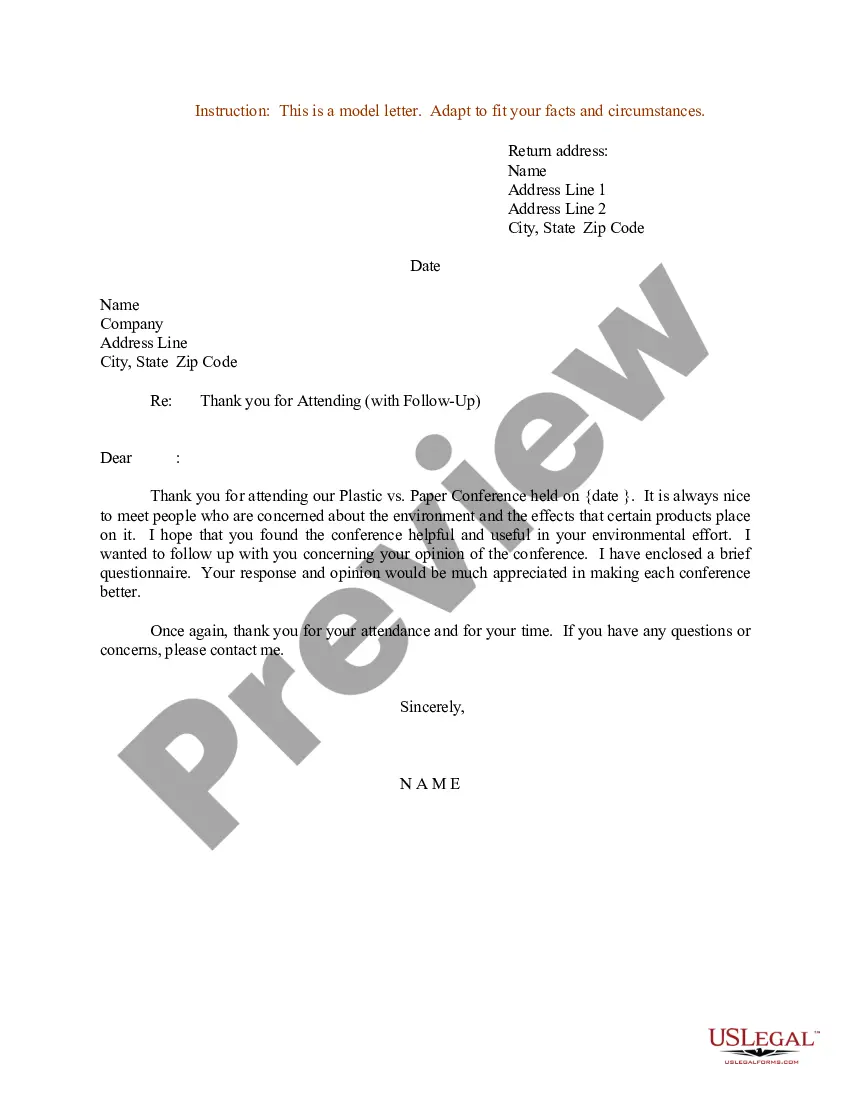
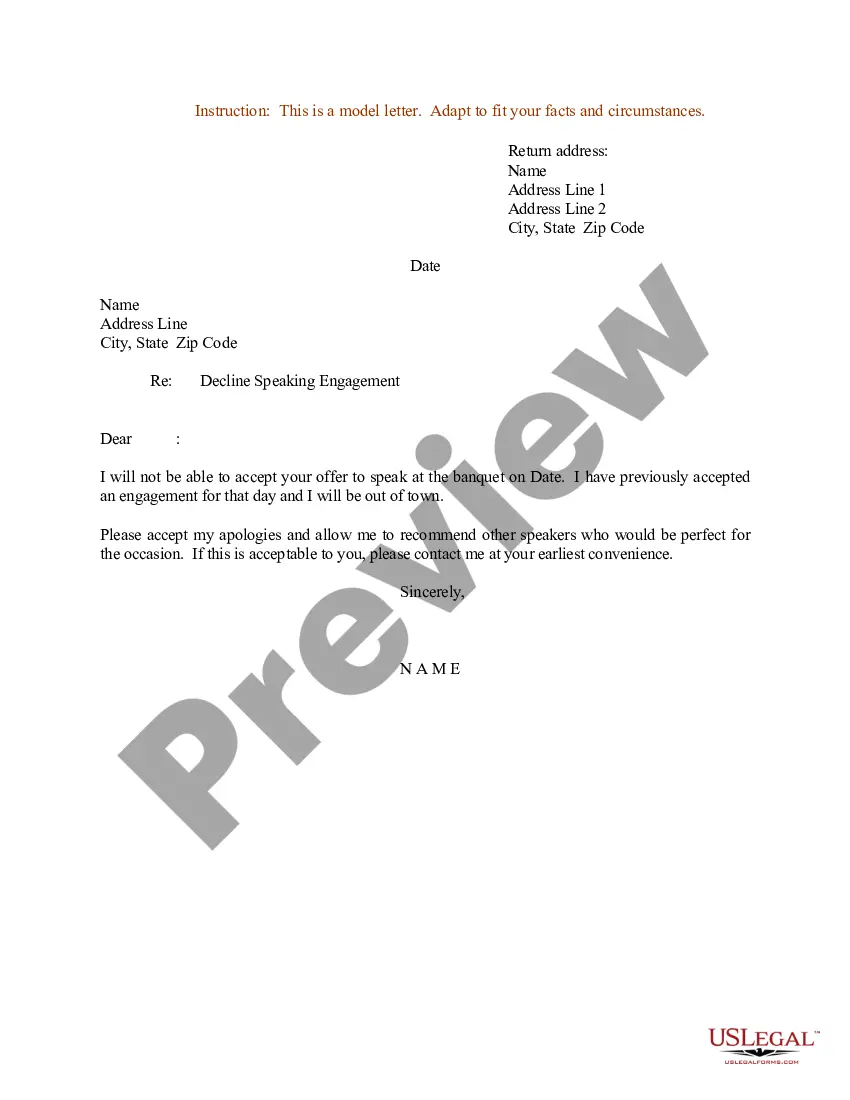
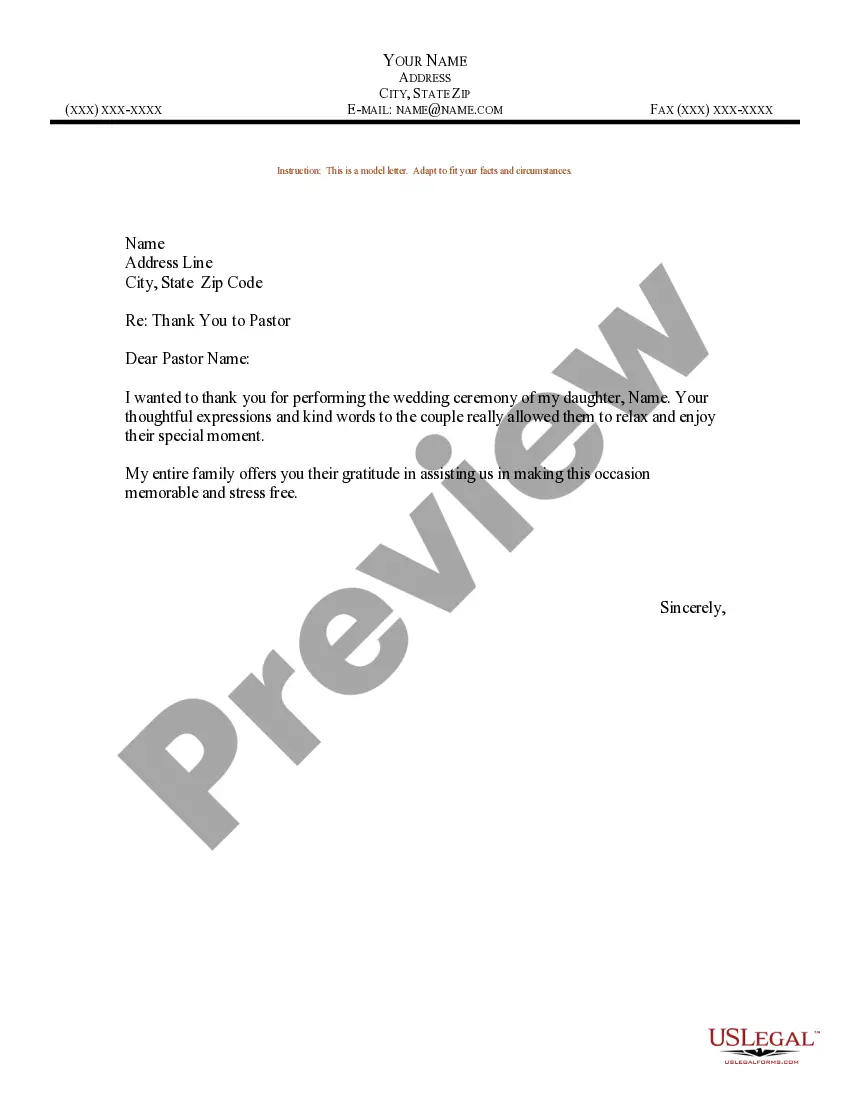
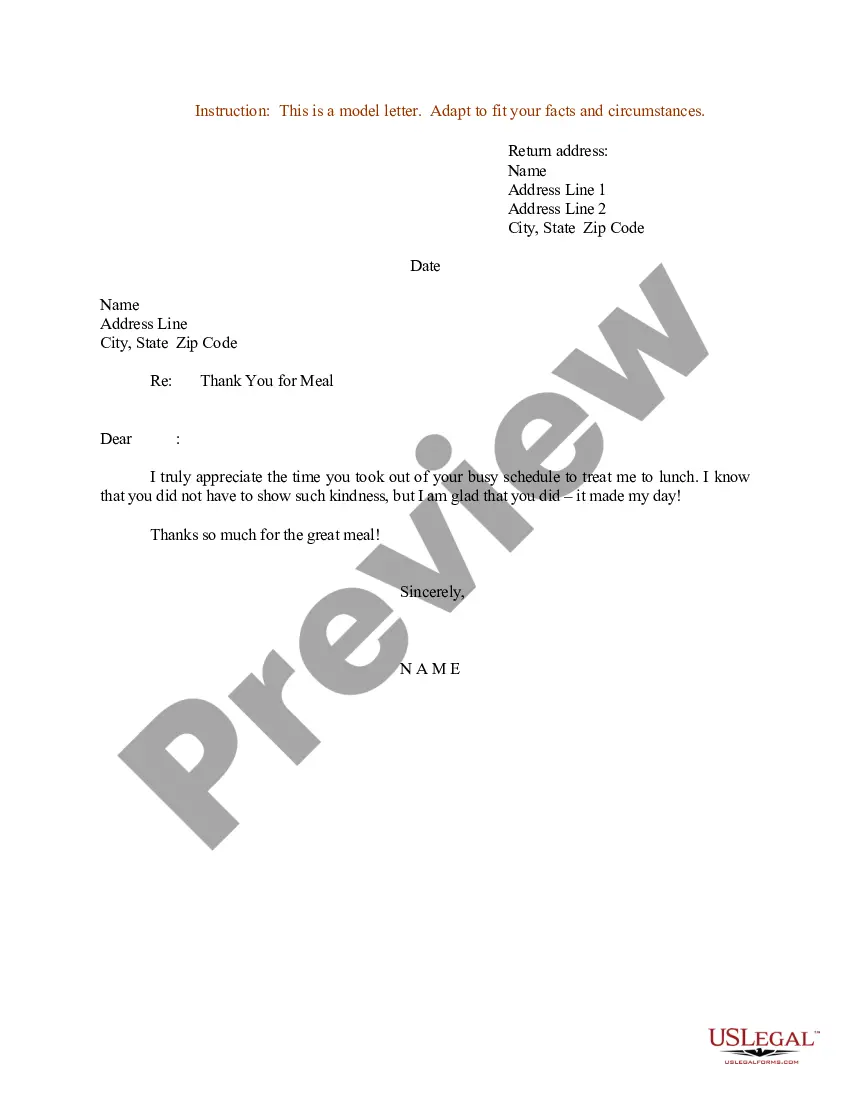
Get your form ready online
Our built-in tools help you complete, sign, share, and store your documents in one place.
Make edits, fill in missing information, and update formatting in US Legal Forms—just like you would in MS Word.
Download a copy, print it, send it by email, or mail it via USPS—whatever works best for your next step.
Sign and collect signatures with our SignNow integration. Send to multiple recipients, set reminders, and more. Go Premium to unlock E-Sign.
If this form requires notarization, complete it online through a secure video call—no need to meet a notary in person or wait for an appointment.
We protect your documents and personal data by following strict security and privacy standards.

Make edits, fill in missing information, and update formatting in US Legal Forms—just like you would in MS Word.

Download a copy, print it, send it by email, or mail it via USPS—whatever works best for your next step.

Sign and collect signatures with our SignNow integration. Send to multiple recipients, set reminders, and more. Go Premium to unlock E-Sign.

If this form requires notarization, complete it online through a secure video call—no need to meet a notary in person or wait for an appointment.

We protect your documents and personal data by following strict security and privacy standards.
Looking for another form?









Form popularity
FAQ
The personal statement is one of the many factors in the overall assessment of your application: it's your opportunity to introduce yourself to King's and tell us about your interest in your chosen subject, as well as any work experience or extracurricular activities you have done.
I have many qualities which will be ideal for my future career path I am honest, patient and a reflective individual, this is something that I feel is most important when dealing with children and adolescents. I have many hobbies that I carry out in my spare time.
Introduce Yourself: Give a brief introduction of who you are. This can include your background, interests, or the field you are pursuing. State Your Purpose: Clearly articulate why you are writing the personal statement. Mention the program or opportunity you are applying for and what motivates you to pursue it.
In your supporting statement, explain why you are interested in the job and present your skills, knowledge, and experience in a clear structure. Provide evidence. Showcase your competency by describing what you did, how you did it, why you did it, and the impact it had.
Start with a short sentence that captures the reason why you're interested in studying the area you're applying for and that communicates your enthusiasm for it. Don't waffle or say you want to study something just because it's interesting. Explain what you find interesting about it.
Introduce Yourself: Give a brief introduction of who you are. This can include your background, interests, or the field you are pursuing. State Your Purpose: Clearly articulate why you are writing the personal statement. Mention the program or opportunity you are applying for and what motivates you to pursue it.
A good opening sentence is one that shows frankness or openness. One example is simply: Who am I? Or, what makes me unique? Since it's going to be your personal statement, it should open the readers up for just that. Having done so, hurry to lay the groundwork for your task.
For convenience in a personal essay, it is acceptable to cite sources—especially if you use just one or two—in numbered footnote form at the bottom of the page. However, if you have more than a few sources, a separate section entitled “References” at the end of the essay is best.
A cumulative GPA of 3.3 or above on a 4.0 scale; or its equivalent (you can use the PG entry requirement scale .
Pass marks (and therefore capped marks) stay at 40% (UG, Pre-UG) and 50% (PG).

