Sample Letter Engagement Draft For Fantasy Football In Houston
Description
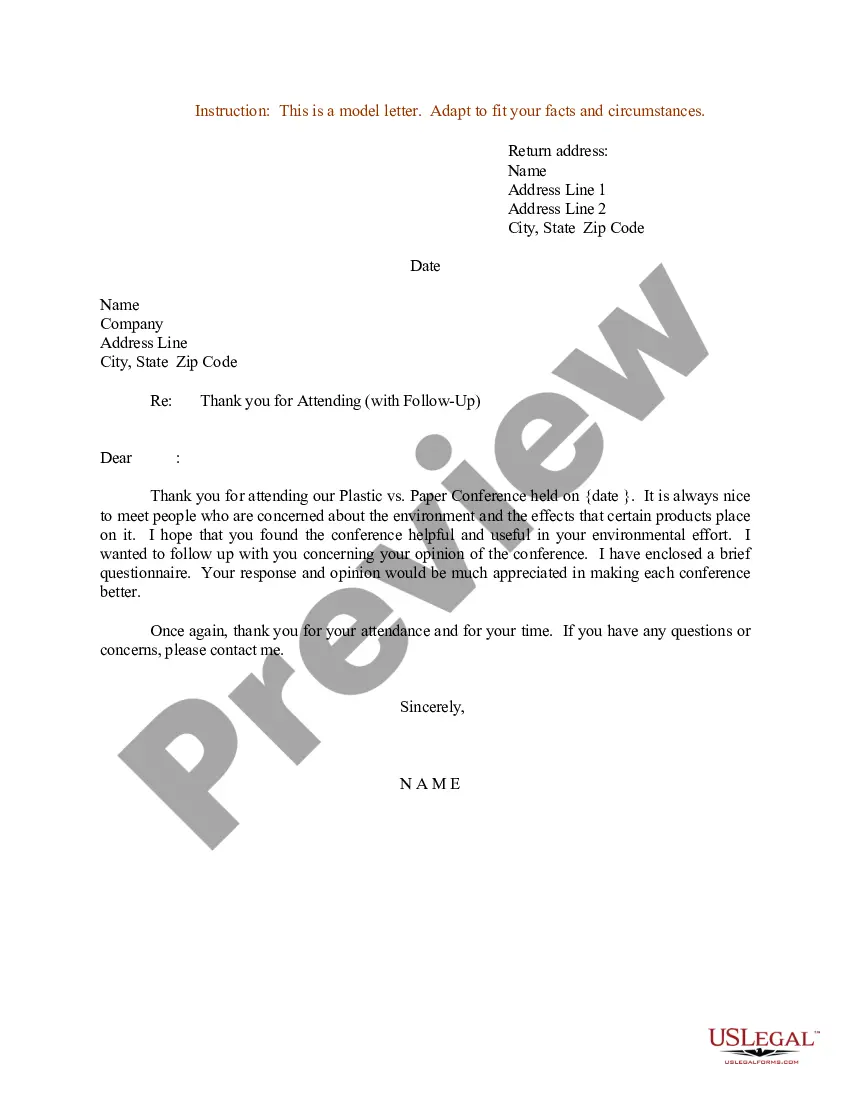
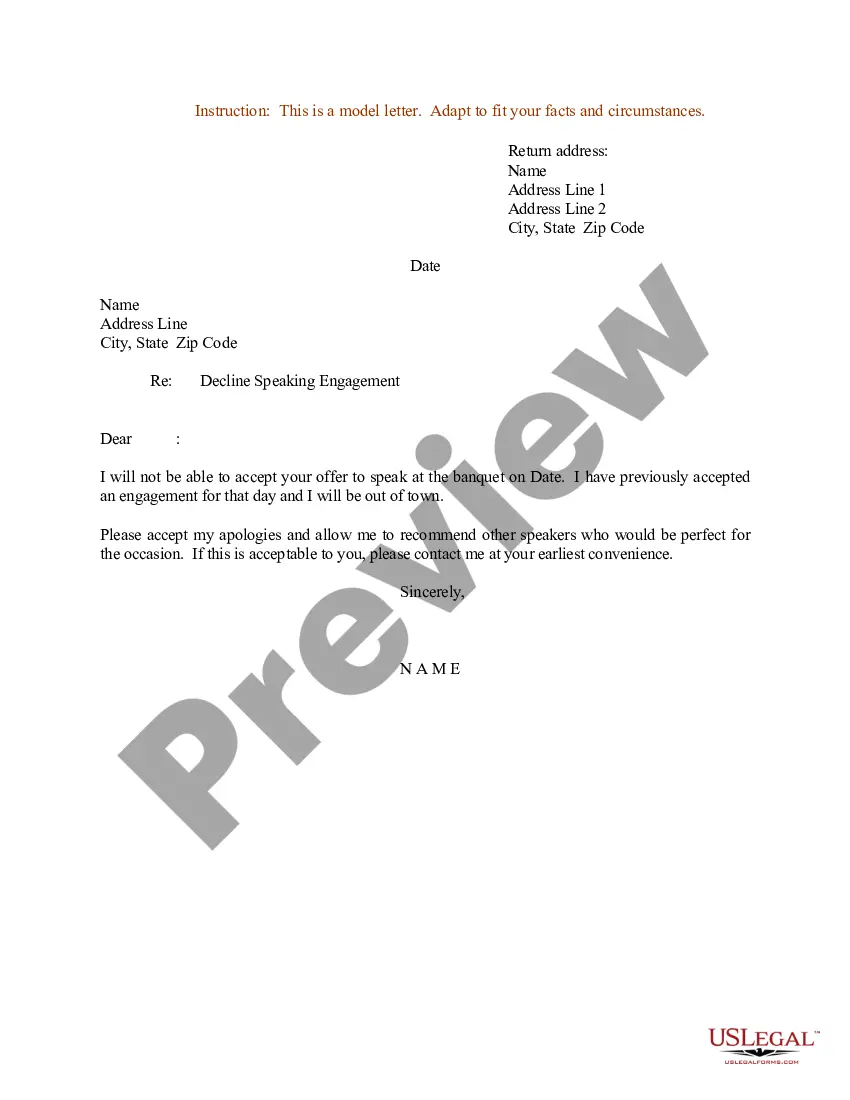
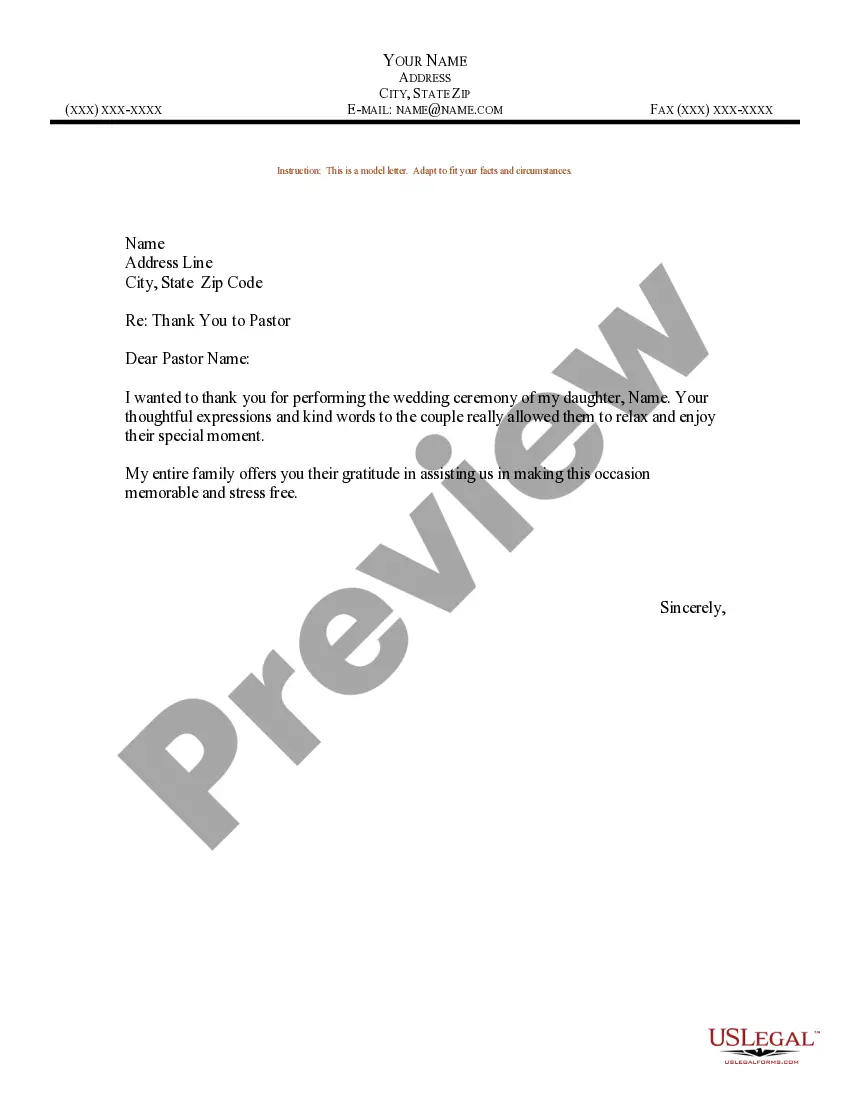
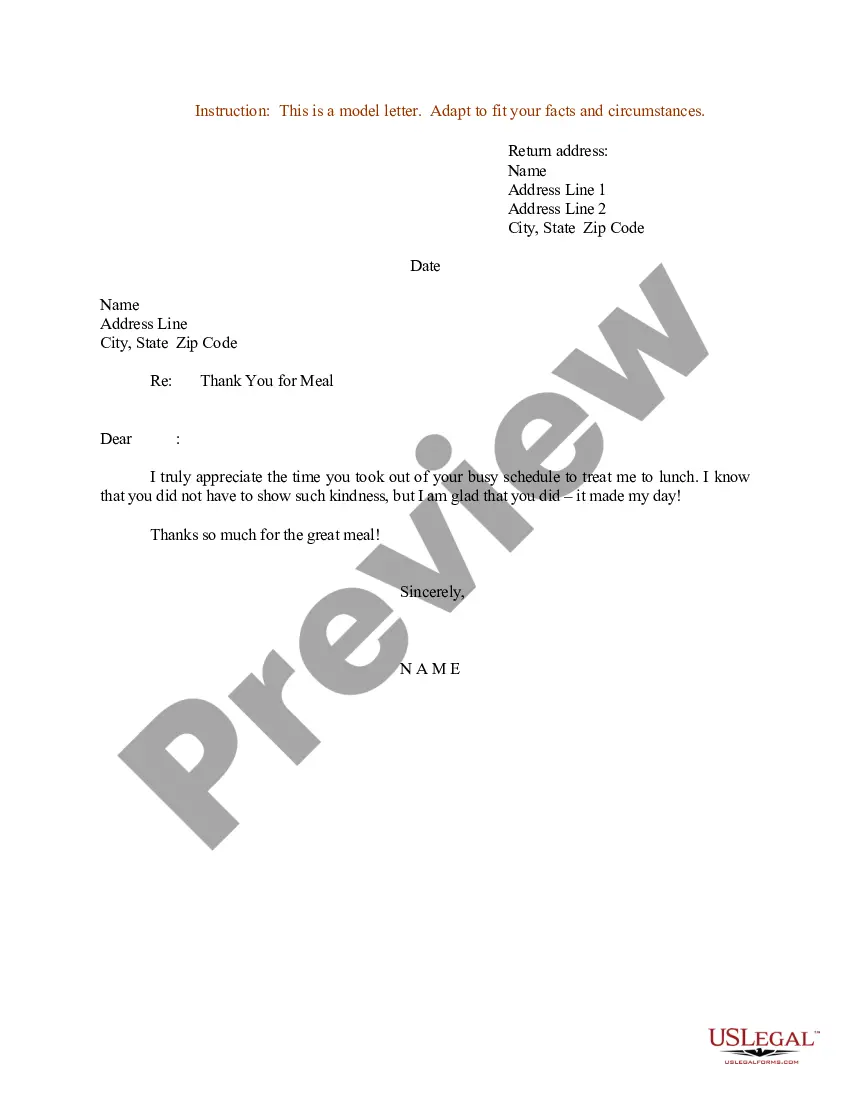
Get your form ready online
Our built-in tools help you complete, sign, share, and store your documents in one place.
Make edits, fill in missing information, and update formatting in US Legal Forms—just like you would in MS Word.
Download a copy, print it, send it by email, or mail it via USPS—whatever works best for your next step.
Sign and collect signatures with our SignNow integration. Send to multiple recipients, set reminders, and more. Go Premium to unlock E-Sign.
If this form requires notarization, complete it online through a secure video call—no need to meet a notary in person or wait for an appointment.
We protect your documents and personal data by following strict security and privacy standards.

Make edits, fill in missing information, and update formatting in US Legal Forms—just like you would in MS Word.

Download a copy, print it, send it by email, or mail it via USPS—whatever works best for your next step.

Sign and collect signatures with our SignNow integration. Send to multiple recipients, set reminders, and more. Go Premium to unlock E-Sign.

If this form requires notarization, complete it online through a secure video call—no need to meet a notary in person or wait for an appointment.

We protect your documents and personal data by following strict security and privacy standards.
Looking for another form?







Form popularity
FAQ
Look for players who are projected to outperform their draft position. This often means targeting players with high upside or those returning from injury. Mix safer picks with high-upside players. Early rounds should focus on reliable players, while later rounds can be used for players with breakout potential.
Add in plenty of breaks for food and smokes. Play good music. Talk lots of trash...if you've got a friend who is nervous about his pick, belittle him all morning. Say ``I can't wait to watch you up your first pick.'' Great way to get into people's heads. Try to trade draft picks, too!
In general, 1st overall is the best and 2nd overall is the second best. 1st overall guarantees CMC, then there are a lot of good ways to go from there. I personally like grabbing Waller and then the best RB/WR available at the 3.01, usually Joe Mixon or Michael Thomas.
Fantasy Football Draft Strategy 2025 Load up on running backs. Know the league rules. Know the ADPs of players during the draft. Wait on Tight Ends. Anchor your team with an ace QB. Balance your roster. Always back yourself up with depth. Be picky and use the “CUDDY” System when drafting.
You select your own team of players, setting a lineup every week. Then, you watch as they run, pass, catch and score touchdowns, all of which are worth fantasy points. Every week, you are matched up against someone else in your league, and whoever has the most fantasy points that week, wins!
Beginners should prepare for their fantasy football draft by researching player rankings, understanding scoring formats, and practicing with mock drafts. Focus on drafting a balanced team with a mix of proven players and sleepers. Learn key positions' value and avoid over-drafting one.
Beginners should prepare for their fantasy football draft by researching player rankings, understanding scoring formats, and practicing with mock drafts. Focus on drafting a balanced team with a mix of proven players and sleepers. Learn key positions' value and avoid over-drafting one.
Instead, it's perhaps more helpful to determine which positions you should focus on, rather than which players. ing to the same model, teams are typically best suited drafting wide receivers and running backs first, followed by a tight end, then a defense, then a kicker, and finally, a quarterback.
And here they are, my friend: Know the Rules (no kidding) ... Use Dynamic Player Valuations – Not Just Rankings. Outsmart Your Competition By Understanding Positional Scarcity. Take Advantage of Mock Drafting to Strategize. Hunt for Late-Round Fantasy Studs. Manage Risk By Avoiding Busts & Injury Risks.
Standard rosters include one Quarterback (QB), two Running Backs (RB), two Wide Receivers (WR), one Tight End (TE), one Flex (RB/WR/TE), one Defense/Special Teams (D/ST), one Kicker (K) and seven Bench Spots (BE -- players on your roster who are not in your active lineup for a given week).

