Letter Speaking Engagement Without Disclosures In Houston
Description

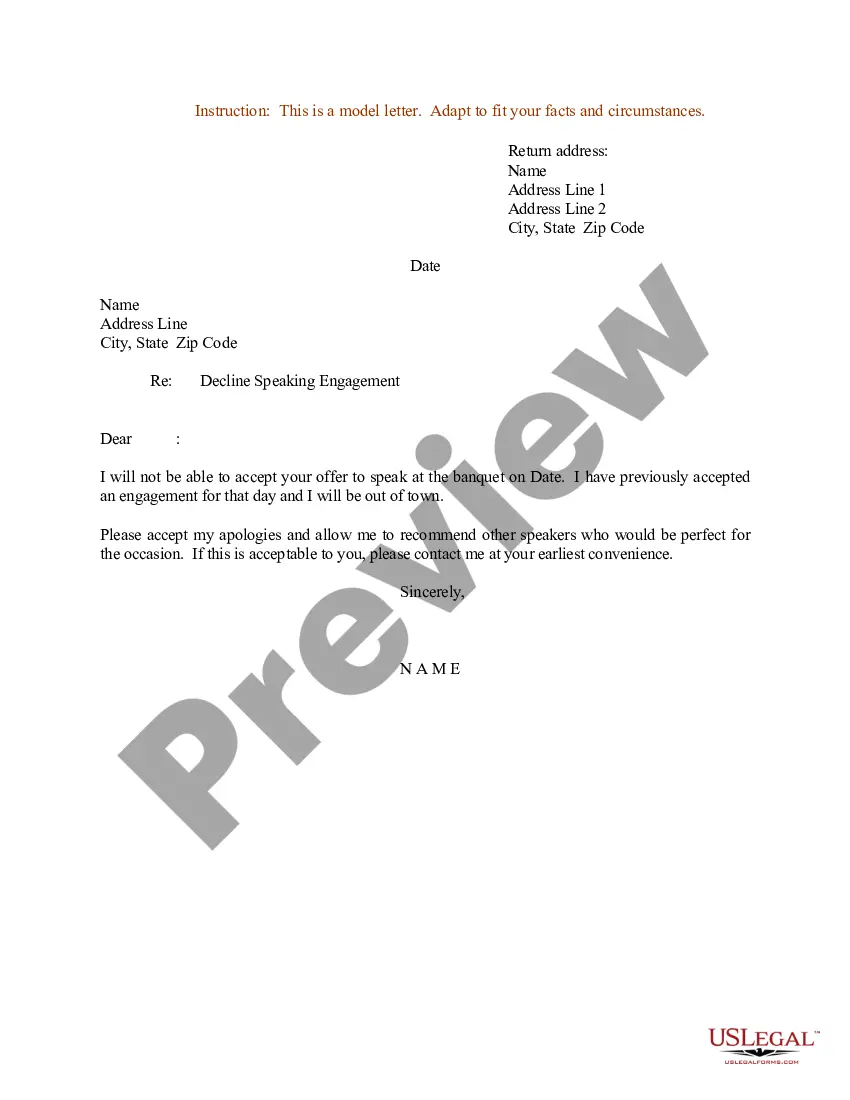

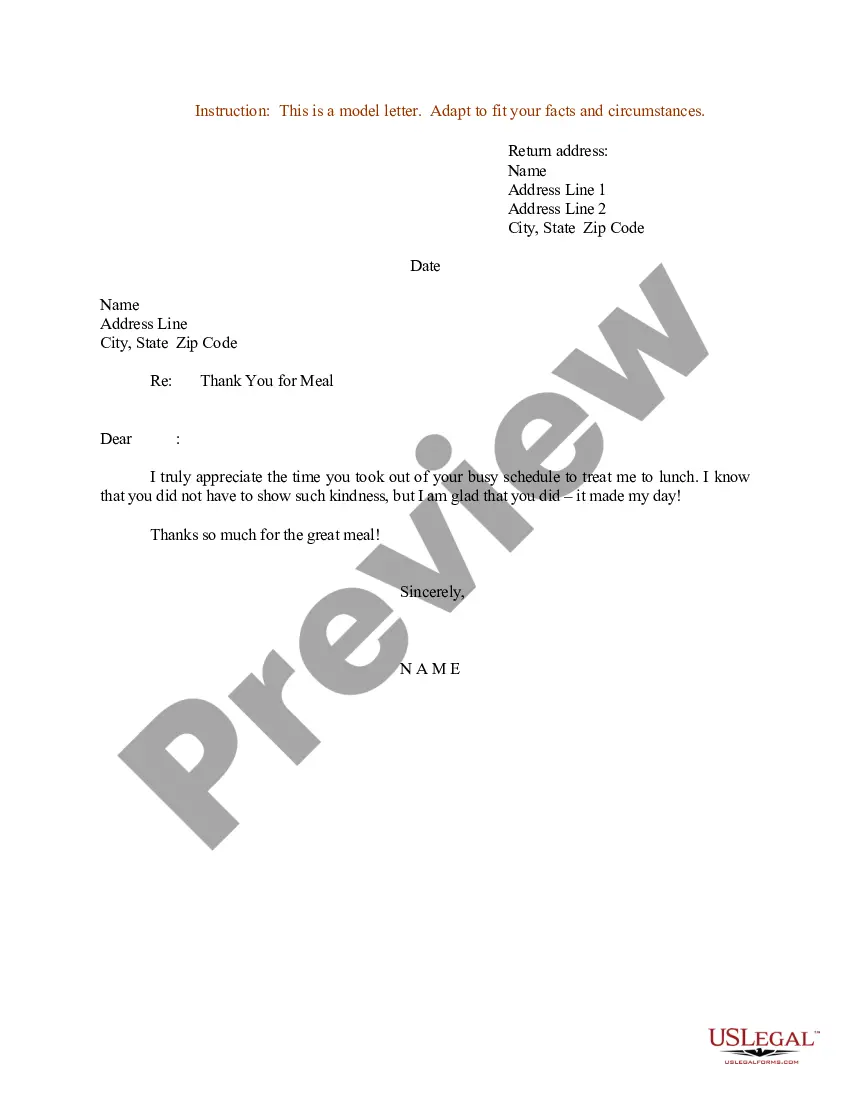
Get your form ready online
Our built-in tools help you complete, sign, share, and store your documents in one place.
Make edits, fill in missing information, and update formatting in US Legal Forms—just like you would in MS Word.
Download a copy, print it, send it by email, or mail it via USPS—whatever works best for your next step.
Sign and collect signatures with our SignNow integration. Send to multiple recipients, set reminders, and more. Go Premium to unlock E-Sign.
If this form requires notarization, complete it online through a secure video call—no need to meet a notary in person or wait for an appointment.
We protect your documents and personal data by following strict security and privacy standards.

Make edits, fill in missing information, and update formatting in US Legal Forms—just like you would in MS Word.

Download a copy, print it, send it by email, or mail it via USPS—whatever works best for your next step.

Sign and collect signatures with our SignNow integration. Send to multiple recipients, set reminders, and more. Go Premium to unlock E-Sign.

If this form requires notarization, complete it online through a secure video call—no need to meet a notary in person or wait for an appointment.

We protect your documents and personal data by following strict security and privacy standards.
Looking for another form?









Form popularity
FAQ
Keynotes are usually prominent figures recognized for their broad expertise or charismatic appeal. They're picked for their ability to resonate with a diverse audience and leave a lasting impact. Guest speakers are chosen for their specialized knowledge, often being experts or scholars in particular subfields.
Invited Talks: Speakers are personally invited by the conference organizers or committee to present at the conference.
A plenary speaker is a speaker who is often from within an organization of the same industry or a related industry, as opposed to a professional speaker or independent expert brought in to be a marquee keynote speaker. A plenary session is a session of a conference in which all members of all parties attend.
Invited In some sessions often referred to as symposia, organizers invite experts in a specific area to share their recent work. These presentations are called invited talks. Invited talks may be given slightly longer time periods than contributed talks. Invited speakers must also submit proposals or meeting abstracts.
Generally, engagement letters are not privileged; however, if legal advice or strategy is conveyed in the letter, those portions of the letter may be privileged.
An engagement letter is drafted by the company rendering the service, often with the help of a lawyer. It is than presented to the client, and both parties must sign in order for it to be legally binding.
Further, the Court finds that the attorney-client privilege does not protect the majority of the engagement e-mail. Generally, engagement letters are not privileged; however, if legal advice or strategy is conveyed in the letter, those portions of the letter may be privileged.
Reading the Proposal Letter is customary at a Yoruba Traditional Wedding, and this is usually done by the bride's younger sibling, her younger sister especially, but if the bride only has male siblings, they can read it too.
This is a legal contract between the law firm and the client setting forth the terms of the legal services to be provided and how the client will be charged for the services.
Under that rule, "a client has a privilege to refuse to disclose and to prevent any other person from disclosing confidential communications made to facilitate the rendition of professional legal services to the client between, among others between the client or the client's representative and the client's lawyer."

