Letter Engagement Documents With Withdraw In Houston
Description
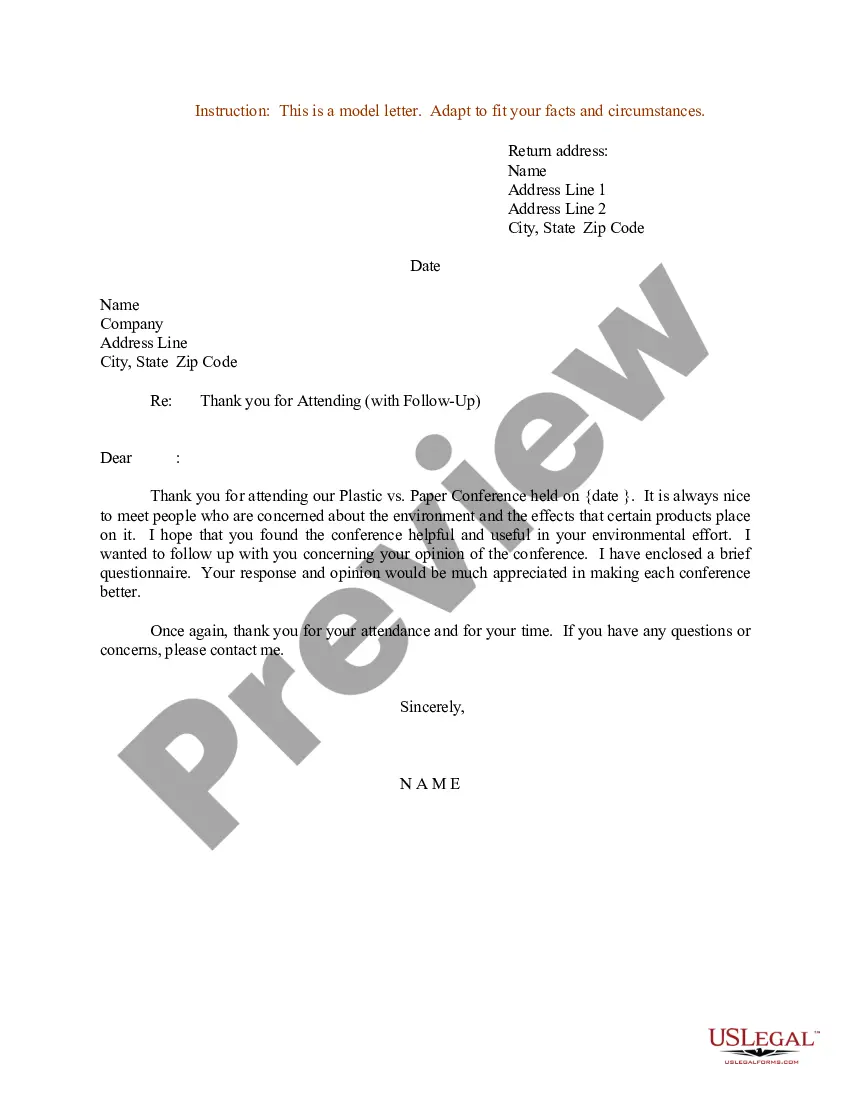
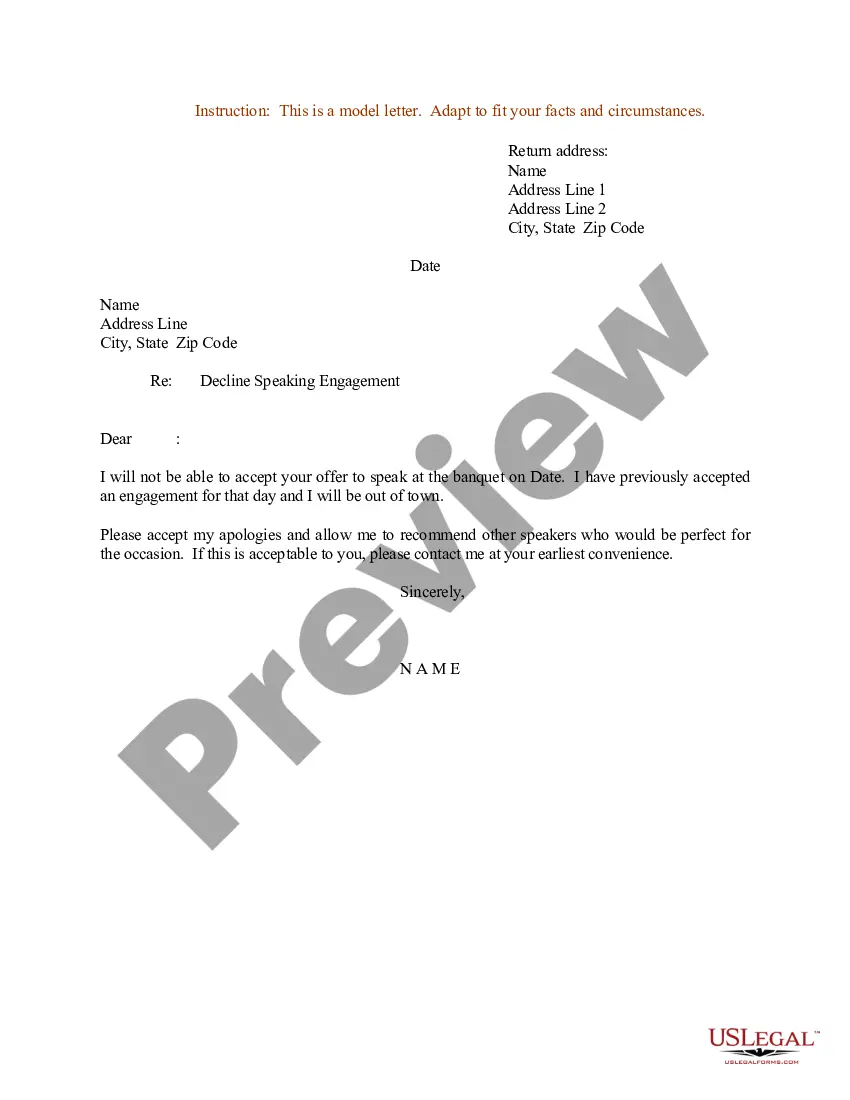
Get your form ready online
Our built-in tools help you complete, sign, share, and store your documents in one place.
Make edits, fill in missing information, and update formatting in US Legal Forms—just like you would in MS Word.
Download a copy, print it, send it by email, or mail it via USPS—whatever works best for your next step.
Sign and collect signatures with our SignNow integration. Send to multiple recipients, set reminders, and more. Go Premium to unlock E-Sign.
If this form requires notarization, complete it online through a secure video call—no need to meet a notary in person or wait for an appointment.
We protect your documents and personal data by following strict security and privacy standards.

Make edits, fill in missing information, and update formatting in US Legal Forms—just like you would in MS Word.

Download a copy, print it, send it by email, or mail it via USPS—whatever works best for your next step.

Sign and collect signatures with our SignNow integration. Send to multiple recipients, set reminders, and more. Go Premium to unlock E-Sign.

If this form requires notarization, complete it online through a secure video call—no need to meet a notary in person or wait for an appointment.

We protect your documents and personal data by following strict security and privacy standards.
Looking for another form?




Form popularity
FAQ
Contents Defining the purpose of the letter and the termination of the employment relationship. Establish the date of termination. Reference any applicable laws or contractual obligations. Outlining the rights and responsibilities of the employee and the employer.
The purpose of a disengagement letter is to clarify with the client the matters for which your firm will continue to have responsibility during the handover and those that will fall immediately to the new accountants.
A disengagement letter is especially critical when a lawyer decides not to continue past a specific stage in a case. The lawyer should send a disengagement letter to establish that the relationship is no longer continuing, and to refer the client to another lawyer.
A disengagement letter serves to make clear that a client has ceased to be a current client for conflict of interest analysis. We recommend lawyers include language about file destruction in all engagement letters and again in the disengagement letters.
Engagement letters are a daily requirement in fields like law, accounting, and consulting. They serve as a formal agreement outlining the scope of work, terms, and conditions between a professional and their client. If you haven't drafted one already, chances are you'll need to in the future.
An engagement letter is drafted by the company rendering the service, often with the help of a lawyer. It is than presented to the client, and both parties must sign in order for it to be legally binding.
A disengagement letter serves to formally notify a client that a professional service provider, such as a lawyer, is concluding their services. This letter is crucial for ensuring clarity and avoiding any misunderstandings about the ongoing nature of the relationship.
You need a form of engagement document, but you don't necessarily need customised letters. An engagement brochure meets the requirements of APES 220 Taxation Services and APES 305 Terms of Engagement. You should make sure the client acknowledges receipt.
I met with you on _________, 20__, and have also reviewed the various copies of documents you provided me. I herewith return those documents to you for your use. I appreciate the confidence you have expressed in our firm, but for various reasons the firm has decided not to represent you in this matter.
At a minimum, the non-engagement letter should clearly confirm that the licensee is not retained to provide legal services for the matter discussed at the consultation, identify the reasons for declining the retainer, and reference any applicable statute of limitations or upcoming court or tribunal dates.

