Letter Speaking Engagement Without Disclosures In Florida
Description
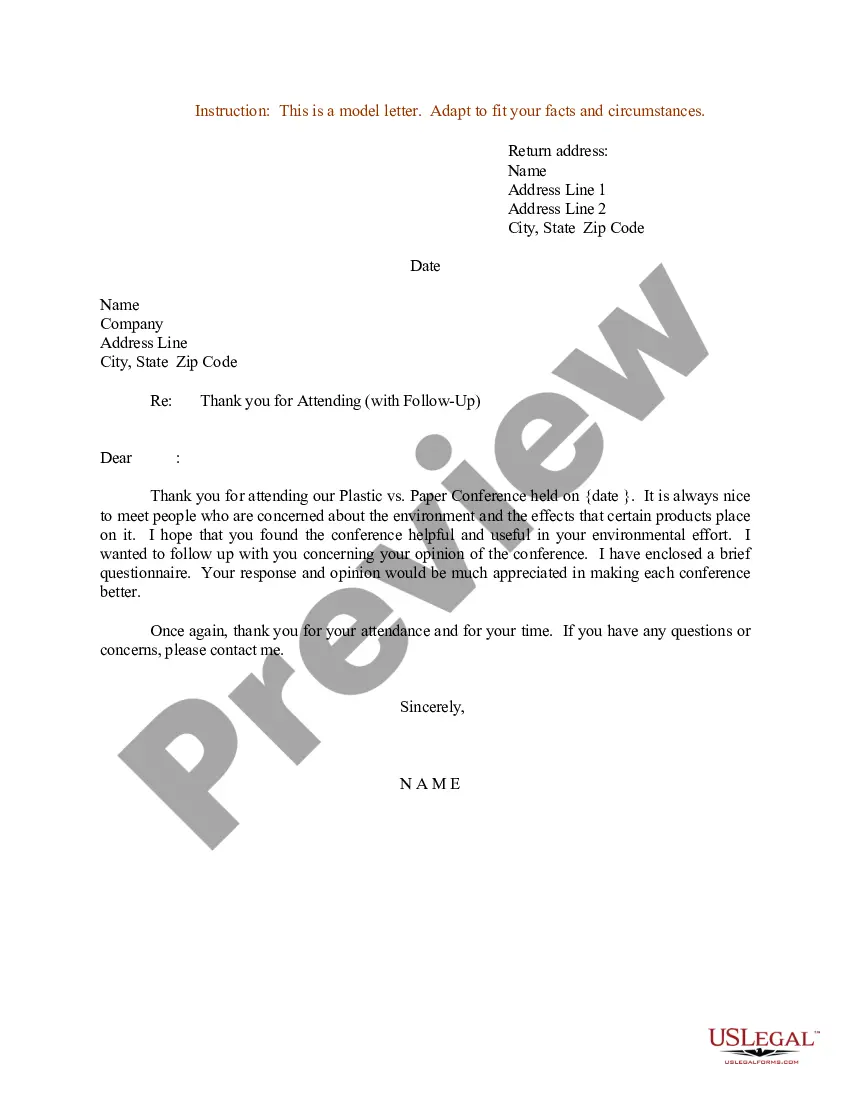
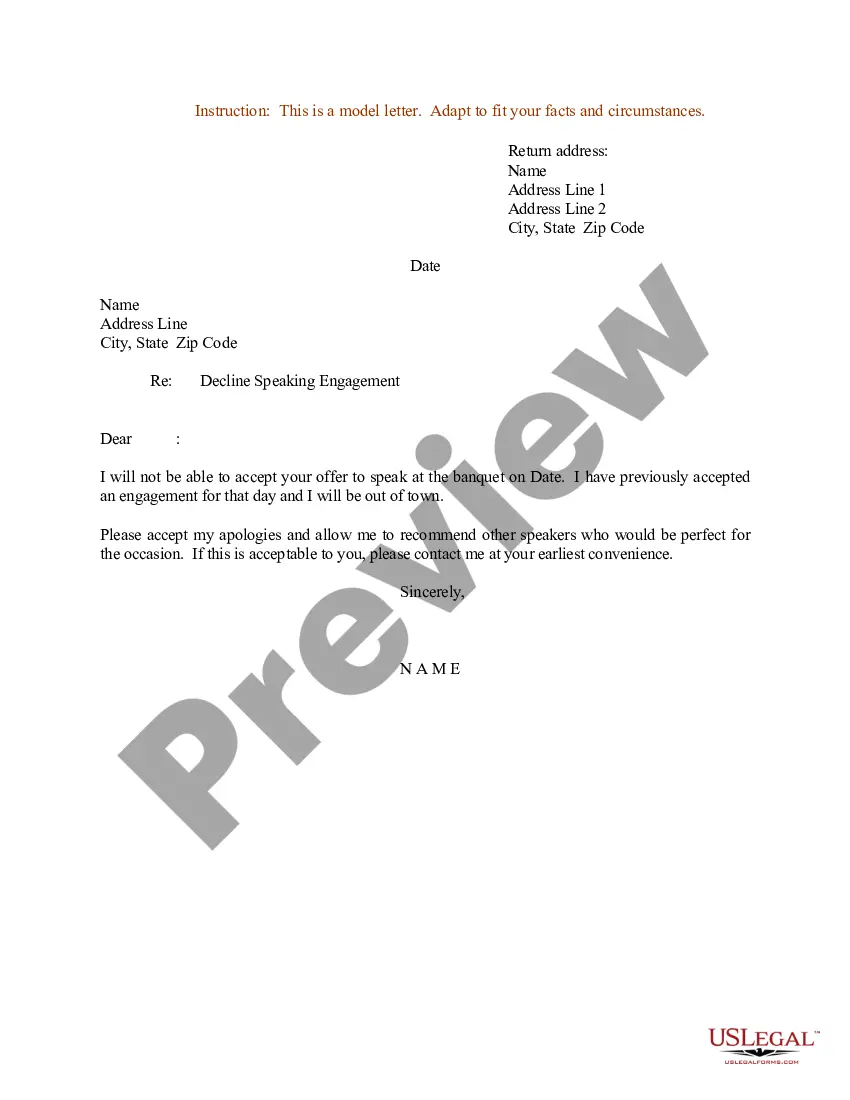
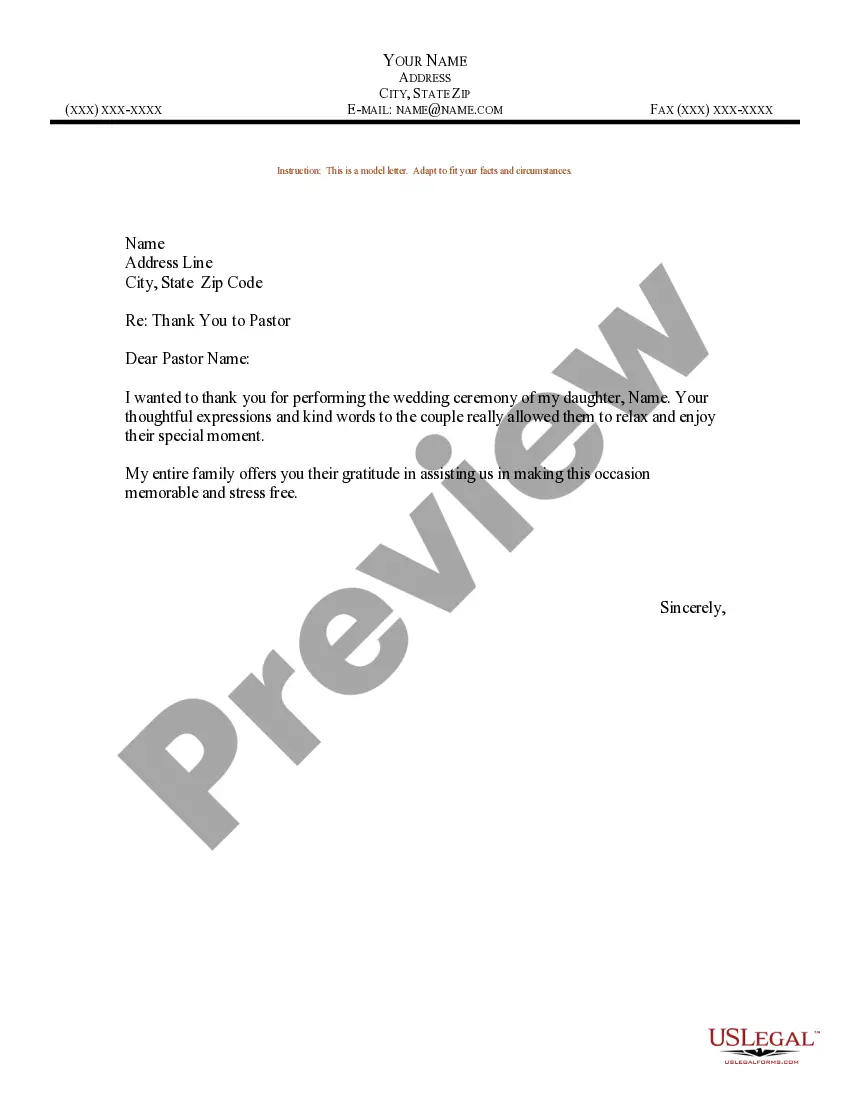
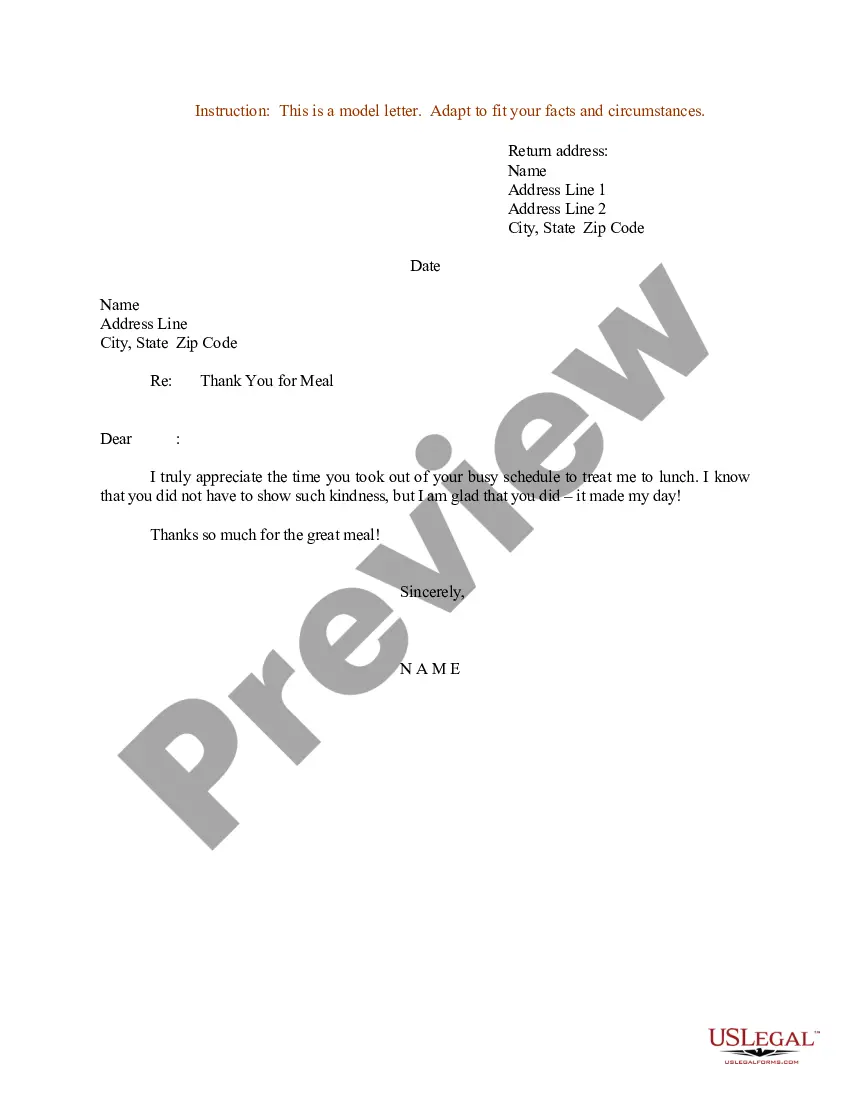
Get your form ready online
Our built-in tools help you complete, sign, share, and store your documents in one place.
Make edits, fill in missing information, and update formatting in US Legal Forms—just like you would in MS Word.
Download a copy, print it, send it by email, or mail it via USPS—whatever works best for your next step.
Sign and collect signatures with our SignNow integration. Send to multiple recipients, set reminders, and more. Go Premium to unlock E-Sign.
If this form requires notarization, complete it online through a secure video call—no need to meet a notary in person or wait for an appointment.
We protect your documents and personal data by following strict security and privacy standards.

Make edits, fill in missing information, and update formatting in US Legal Forms—just like you would in MS Word.

Download a copy, print it, send it by email, or mail it via USPS—whatever works best for your next step.

Sign and collect signatures with our SignNow integration. Send to multiple recipients, set reminders, and more. Go Premium to unlock E-Sign.

If this form requires notarization, complete it online through a secure video call—no need to meet a notary in person or wait for an appointment.

We protect your documents and personal data by following strict security and privacy standards.
Looking for another form?





Form popularity
FAQ
Chapter 720 of the Florida Statutes governs homeowners' associations (HOAs) in Florida. Unlike iniums or cooperatives, homeowners' associations typically govern single-family homes in a specific development or community.
Florida Statutes 119.071 (4) allows Clerks to make certain information in public records, including official records, confidential when requested by individuals in certain qualifying professions, as well as their spouses and/or children.
Florida's public meetings law, section 286.011, Florida Statutes, commonly referred to as the Sunshine Law, provides a right of access to governmental proceedings at both the state and local levels.
Stat. § 119.0725. Section 119.0725 - Agency cybersecurity information; public records exemption; public meetings exemption (1) As used in this section, the term: (a) "Breach" means unauthorized access of data in electronic form containing personal information.
Under Rule 4-1.6, a lawyer may only disclose information relating to the representation if the lawyer has the client's informed consent or one of the exceptions stated in subdivisions (b) or (c) applies.
As provided by s. 119.071, Florida Statutes, certain information maintained by state agencies is exempt from public disclosure, and is therefore deemed confidential. This includes social security numbers, medical and financial information.
Records exempt from public records disclosure include: Lists of retirees' names or addresses. Social Security numbers of current and former members. Birth certificates and cause of death on death certificates.
If an appeal has been taken from a judgment of any court or before the taking of an appeal if the time therefor has not expired, the court in which the judgment was rendered may allow the taking of the depositions of witnesses to perpetuate their testimony for use in the event of further proceedings in the court.
1.270(a), “(w)hen actions involving a common question of law or fact are pending before the court, it may order a joint hearing or trial of any or all the matters in issue in the actions; it may order all the actions consolidated; and it may make such orders concerning proceedings therein as may tend to avoid ...
The working group's professionalism proposal, Rule 1.279: Standards of Conduct for Discovery, cautions against “surprise tactics, delay, trickery, and concealment of discoverable information” and reminds attorneys that “not meeting discovery obligations by delay, obstructing the truth, or failing to be candid with the ...

