Sample Speaking Engagement Agreement With Lawyer In Cuyahoga
Description
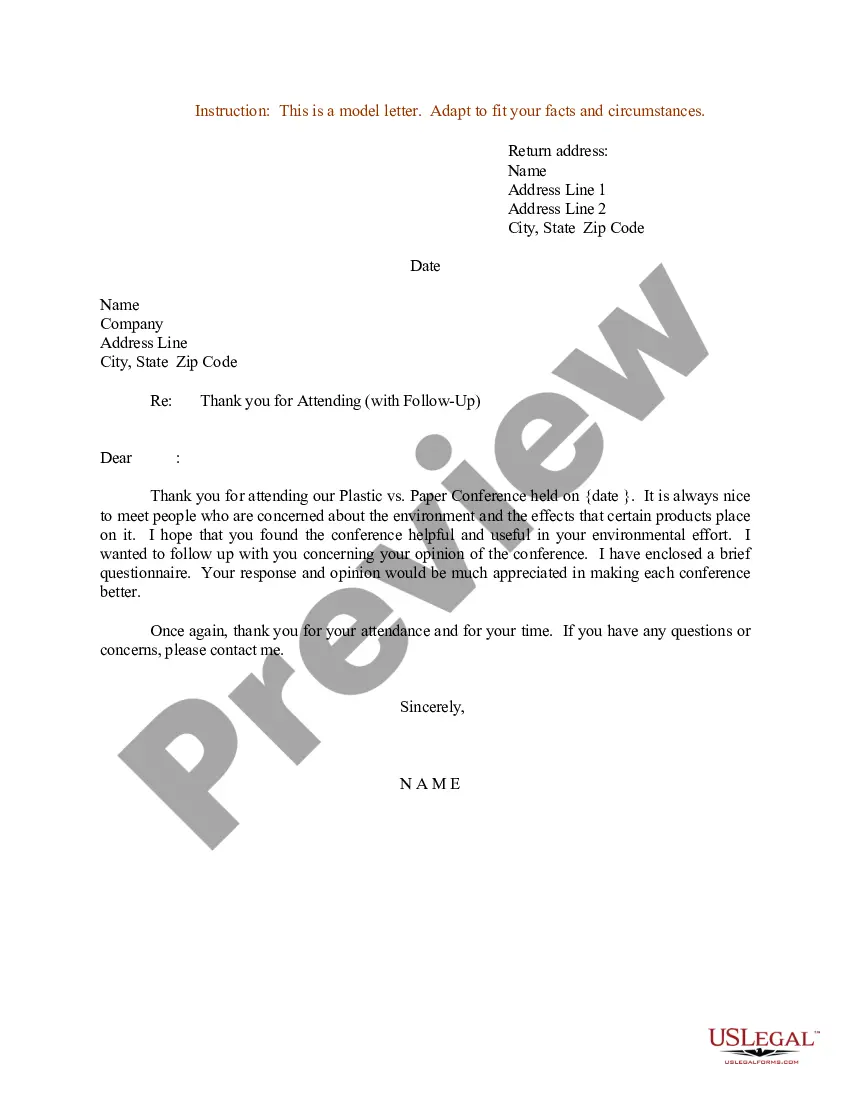
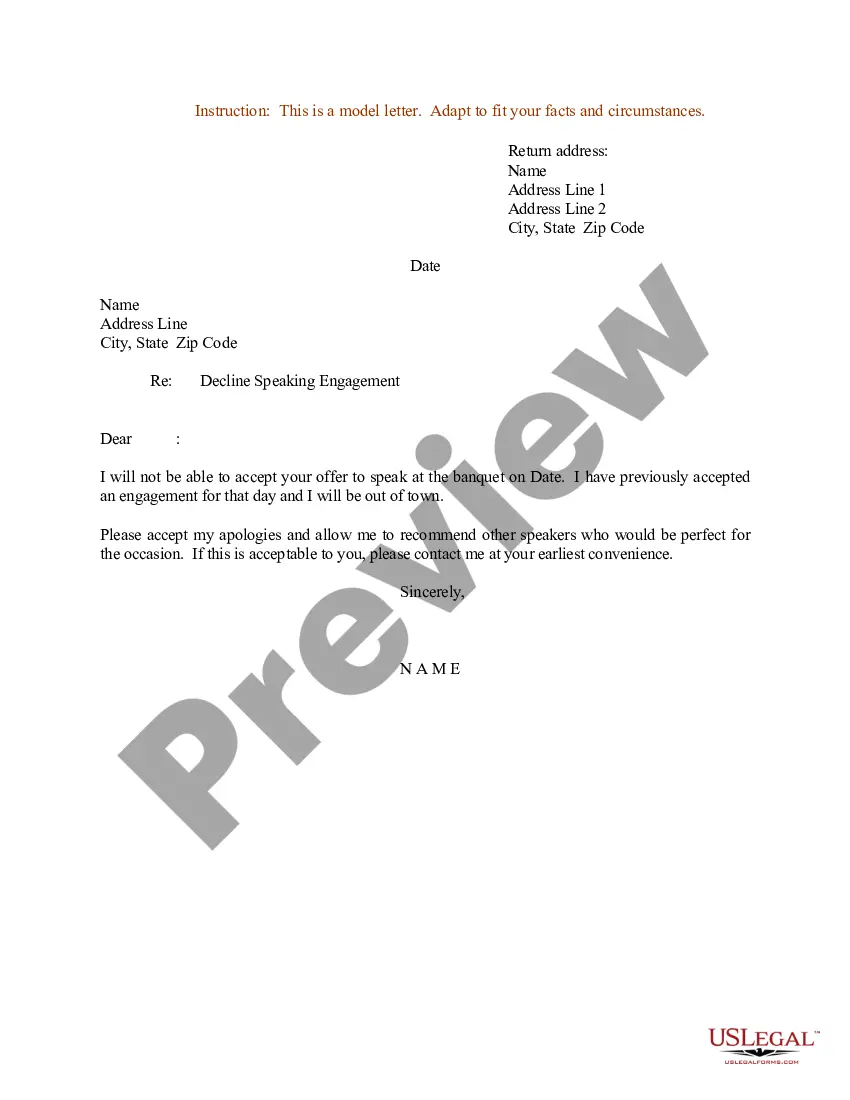
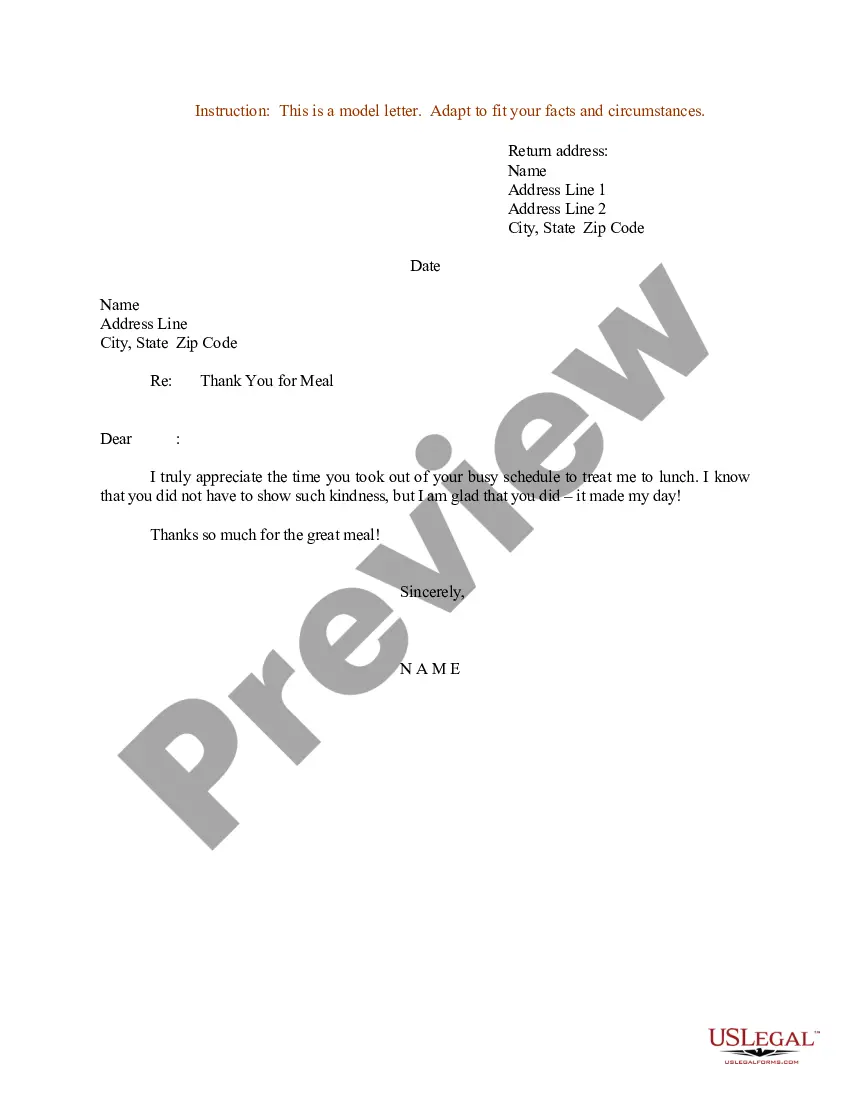
Get your form ready online
Our built-in tools help you complete, sign, share, and store your documents in one place.
Make edits, fill in missing information, and update formatting in US Legal Forms—just like you would in MS Word.
Download a copy, print it, send it by email, or mail it via USPS—whatever works best for your next step.
Sign and collect signatures with our SignNow integration. Send to multiple recipients, set reminders, and more. Go Premium to unlock E-Sign.
If this form requires notarization, complete it online through a secure video call—no need to meet a notary in person or wait for an appointment.
We protect your documents and personal data by following strict security and privacy standards.

Make edits, fill in missing information, and update formatting in US Legal Forms—just like you would in MS Word.

Download a copy, print it, send it by email, or mail it via USPS—whatever works best for your next step.

Sign and collect signatures with our SignNow integration. Send to multiple recipients, set reminders, and more. Go Premium to unlock E-Sign.

If this form requires notarization, complete it online through a secure video call—no need to meet a notary in person or wait for an appointment.

We protect your documents and personal data by following strict security and privacy standards.
Looking for another form?










Form popularity
FAQ
Engagement letters help prevent miscommunication and disputes down the road by clearly defining the relationship's terms from the onset. For accounting firms, engagement letters aren't just a best practice. They're an absolute necessity to protect both the firm and its clients.
A more thorough explanation: Definition: Engagement refers to a contract or agreement between two parties where they make mutual promises.
What Is an Engagement Letter? An engagement letter is a written agreement that describes the business relationship to be entered into by a client and a company. The letter details the scope of the agreement, its terms, and costs. The purpose of an engagement letter is to set expectations on both sides of the agreement.
Engagement letters put the details of a company-client relationship into writing. Though they are less formal than a traditional contract, engagement letters are still official, legally-binding agreements—and a well-structured, detailed engagement letter is a valuable document for everyone involved.
Retainer agreements (also referred to as representation agreements) are a type of compensation agreement with lawyers either for reserving their employment or as compensation for future services. Also inside the agreement are details on the scope and procedure for the representation.
An Engagement Letter is a document that sets out the business relationship between a client and a company. This letter serves as an agreement between the two parties on the terms of their engagement. This includes details on the services being offered, client responsibilities, deadlines and compensation.
Engagement documentation, also known as audit documentation or audit working papers, refers to the records and files that auditors compile during an audit to support their audit procedures, findings, conclusions, and opinions.
Tips for a Good Speaker Engagement Proposal Understand the Audience and Theme. Make an Impact on the First Page. Clear and Engaging Title. Define Learning Objectives. Detailed Session Description. Highlight Relevance and Timeliness. Demonstrate Expertise. Keep your Contract and Proposal Separate.
Reach Out to Contacts: Inform colleagues, friends, and professional contacts that you are available for speaking engagements. Ask for Referrals: Encourage your network to recommend you to event organizers. Create a Compelling Pitch: Outline your speaking topics, what attendees will learn, and your unique perspective.
How to get speaking engagements Get clear on why you want to speak. Listen to a lot of talks from speakers that you admire. Come up with 3-5 talk ideas. Prepare an outline for each talk idea. Build your event list. Slide into event organizers' DMs. Email your pitch. Turn your outline into a speaker proposal.
