Letter Engagement Statement Withdrawal In Cook
Description
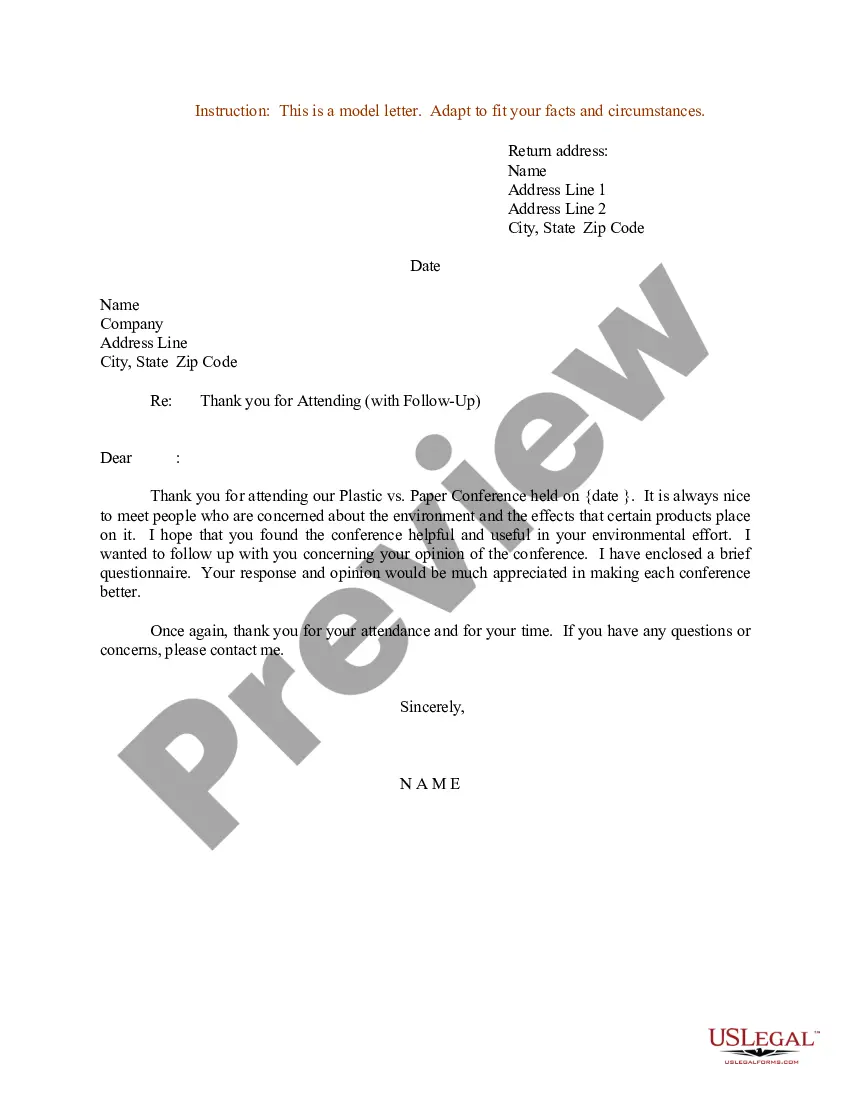
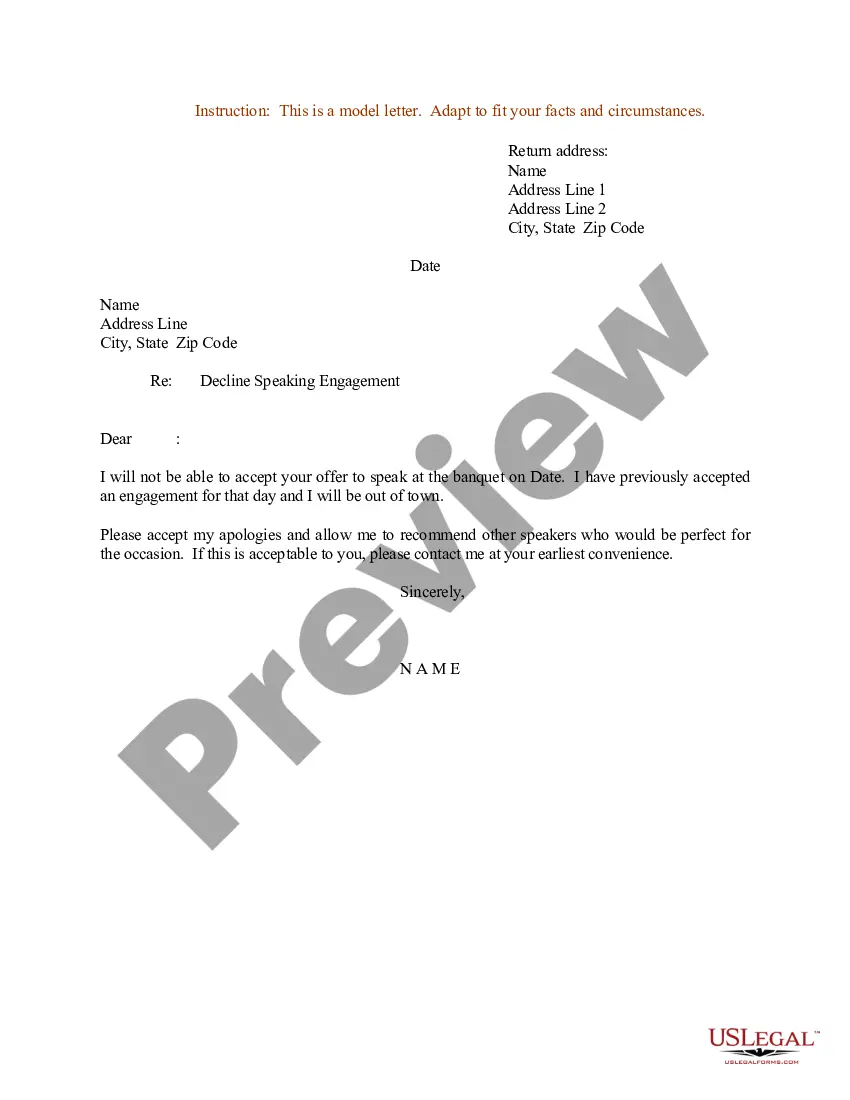
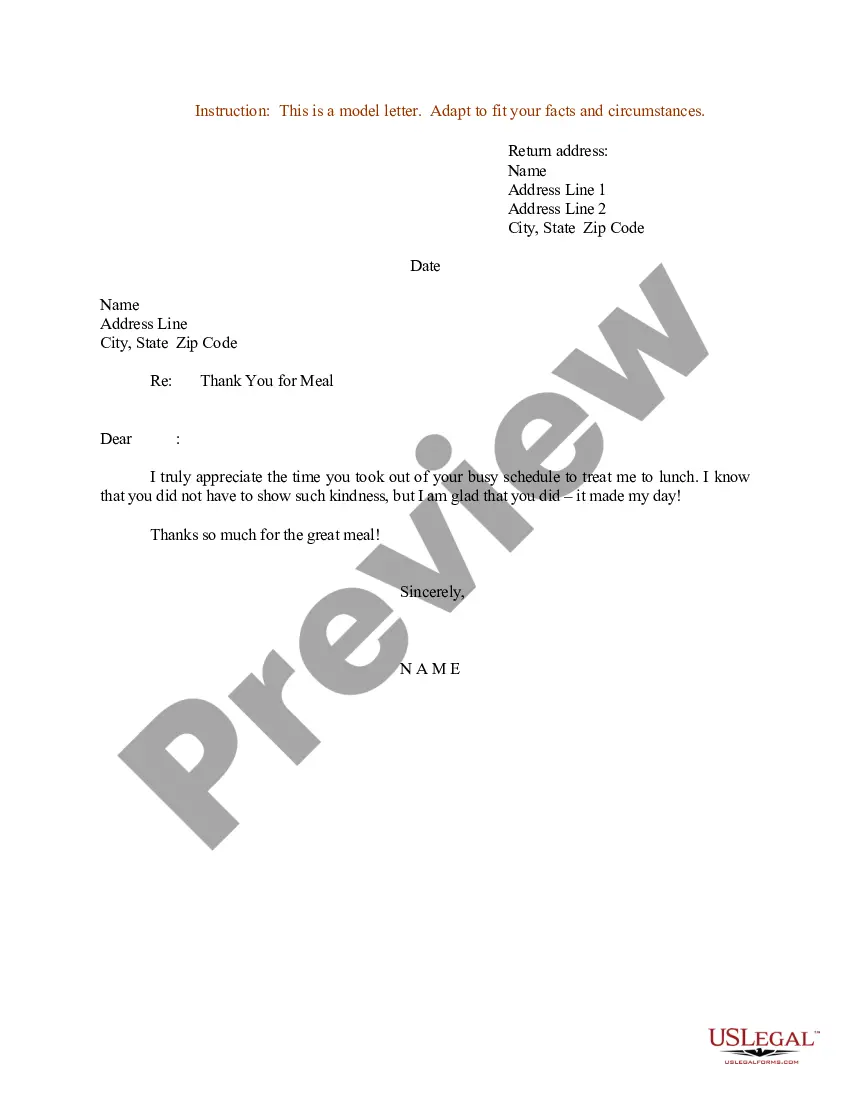
Get your form ready online
Our built-in tools help you complete, sign, share, and store your documents in one place.
Make edits, fill in missing information, and update formatting in US Legal Forms—just like you would in MS Word.
Download a copy, print it, send it by email, or mail it via USPS—whatever works best for your next step.
Sign and collect signatures with our SignNow integration. Send to multiple recipients, set reminders, and more. Go Premium to unlock E-Sign.
If this form requires notarization, complete it online through a secure video call—no need to meet a notary in person or wait for an appointment.
We protect your documents and personal data by following strict security and privacy standards.

Make edits, fill in missing information, and update formatting in US Legal Forms—just like you would in MS Word.

Download a copy, print it, send it by email, or mail it via USPS—whatever works best for your next step.

Sign and collect signatures with our SignNow integration. Send to multiple recipients, set reminders, and more. Go Premium to unlock E-Sign.

If this form requires notarization, complete it online through a secure video call—no need to meet a notary in person or wait for an appointment.

We protect your documents and personal data by following strict security and privacy standards.
Looking for another form?









Form popularity
FAQ
Engagement letters should be issued to the client at the outset of an engagement and also when the scope of services changes significantly. New letters or revised schedules may be needed if, for example, there are changes to the standard terms and conditions, to the scope of services or to the basis for charging fees.
An engagement letter protects the firm by provide a record of the contract between your firm and the client, and minimises the risk of any future misunderstandings between the parties.
An engagement letter is a written agreement that describes the business relationship to be entered into by a client and a company. The letter details the scope of the agreement, its terms, and costs. The purpose of an engagement letter is to set expectations on both sides of the agreement.
Engagement letters for your accounting or CPA firm is a legal document agreement sent to your clients that describes the overall business relationship with your client, clearly defining: Services included and how they'll play out. Each other's responsibilities. The clearly-defined scope of your work.
Engagement letters should be issued to the client at the outset of an engagement and also when the scope of services changes significantly. New letters or revised schedules may be needed if, for example, there are changes to the standard terms and conditions, to the scope of services or to the basis for charging fees.
Due to brief rationale for withdrawal, I hereby wish to withdraw my manuscript from publication consideration. After careful consideration, I have decided to withdraw the manuscript due to briefly state reasons. I highly appreciate the time and effort you and the reviewers dedicated to evaluating my work.
Letters of engagement are mandatory. On accepting an appointment, the practitioner must send the client a letter of engagement. This forms the basis of a contractual relationship between the practitioner and the client.
How to write a letter of withdrawal Notify the employer right away. Be honest and clear. Thank the employer for their time. Provide your contact information. Keep your options open.
For an engagement letter to be binding, there must be agreement to the terms on both sides. The engagement letter is drafted and, in most cases, signed by the firm, therefore there is clear evidence of the agreement of the contents of the letter on the firm's side.
It should be reviewed every year to ensure that it is up to date but does not need to be reissued every year unless there are changes to the terms of the engagement. The auditor must issue a new engagement letter if the scope or context of the assignment changes after initial appointment.

