Engagement Letter With Retainer In Alameda
Description
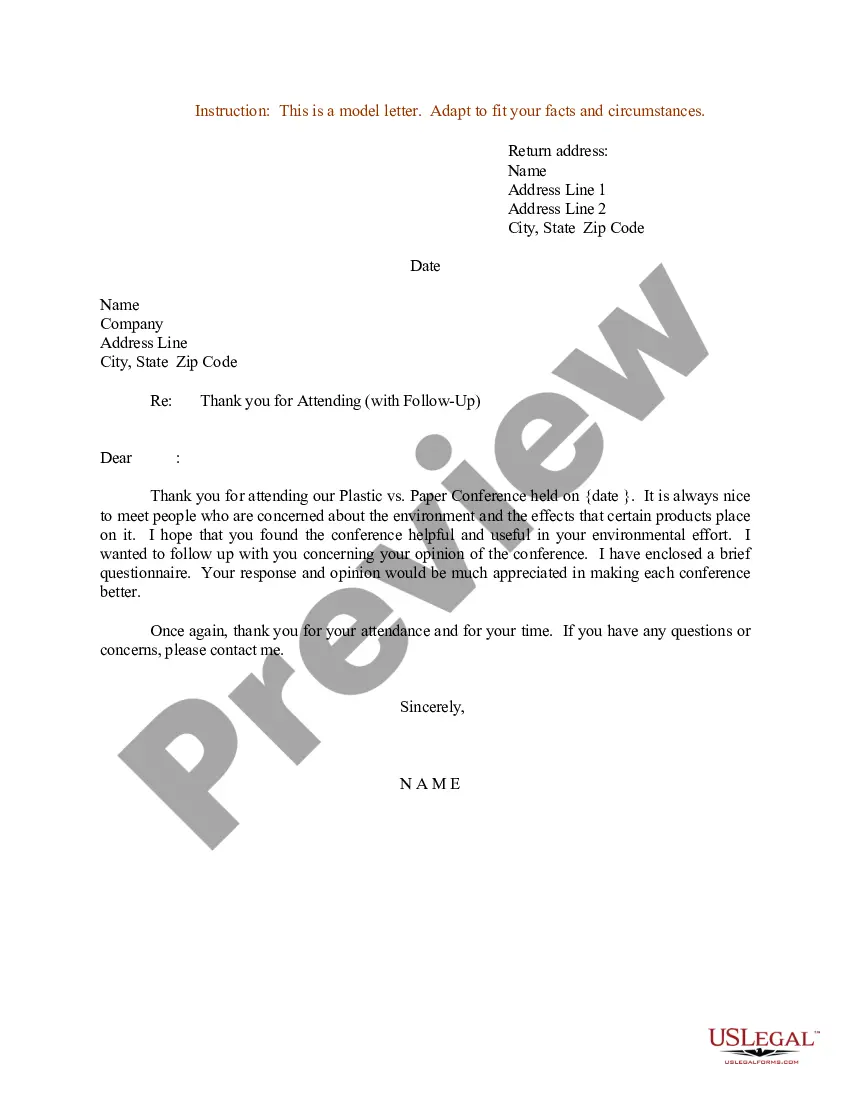
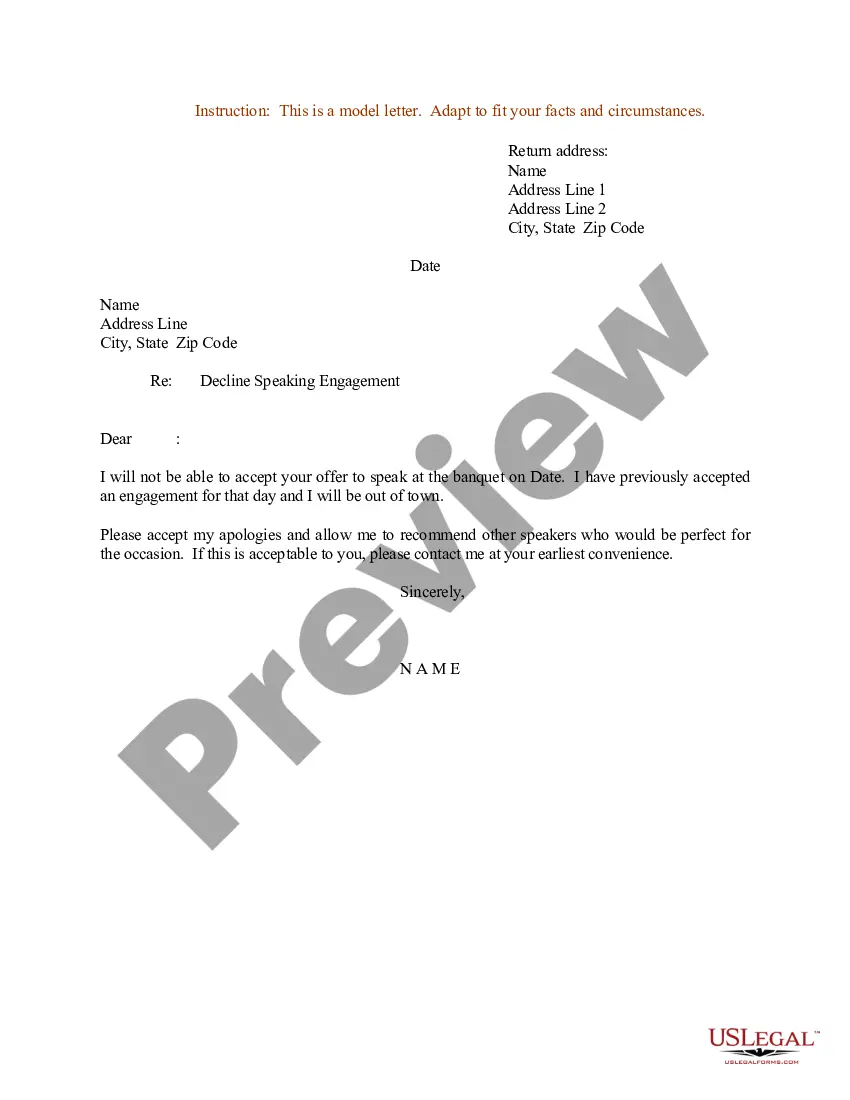
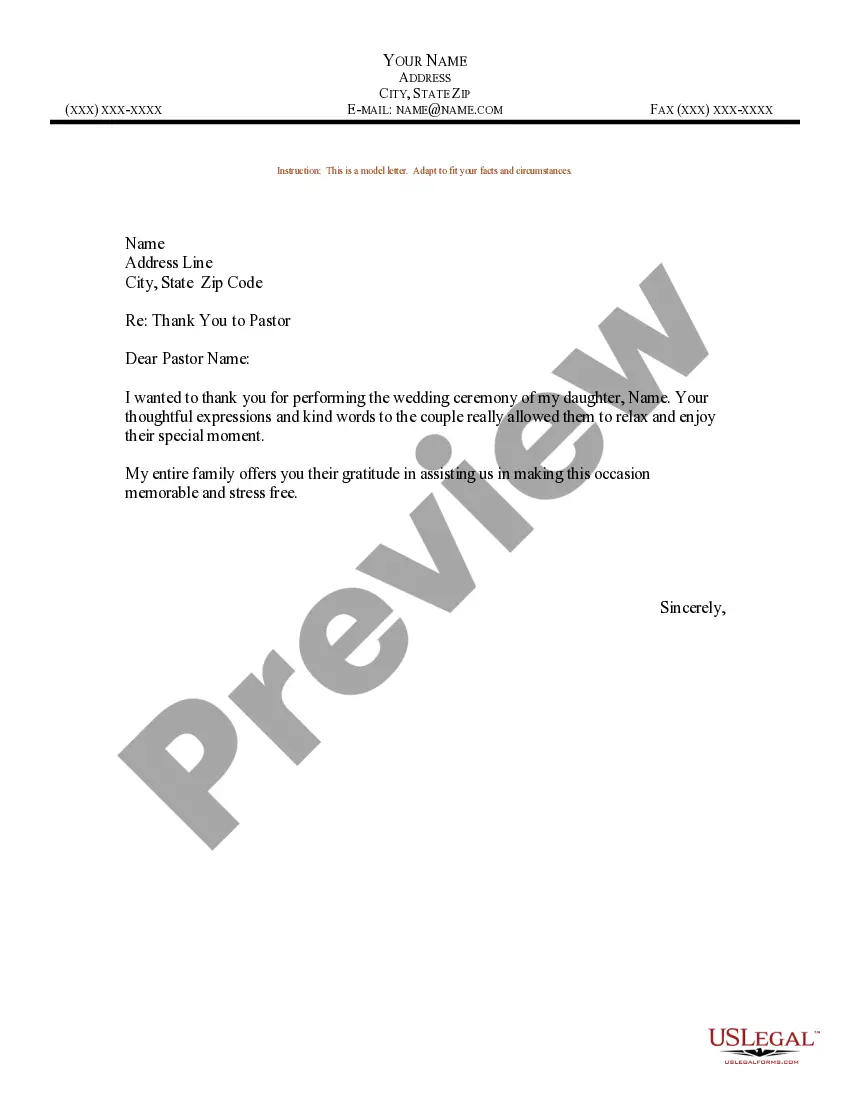
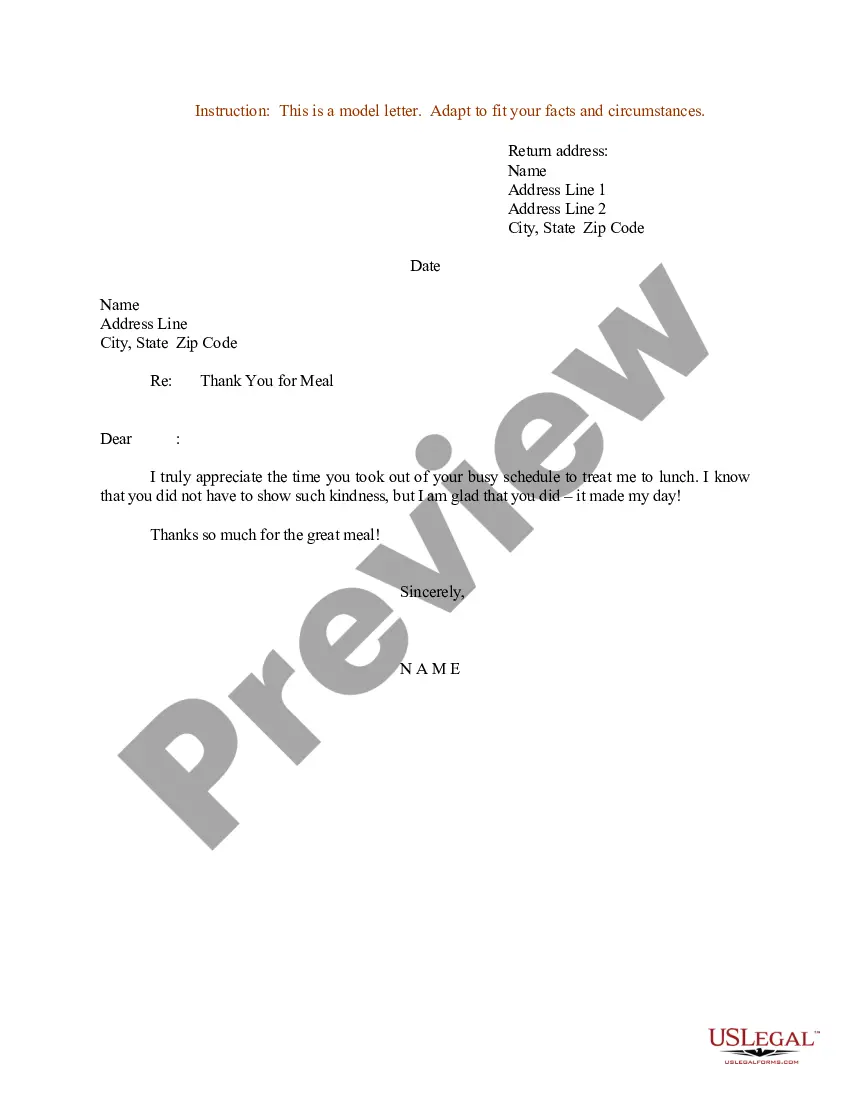
Get your form ready online
Our built-in tools help you complete, sign, share, and store your documents in one place.
Make edits, fill in missing information, and update formatting in US Legal Forms—just like you would in MS Word.
Download a copy, print it, send it by email, or mail it via USPS—whatever works best for your next step.
Sign and collect signatures with our SignNow integration. Send to multiple recipients, set reminders, and more. Go Premium to unlock E-Sign.
If this form requires notarization, complete it online through a secure video call—no need to meet a notary in person or wait for an appointment.
We protect your documents and personal data by following strict security and privacy standards.

Make edits, fill in missing information, and update formatting in US Legal Forms—just like you would in MS Word.

Download a copy, print it, send it by email, or mail it via USPS—whatever works best for your next step.

Sign and collect signatures with our SignNow integration. Send to multiple recipients, set reminders, and more. Go Premium to unlock E-Sign.

If this form requires notarization, complete it online through a secure video call—no need to meet a notary in person or wait for an appointment.

We protect your documents and personal data by following strict security and privacy standards.
Looking for another form?







Form popularity
FAQ
1. As noted above, a retainer agreement is a letter of engagement countersigned by both the attorney and the client, and contains all the elements that letters of engagement must contain.
As the name suggests, an engagement letter is a binding contract that sets the record straight for any business relationship. Much like a handshake, this letter sets the stage, defining the professional tango between attorney and client, ensuring both parties are in perfect sync throughout the legal journey.
A retainer agreement is a long-term work-for-hire contract between a company and a client that retains ongoing services from you (as a consulting business) and provides you with a stable amount of payments.
If either you or your attorney terminate the relationship before the retainer is exhausted, and if allowed by the agreement and applicable laws, the remaining portion of the retainer may be refundable. Ensure the termination terms in your agreement are clear and consult a legal professional if needed.
The retainer agreement does not bind you to your lawyer. You can terminate the client-attorney relationship at any time. You are the principal and your lawyer is your agent–this means that you are the boss. When you want to terminate the relationship with your lawyer, all you have to do is tell them, “You're fired.”
Retainer fees are often determined during confidential consultations between attorneys and clients. Disclosing or discussing these fees without proper authorization from the client would violate their privacy rights and undermine the trust and confidentiality expected in attorney-client relationships.
Tell them you've been thinking about how a long-term arrangement would help them better accomplish their business goals. Then, if they're open to the idea, offer to write up a monthly retainer proposal that lays out everything you'd provide—and the value of working with you on a long-term basis.
This is a legal contract between the law firm and the client setting forth the terms of the legal services to be provided and how the client will be charged for the services.
Once a contract or retainer agreement has been signed between both parties, there's no question that privilege applies. Nonetheless, it generally starts before a contract is officially signed, even if you ultimately do not hire the attorney you had a consultation with.
Once a contract or retainer agreement has been signed between both parties, there's no question that privilege applies. Nonetheless, it generally starts before a contract is officially signed, even if you ultimately do not hire the attorney you had a consultation with.

