Contract Workshops With Living Quarters In Wake
Description

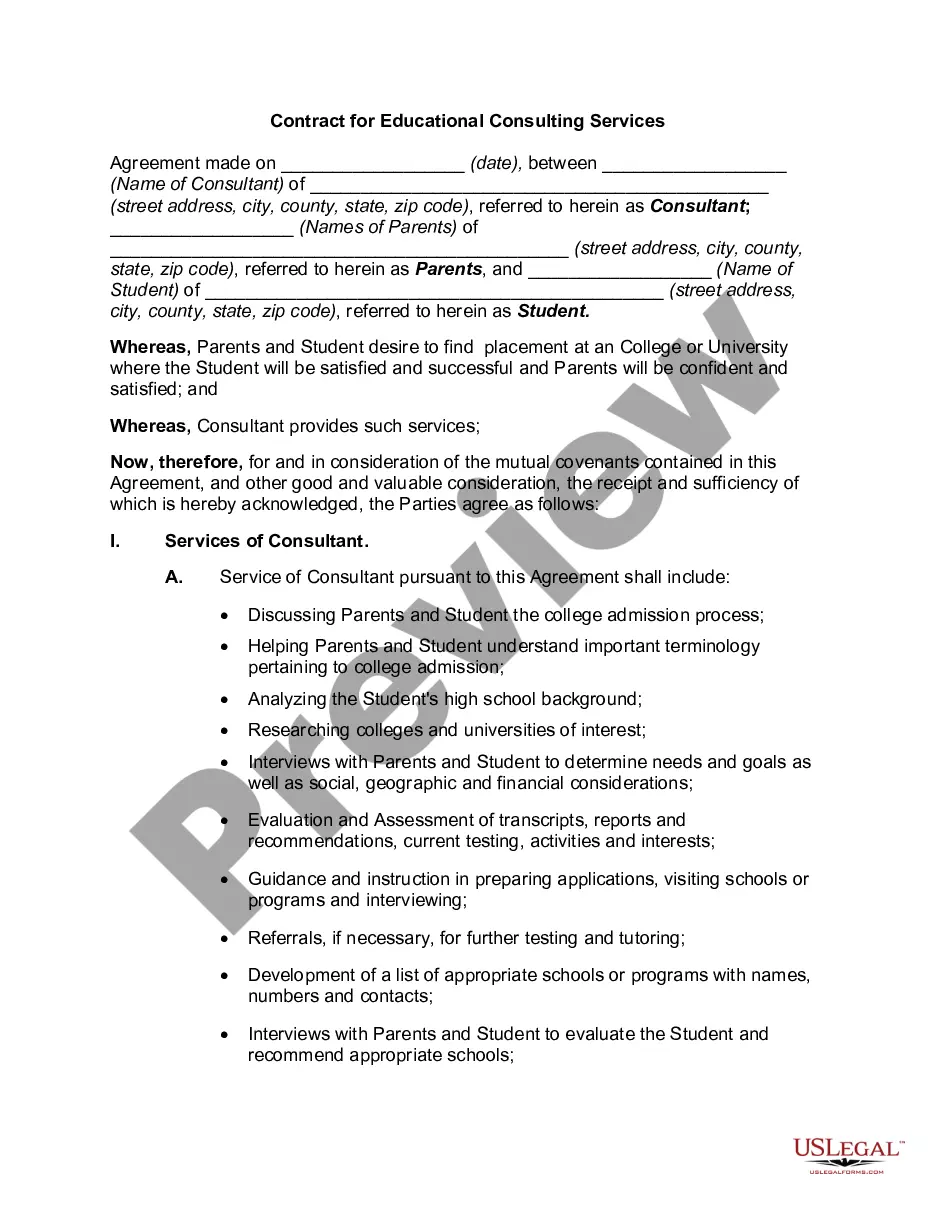
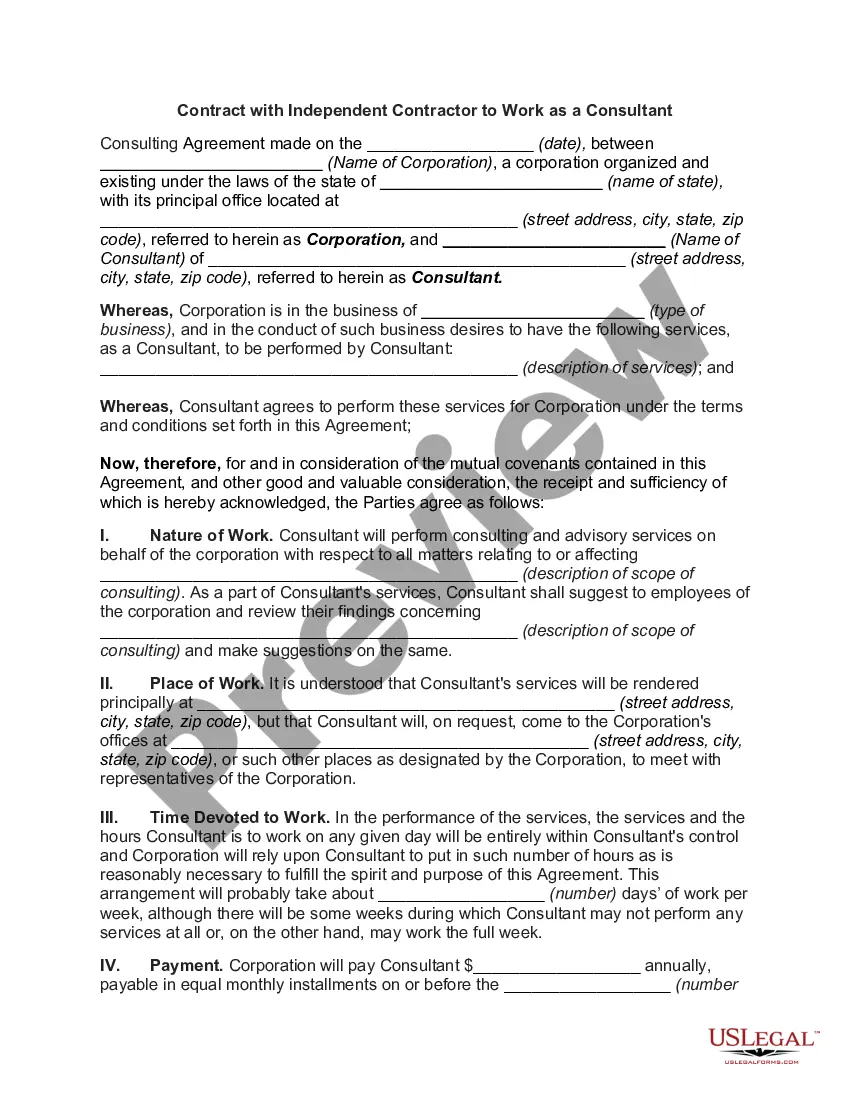
Get your form ready online
Our built-in tools help you complete, sign, share, and store your documents in one place.
Make edits, fill in missing information, and update formatting in US Legal Forms—just like you would in MS Word.
Download a copy, print it, send it by email, or mail it via USPS—whatever works best for your next step.
Sign and collect signatures with our SignNow integration. Send to multiple recipients, set reminders, and more. Go Premium to unlock E-Sign.
If this form requires notarization, complete it online through a secure video call—no need to meet a notary in person or wait for an appointment.
We protect your documents and personal data by following strict security and privacy standards.

Make edits, fill in missing information, and update formatting in US Legal Forms—just like you would in MS Word.

Download a copy, print it, send it by email, or mail it via USPS—whatever works best for your next step.

Sign and collect signatures with our SignNow integration. Send to multiple recipients, set reminders, and more. Go Premium to unlock E-Sign.

If this form requires notarization, complete it online through a secure video call—no need to meet a notary in person or wait for an appointment.

We protect your documents and personal data by following strict security and privacy standards.
Looking for another form?









Form popularity
FAQ
Woodworking in an apartment is feasible, especially with hand tools and proper dust control measures. Consider setting up a dedicated workspace, using dust collection systems, and cleaning regularly to minimize mess.
When it comes to woodworking in a small space, smaller and simpler projects are usually best. Instead of building large pieces of furniture (like a full-size table), try making smaller items like picture frames or cutting boards. Alternatively, you can try different reclaimed wood projects! Stay organized.
If you live in an apartment or have limited space, you can still get started in woodworking by setting up a small workspace in a corner of your home or even on a balcony or outdoor area. Look for compact tools like a jigsaw, hand planes, and a small workbench that can be easily stored when not in use.
Of course. I used to do all my woodworking on my patio or driveway until we moved to a house with a basement. You will need to be mindful of bothering the neighbors, as you suggest, but just quit at a reasonable time and it should be okay.
How to Create a Planned Maintenance Contract Full name and details of service provider and client. The type of maintenance. A disclosed scope of work. A service schedule. Payment terms. Warranties and guarantees. Information regarding legal disputes. Details on contract termination.
Woodworking is possible in an apartment. All you need to do is to select the right tools (including the right clamps for DIY wood projects. You should consider using hand tools to minimize dust and noise. You will be surprised at the variety of wood projects that you can work on in a small space.
Legalities of Living in a Commercial Space Now, delving into the legalities, it's typically illegal to reside in a property zoned as commercial.
Unless a commercial real estate property is defined as mixed use—for example, tenants living above storefronts—it is intended to be for business operations only, not for residential use.
Commercial properties involve tenants that are businesses or multifamily apartments with five or more units. Residential properties are those where people live, such as single-family homes, duplexes, triplexes, or apartment buildings with four or fewer units.
And safety standards for residential. Living attempting to live on commercial property can lead toMoreAnd safety standards for residential. Living attempting to live on commercial property can lead to legal. Issues fines and eviction as it violates zoning laws.
