Training Contract For 2023 In Pennsylvania
Description

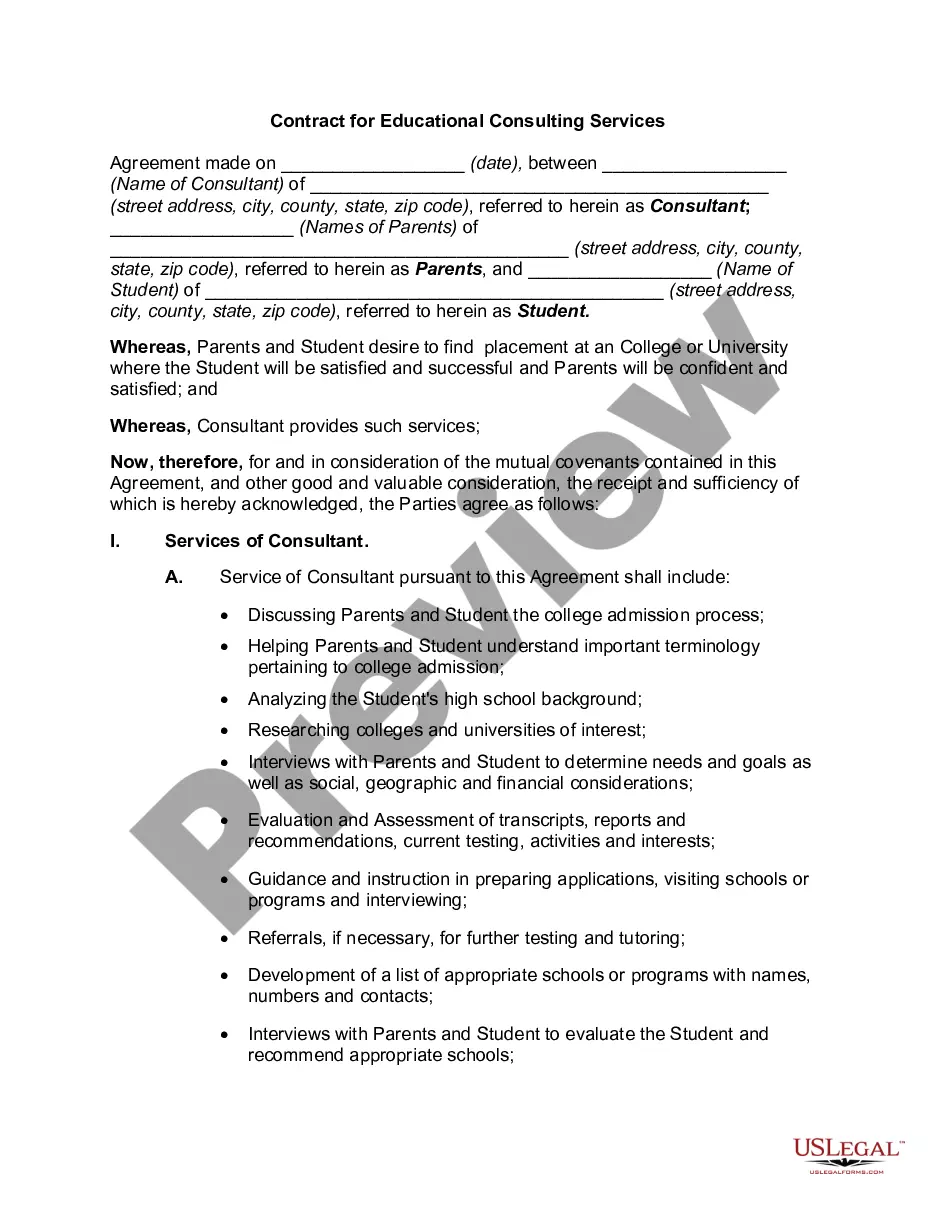
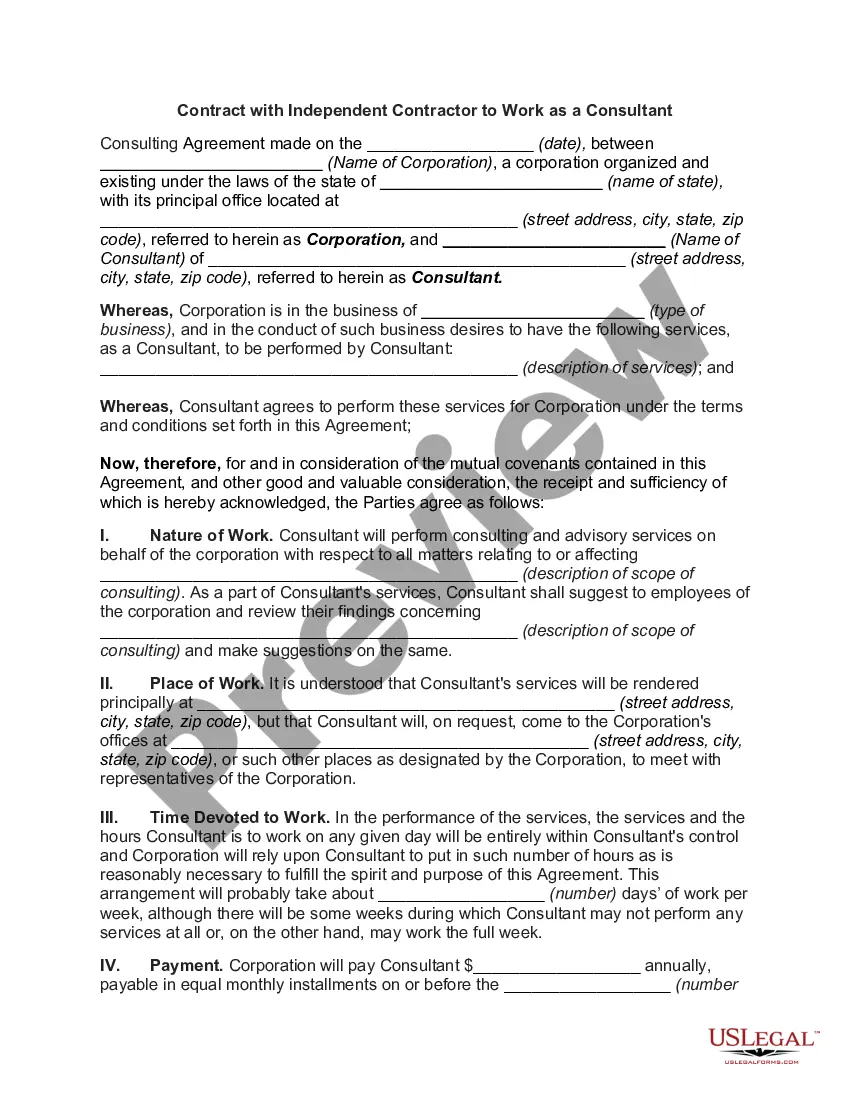
Get your form ready online
Our built-in tools help you complete, sign, share, and store your documents in one place.
Make edits, fill in missing information, and update formatting in US Legal Forms—just like you would in MS Word.
Download a copy, print it, send it by email, or mail it via USPS—whatever works best for your next step.
Sign and collect signatures with our SignNow integration. Send to multiple recipients, set reminders, and more. Go Premium to unlock E-Sign.
If this form requires notarization, complete it online through a secure video call—no need to meet a notary in person or wait for an appointment.
We protect your documents and personal data by following strict security and privacy standards.

Make edits, fill in missing information, and update formatting in US Legal Forms—just like you would in MS Word.

Download a copy, print it, send it by email, or mail it via USPS—whatever works best for your next step.

Sign and collect signatures with our SignNow integration. Send to multiple recipients, set reminders, and more. Go Premium to unlock E-Sign.

If this form requires notarization, complete it online through a secure video call—no need to meet a notary in person or wait for an appointment.

We protect your documents and personal data by following strict security and privacy standards.
Looking for another form?








Form popularity
FAQ
The training plan sets out the commitment of the provider, employer, and apprentice and records key details. It must include: the planned content and schedule for training. what is expected and offered by the employer, the training provider and the apprentice.
APPRENTICESHIP AND TRAINING ACT, THE. Relating to apprenticeship and training; creating a State Apprenticeship and Training Council in the Department of Labor and Industry to formulate an apprenticeship and training policy and program, and defining its powers and duties and providing for administration.
In ance with the Apprenticeship and Training Act of 1961, a State Apprenticeship and Training Council exists in PA as a departmental agency in the Department of Labor and Industry to act as the approving agency of registration for proposed Apprenticeship programs.
The main difference is that a traineeship is offered in a broader range of occupations and is shorter - typically over one or two years. An apprenticeship covers skilled trades and takes a lot longer - usually three to four years, either full or part-time.
What is the Apprentices Act 1961? Apprentice Act expects to advance a new workforce at abilities and improvement and refinement of old aptitudes through theoretical and practical training in various industries.
Offer and Acceptance: One party must make an offer, and the other must accept it. Mutual Consent: Both parties agree to the terms without coercion. Contract law often refers to this condition as a "meeting of the minds." Competence: The parties must have the legal capacity to agree.
At-will employment allows both employers and employees to end their working relationship at any time, for any reason, or for no reason at all. This means an employee can quit without giving notice, and an employer can terminate employment without providing a reason.
