Contract For Training Employee In Ohio
Description


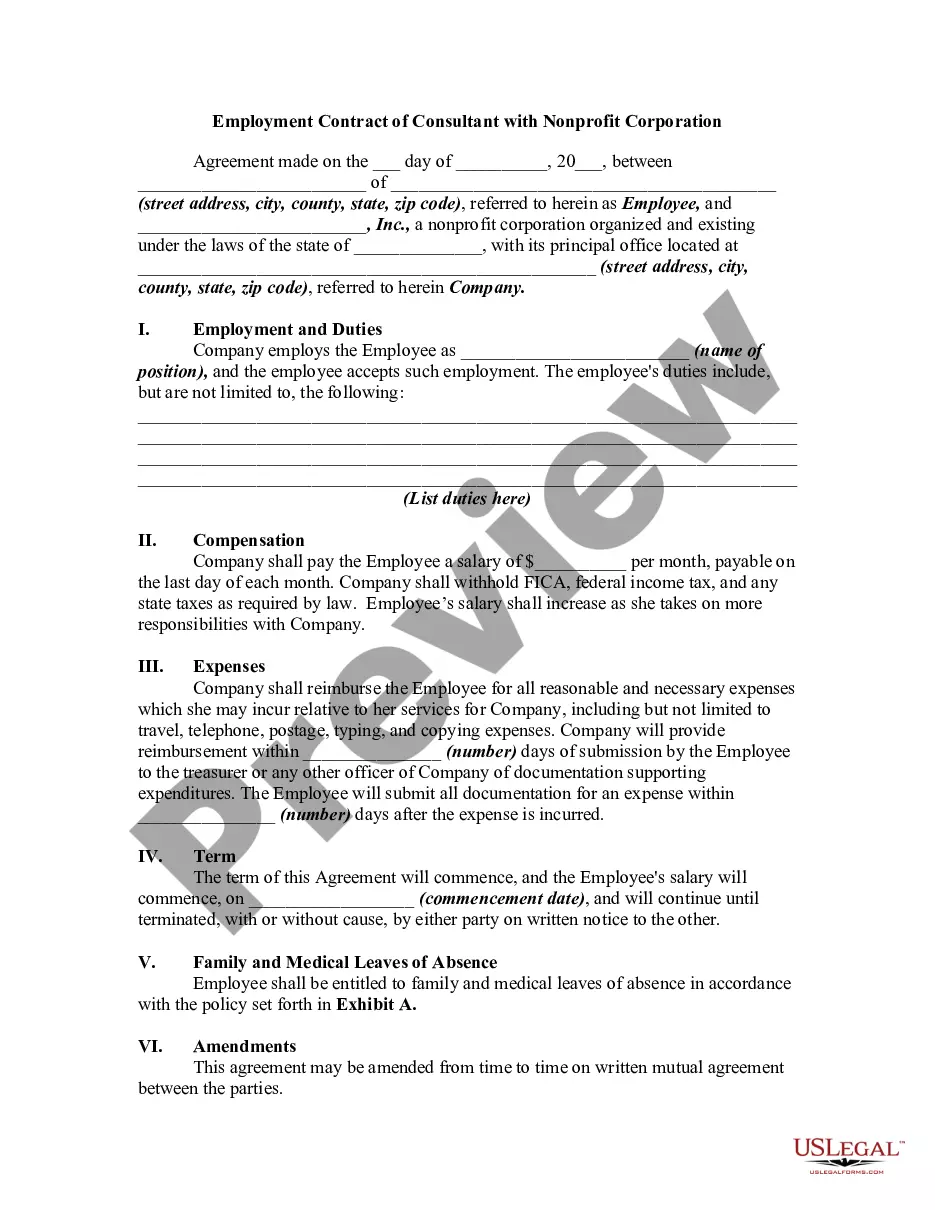
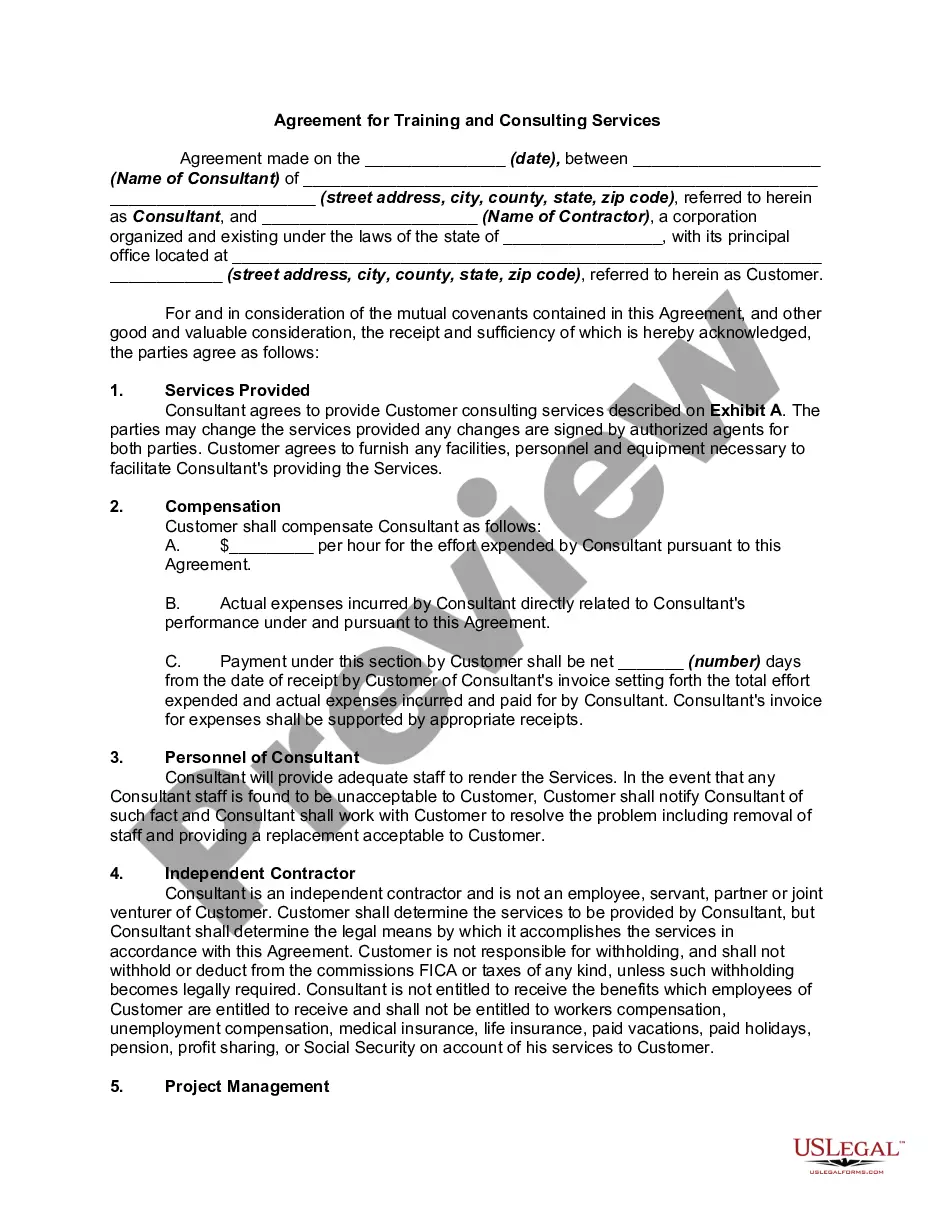
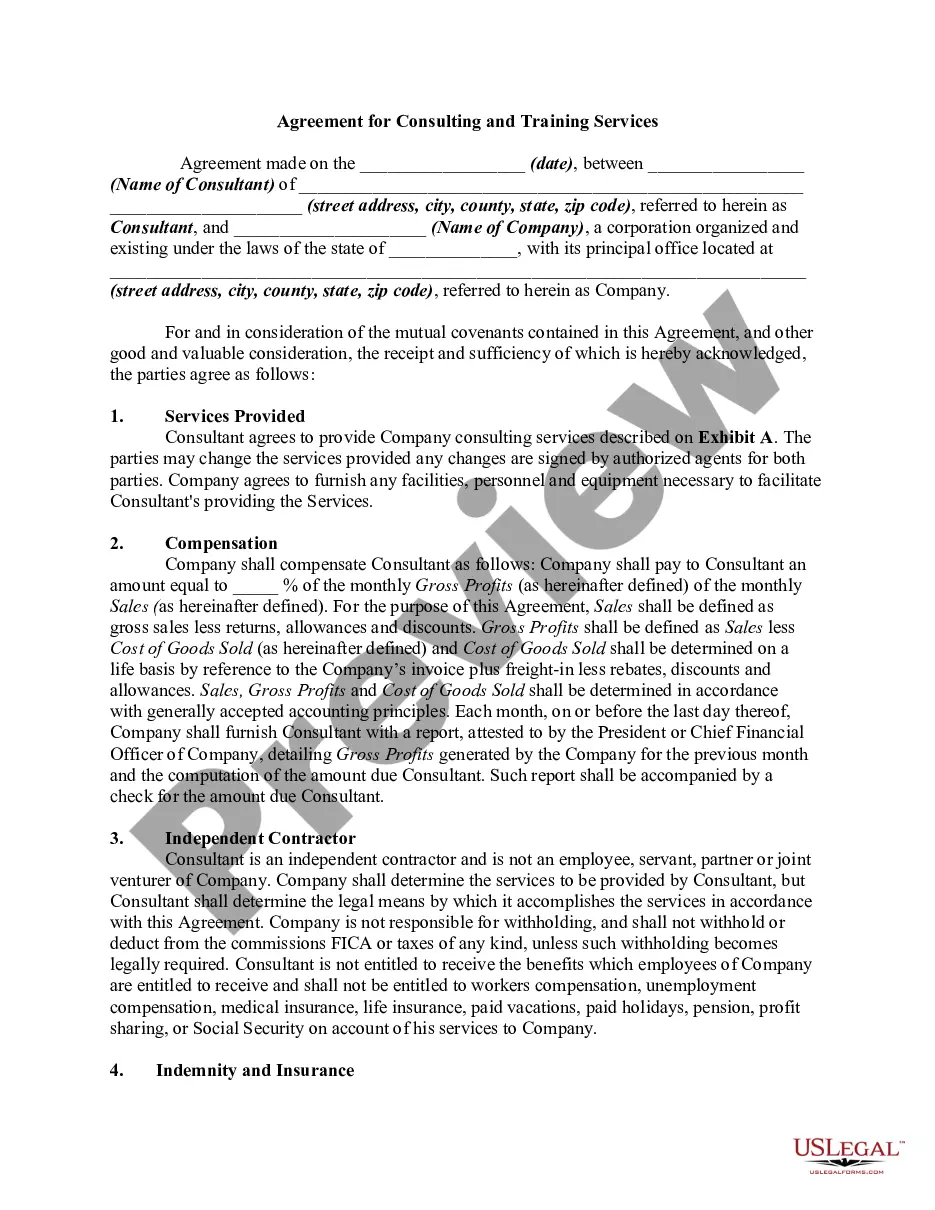
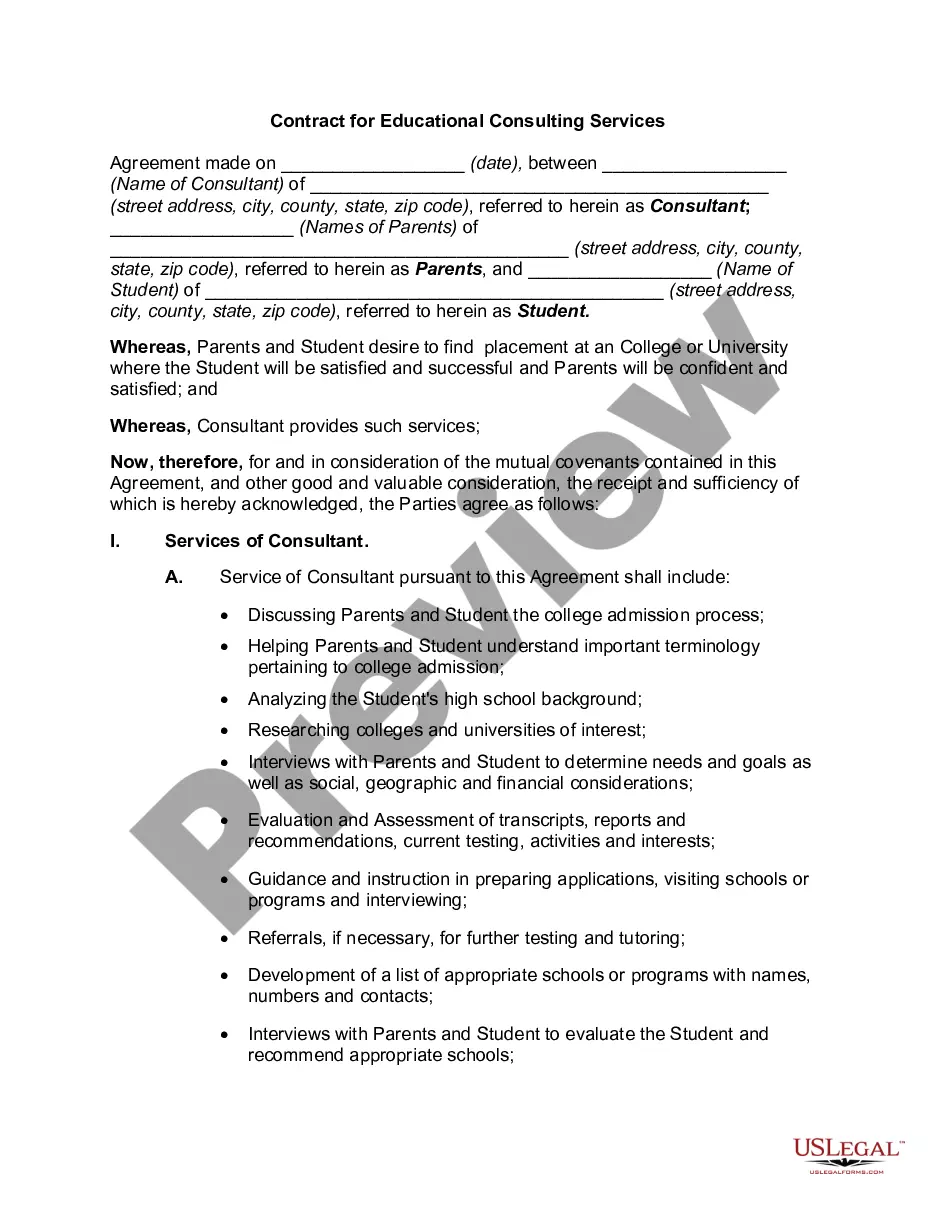
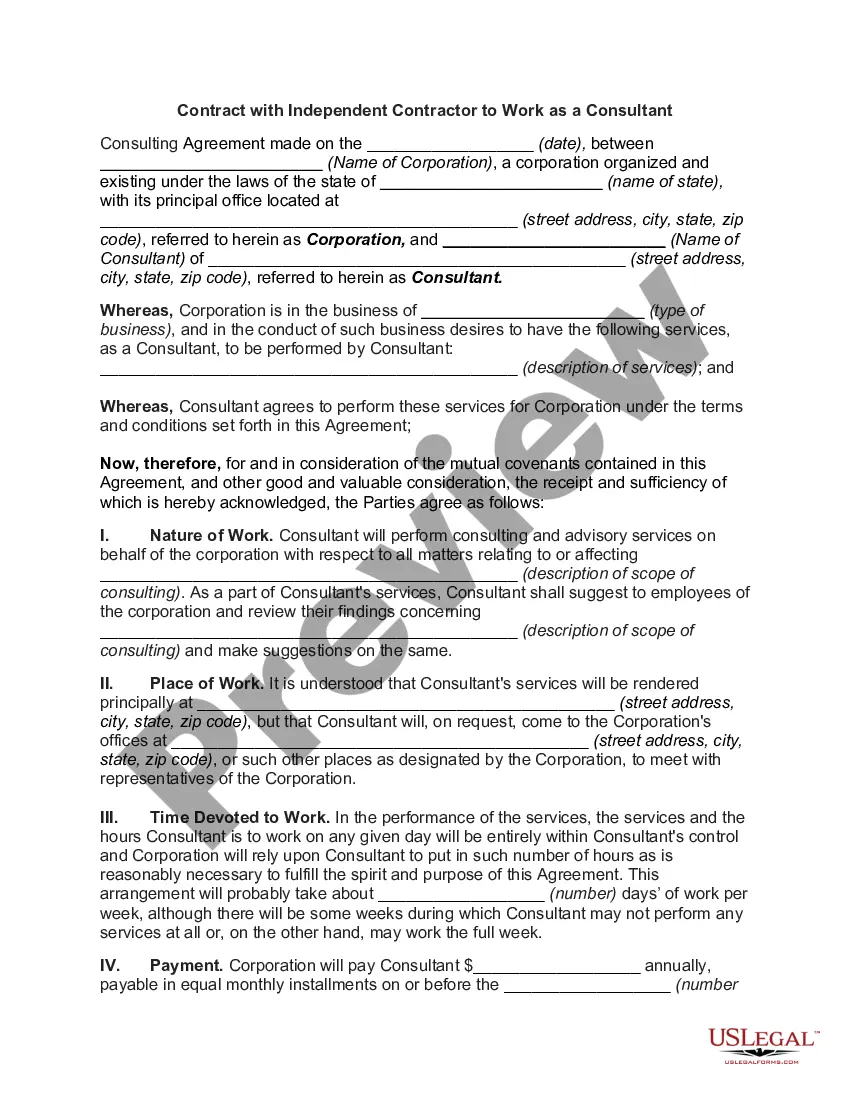
Get your form ready online
Our built-in tools help you complete, sign, share, and store your documents in one place.
Make edits, fill in missing information, and update formatting in US Legal Forms—just like you would in MS Word.
Download a copy, print it, send it by email, or mail it via USPS—whatever works best for your next step.
Sign and collect signatures with our SignNow integration. Send to multiple recipients, set reminders, and more. Go Premium to unlock E-Sign.
If this form requires notarization, complete it online through a secure video call—no need to meet a notary in person or wait for an appointment.
We protect your documents and personal data by following strict security and privacy standards.

Make edits, fill in missing information, and update formatting in US Legal Forms—just like you would in MS Word.

Download a copy, print it, send it by email, or mail it via USPS—whatever works best for your next step.

Sign and collect signatures with our SignNow integration. Send to multiple recipients, set reminders, and more. Go Premium to unlock E-Sign.

If this form requires notarization, complete it online through a secure video call—no need to meet a notary in person or wait for an appointment.

We protect your documents and personal data by following strict security and privacy standards.
Looking for another form?









Form popularity
FAQ
Ing to Ohio Revised Code Section 4117.01(B), a "Public Employer" means any of the following: The State or any political subdivision of the State located entirely within the State. Any municipal corporation with a population of at least five thousand ing to the most recent federal decennial census. Counties.
Ohio is an at-will employment state, which means that in the absence of a written employment agreement or a collective bargaining agreement providing otherwise, either the employer or the employee may terminate employment for any reason that is not contrary to law.
OCB administers collective bargaining agreements with each of the organizations representing state employees.
The main OCSEA Contract with State of Ohio is the three-year collective bargaining agreement between the union and the State of Ohio that dictates wages, hours, and terms of employment. It is bargained by the OCSEA Negotiations Team, made up of OCSEA's Executive Officers and elected delegates by bargaining unit.
There are no specific labor laws in Ohio that govern training, time spent in meetings or at lectures. Federal laws under the Fair Labor Standards Act do apply and Ohio looks for guidance from federal regulation on these matters.
The Ohio Ethics Law protects the public by prohibiting public officials and employees from using their office to receive a public contract where they, their family member, or their business associate has an interest.
Training agreements provide legal protection for employers. They can include clauses that allow employees to repay training expenses if they quit the company within a specific timeframe. This ensures the company can avoid the financial burden of training employees who end up leaving for other opportunities.
An employment contract is an agreement between the employer and employee regarding some aspect of the employment relationship. There are several different types of employment contracts, and signing one can dramatically affect an employee's rights and responsibilities under Ohio law.
When an employer provides a handbook in an at-will work state, the guidelines are treated as a legally binding extension of the employment contract. Other states have some exemptions, but not Ohio. This book is your opportunity to put your expectations in writing and receiving it implies consent.
Yes. Employment contracts are enforceable in Ohio and are governed by Ohio contract laws. This means that to be enforceable the contract must contain an offer, acceptance of the offer, and consideration. In employment contracts consideration is most often the work performed in exchange for compensation.
