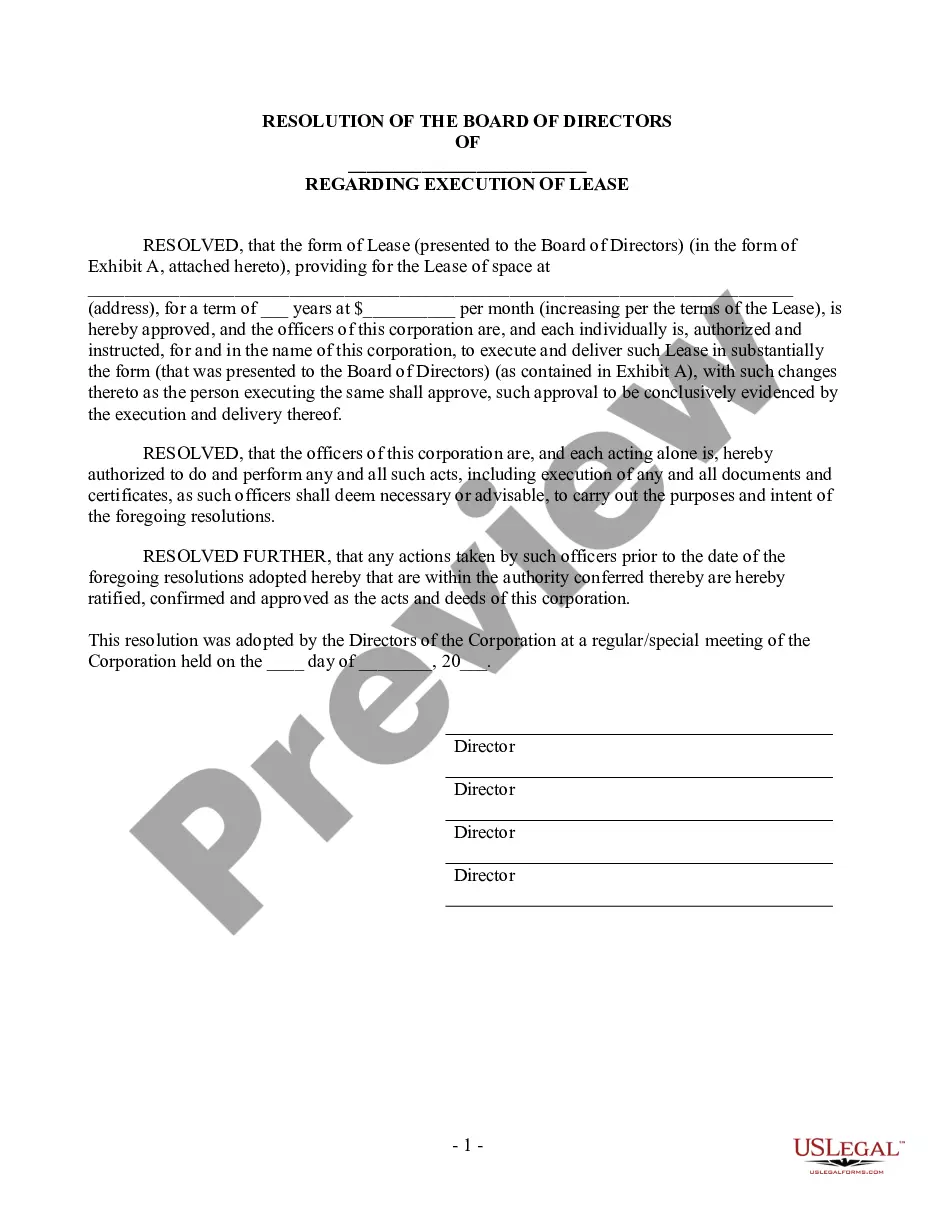
Judgement Settlement Letter Example In Houston
Description



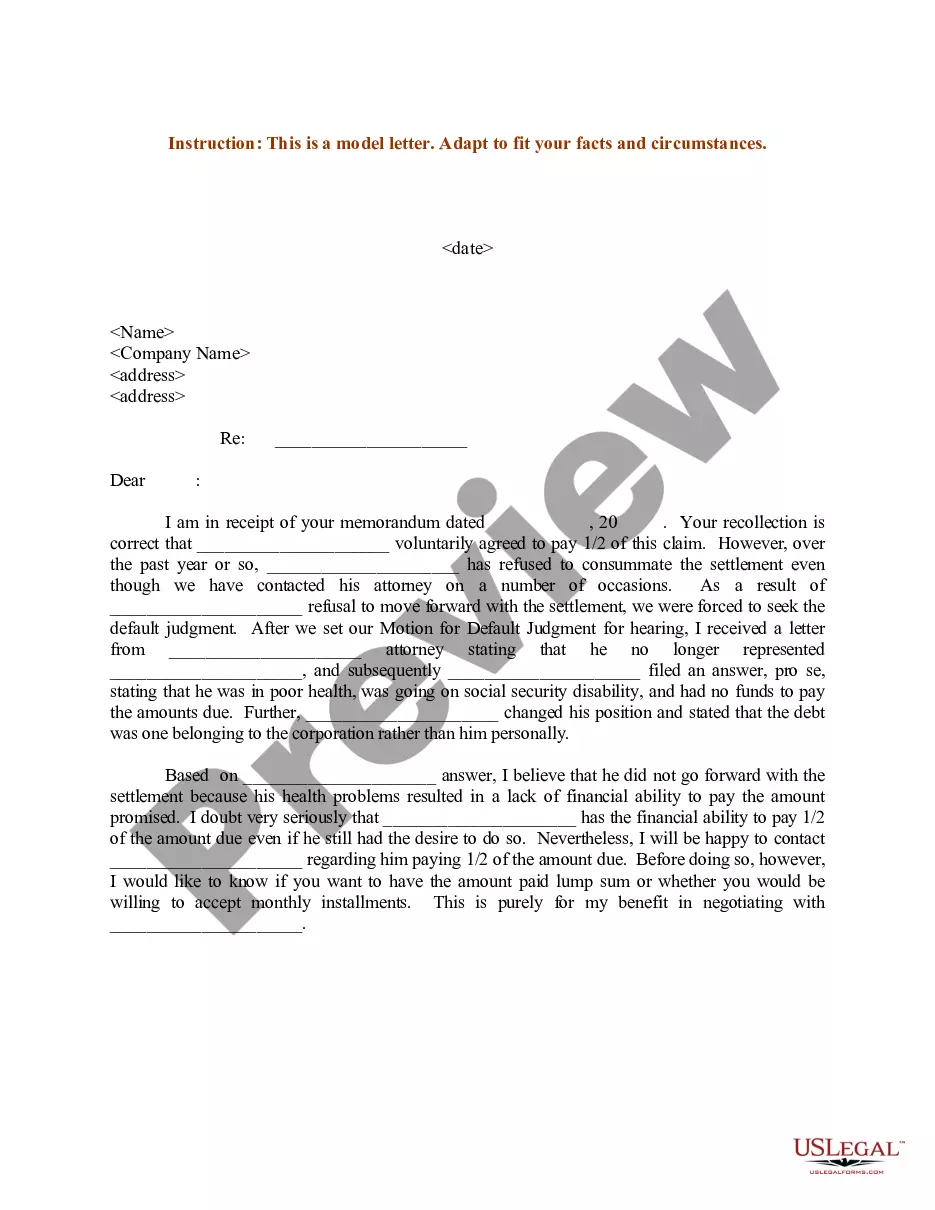

Get your form ready online
Our built-in tools help you complete, sign, share, and store your documents in one place.
Make edits, fill in missing information, and update formatting in US Legal Forms—just like you would in MS Word.
Download a copy, print it, send it by email, or mail it via USPS—whatever works best for your next step.
Sign and collect signatures with our SignNow integration. Send to multiple recipients, set reminders, and more. Go Premium to unlock E-Sign.
If this form requires notarization, complete it online through a secure video call—no need to meet a notary in person or wait for an appointment.
We protect your documents and personal data by following strict security and privacy standards.

Make edits, fill in missing information, and update formatting in US Legal Forms—just like you would in MS Word.

Download a copy, print it, send it by email, or mail it via USPS—whatever works best for your next step.

Sign and collect signatures with our SignNow integration. Send to multiple recipients, set reminders, and more. Go Premium to unlock E-Sign.

If this form requires notarization, complete it online through a secure video call—no need to meet a notary in person or wait for an appointment.

We protect your documents and personal data by following strict security and privacy standards.
Looking for another form?






Form popularity
FAQ
At the outset of settlement negotiations, list all individuals and entities—both for the plaintiff and the defendant—that the agreement will cover. ✔ List all legal issues to be settled. List all claims your adversary may legally release via settlement. Verify the agreement covers these claims.
What things should be included in the Full and Final Settlement Letter? Settlement Amount: Clearly state the finalized amount to be settled. Settlement Cheque: Provide details regarding the issuance of the settlement cheque. Resignation/Termination Date: Specify the date on which the employee resigned or was terminated.
The Format of a Settlement Demand Letter A description of the accident. An explanation of why the defendant is at fault or otherwise liable for the claim. A brief description of your injuries and property damage. A brief description of your losses (medical expenses, lost earnings, pain and suffering, etc.).
It depends on what you can afford. Your full and final settlement should offer equal amounts to each creditor. For example: Your lump sum is 75% of your total debt. You should offer each creditor 75% of what you owe them.
A judgment is an official result of a lawsuit in court. If a debt collector sues you in court, the judge could award the creditor or debt collector a judgment against you.
Parties without lawyers can also file case documents in person at the Court during normal business hours or by mail. Most case documents are posted to the Court's website, except clerk's records, reporter's records, and sealed documents. You can search for your case at search.txcourts/.
Parties without lawyers can also file case documents in person at the Court during normal business hours or by mail. Most case documents are posted to the Court's website, except clerk's records, reporter's records, and sealed documents. You can search for your case at search.txcourts/.
If you do not have any assets that are not exempt from seizure, such as your primary place of residence, household items, your car, and the tools of your trade, someone who has obtained a judgment against you may be unable to collect on it.
No, demand letters don't always work—and they're less effective now than they were ten years ago. However, they remain a valuable step in most cases.