Consultant Work Contract With Company In Oakland
Description

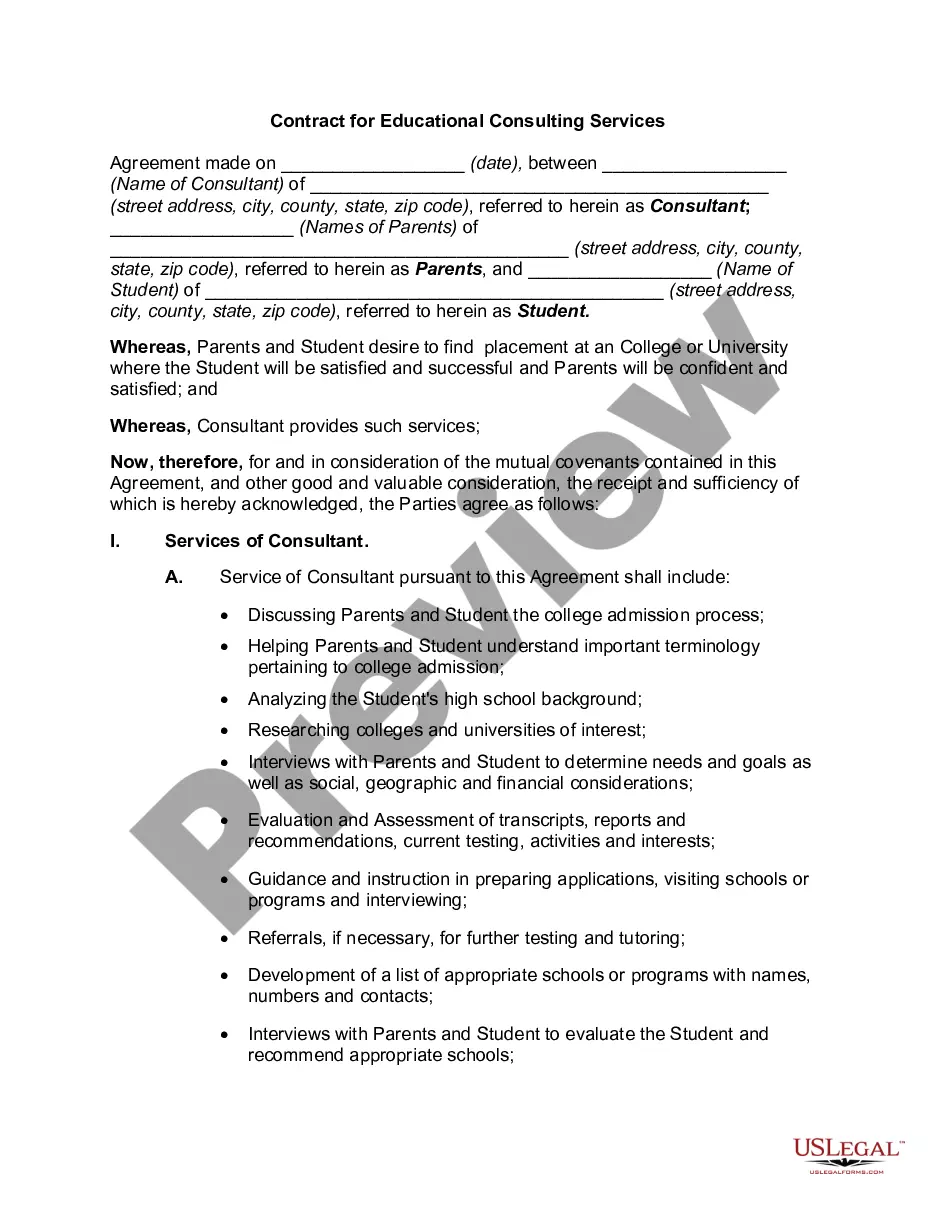
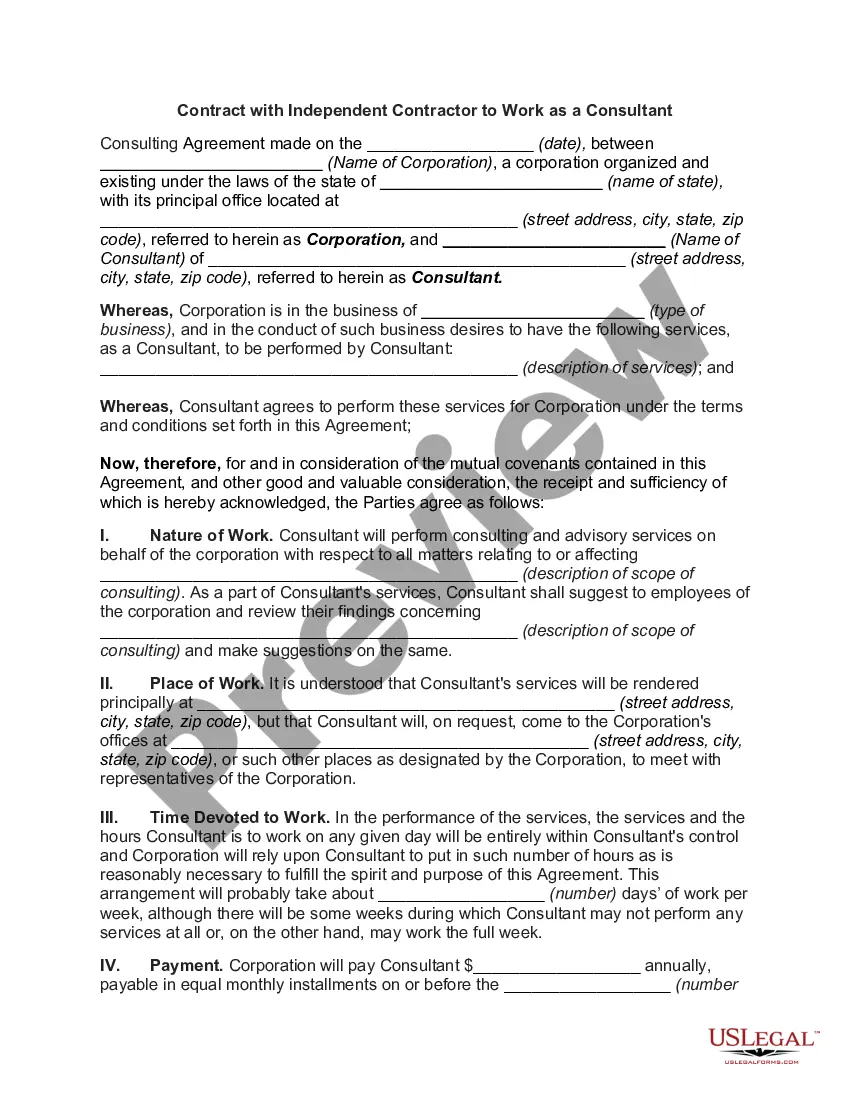
Get your form ready online
Our built-in tools help you complete, sign, share, and store your documents in one place.
Make edits, fill in missing information, and update formatting in US Legal Forms—just like you would in MS Word.
Download a copy, print it, send it by email, or mail it via USPS—whatever works best for your next step.
Sign and collect signatures with our SignNow integration. Send to multiple recipients, set reminders, and more. Go Premium to unlock E-Sign.
If this form requires notarization, complete it online through a secure video call—no need to meet a notary in person or wait for an appointment.
We protect your documents and personal data by following strict security and privacy standards.

Make edits, fill in missing information, and update formatting in US Legal Forms—just like you would in MS Word.

Download a copy, print it, send it by email, or mail it via USPS—whatever works best for your next step.

Sign and collect signatures with our SignNow integration. Send to multiple recipients, set reminders, and more. Go Premium to unlock E-Sign.

If this form requires notarization, complete it online through a secure video call—no need to meet a notary in person or wait for an appointment.

We protect your documents and personal data by following strict security and privacy standards.
Looking for another form?










Form popularity
FAQ
Contract consultants are independent professionals who offer their expertise and skills to various clients on a project-by-project basis. They can work in different fields, such as management, IT, marketing, engineering, or education, and help clients solve problems, improve performance, or implement changes.
A consultant is an person who provides professional or expert advice in a particular field of science or business to either an organisation or individual.
Key takeaways: The primary difference between a consultant and a contractor is that a consultant advises on an organization's needs and potential solutions, while a contractor executes tasks based on those requirements.
Essentially, they are hired to share their expertise and knowledge to help businesses reach goals and solve problems. Sometimes, companies bring on consultants to perform day-to-day work and augment or supplement staff, without the overhead costs associated with a full-time employee.
A consultant (from Latin: consultare "to deliberate") is a professional (also known as expert, specialist, see variations of meaning below) who provides advice or services in an area of specialization (generally to medium or large-size corporations).
Follow these five steps to take to do to set yourself up for future contract opportunities. Consider Your Options and Plan Ahead. While it's natural to worry, it's better to plan out your options. Keep Potential Clients Informed. Use Your Network. Build Your Own Opportunities. Always Be Proactive.
Here are six best practices to write a consulting contract that defines your project scope and protects both you and your business. Define Duties, Deliverables, and Roles. Prepare for Potential Risk. Specify Project Milestones and Engagement Time. Identify Expenses and Outline Payment Terms. Specify Product Ownership.
A contracts consultant is professional who contractually provides advice to businesses on a particular area. They essentially book contracts with various companies, assisting them with a particular area of their expertise.
A consulting contract should offer a detailed description of the duties you will perform and the deliverables you promise the client. The agreement may also explain how much work you will perform at the client's office and how often you will work remotely.
A consultant contract is a legal agreement between a consultant and a client, by means of which the client buys the services of the consultant. We supply templates covering both general consultancy services and web-related consultancy services. It is a type of services agreement.