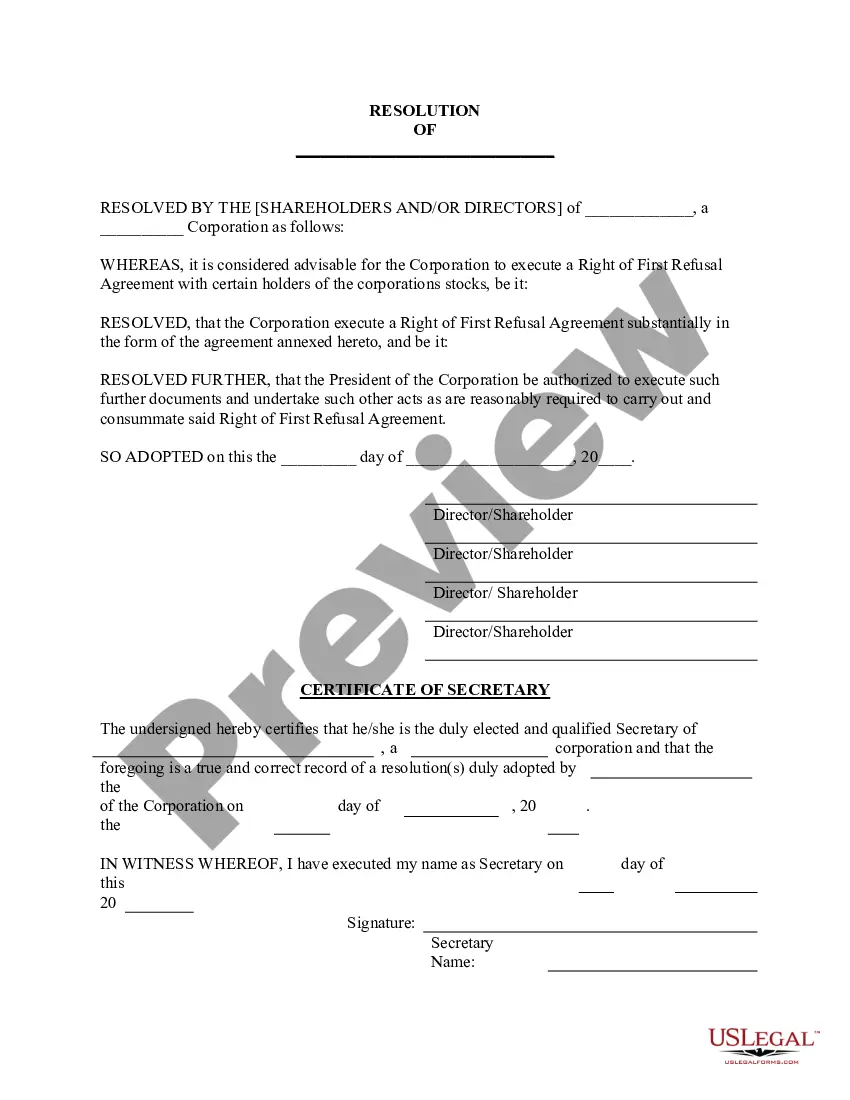
Training Contract For Barrister In Minnesota
Description

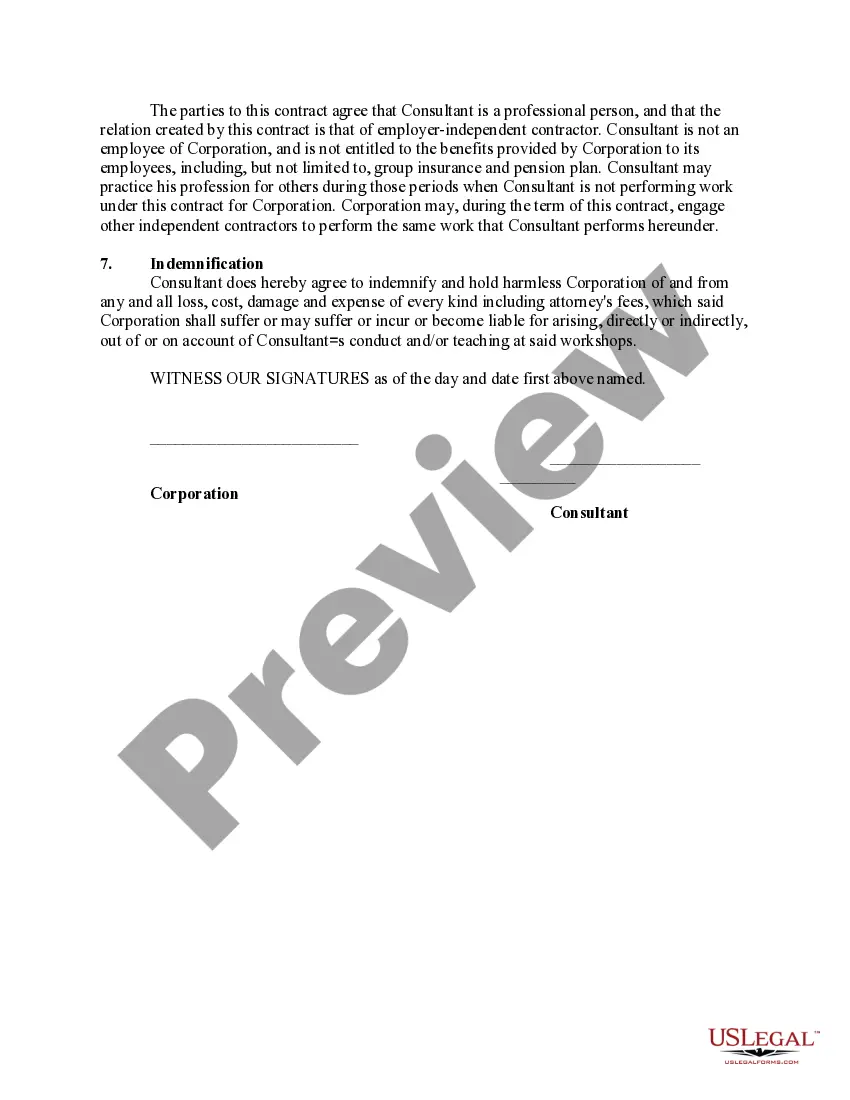
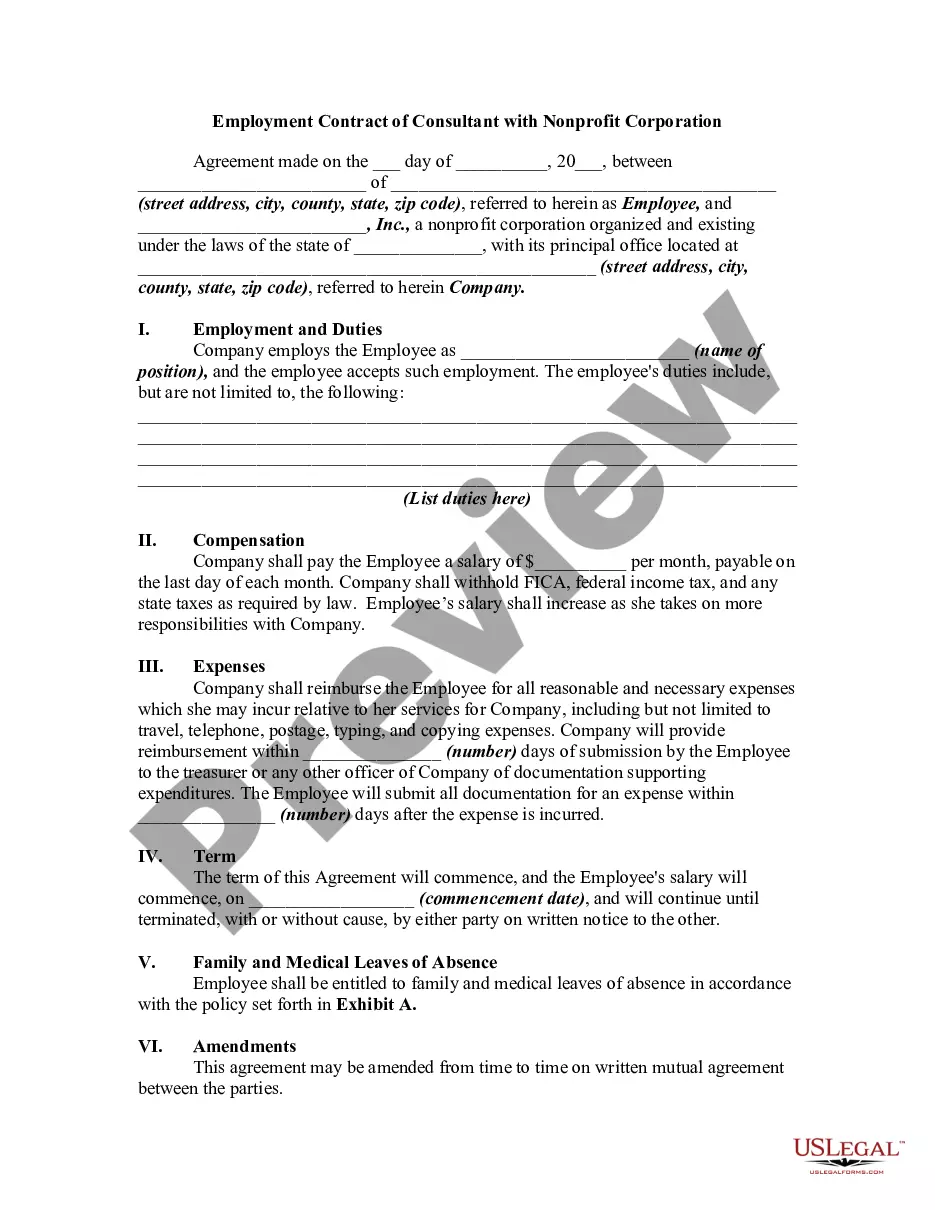
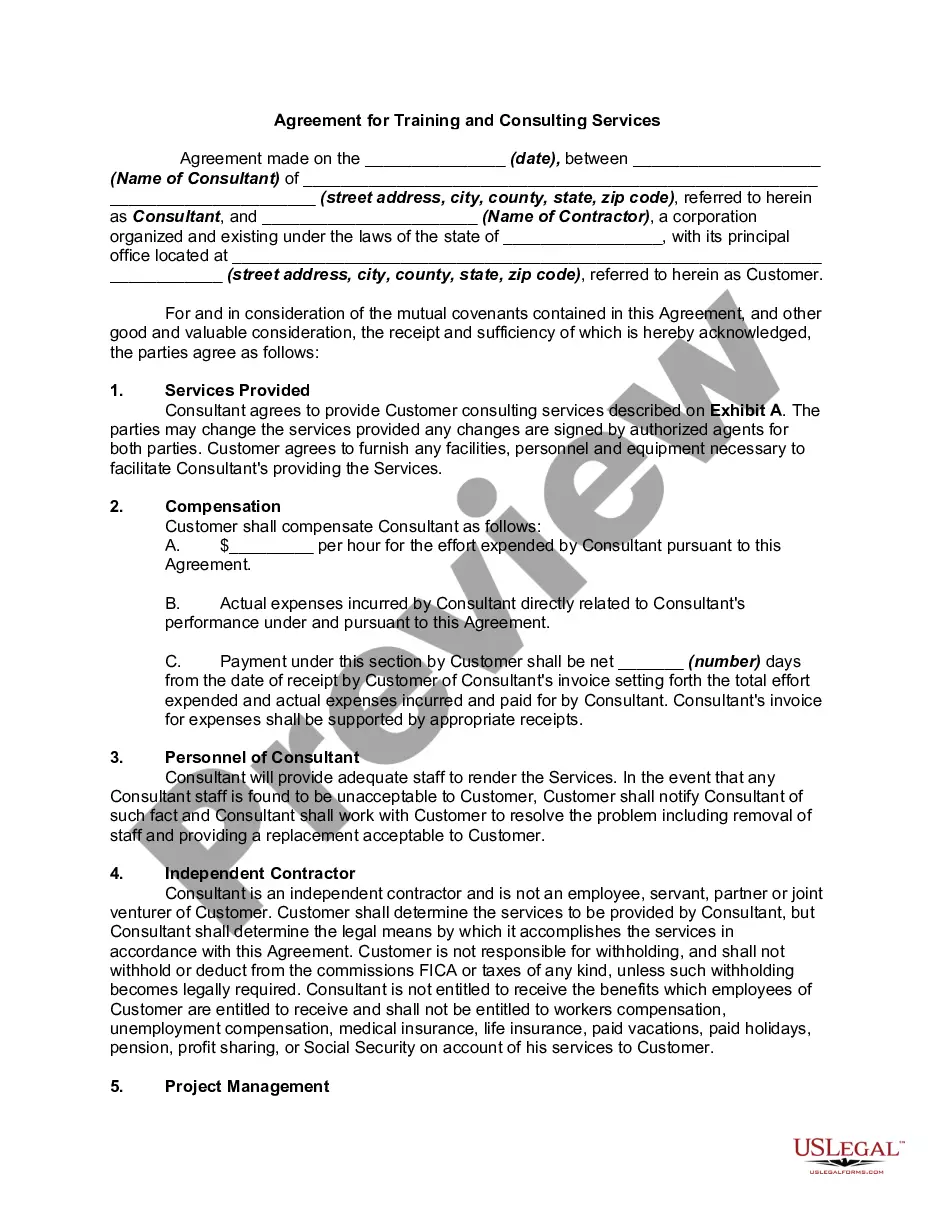
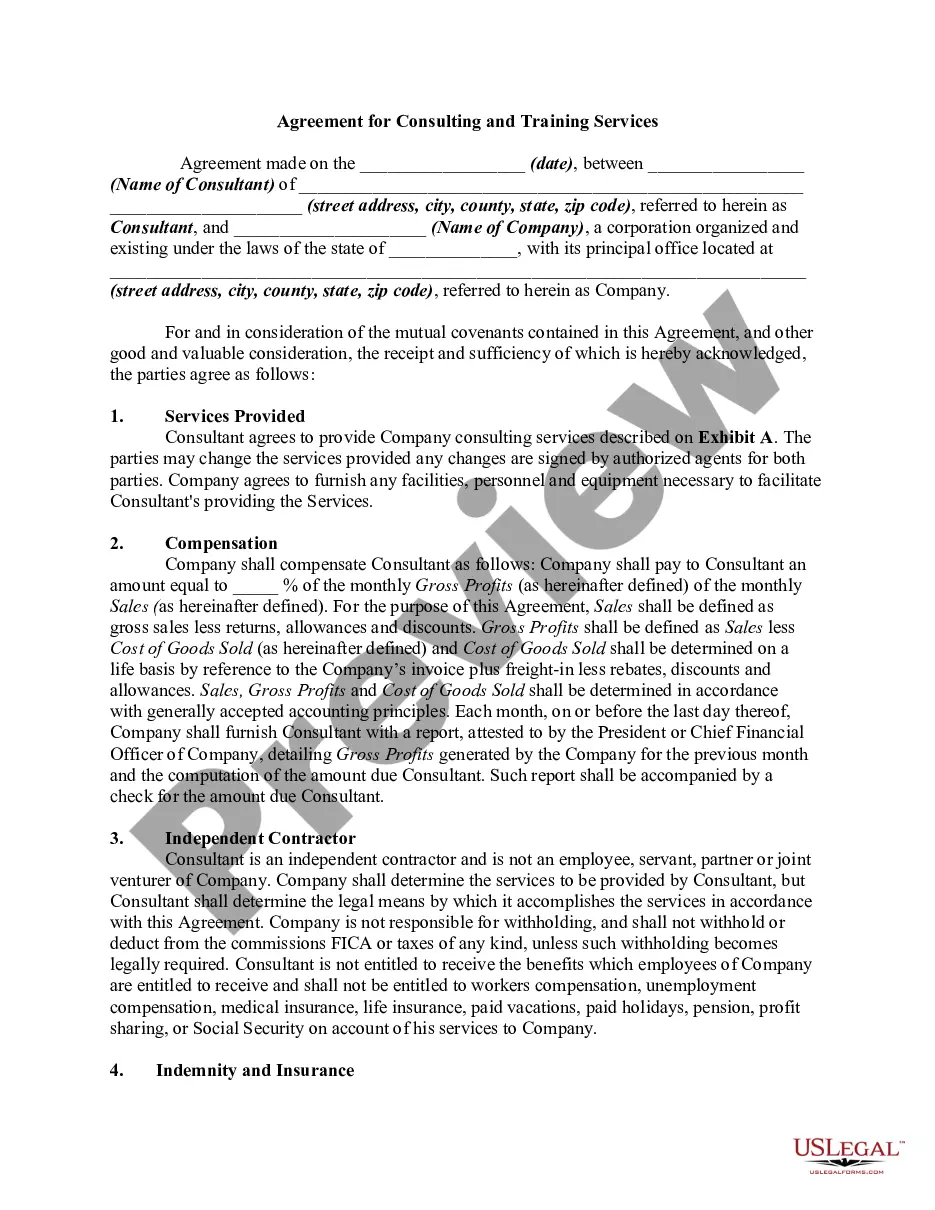
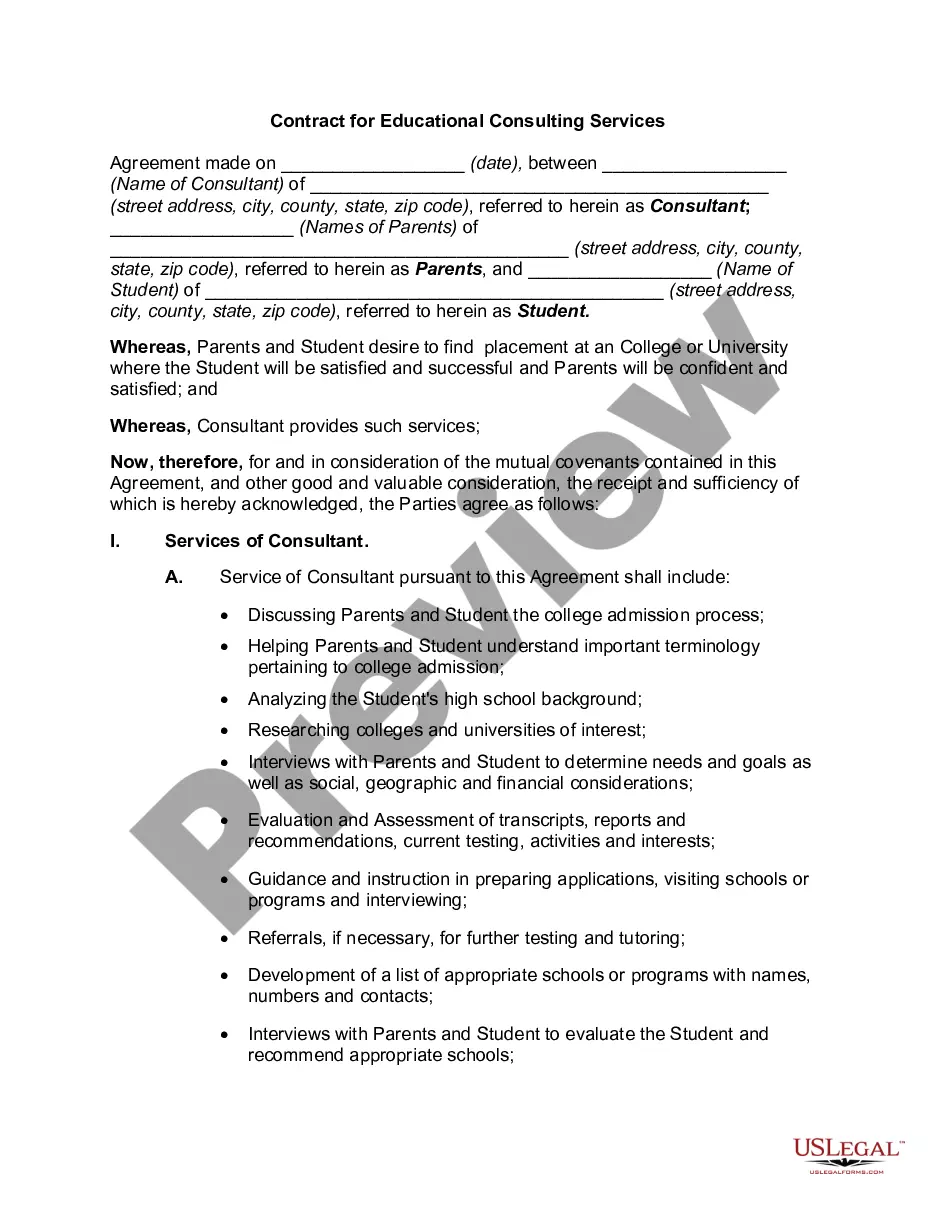
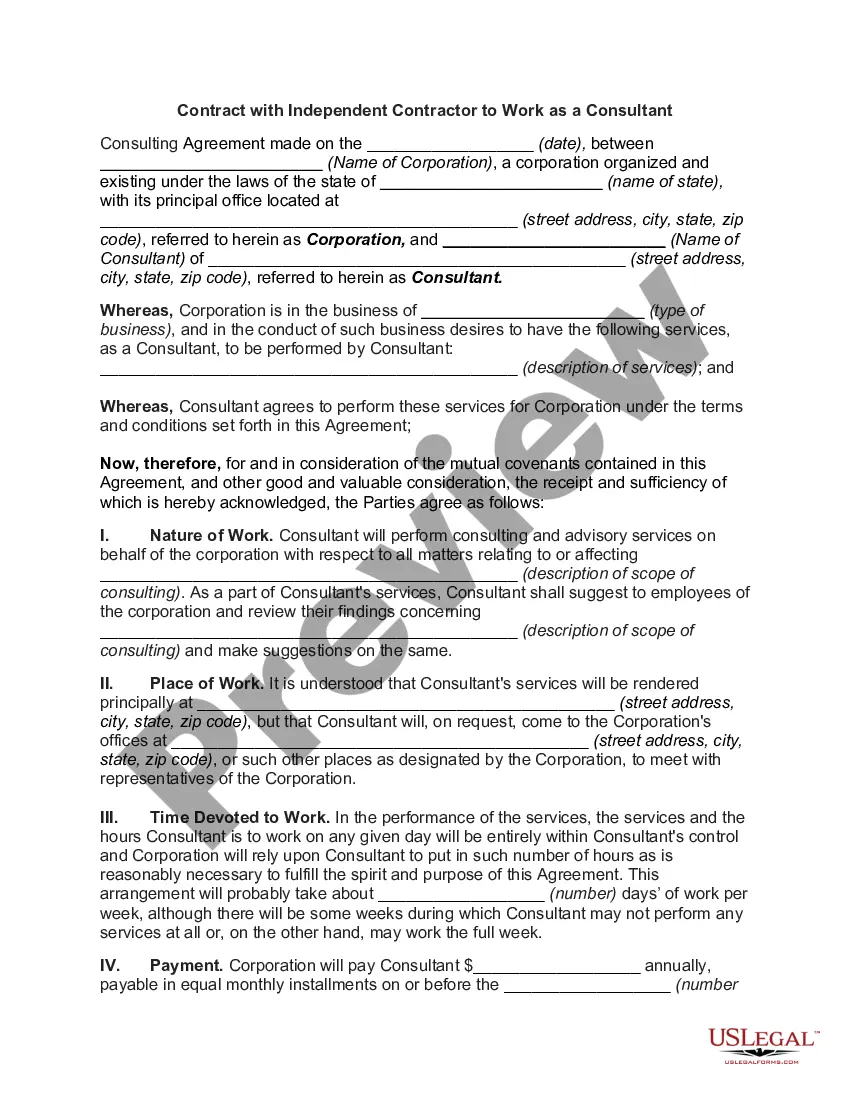
Get your form ready online
Our built-in tools help you complete, sign, share, and store your documents in one place.
Make edits, fill in missing information, and update formatting in US Legal Forms—just like you would in MS Word.
Download a copy, print it, send it by email, or mail it via USPS—whatever works best for your next step.
Sign and collect signatures with our SignNow integration. Send to multiple recipients, set reminders, and more. Go Premium to unlock E-Sign.
If this form requires notarization, complete it online through a secure video call—no need to meet a notary in person or wait for an appointment.
We protect your documents and personal data by following strict security and privacy standards.

Make edits, fill in missing information, and update formatting in US Legal Forms—just like you would in MS Word.

Download a copy, print it, send it by email, or mail it via USPS—whatever works best for your next step.

Sign and collect signatures with our SignNow integration. Send to multiple recipients, set reminders, and more. Go Premium to unlock E-Sign.

If this form requires notarization, complete it online through a secure video call—no need to meet a notary in person or wait for an appointment.

We protect your documents and personal data by following strict security and privacy standards.
Looking for another form?





Form popularity
FAQ
Under Rule 7B, an applicant who has received a scaled score of 145 or higher on the Multistate Bar Examination (MBE) in another jurisdiction, and is licensed in that jurisdiction, may apply for admission to Minnesota without examination.
The Minnesota State Board of Law Examiners is responsible for licensing attorneys to practice law in the State of Minnesota. Admission to the Minnesota Bar is through a bar examination or years of practice. The Uniform Bar Exam (UBE) is administered twice a year- on the last Tuesday and Wednesday of February and July.
Yes. As long as you meet the eligibility requirements of Rule 4A, you received a UBE score of 260 or higher that has been certified by the NCBE as a UBE score, and you apply to Minnesota within 36 months of the date of the qualifying exam.
You may be admitted to the Minnesota Bar without taking the bar exam (admission on motion) if you have graduated with a JD degree from an ABA-approved law school and meet one of the following requirements: You have been practicing law for a minimum of 1,000 hours per year for 36 of the past 60 months.
Under Rule 7B, an applicant who has received a scaled score of 145 or higher on the Multistate Bar Examination (MBE) in another jurisdiction, and is licensed in that jurisdiction, may apply for admission to Minnesota without examination.
Under the rules of the Minnesota State Board of Law Examiners, you must have a J.D. degree from an ABA-accredited law school in order to take the Minnesota bar exam.
The Minnesota State Board of Law Examiners is responsible for licensing attorneys to practice law in the State of Minnesota. Admission to the Minnesota Bar is through a bar examination or years of practice. The Uniform Bar Exam (UBE) is administered twice a year- on the last Tuesday and Wednesday of February and July.
In order to be eligible for admission without taking the Minnesota Bar Exam, the applicant must have engaged in the active practice of law for 5 of the 7 years preceding admission or received a scaled score of 145 or above on the MBE within 24 months of application, and be a graduate of an ABA accredited law school.
You must meet residency, age, and moral character requirements. You must have actively practiced law for five of the past seven years. You must have a J.D. degree from an ABA-approved law school. You must be a bar member in good standing in each jurisdiction in which you are licensed.