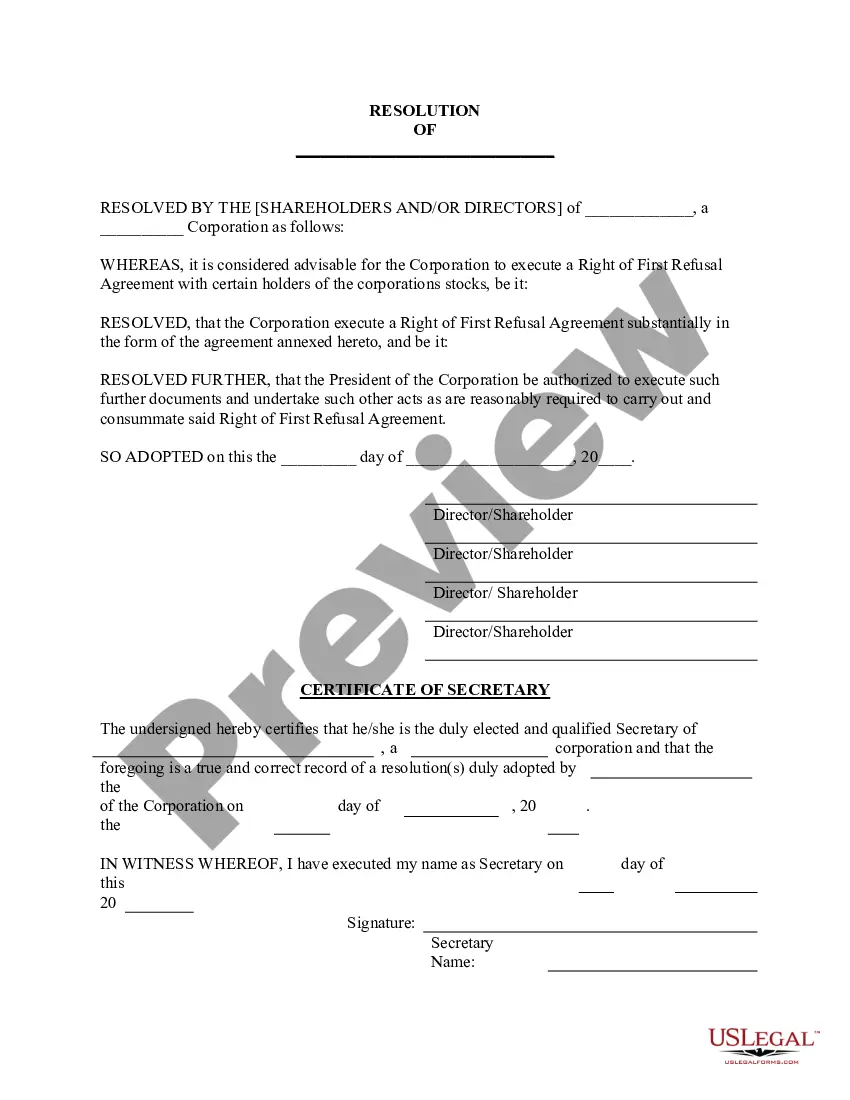
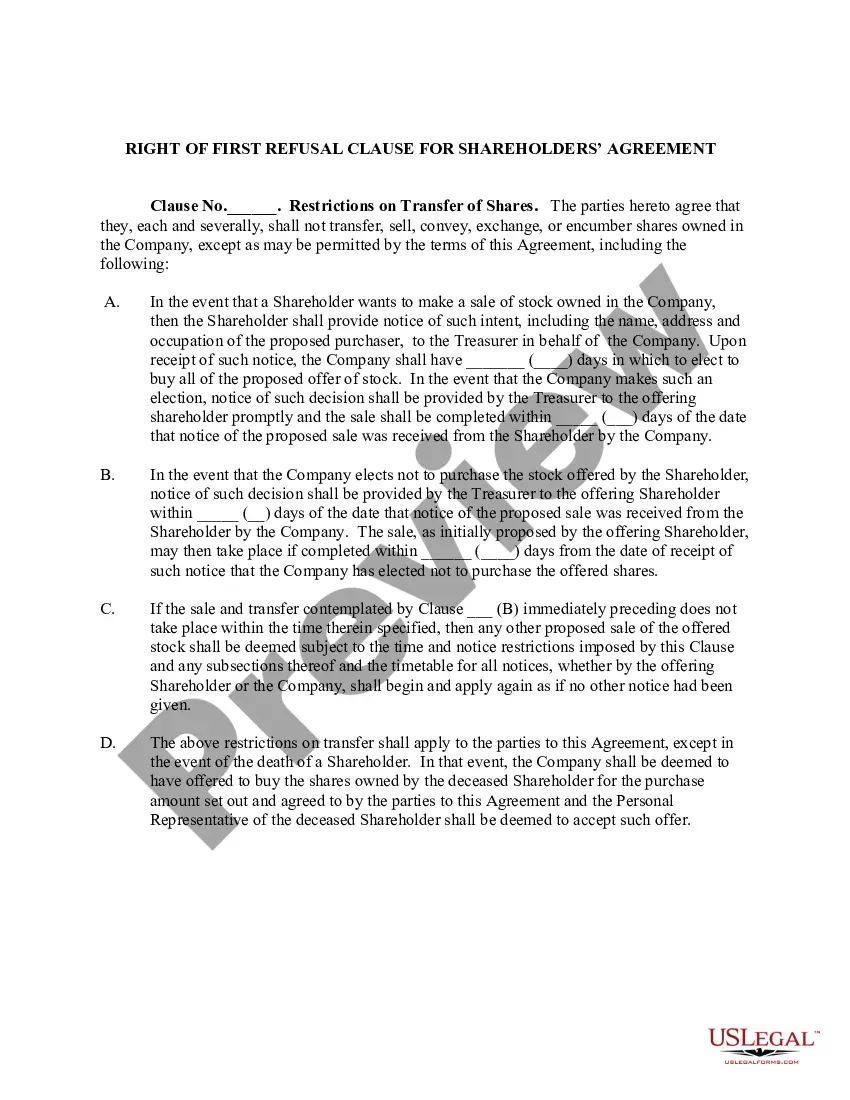
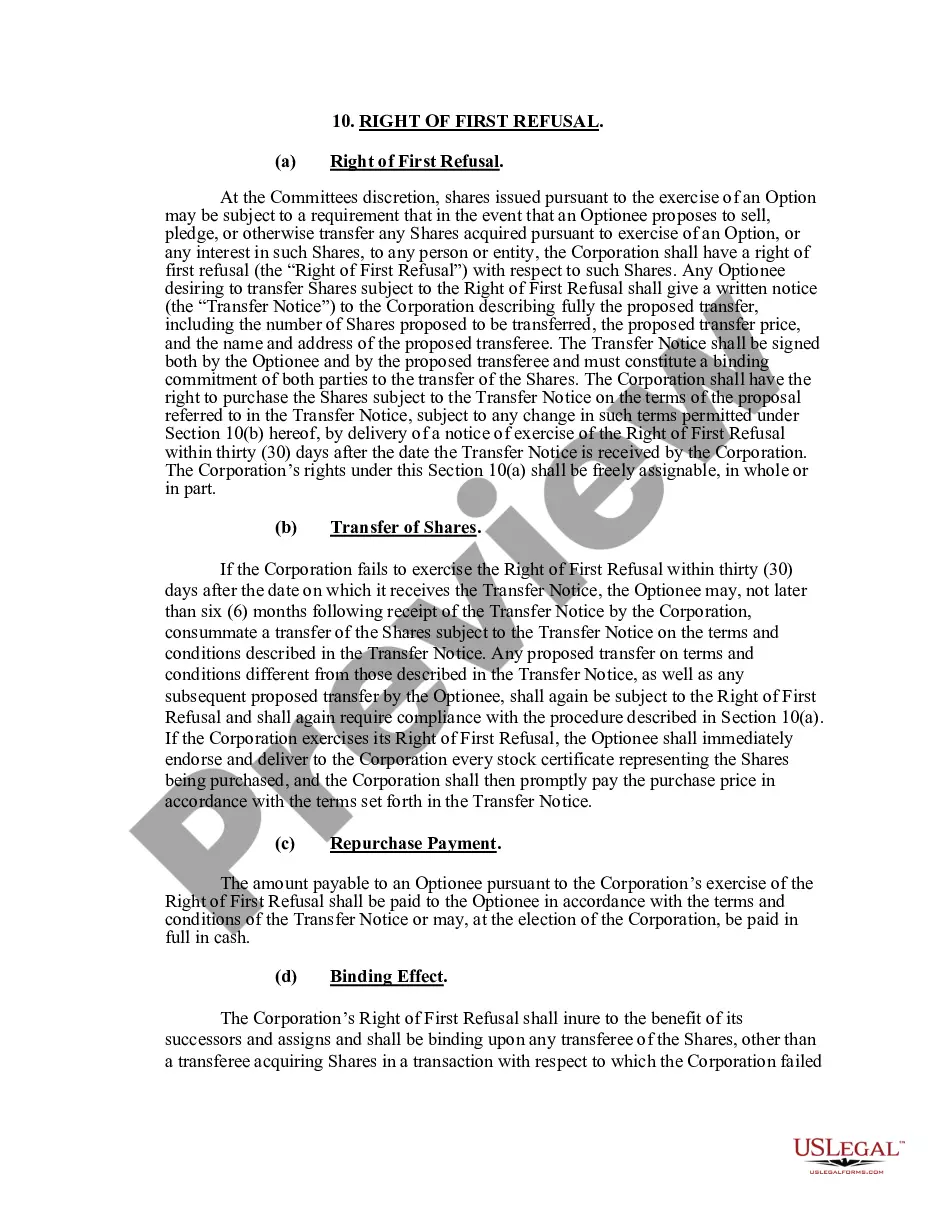
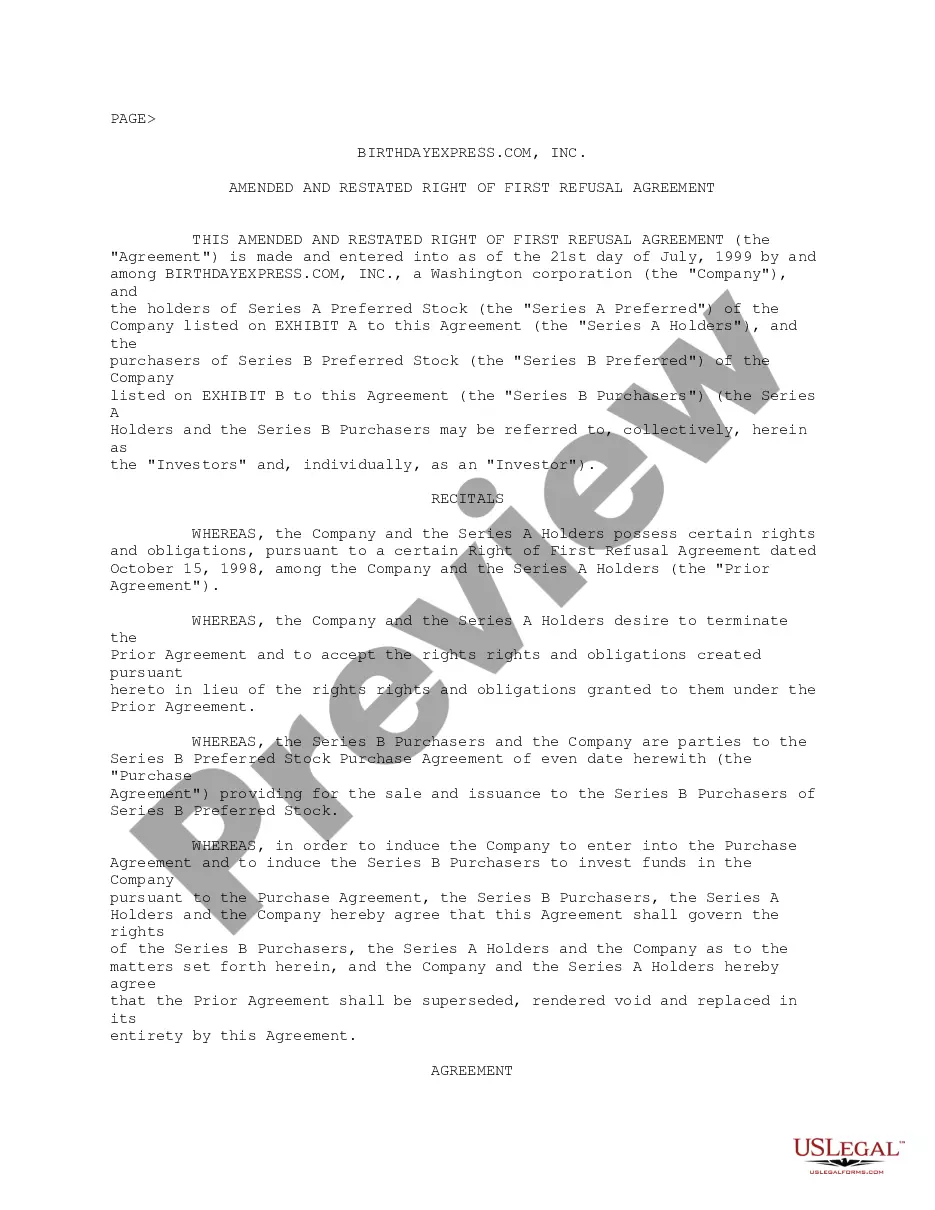
Corporate Refusal Form Dental In Nevada
Description
Get your form ready online
Our built-in tools help you complete, sign, share, and store your documents in one place.
Make edits, fill in missing information, and update formatting in US Legal Forms—just like you would in MS Word.
Download a copy, print it, send it by email, or mail it via USPS—whatever works best for your next step.
Sign and collect signatures with our SignNow integration. Send to multiple recipients, set reminders, and more. Go Premium to unlock E-Sign.
If this form requires notarization, complete it online through a secure video call—no need to meet a notary in person or wait for an appointment.
We protect your documents and personal data by following strict security and privacy standards.

Make edits, fill in missing information, and update formatting in US Legal Forms—just like you would in MS Word.

Download a copy, print it, send it by email, or mail it via USPS—whatever works best for your next step.

Sign and collect signatures with our SignNow integration. Send to multiple recipients, set reminders, and more. Go Premium to unlock E-Sign.

If this form requires notarization, complete it online through a secure video call—no need to meet a notary in person or wait for an appointment.

We protect your documents and personal data by following strict security and privacy standards.
Looking for another form?
Form popularity
FAQ
Informed refusal may indicate that you and the patient have different values and expectations. Consider whether it would be best if that patient is dismissed from the practice and referred to another dentist. Example: the patient who refuses a radiograph you believe essential to proper diagnosis and treatment.
A proper appeal involves sending the plan a written request to reconsider the claim. A phone call is not acceptable. Additional documentation should be included to give the plan a clearer picture of why you recommended the treatment.
If the patient's refusal puts them at significant risk of injury, an informed refusal discussion is necessary. The informed refusal helps in several ways: Improves documentation by capturing the physician's efforts at providing the best possible care. Expresses the severity and consequences of the refusal.
A dentist has the right to refuse to treat you. He is not obligated to perform a service that you want just because you want it. Nor does he have to perform any treatment that he feels would be better done by a specialist. However, a dentist cannot abandon you during treatment.
Be Honest and Direct: Explain your reasons for wanting to refuse the treatment. You might say something like: - ``I've been thinking about the crown treatment, and I've decided I would like to withdraw my consent. I appreciate your recommendation, but I have some reservations.''
Informed refusal is where a person has refused a recommended medical treatment based upon an understanding of the facts and implications of not following the treatment. Informed refusal is linked to the informed consent process, as a patient has a right to consent, but also may choose to refuse.
You can decline anything you wish. The dentist can't force you to do anything against your wishes. Also, with out proper x-rays, the dental office has the right to decline care.
In its most basic terms, informed consent is the conversation during which the dentist gives the patient information about: Any dental health problems that the dentist observed. The nature of any proposed treatment. The potential benefits and risks associated with that treatment. Any alternatives to the proposed ...
Do I need to see the dentist if I have healthy teeth? Yes, even if you take good care of your teeth, going to the dentist should still be part of your routine because even though your teeth look healthy, you likely still have some plaque on your teeth or tartar on your gums that can lead to tooth decay and gum disease.