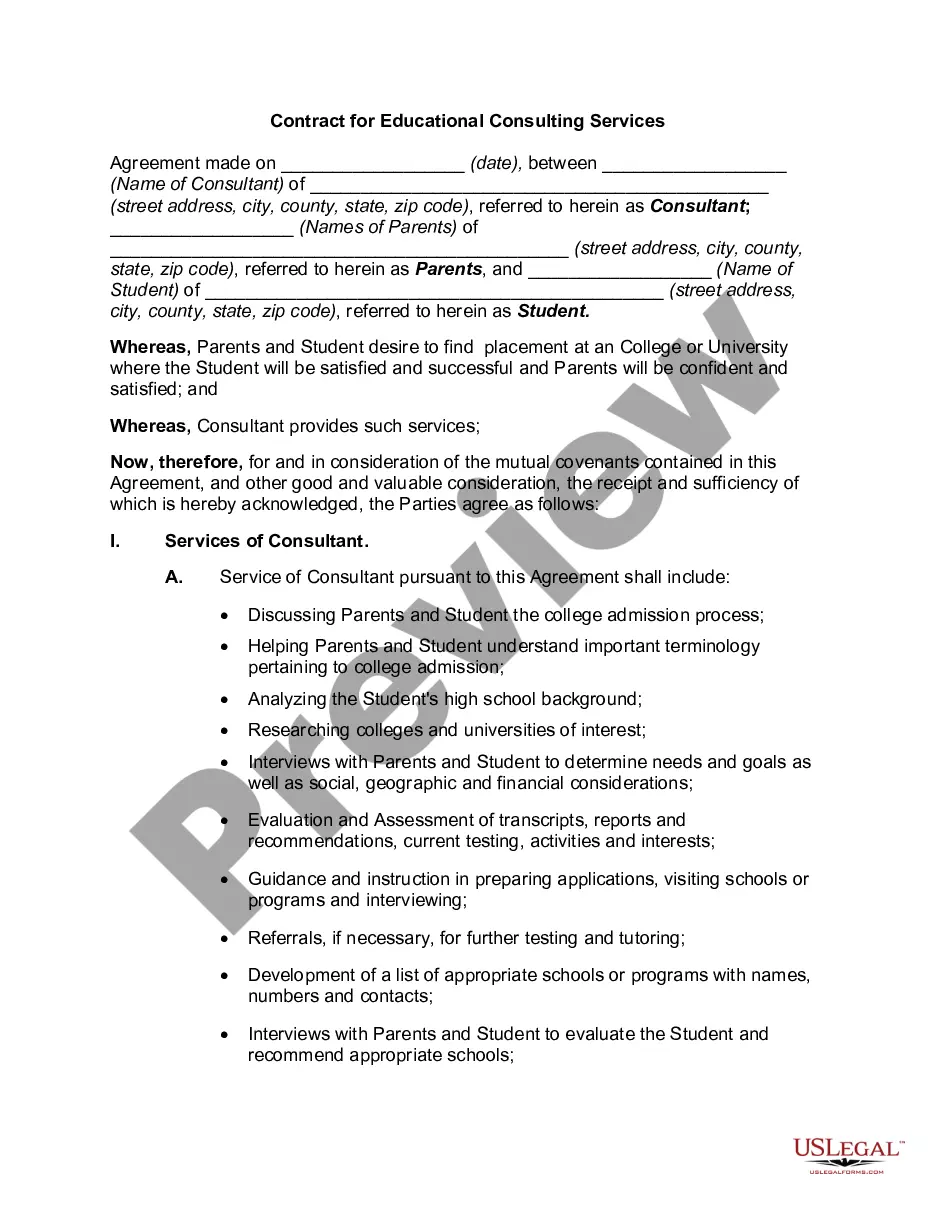
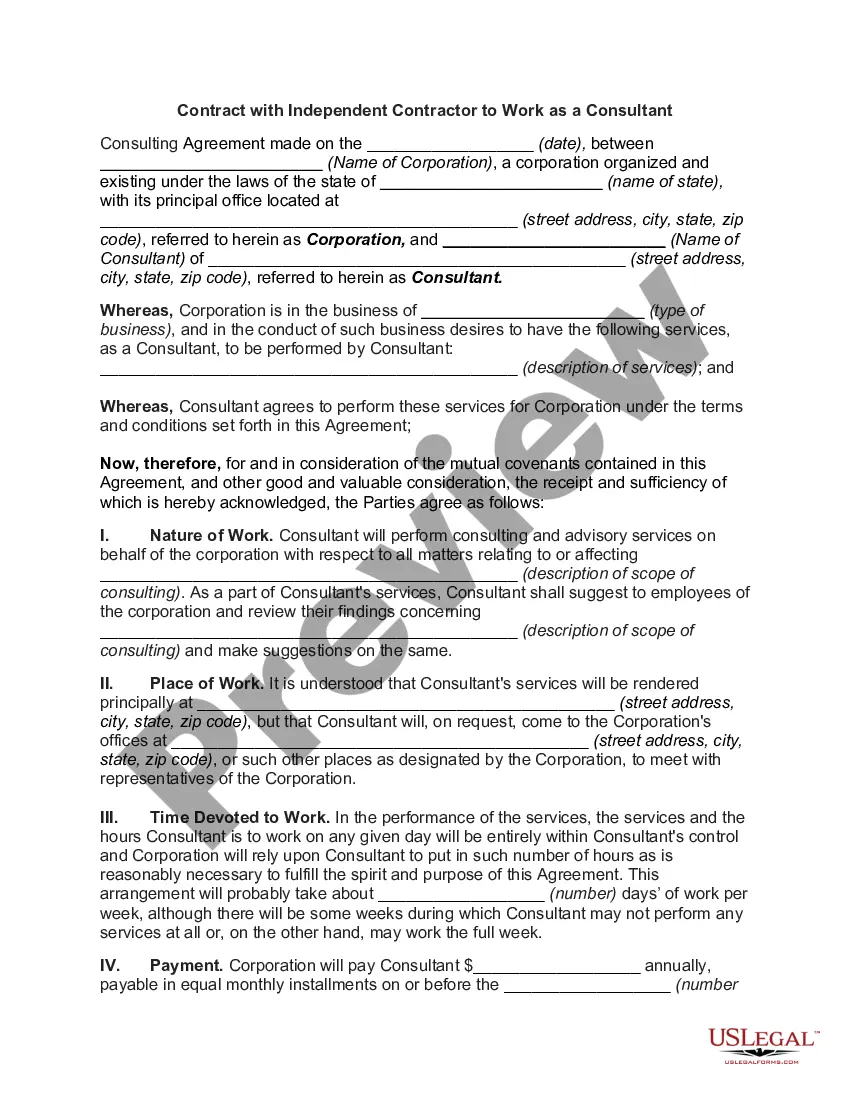
Consultant Work Contract For 1099 In Massachusetts
Description

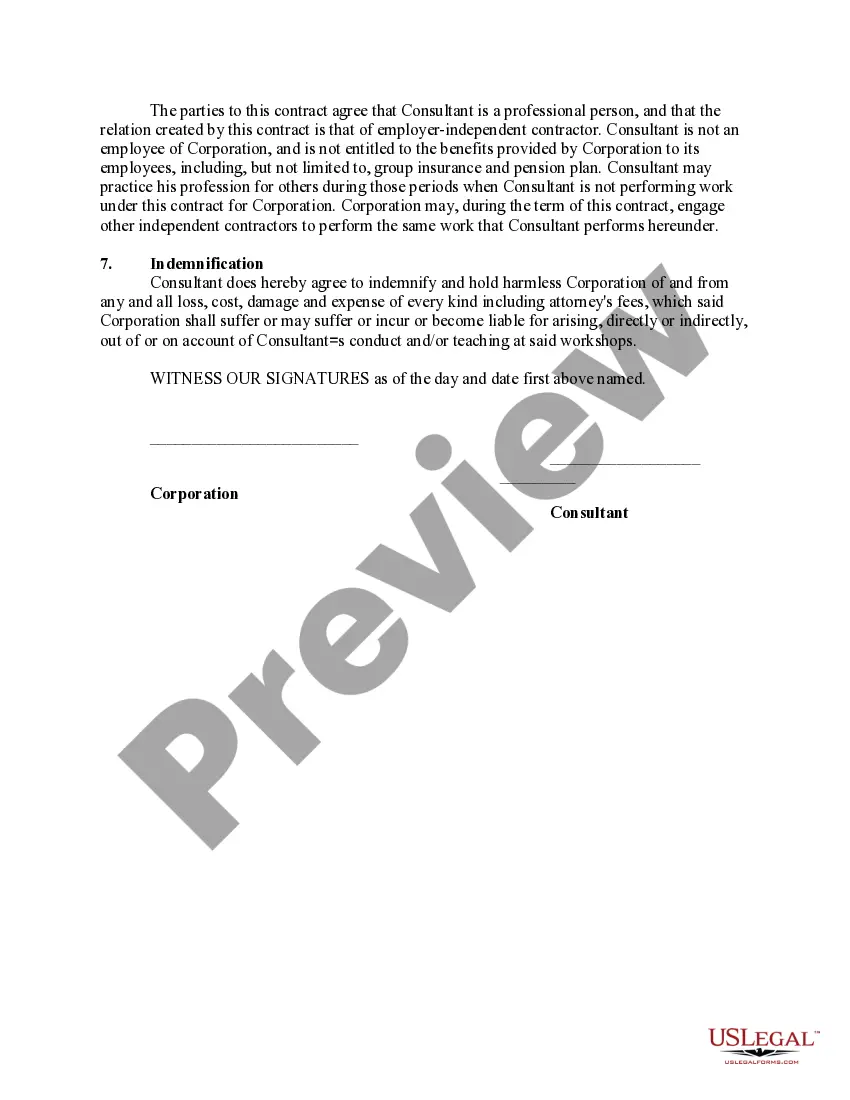
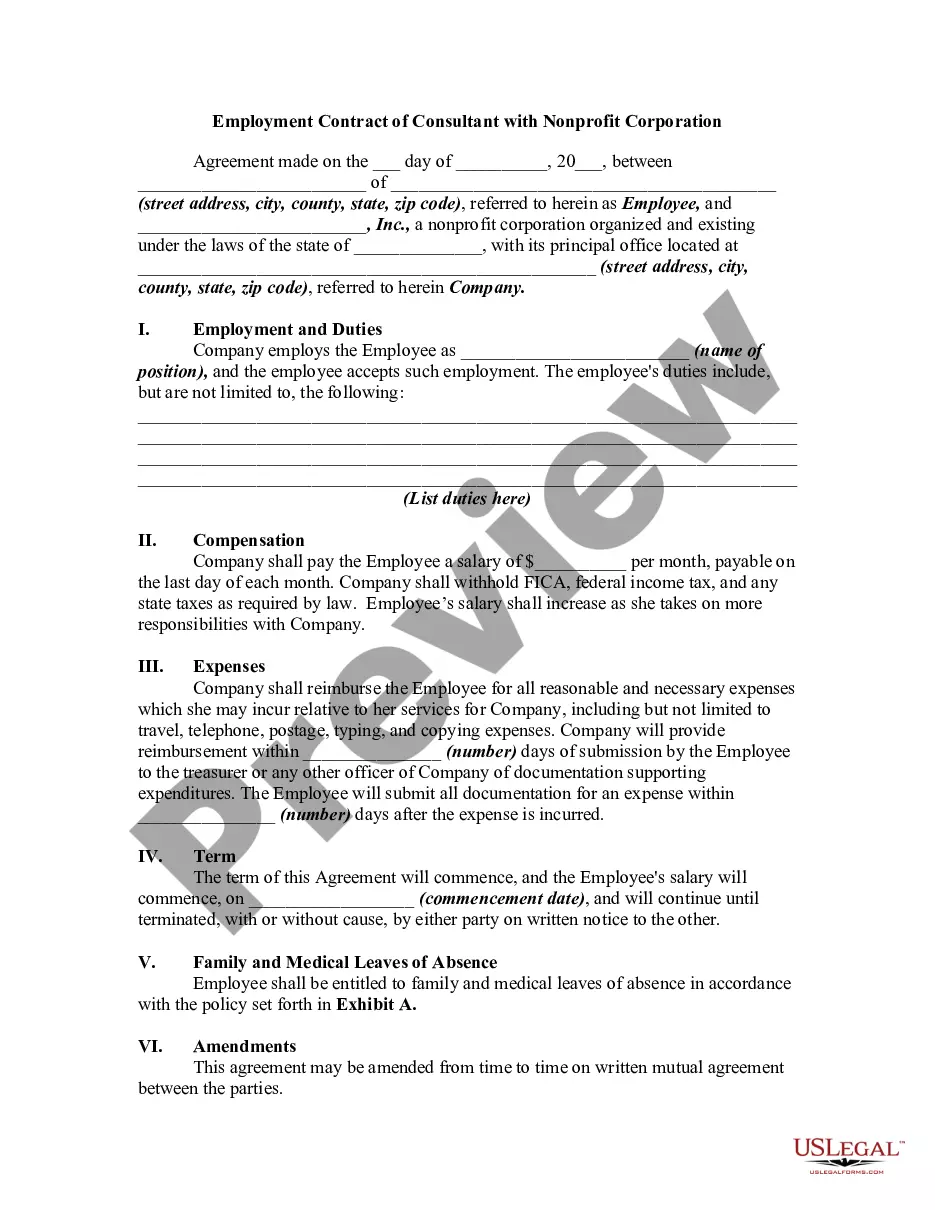
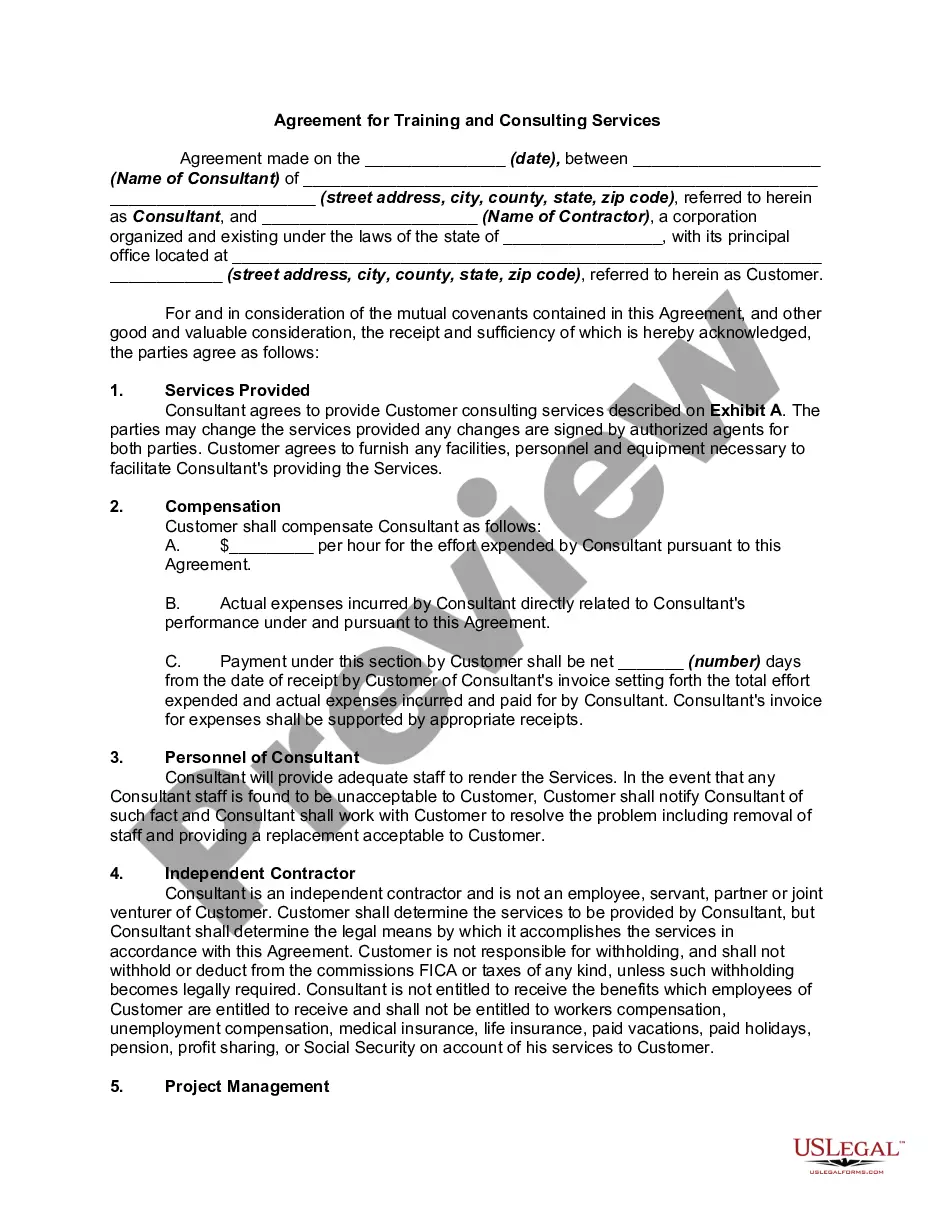
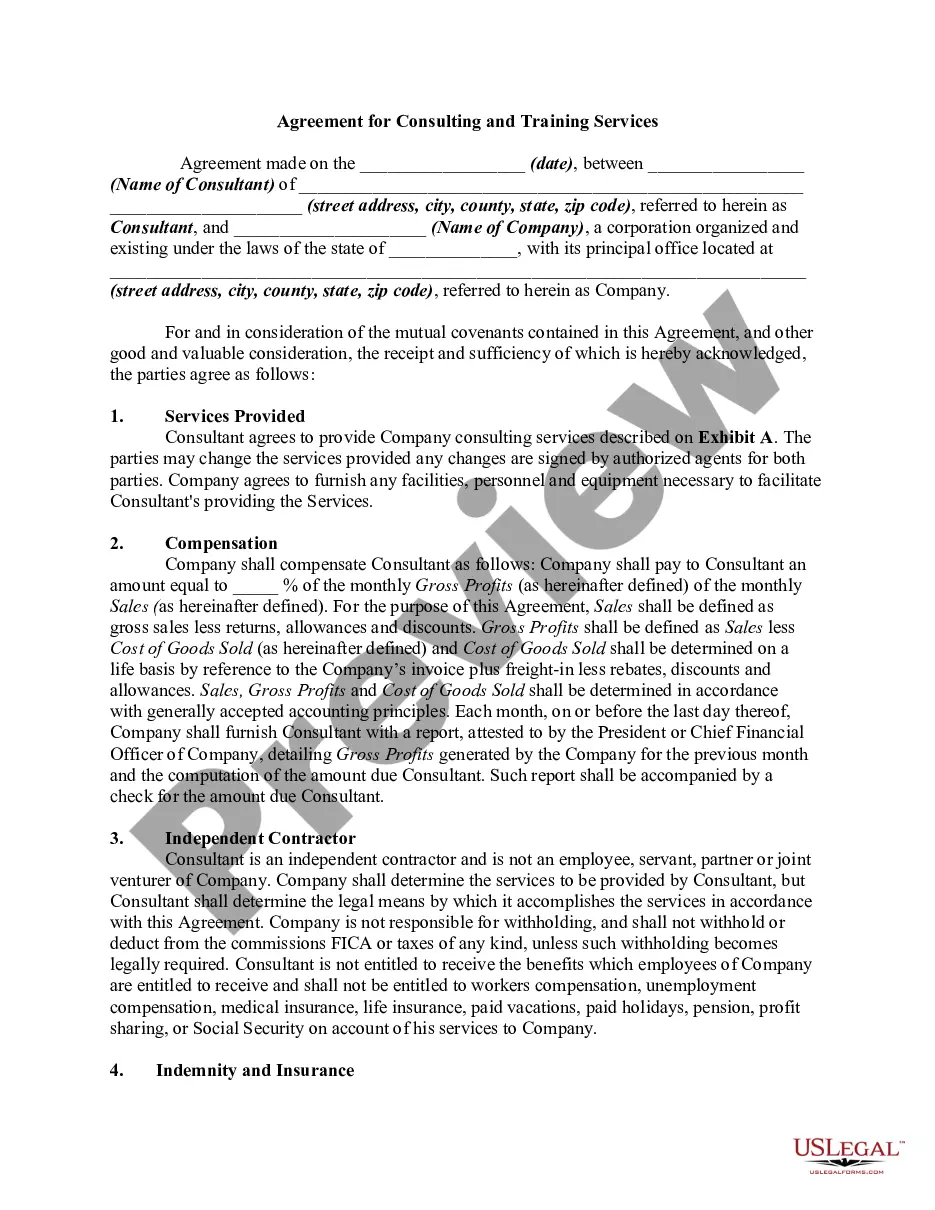
Get your form ready online
Our built-in tools help you complete, sign, share, and store your documents in one place.
Make edits, fill in missing information, and update formatting in US Legal Forms—just like you would in MS Word.
Download a copy, print it, send it by email, or mail it via USPS—whatever works best for your next step.
Sign and collect signatures with our SignNow integration. Send to multiple recipients, set reminders, and more. Go Premium to unlock E-Sign.
If this form requires notarization, complete it online through a secure video call—no need to meet a notary in person or wait for an appointment.
We protect your documents and personal data by following strict security and privacy standards.

Make edits, fill in missing information, and update formatting in US Legal Forms—just like you would in MS Word.

Download a copy, print it, send it by email, or mail it via USPS—whatever works best for your next step.

Sign and collect signatures with our SignNow integration. Send to multiple recipients, set reminders, and more. Go Premium to unlock E-Sign.

If this form requires notarization, complete it online through a secure video call—no need to meet a notary in person or wait for an appointment.

We protect your documents and personal data by following strict security and privacy standards.
Looking for another form?








Form popularity
FAQ
Leverage your professional network, join industry-specific job boards, and attend relevant conferences and events. Utilize LinkedIn to showcase your expertise and connect with potential clients. Additionally, consider working with staffing agencies that specialize in contract placements.
As a Massachusetts resident, you will owe both federal and state taxes. Filing your federal taxes involves putting your income on Form 1040 and Form 1040 Schedule C Profit of a Business. Because you are a self-employed contractor, you'll also need to file Form 1040-ES Estimated Tax for Individuals.
A consulting contract should offer a detailed description of the duties you will perform and the deliverables you promise the client. The agreement may also explain how much work you will perform at the client's office and how often you will work remotely.
Here are six best practices to write a consulting contract that defines your project scope and protects both you and your business. Define Duties, Deliverables, and Roles. Prepare for Potential Risk. Specify Project Milestones and Engagement Time. Identify Expenses and Outline Payment Terms. Specify Product Ownership.
Below are eight important points to consider including in an independent contractor agreement. Define a Scope of Work. Set a Timeline for the Project. Specify Payment Terms. State Desired Results and Agree on Performance Measurement. Detail Insurance Requirements. Include a Statement of Independent Contractor Relationship.
A Massachusetts independent contractor agreement is a legal document that establishes a relationship between a contractor and the entity/individual that hired them. A contractor agreement covers licenses, taxes, workers' compensation, insurance, termination, no-partnership, and other matters.
How to draft a contract in 13 simple steps Start with a contract template. Understand the purpose and requirements. Identify all parties involved. Outline key terms and conditions. Define deliverables and milestones. Establish payment terms. Add termination conditions. Incorporate dispute resolution.
Under Massachusetts General Law Chapter 149, Section 27C, employers who willfully misclassify workers are guilty of a criminal offense. A first-time offense carries up to $25,000 in fines and a year in jail. Subsequent offenses carry up to $50,000 in fines and two years in prison.
Income items included in both Massachusetts and federal taxable income but with differences: Capital Gains Massachusetts taxes most long-term gains at 5% and taxes long-term gains from the sale or exchange of collectibles at 12% (subject to a 50% deduction).
Do you need a license to be a general contractor in MA? Massachusetts general contractors who work on buildings of less than 35,000 cubic feet must have a license issued by the state. In some cases, you may also need to register as a home improvement contractor through the Office of Public Safety and Inspections.
