Contract For Training In Harris
Description

Get your form ready online
Our built-in tools help you complete, sign, share, and store your documents in one place.
Make edits, fill in missing information, and update formatting in US Legal Forms—just like you would in MS Word.
Download a copy, print it, send it by email, or mail it via USPS—whatever works best for your next step.
Sign and collect signatures with our SignNow integration. Send to multiple recipients, set reminders, and more. Go Premium to unlock E-Sign.
If this form requires notarization, complete it online through a secure video call—no need to meet a notary in person or wait for an appointment.
We protect your documents and personal data by following strict security and privacy standards.

Make edits, fill in missing information, and update formatting in US Legal Forms—just like you would in MS Word.

Download a copy, print it, send it by email, or mail it via USPS—whatever works best for your next step.

Sign and collect signatures with our SignNow integration. Send to multiple recipients, set reminders, and more. Go Premium to unlock E-Sign.

If this form requires notarization, complete it online through a secure video call—no need to meet a notary in person or wait for an appointment.

We protect your documents and personal data by following strict security and privacy standards.
Looking for another form?




Form popularity
FAQ
Some industries will require more compliance than others – the food, building or pharmaceutical industries are examples of these. But there are also some universal laws that most businesses might need to comply with such as basic first aid and health and safety, fire safety, GDPR and COSHH.
A law training contract is a two year period of practical learning undertaken by aspiring solicitors who have taken the Legal Practice Course (LPC) route to qualify as a solicitor.
Training agreements provide legal protection for employers. They can include clauses that allow employees to repay training expenses if they quit the company within a specific timeframe. This ensures the company can avoid the financial burden of training employees who end up leaving for other opportunities.
You shouldn't let this stop you from ensuring that your employees get relevant and up-to-date training. As an employer, you can implement a training agreement with your employee. This is a legally binding document that outlines the terms and conditions of the training you will be giving your team.
Ing to Boundy (2012), typically, a written contract will include: Date of agreement. Names of parties to the agreement. Preliminary clauses. Defined terms. Main contract clauses. Schedules/appendices and signature provisions (para. 5).
7 simple ways to impress while doing a training contract Communicate. Have good attention to detail. Take notes. Work hard. Be proactive. Build your network. Go above and beyond.
It is issued by your current or former university or your educational institution and serves to prove that the internship would be a part of your studies and related to your education. The agreement is signed by the sending institution (university), the receiving company, and you, the intern.
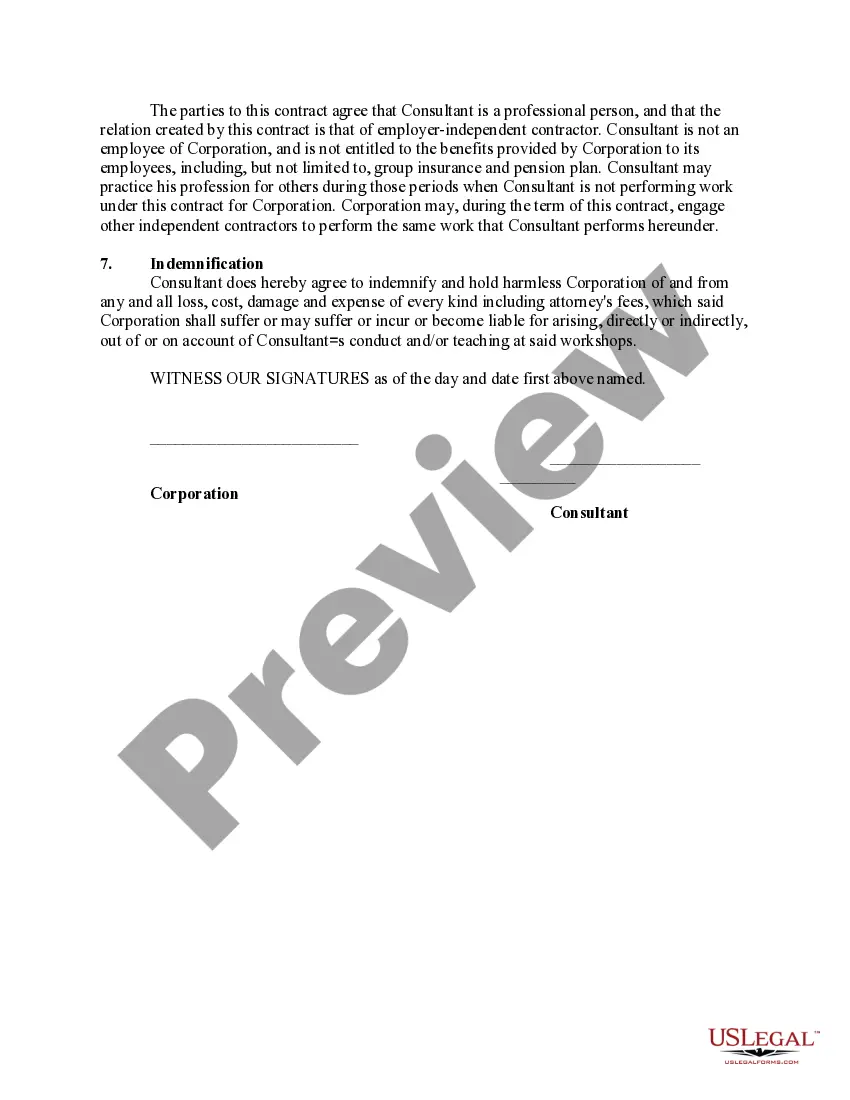
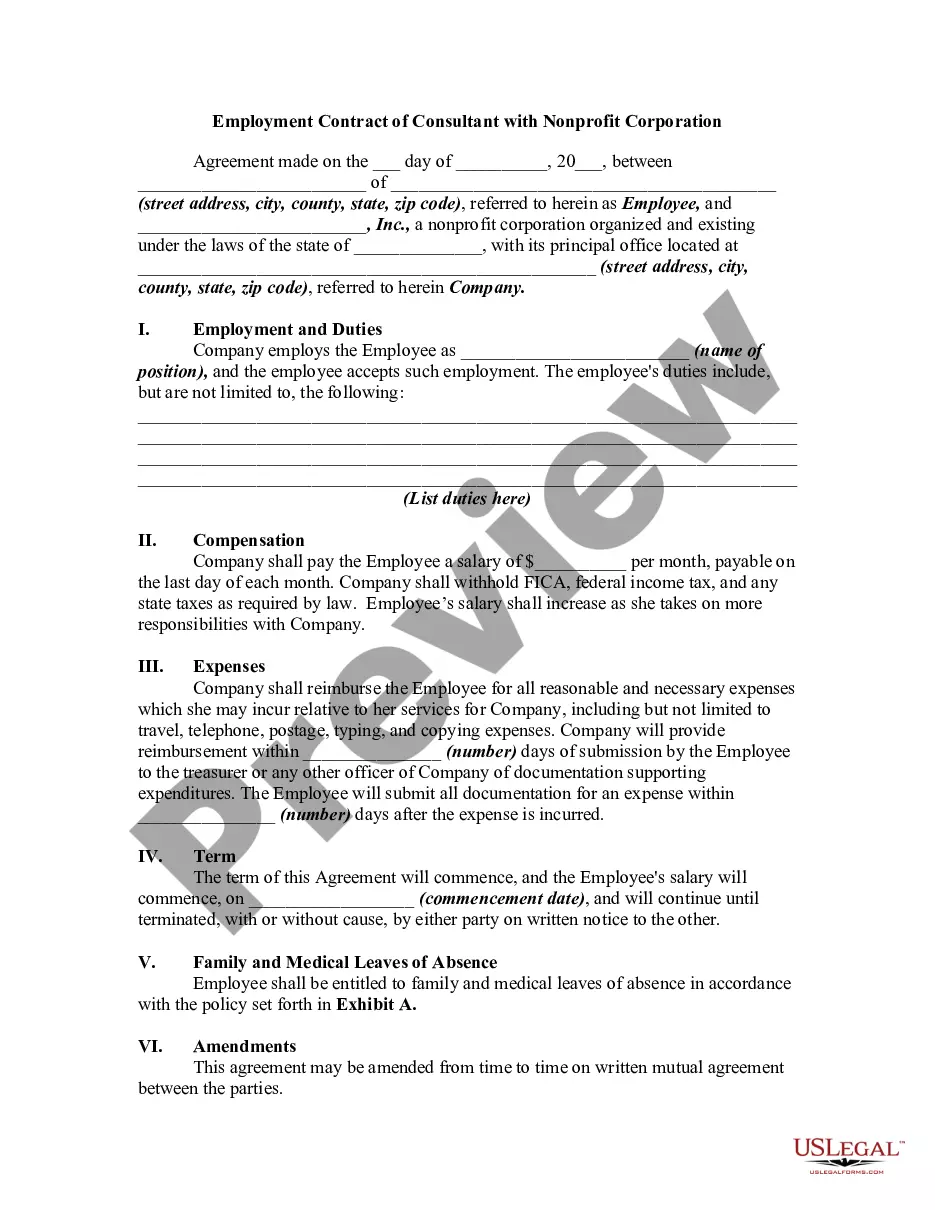
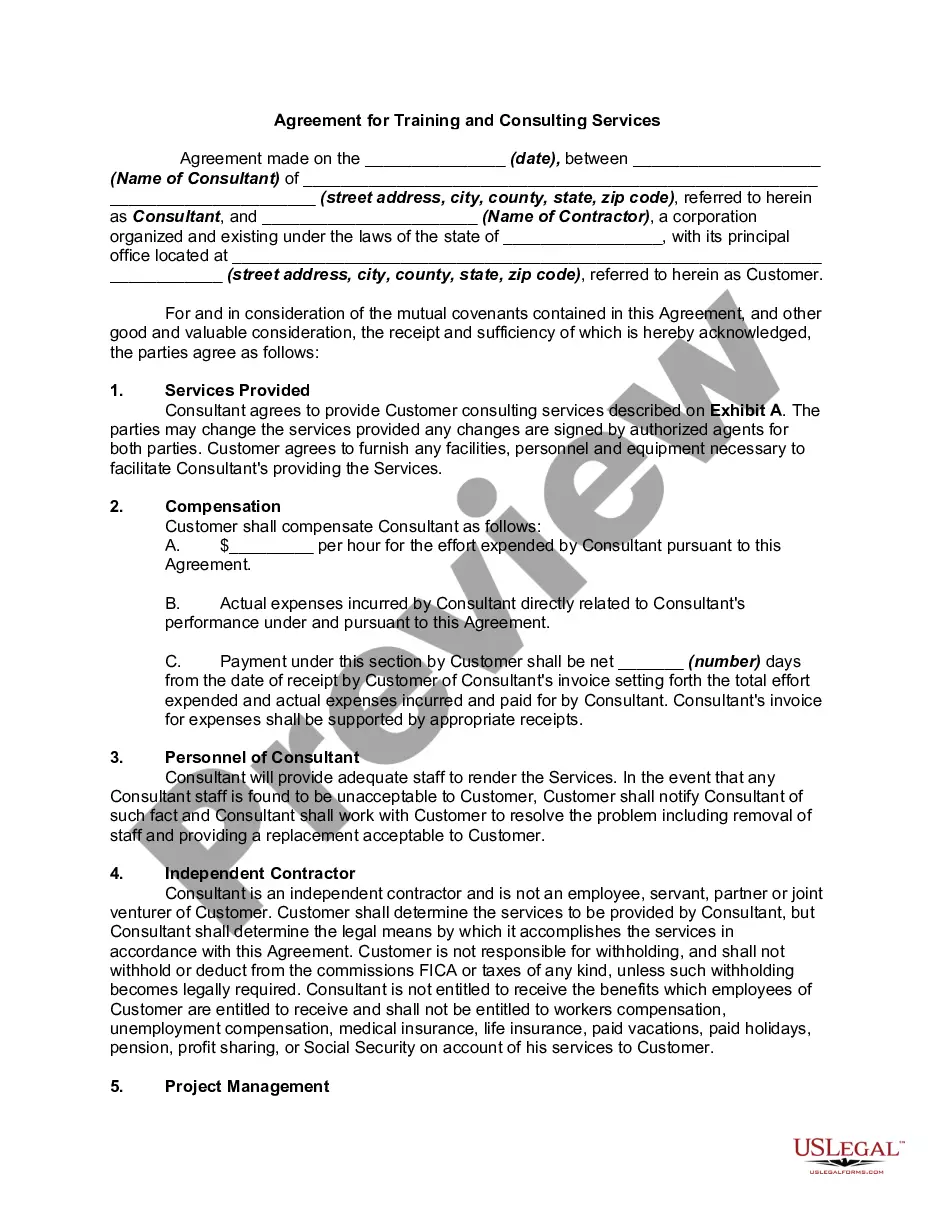
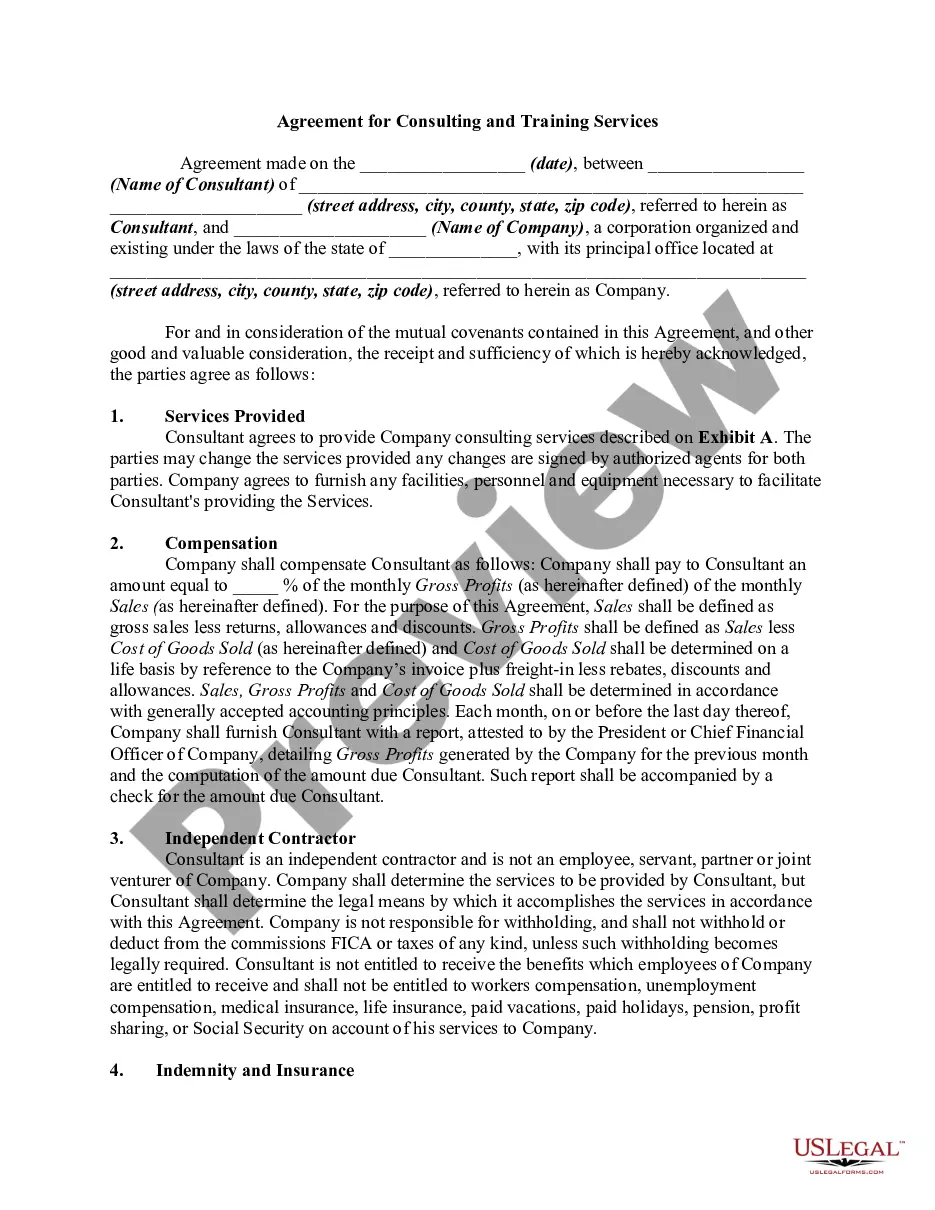
A training agreement is a written document, or contract, that specifies the conditions under which an employee will receive training from their employer. It typically includes details about the employee training programs, such as: The training duration. The costs involved.
Training plans can support individual and operational success by offering a clear roadmap for goal achievement. This can help individuals and organizations stay focused and on track. A well-designed training plan provides a structured approach to the larger goal, breaking it down into smaller, more manageable tasks.