Consultant Contract Agreement Format India In Franklin
Description

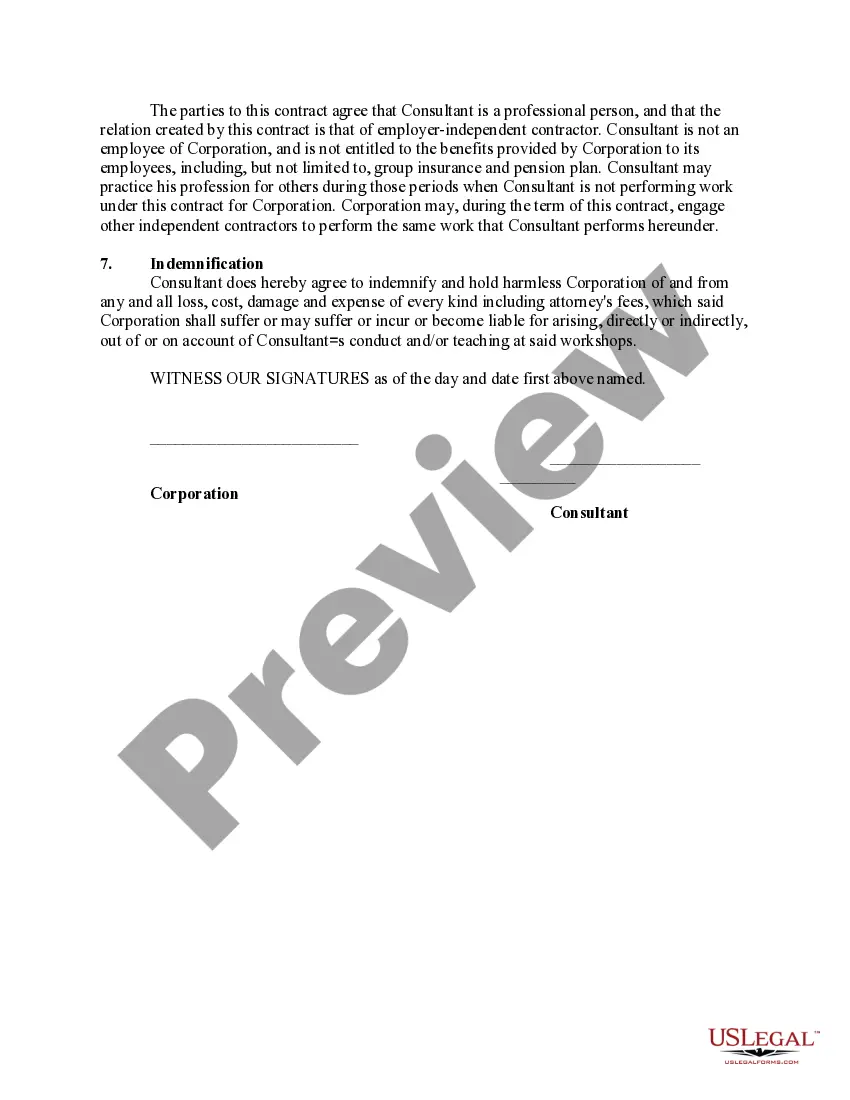
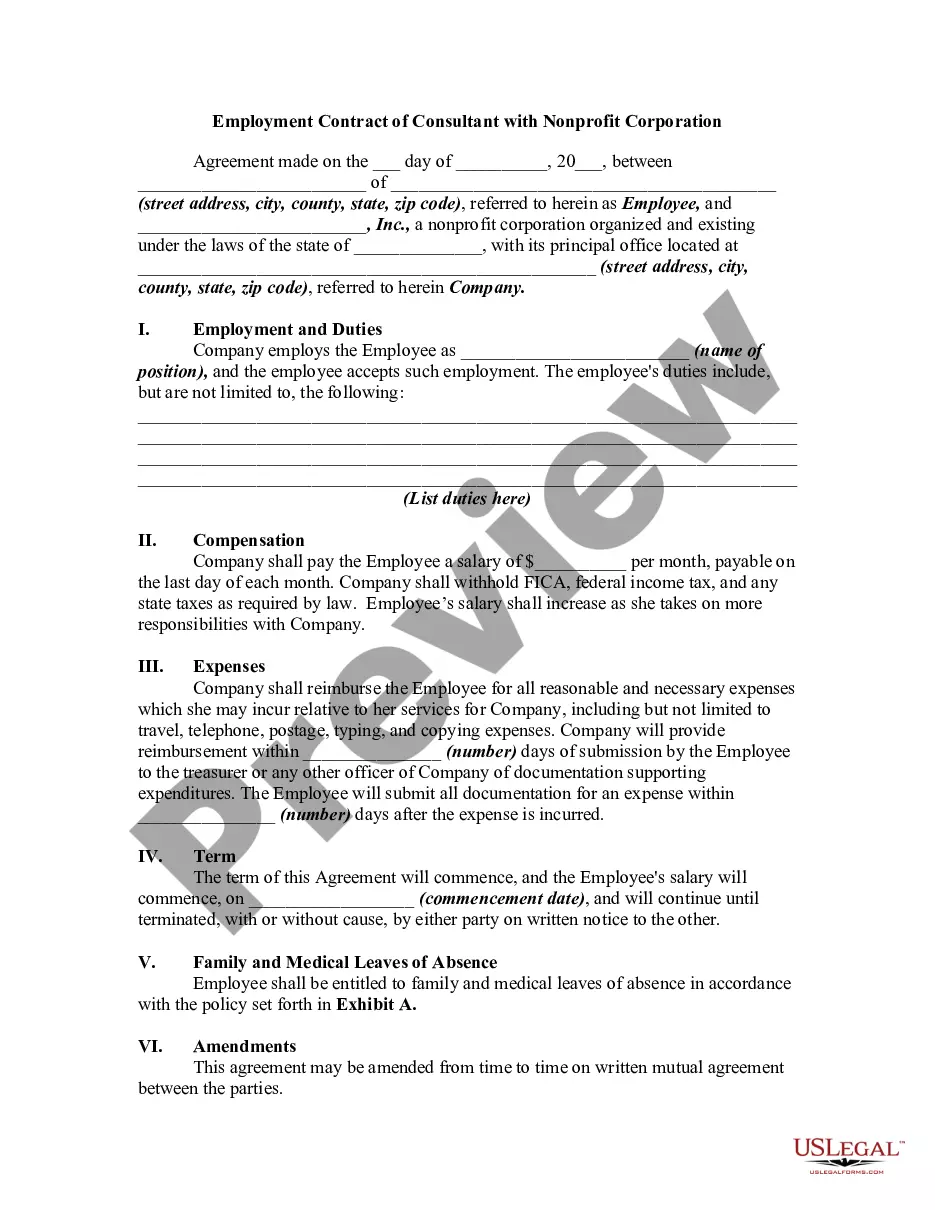
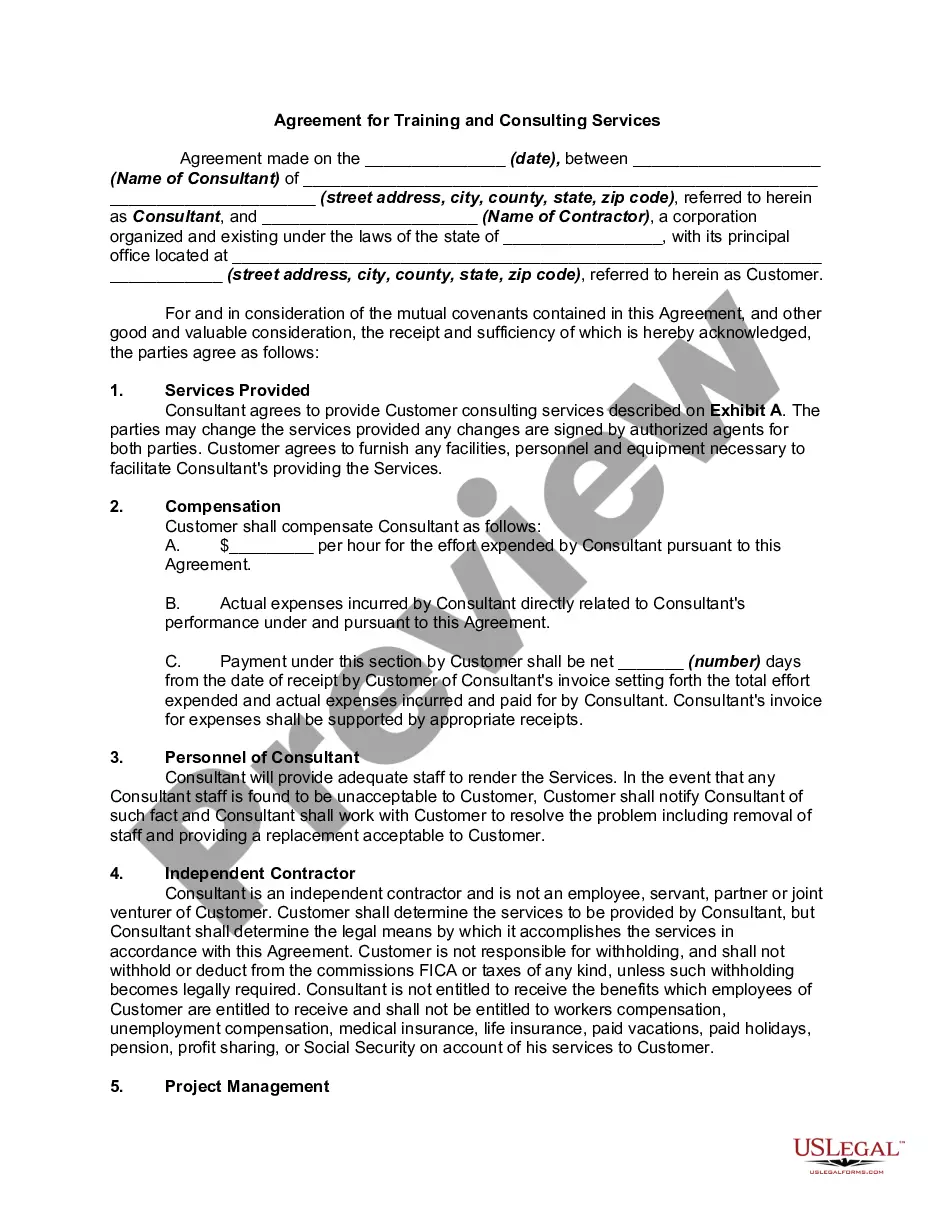
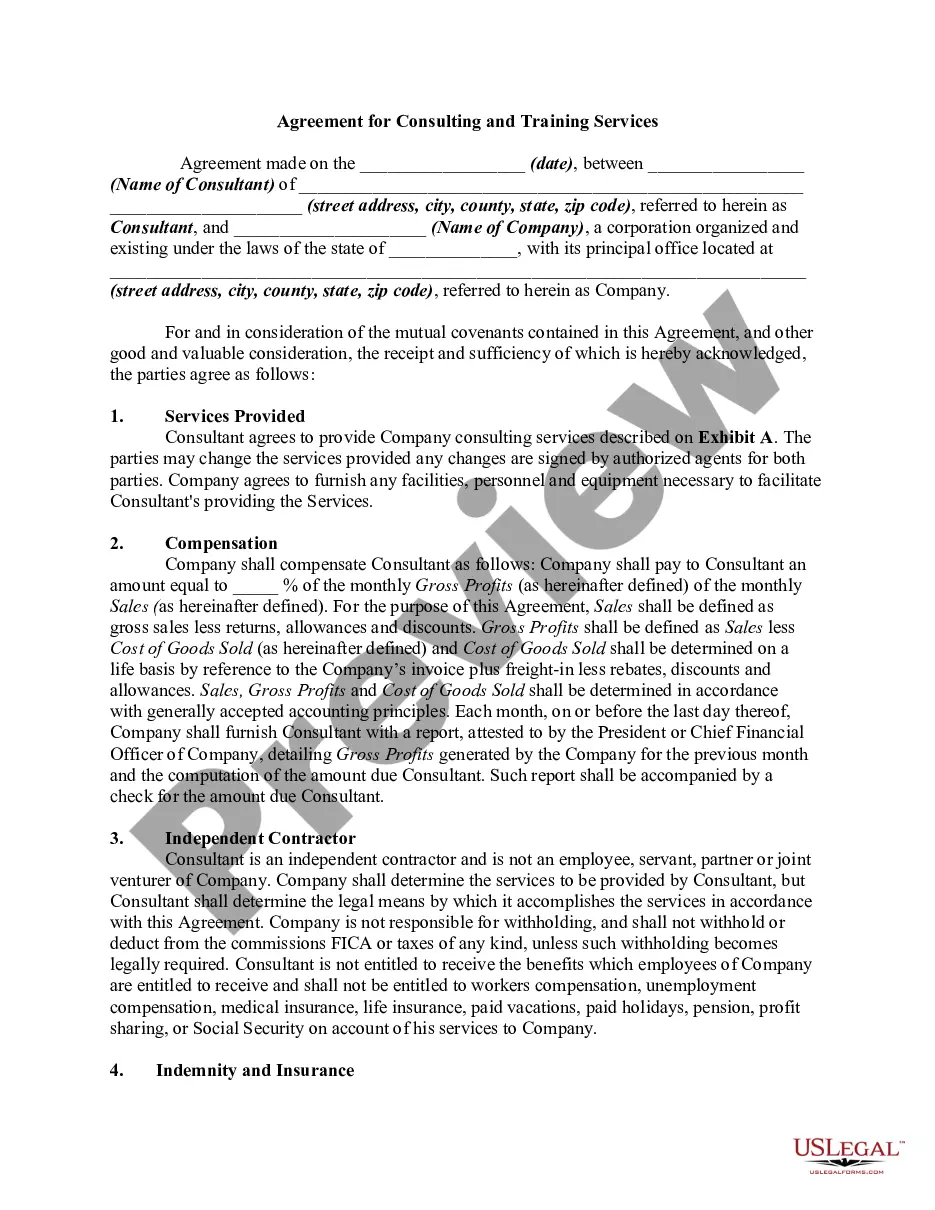
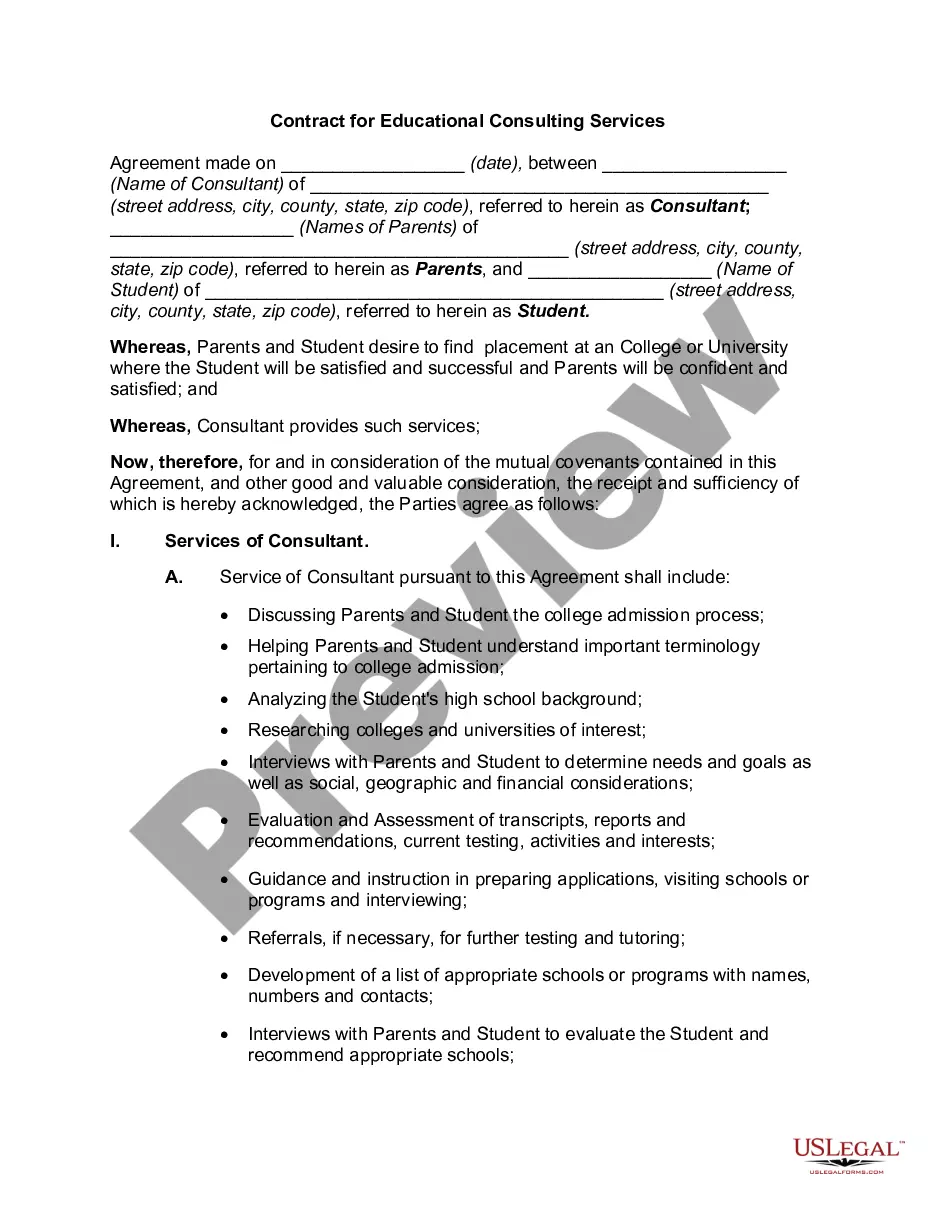
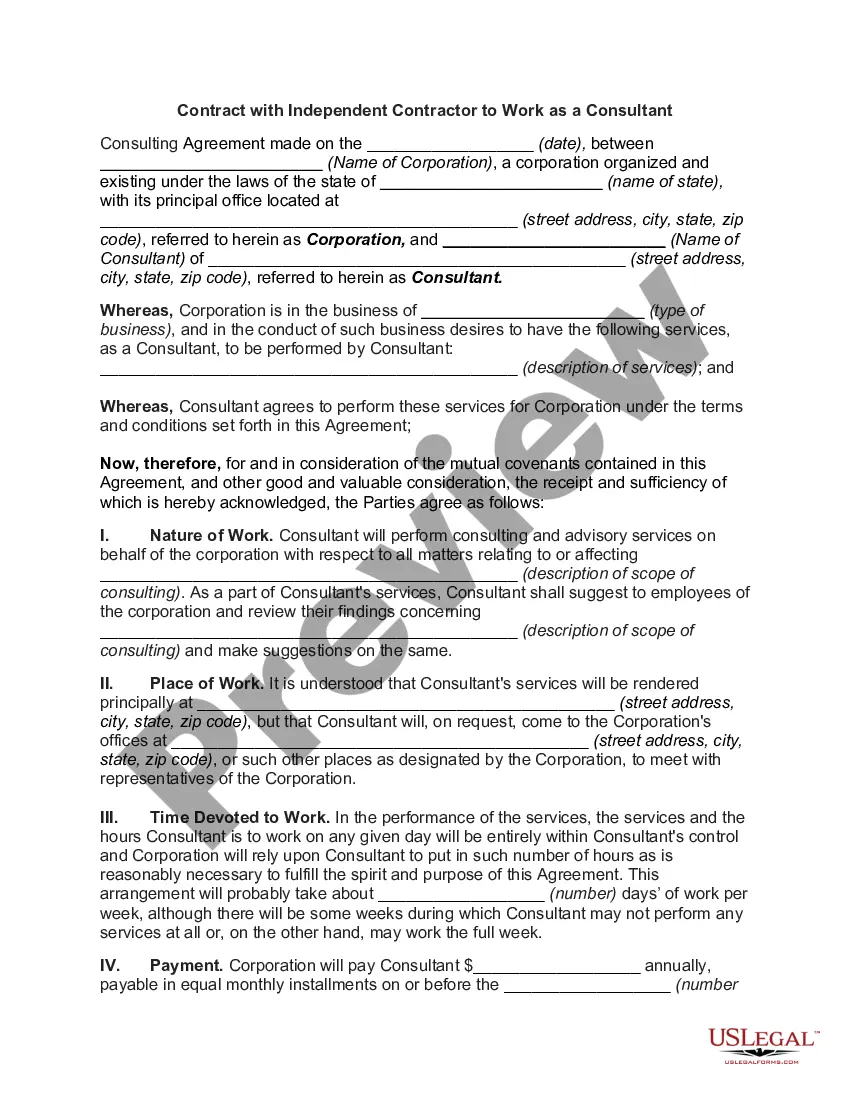
Get your form ready online
Our built-in tools help you complete, sign, share, and store your documents in one place.
Make edits, fill in missing information, and update formatting in US Legal Forms—just like you would in MS Word.
Download a copy, print it, send it by email, or mail it via USPS—whatever works best for your next step.
Sign and collect signatures with our SignNow integration. Send to multiple recipients, set reminders, and more. Go Premium to unlock E-Sign.
If this form requires notarization, complete it online through a secure video call—no need to meet a notary in person or wait for an appointment.
We protect your documents and personal data by following strict security and privacy standards.

Make edits, fill in missing information, and update formatting in US Legal Forms—just like you would in MS Word.

Download a copy, print it, send it by email, or mail it via USPS—whatever works best for your next step.

Sign and collect signatures with our SignNow integration. Send to multiple recipients, set reminders, and more. Go Premium to unlock E-Sign.

If this form requires notarization, complete it online through a secure video call—no need to meet a notary in person or wait for an appointment.

We protect your documents and personal data by following strict security and privacy standards.
Looking for another form?










Form popularity
FAQ
The key difference between liquidated damages and penalties is that liquidated damages are intended to compensate the non-breaching party for actual damages suffered, while penalties are intended to punish the breaching party.
When an SLA commitment is not met, a penalty or credit can be issued to compensate for the breach of the SLA commitment. For example, you agree to replace an asset part for a customer and the customer must deliver the unusable part to a designated location within 3 days.
When a sum specified as payable is extravagant or totally out of proportion to the range of possible losses that might be incurred, the provision will be a penalty and unenforceable to the extent that the sum is greater than the party's actual loss.
Here are six best practices to write a consulting contract that defines your project scope and protects both you and your business. Define Duties, Deliverables, and Roles. Prepare for Potential Risk. Specify Project Milestones and Engagement Time. Identify Expenses and Outline Payment Terms. Specify Product Ownership.
Drafting, in legal sense, means an act of preparing the Legal Documents like agreements, contracts, deeds, etc. A proper understanding of drafting cannot be realised unless the nexus between the Law, the facts and the language is fully understood and accepted.
Can anyone write a contract? If you're worried about whether you have the right qualifications or experience to write a contract, you can relax — there are no requirements dictating who can or cannot write a contract. After all, a contract is simply a written agreement between two or more parties.
Drafting of an Effective Agreement or Contract Intention of the parties. Reasons why the parties are entering the agreement. Subject matter of the Agreement, eg. Consideration. Time period of the agreement. Termination of the agreement and its consequences. Exit options of the parties. Important timelines, if any.
Write the contract in six steps Start with a contract template. Open with the basic information. Describe in detail what you have agreed to. Include a description of how the contract will be ended. Write into the contract which laws apply and how disputes will be resolved. Include space for signatures.
Ing to Boundy (2012), typically, a written contract will include: Date of agreement. Names of parties to the agreement. Preliminary clauses. Defined terms. Main contract clauses. Schedules/appendices and signature provisions (para. 5).
