Contracts For Contract Workers In Cuyahoga
Description

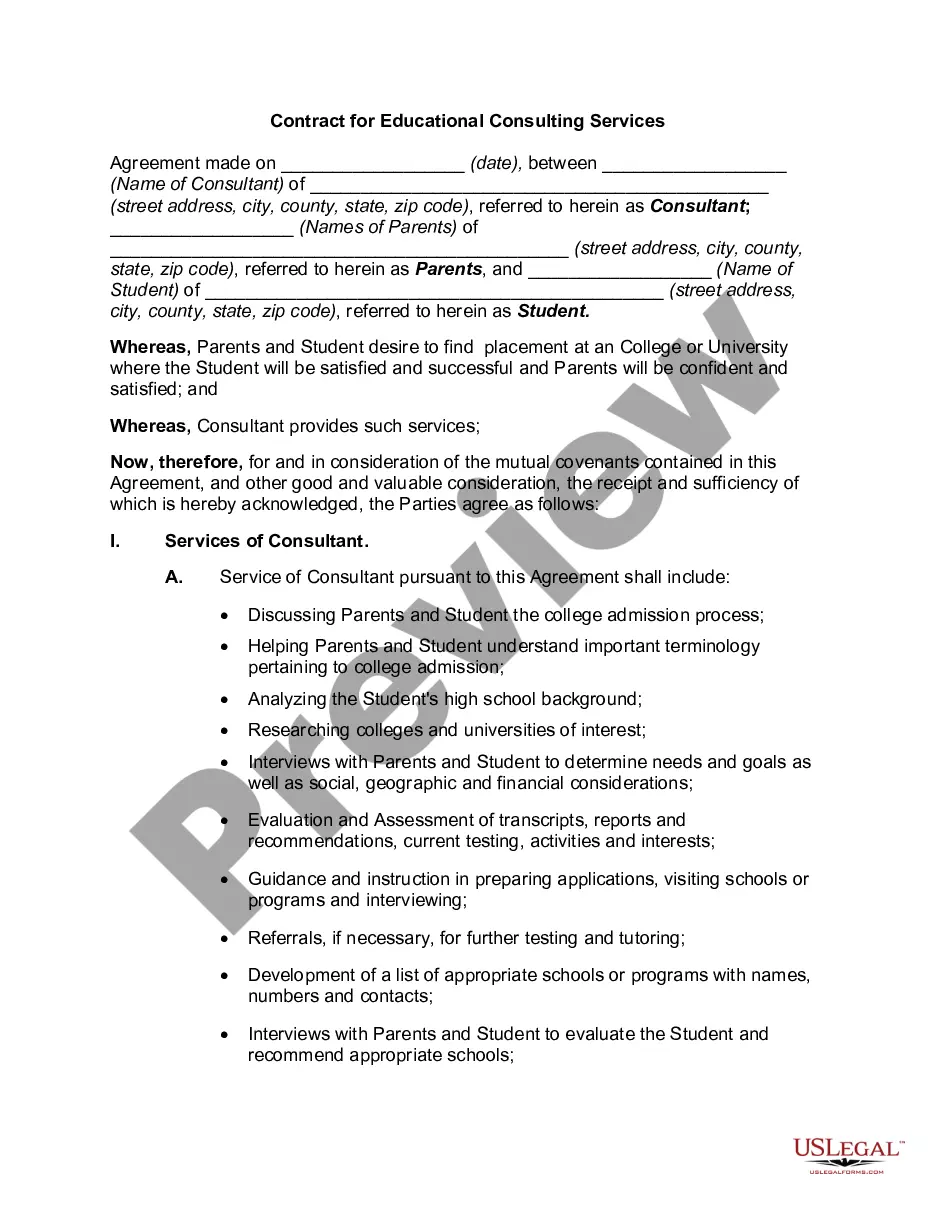
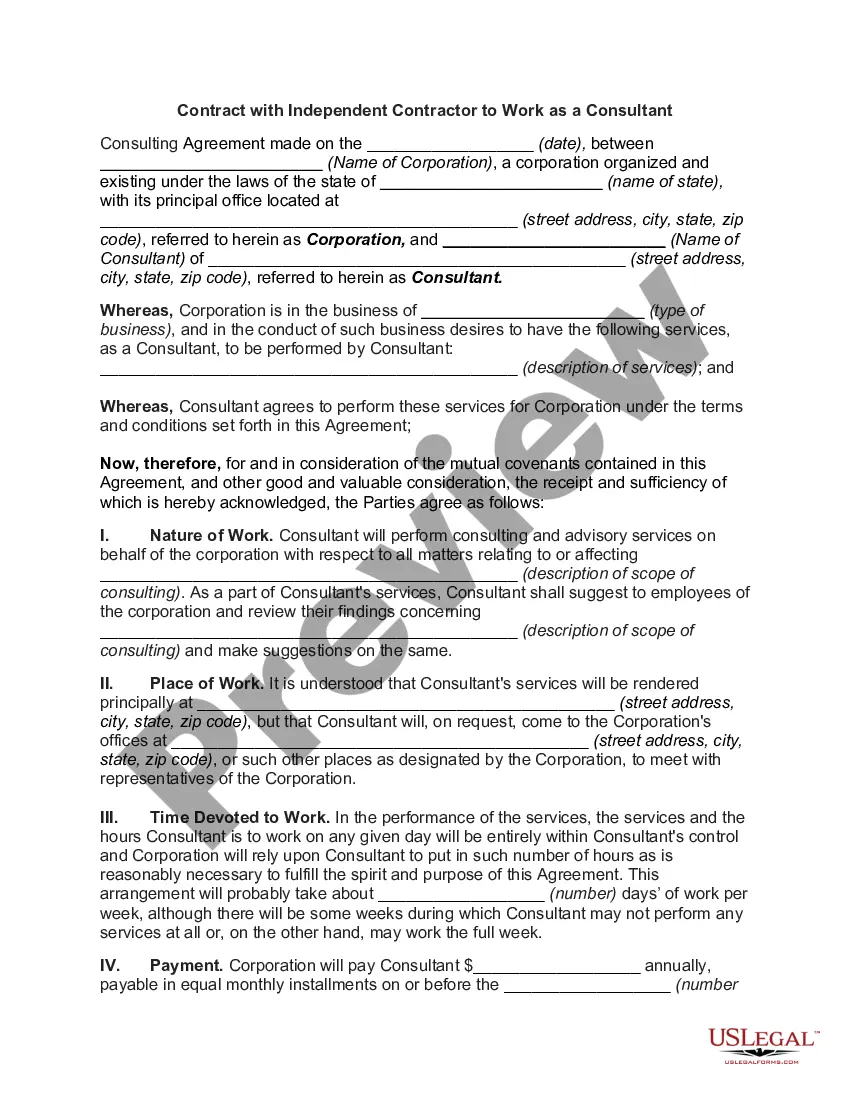
Get your form ready online
Our built-in tools help you complete, sign, share, and store your documents in one place.
Make edits, fill in missing information, and update formatting in US Legal Forms—just like you would in MS Word.
Download a copy, print it, send it by email, or mail it via USPS—whatever works best for your next step.
Sign and collect signatures with our SignNow integration. Send to multiple recipients, set reminders, and more. Go Premium to unlock E-Sign.
If this form requires notarization, complete it online through a secure video call—no need to meet a notary in person or wait for an appointment.
We protect your documents and personal data by following strict security and privacy standards.

Make edits, fill in missing information, and update formatting in US Legal Forms—just like you would in MS Word.

Download a copy, print it, send it by email, or mail it via USPS—whatever works best for your next step.

Sign and collect signatures with our SignNow integration. Send to multiple recipients, set reminders, and more. Go Premium to unlock E-Sign.

If this form requires notarization, complete it online through a secure video call—no need to meet a notary in person or wait for an appointment.

We protect your documents and personal data by following strict security and privacy standards.
Looking for another form?







Form popularity
FAQ
HOW TO WRITE A BUSINESS CONTRACT USE PLAIN LANGUAGE. The clearer and simpler your business contracts are, the better. IDENTIFY THE 5 W'S. Include all of the relevant details in your contract. INCLUDE PAYMENT INFORMATION. DESCRIBE TERMINATION PROCEDURES. INCLUDE DISPUTE RESOLUTION.
Ing to Boundy (2012), typically, a written contract will include: Date of agreement. Names of parties to the agreement. Preliminary clauses. Defined terms. Main contract clauses. Schedules/appendices and signature provisions (para. 5).
Write the contract with the proper formatting. When writing a contract, you should include an introductory section that lists and defines all of the interested parties. A well-constructed contract will cover its duration and the specifics regarding the terms of the agreement between the parties.
To be legally enforceable, an agreement must contain all of the following criteria: An offer and acceptance; Certainty of terms; Consideration; An intention to create legal relations; Capacity of the parties; and, Legality of purpose.
Following this step-by-step checklist will mean that you can write your contract with confidence: Know your parties. Agree on the terms. Set clear boundaries. Spell out the consequences. Specify how you will resolve disputes. Cover confidentiality. Check the legality of the contract. Open it up to negotiation.
A collective bargaining agreement (CBA), also known as a union contract, is a written legal contract between an employer and a union representing employees. This agreement results from an extensive negotiation process covering essential topics such as wages, work hours and employment conditions.
Generally, union contracts last anywhere from two to five years — around when the contract ends, you and your employer come together to bargain over updates and changes to your existing contract through the same bargaining process we do when we make a first contract.
Guide to writing contracts of employment Names of the parties. The full details of the business, and the employee's full name and address. Employment contract start date. Employee's job title and description. Workplace. Working hours. Probationary period. Salary. Deductions.
A collective bargaining agreement (CBA), also known as a union contract, is a written legal contract between an employer and a union representing employees. This agreement results from an extensive negotiation process covering essential topics such as wages, work hours and employment conditions.
A contract generally includes information about the rights and responsibilities of the parties involved, the expectations between those parties, payment arrangements, how many parties are involved, and more. These details are essential if you want to maximize efficiency and profit.
