Difference Between A Commercial And Retail Lease In North Carolina
Description
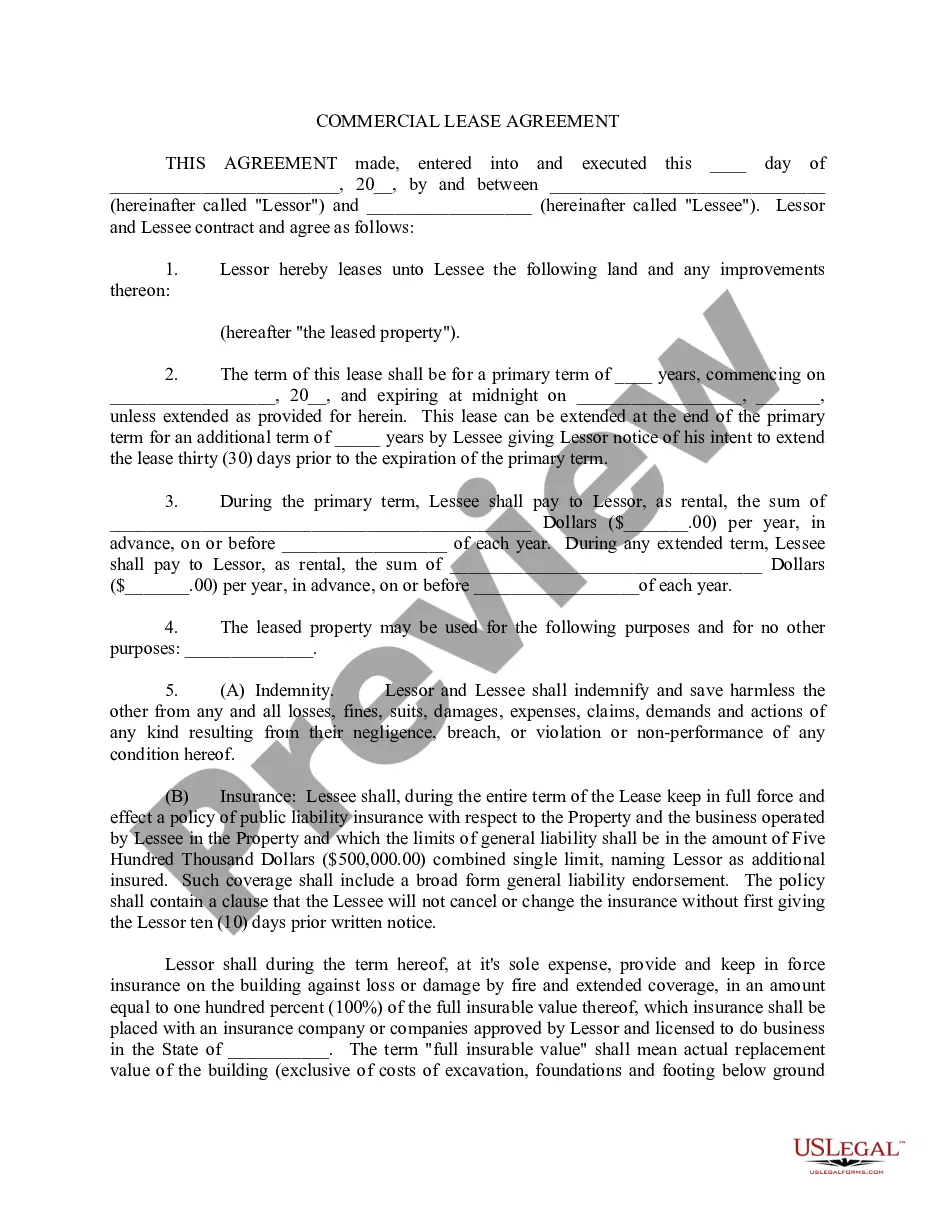
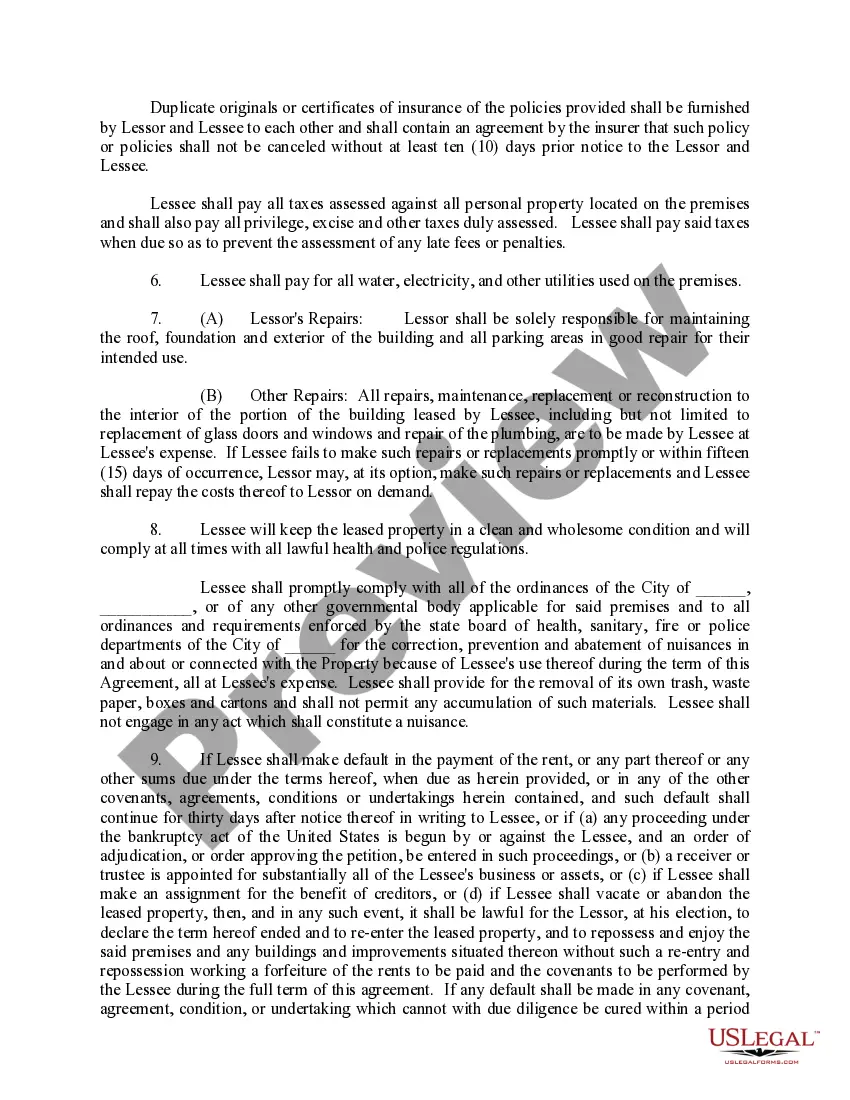
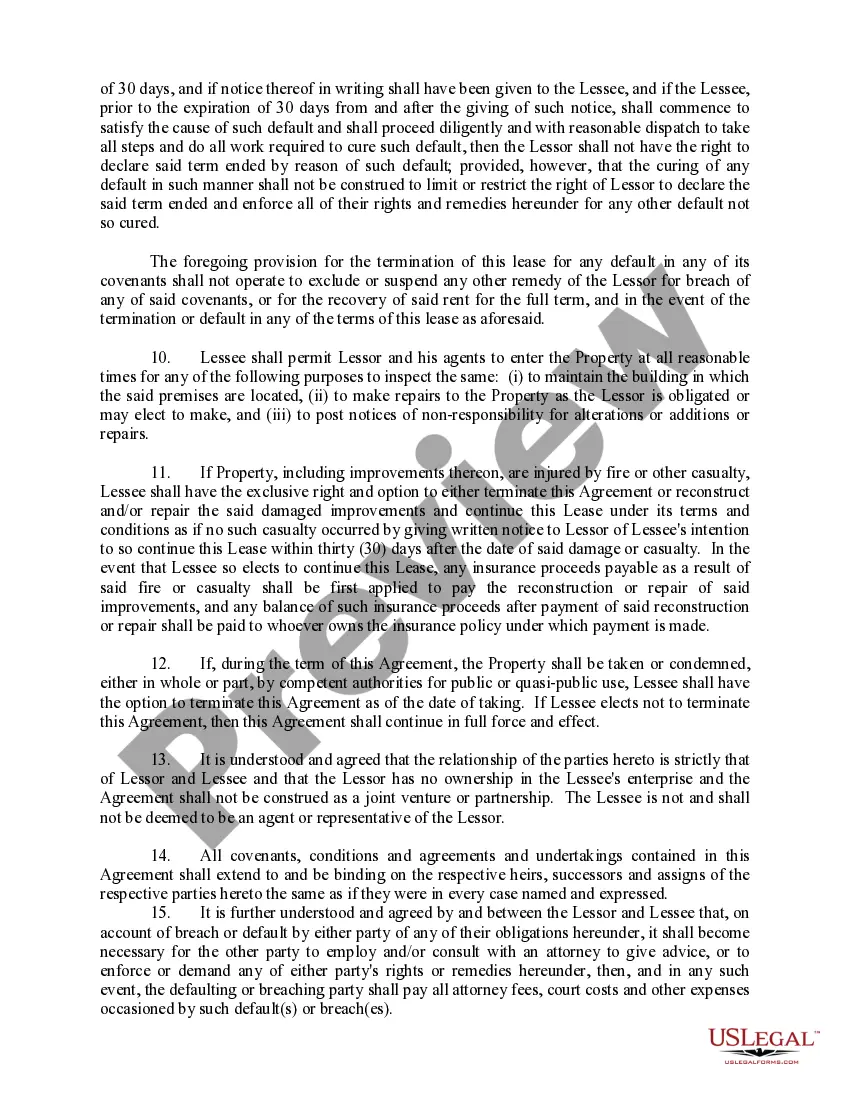
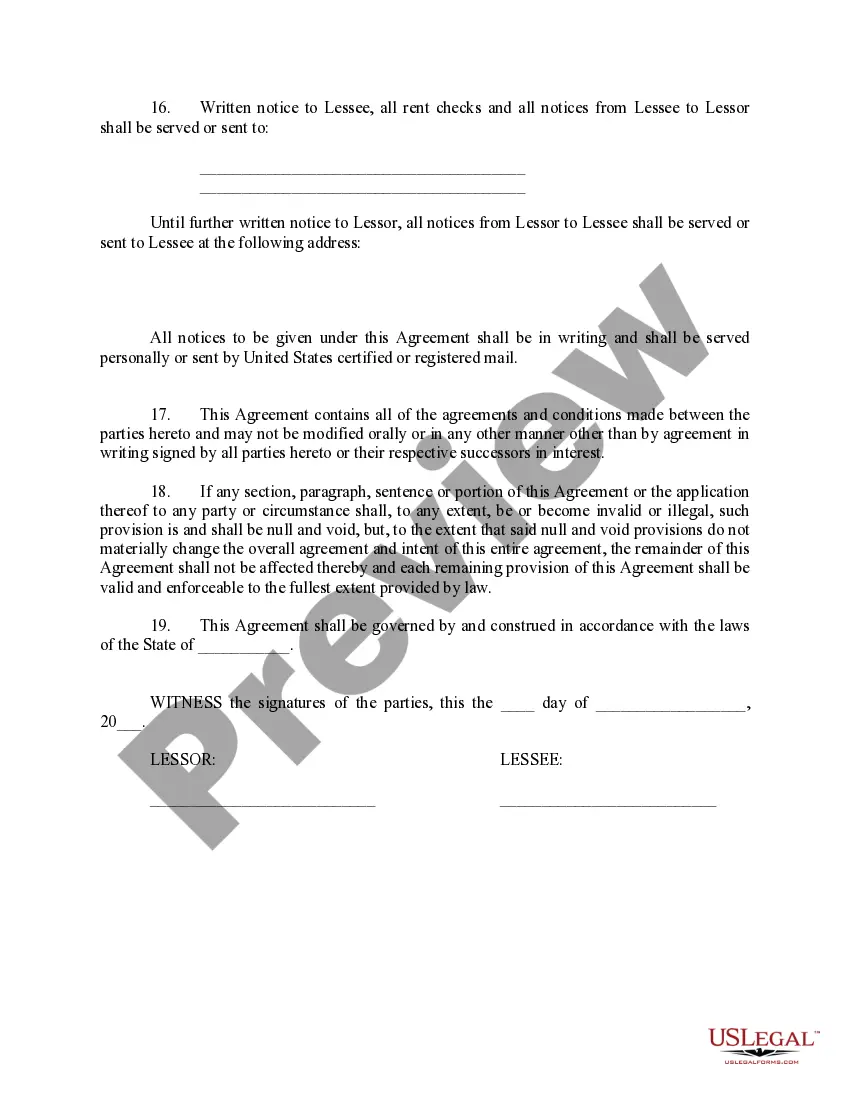

Get your form ready online
Our built-in tools help you complete, sign, share, and store your documents in one place.
Make edits, fill in missing information, and update formatting in US Legal Forms—just like you would in MS Word.
Download a copy, print it, send it by email, or mail it via USPS—whatever works best for your next step.
Sign and collect signatures with our SignNow integration. Send to multiple recipients, set reminders, and more. Go Premium to unlock E-Sign.
If this form requires notarization, complete it online through a secure video call—no need to meet a notary in person or wait for an appointment.
We protect your documents and personal data by following strict security and privacy standards.

Make edits, fill in missing information, and update formatting in US Legal Forms—just like you would in MS Word.

Download a copy, print it, send it by email, or mail it via USPS—whatever works best for your next step.

Sign and collect signatures with our SignNow integration. Send to multiple recipients, set reminders, and more. Go Premium to unlock E-Sign.

If this form requires notarization, complete it online through a secure video call—no need to meet a notary in person or wait for an appointment.

We protect your documents and personal data by following strict security and privacy standards.
Looking for another form?






Form popularity
FAQ
What is the key difference between a North Carolina residential contract and commercial contract? Commercial contracts include extra verbiage related to closing responsibilities.
The tenancy agreement should include: the deposit amount and how it will be protected. when the deposit can be fully or partly withheld, for example to repair damage caused by tenants. the property address. the start and end date of the tenancy. any tenant or landlord obligations. which bills your tenants are responsible for.
Cities have rules about how different areas can be used. Retail spaces typically are allowed in zones meant for shopping and mixed-use areas. Commercial spaces are more limited to location. For example, a factory would need to be in an industrial zone, while an office could be in a business district.
A gross lease, also known as a full-service lease, is the most common type of commercial lease agreement. In this type of lease, the lessee is responsible for paying the base rent and the lessor generally handles any other building expenses, such as utilities, maintenance costs, taxes, and insurance.
Key Commercial Lease Types Explained Gross Lease. Often found in office buildings and retail spaces, gross leases provide a simple, all-inclusive rental arrangement. Net Lease. In net leases, the tenant assumes a more significant share of responsibility for building expenses. Modified Gross Lease. Percentage Lease.
The gross lease is MOST commonly used for residential leases. T/F Leases for space in a shopping mall are usually percentage leases.
The retail banking model caters to the general public, with bank branches strategically placed across a city that works with retail customers on a regular basis. Commercial banking, on the other hand, helps businesses raise funds, extend loans, and offer advice.
A retail lease is used where there is a sale of goods or services, often in a shopping centre (cluster of 5 or more stores). A commercial lease is used for warehouse, industrial or office space premises.
Gross Lease Gross leases are most common for commercial properties such as offices and retail space. The tenant pays a single, flat amount that includes rent, taxes, utilities, and insurance. The landlord is responsible for paying taxes, utilities, and insurance from the rent fees.
