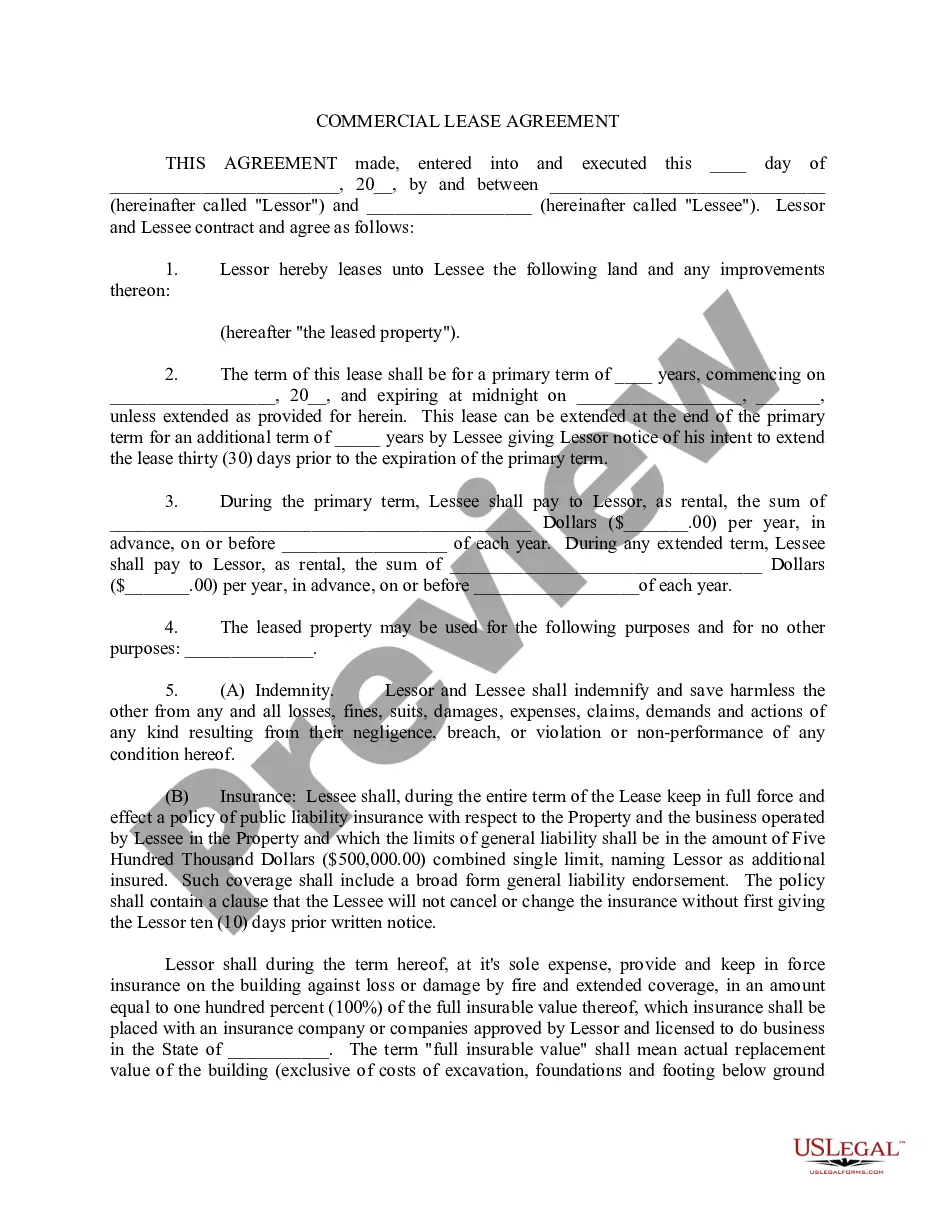
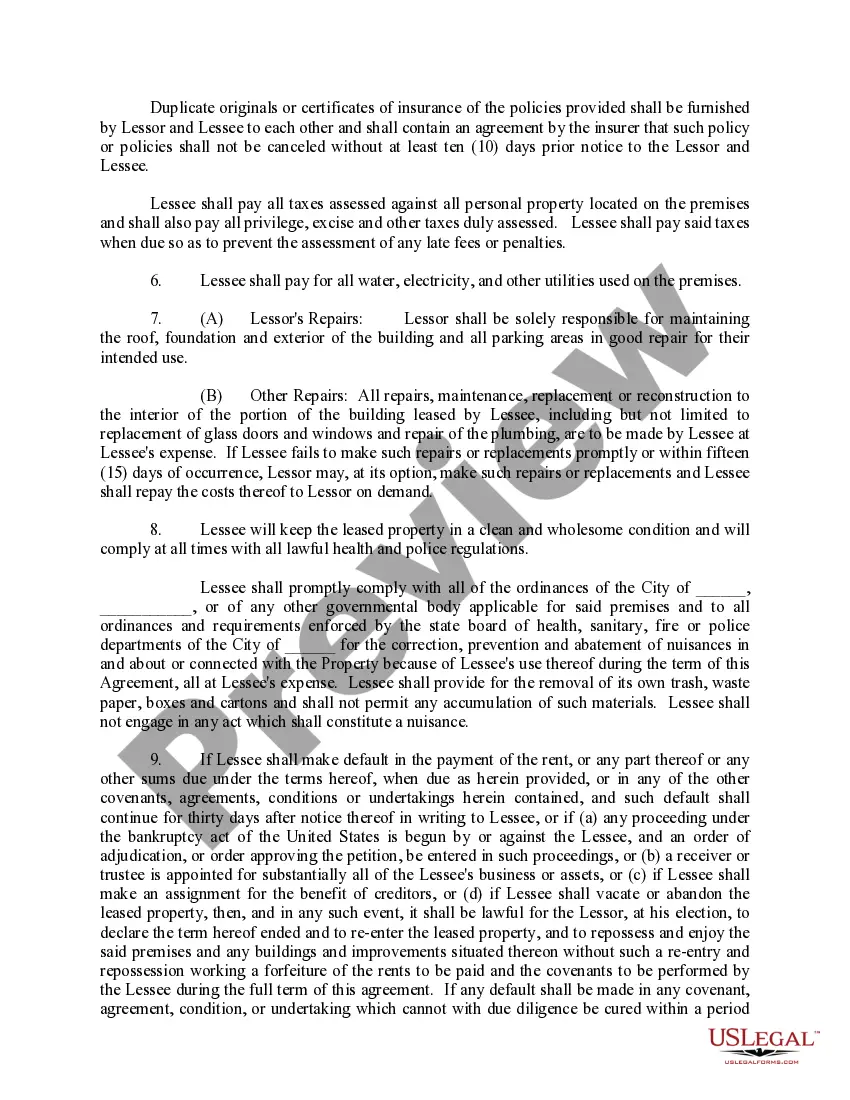
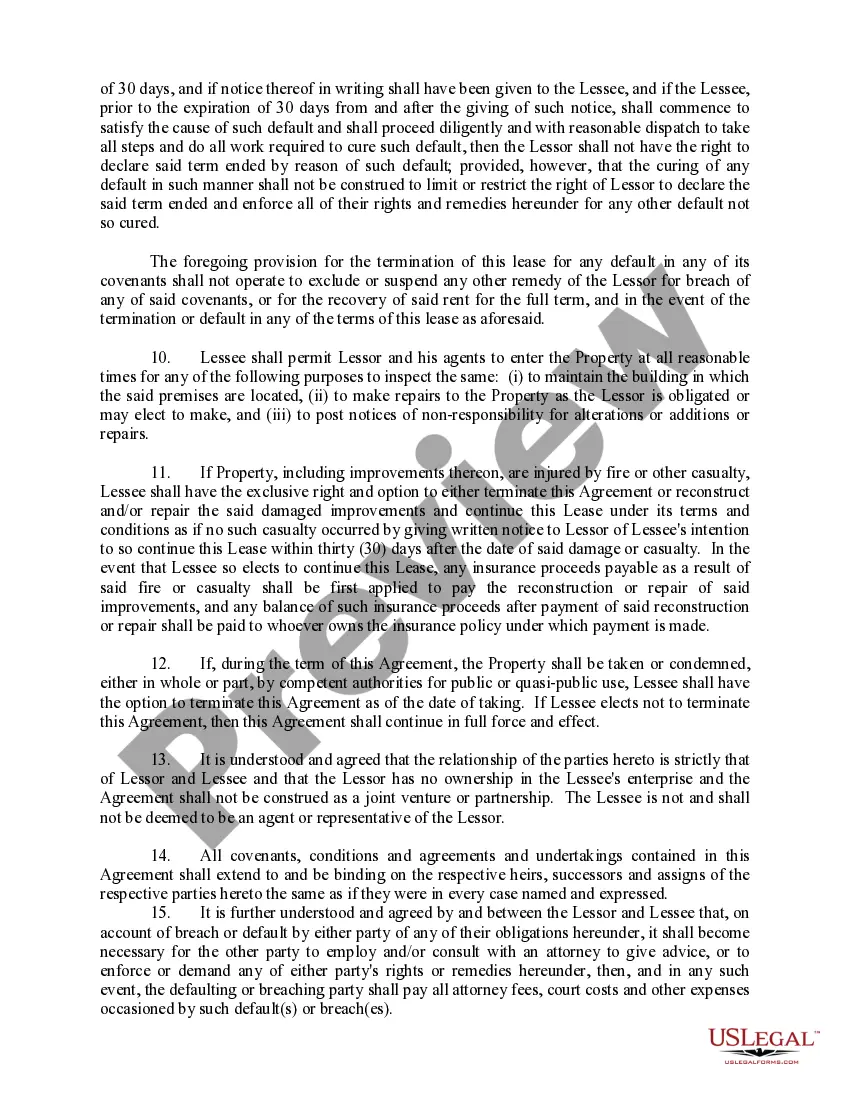
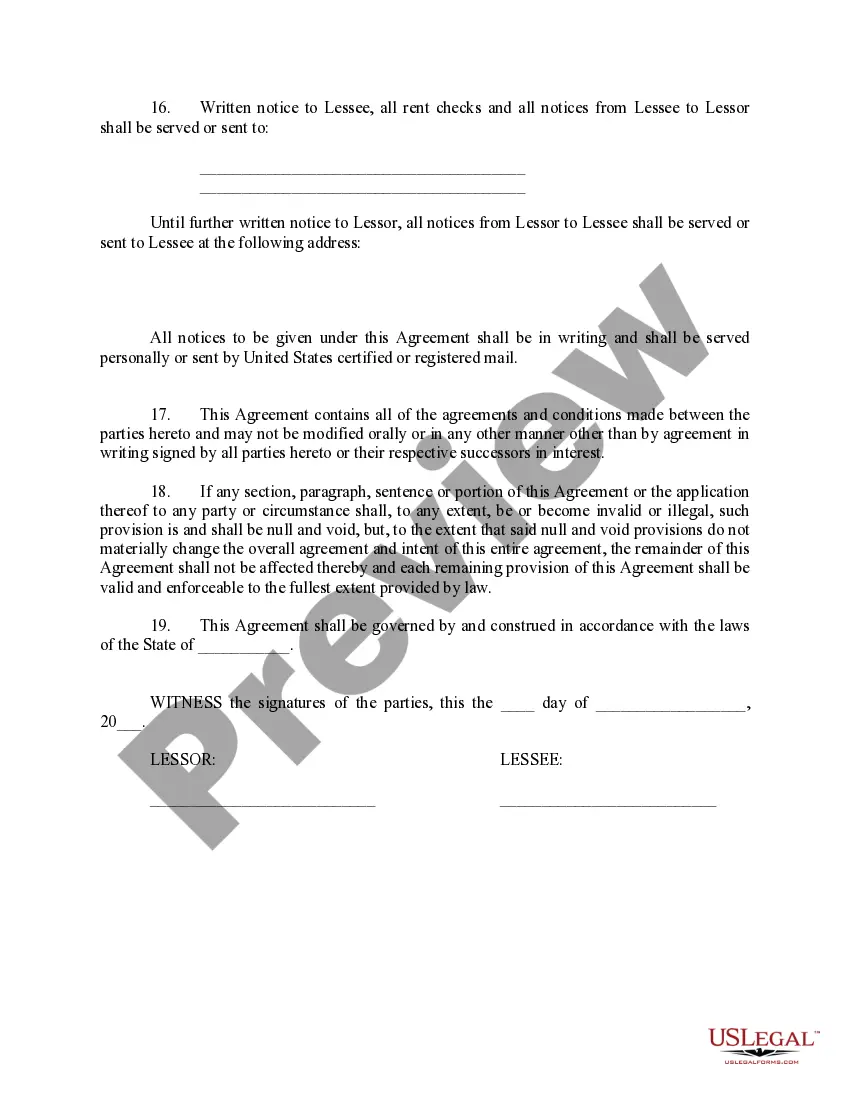
Commercial Lease Agreement Application With Kitchen In Nevada
Description

Get your form ready online
Our built-in tools help you complete, sign, share, and store your documents in one place.
Make edits, fill in missing information, and update formatting in US Legal Forms—just like you would in MS Word.
Download a copy, print it, send it by email, or mail it via USPS—whatever works best for your next step.
Sign and collect signatures with our SignNow integration. Send to multiple recipients, set reminders, and more. Go Premium to unlock E-Sign.
If this form requires notarization, complete it online through a secure video call—no need to meet a notary in person or wait for an appointment.
We protect your documents and personal data by following strict security and privacy standards.

Make edits, fill in missing information, and update formatting in US Legal Forms—just like you would in MS Word.

Download a copy, print it, send it by email, or mail it via USPS—whatever works best for your next step.

Sign and collect signatures with our SignNow integration. Send to multiple recipients, set reminders, and more. Go Premium to unlock E-Sign.

If this form requires notarization, complete it online through a secure video call—no need to meet a notary in person or wait for an appointment.

We protect your documents and personal data by following strict security and privacy standards.
Looking for another form?




Form popularity
FAQ
To grow or react to market conditions your business may need to quickly leave its current premises. If your business rents the premises but there is still time left to run on the lease, what can you do? A common solution is to transfer your lease to someone else. This process is called 'assigning a lease'.
An assignment transfers one party's interest and obligations under a lease to another party. During these tenant transfers, the new tenant takes on the lease responsibilities, including paying rent and property maintenance of the leased premises, and the original tenant is released from most of their duties.
An assignment is a full transfer of the lease between the tenant and the assignee. Therefore, since the tenant no longer has any ownership interest in the property, there is no longer any relationship between the landlord and the tenant as far as the property ownership is concerned.
The addendum is a formal document that contains the newly agreed-upon terms while retaining the rest of the original lease agreement in full force. Both parties, the landlord and tenant who initially signed the lease, must sign the addendum for it to be legally binding.
This will be done using a Land Registry form known as a TR1. If the lease is for less than 7 years, then the lease can be assigned by using a deed of assignment. Both these documents have the same effect and will generally be executed by both you as the current tenant and the assignee.
An example of a fixed lease term is leasing a building at $1,500/month for 24 months. An example of a periodic term is leasing a storage unit for $500 a month, with the option to continue for another month in perpetuity. The lease ends when either the landlord or tenant gives notice.
Can a landlord break a lease in Nevada? A landlord in Nevada is allowed to break a lease if a tenant intentionally damages the property and/or doesn't comply with the rental agreement, such as not paying rent on time. In either case, a landlord is required to give notice to a tenant.
