Difference Between A Commercial And Retail Lease In Illinois
Description
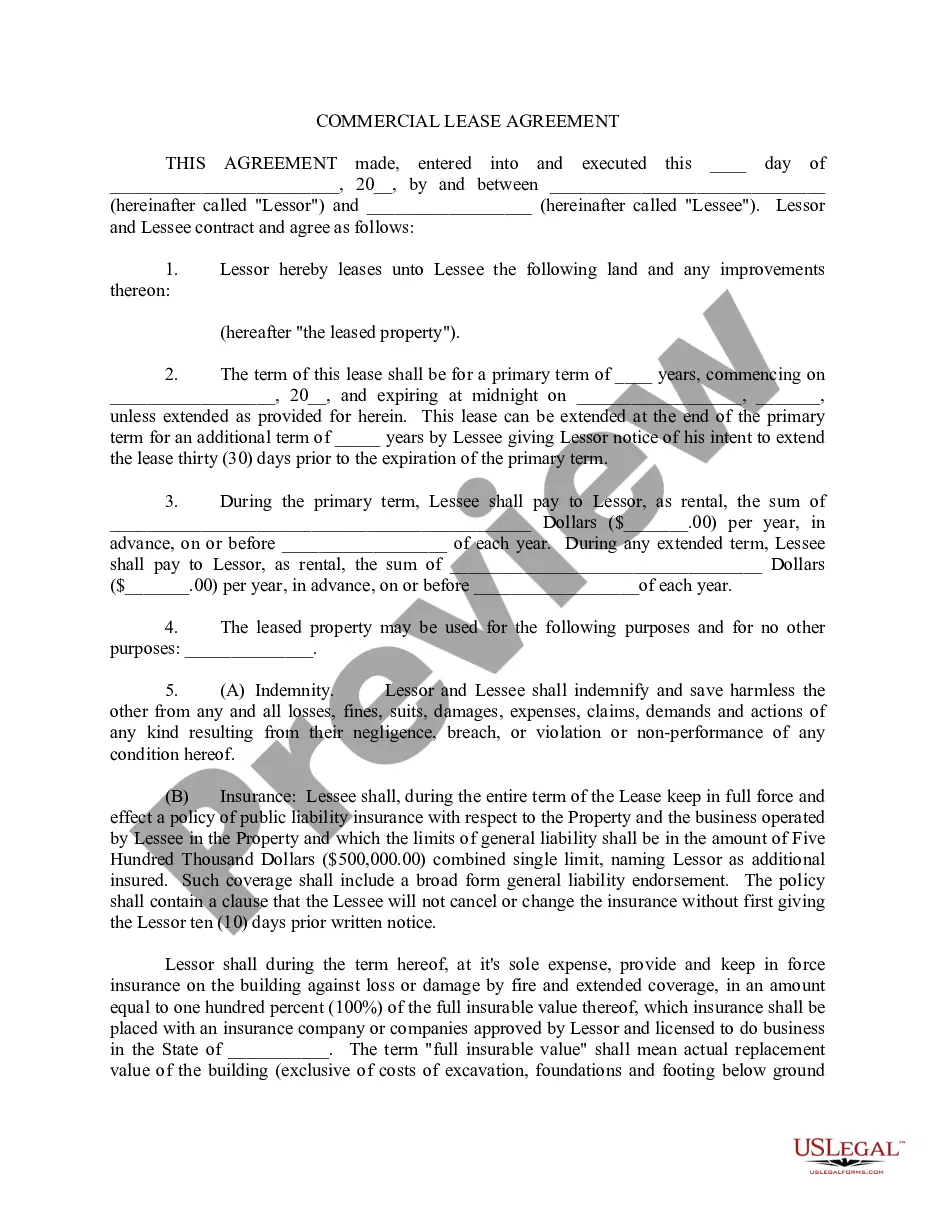
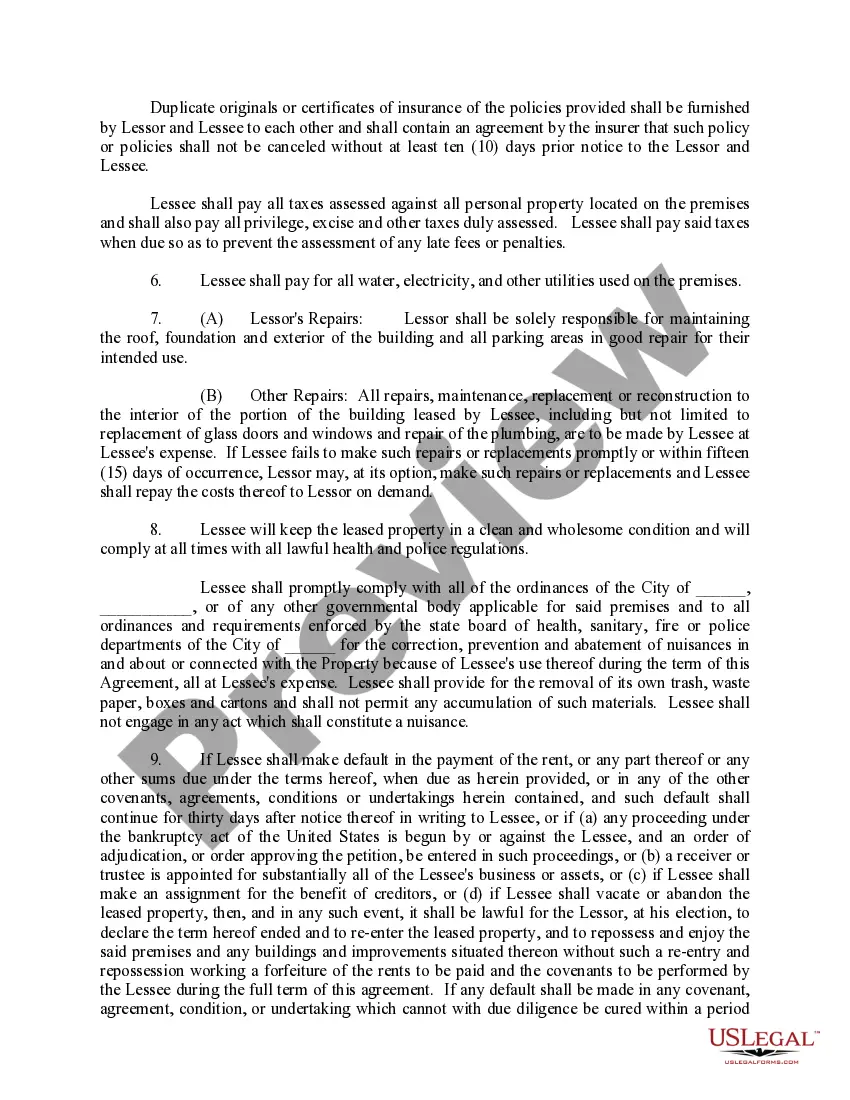
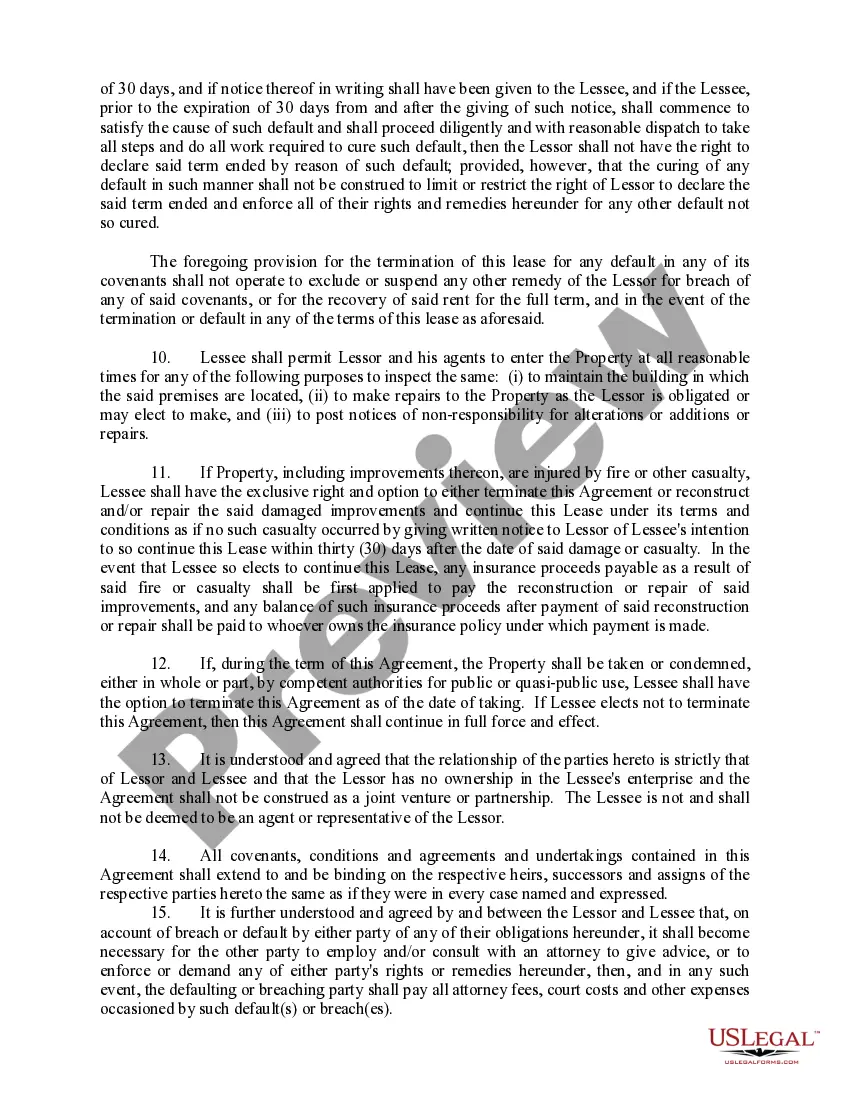
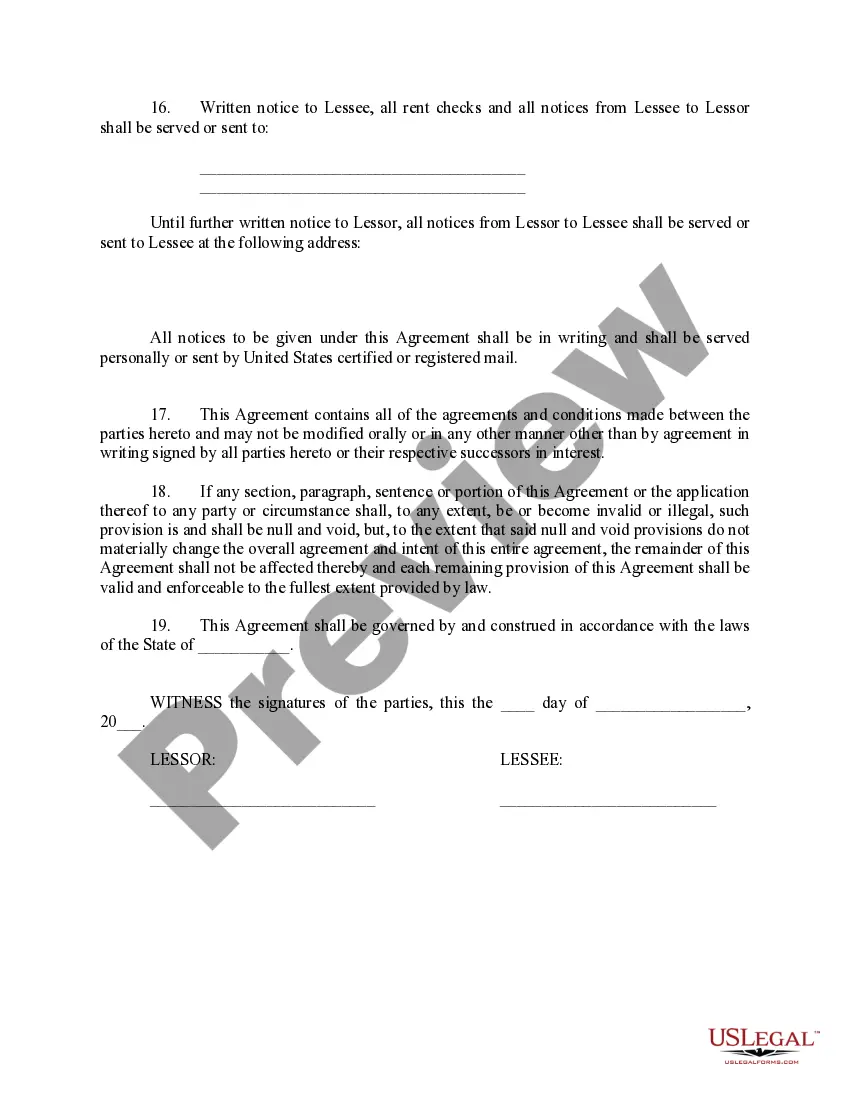

Get your form ready online
Our built-in tools help you complete, sign, share, and store your documents in one place.
Make edits, fill in missing information, and update formatting in US Legal Forms—just like you would in MS Word.
Download a copy, print it, send it by email, or mail it via USPS—whatever works best for your next step.
Sign and collect signatures with our SignNow integration. Send to multiple recipients, set reminders, and more. Go Premium to unlock E-Sign.
If this form requires notarization, complete it online through a secure video call—no need to meet a notary in person or wait for an appointment.
We protect your documents and personal data by following strict security and privacy standards.

Make edits, fill in missing information, and update formatting in US Legal Forms—just like you would in MS Word.

Download a copy, print it, send it by email, or mail it via USPS—whatever works best for your next step.

Sign and collect signatures with our SignNow integration. Send to multiple recipients, set reminders, and more. Go Premium to unlock E-Sign.

If this form requires notarization, complete it online through a secure video call—no need to meet a notary in person or wait for an appointment.

We protect your documents and personal data by following strict security and privacy standards.
Looking for another form?








Form popularity
FAQ
What are the Different Types of Commercial Leases? Gross Lease. Modified Gross Lease (also referred to as Double Net) Net Lease (also referred to as NNN)
A lease in Illinois must include the names of all parties, property address, lease term, rent amount, and payment terms. It should be signed by both the landlord and tenant. Specific changes for 2024 can be found in Illinois Lease Agreements: A 2024 Guide.
Does a Lease Need to Be Notarized in Illinois? No, Illinois lease laws do not require that an Illinois Rental Agreement be notarized. The Lease just needs to be signed by both the Landlord, the lessor, and the Tenant, the lessee.
A retail lease is used where there is a sale of goods or services, often in a shopping centre (cluster of 5 or more stores). A commercial lease is used for warehouse, industrial or office space premises.
Gross Lease Gross leases are most common for commercial properties such as offices and retail space. The tenant pays a single, flat amount that includes rent, taxes, utilities, and insurance.
The California eviction process If a landlord wants to evict a commercial tenant, they must follow a strict process. First, a landlord has to issue the tenant a three-day notice explaining the problem – a lease violation for example, or overdue rent – as well as what they need to do to resolve the issue.
As part of a commercial property owner's responsibility for structural maintenance and repairs, landlords must ensure the property adheres to state and local building codes and fire safety requirements.
No, a commercial lease contract does not have to be notarized to be legally binding.
A landlord can only lock out a tenant after they have done two things. First, the landlord must have filed an eviction in court against the tenant. Second, the judge must have signed an order evicting the tenant.
