Commercial Property For Purchase In Florida
Description
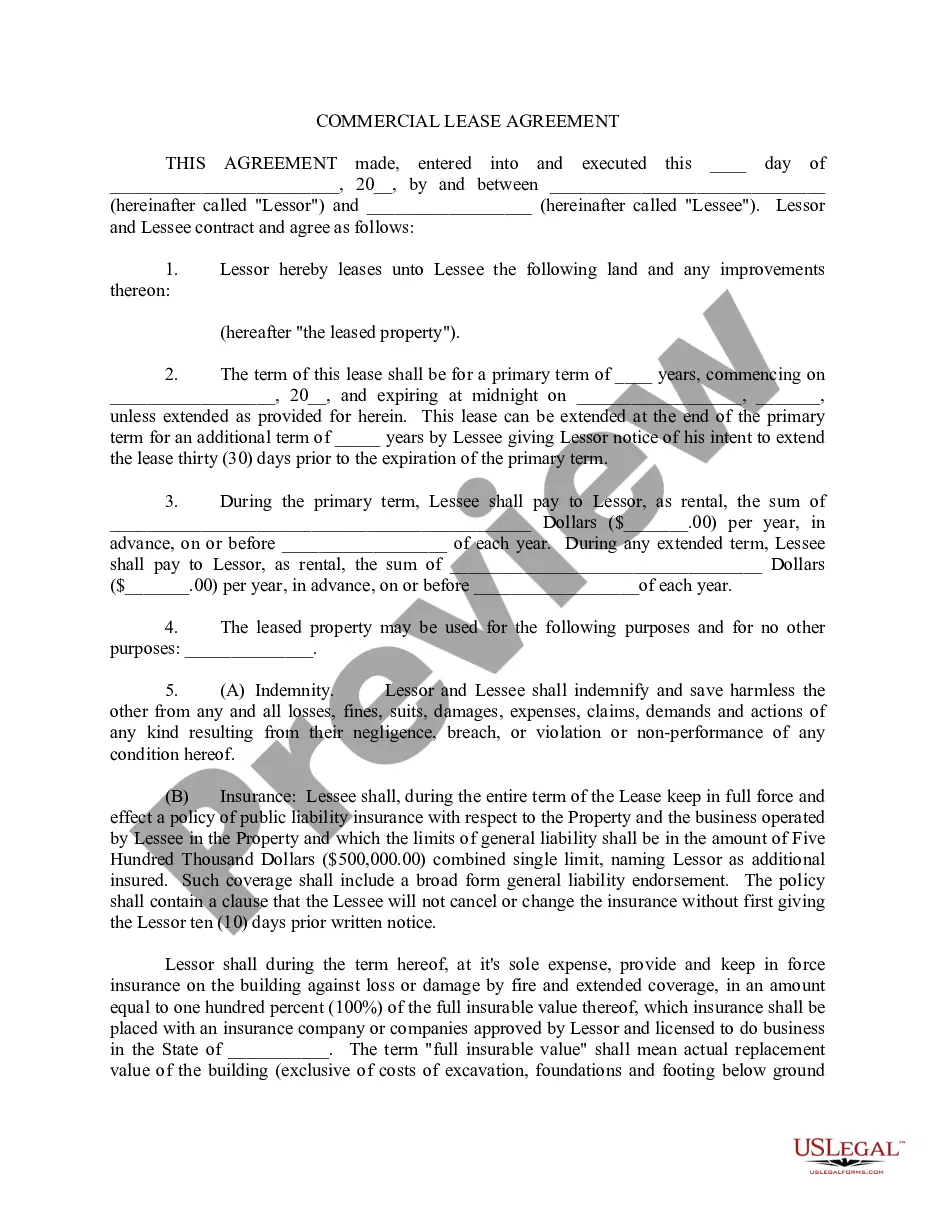
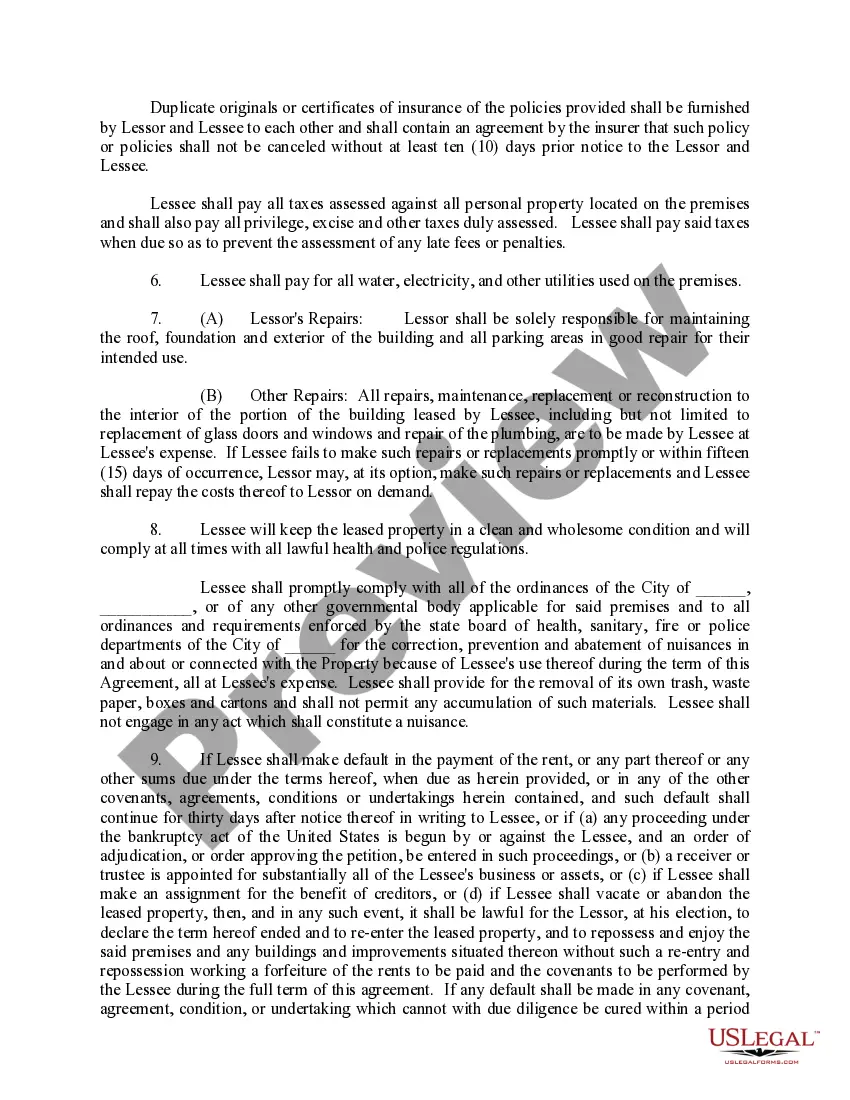
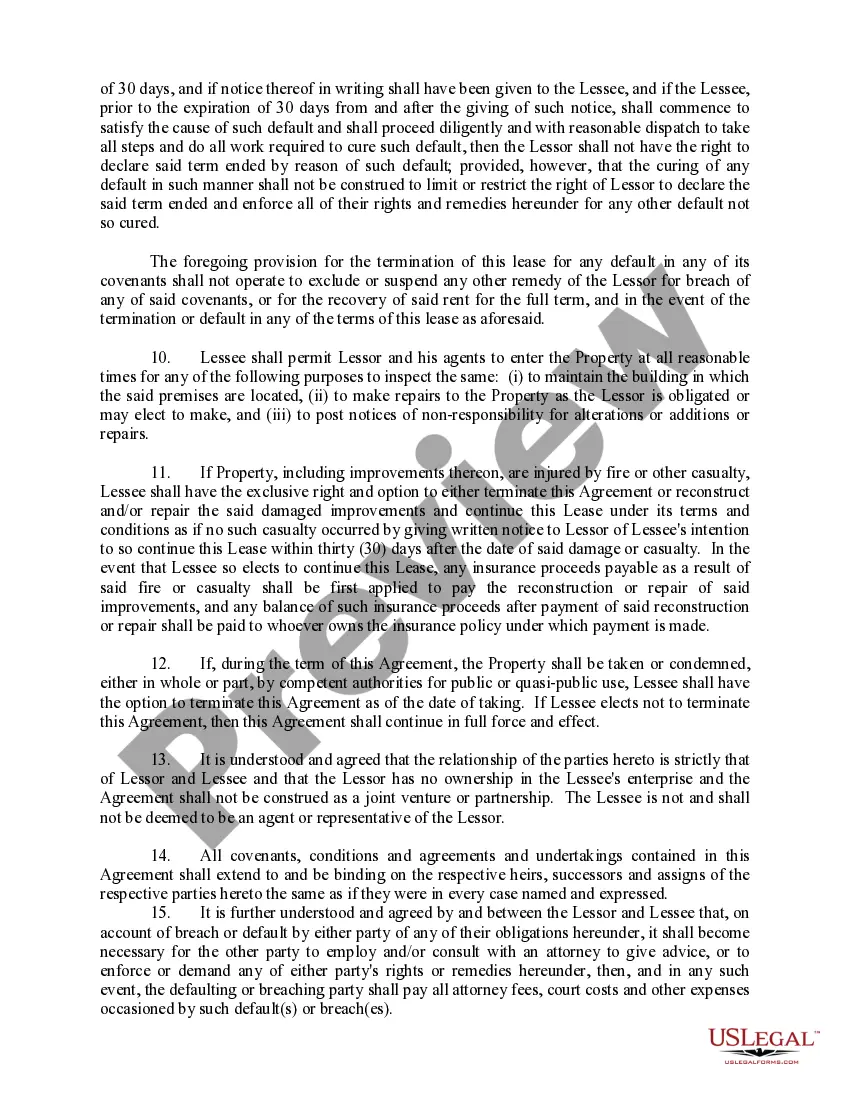
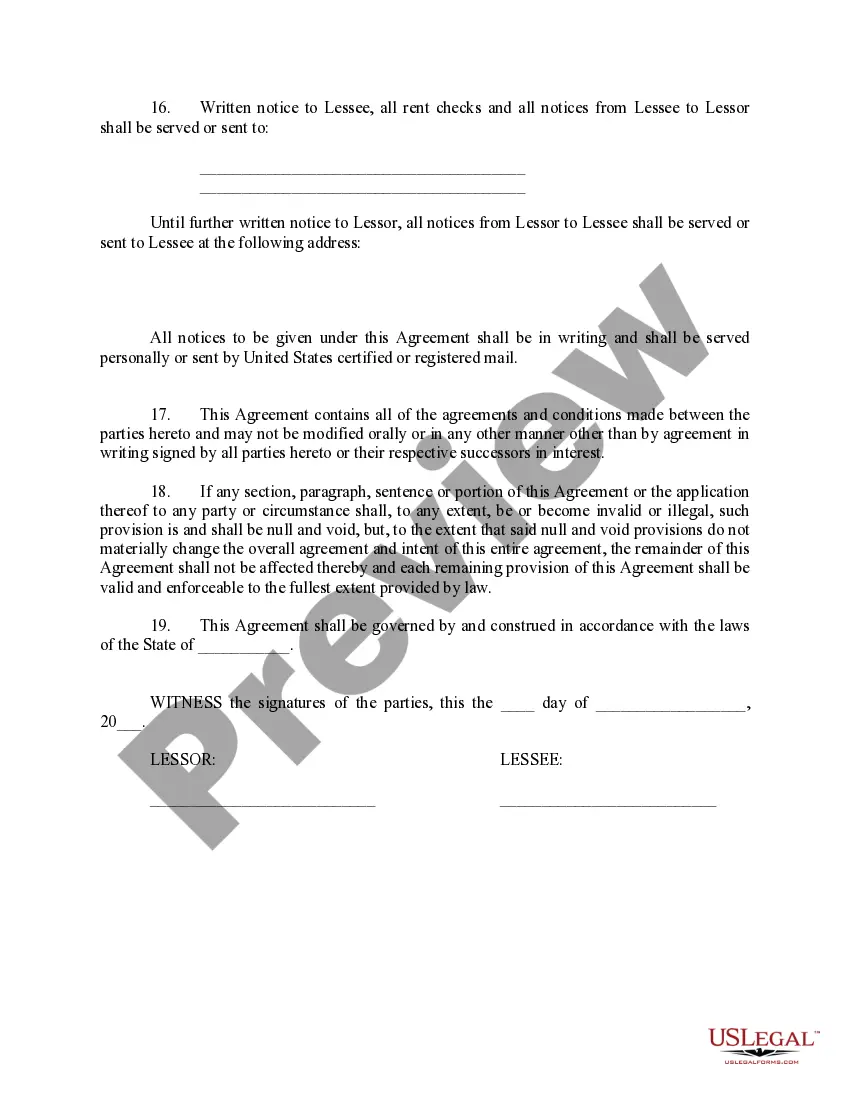

Get your form ready online
Our built-in tools help you complete, sign, share, and store your documents in one place.
Make edits, fill in missing information, and update formatting in US Legal Forms—just like you would in MS Word.
Download a copy, print it, send it by email, or mail it via USPS—whatever works best for your next step.
Sign and collect signatures with our SignNow integration. Send to multiple recipients, set reminders, and more. Go Premium to unlock E-Sign.
If this form requires notarization, complete it online through a secure video call—no need to meet a notary in person or wait for an appointment.
We protect your documents and personal data by following strict security and privacy standards.

Make edits, fill in missing information, and update formatting in US Legal Forms—just like you would in MS Word.

Download a copy, print it, send it by email, or mail it via USPS—whatever works best for your next step.

Sign and collect signatures with our SignNow integration. Send to multiple recipients, set reminders, and more. Go Premium to unlock E-Sign.

If this form requires notarization, complete it online through a secure video call—no need to meet a notary in person or wait for an appointment.

We protect your documents and personal data by following strict security and privacy standards.
Looking for another form?






Form popularity
FAQ
Capitalization Rate (Cap Rate) = Net Operating Income / Property Value. Value = Net Operating Income / Capitalization Rate.
Who pays closing costs in Florida? In Florida, similarly to other states, closing costs are charges that applied to both parties in a real estate transaction, the buyer AND the seller.
The Bottom Line Closing costs include various fees due at the closing or settlement of a real estate transaction. Buyers are responsible for most of the costs, which include the origination and underwriting of a mortgage, taxes, insurance, and record filing.
Assessment Differential: The property appraiser ensures that annual value caps, established in the Florida Constitution, are applied to the market value (no more than 3% increase for homestead residential property and 10% for commercial properties).
The Florida constitution exempts a person's primary residence from forced sale to satisfy a judgment debt. Can you exempt as homestead a commercial building with a second-floor apartment used as your primary residence? Under Florida law, the answer is that you can only exempt part of the commercial property.
Effective June 1, 2024, the state sales tax rate imposed under Section 212.031, Florida Statutes, on the total rent charged for renting, leasing, letting, or granting a license to use real property (aka commercial rentals) is reduced from 4.5 percent to 2 percent.
Many of the issues confronting industry stakeholders in the new year are interrelated. High Financing Costs. Massive Commercial Real Estate Debt. High Cap Rates. Soaring Insurance Costs. Increasingly Unaffordable Housing. Rise in Artificial Intelligence. Impact of Extreme Weather. Lingering Office Vacancies.
It takes 63 hours of real estate coursework to become an agent, while a broker license takes 72 hours and two years of practical experience. Both licenses require passing a final exam and undergoing a background check.
Types of Profitable Commercial Real Estate Investments Industrial Properties. Industrial Properties have strong and stable demand, especially with industries like manufacturing and e-commerce needing properties like warehouses to store and distribute their goods. Multifamily Properties. Shopping Centers.
