Service Agreement Provider With Example In Wake
Description
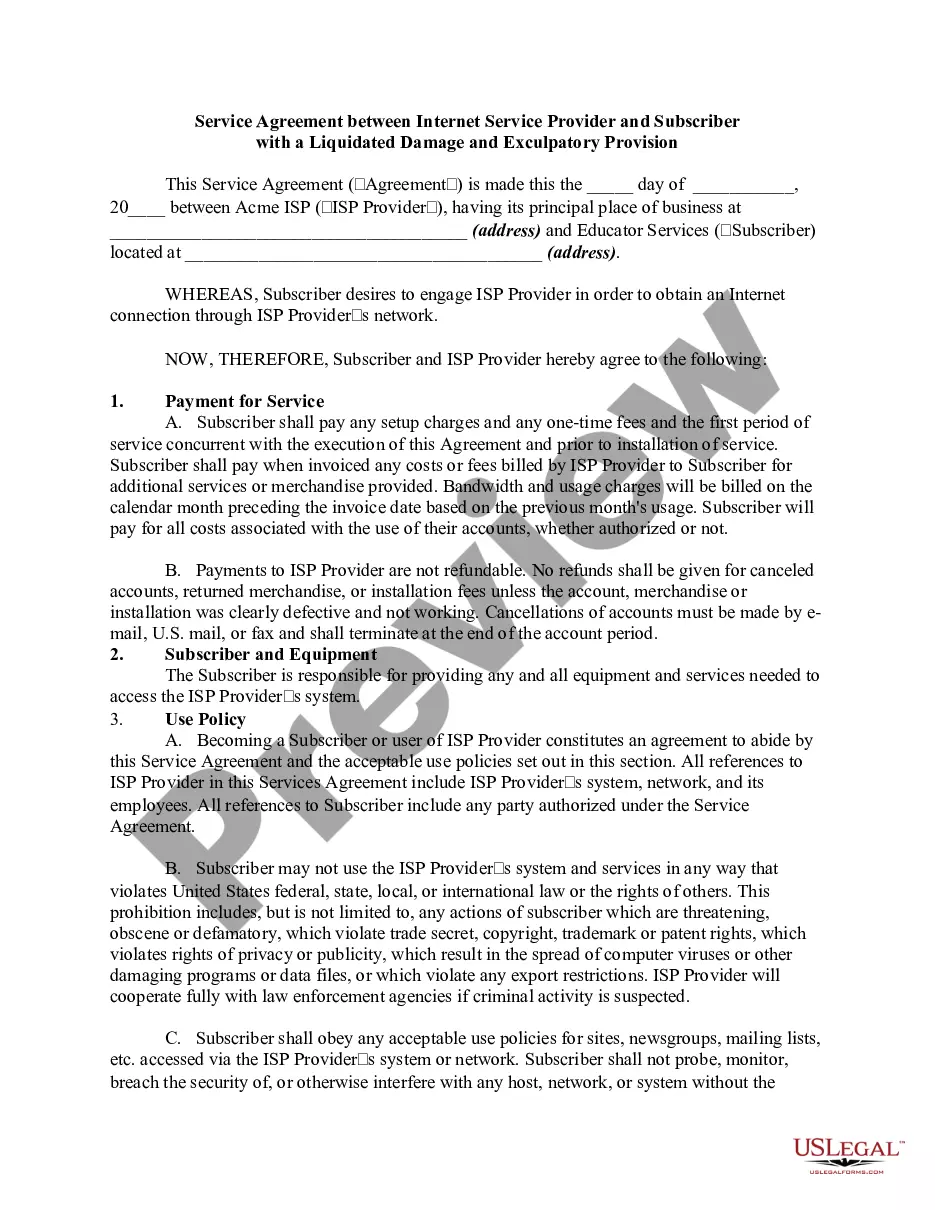
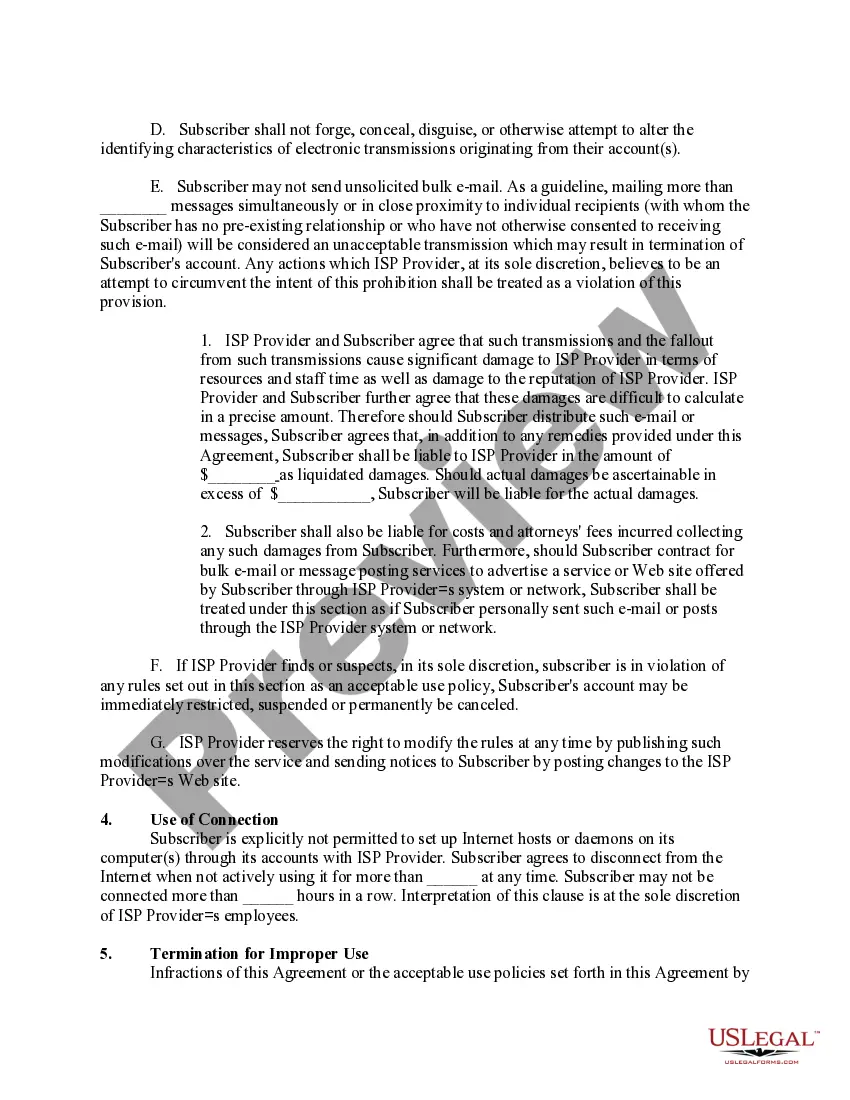
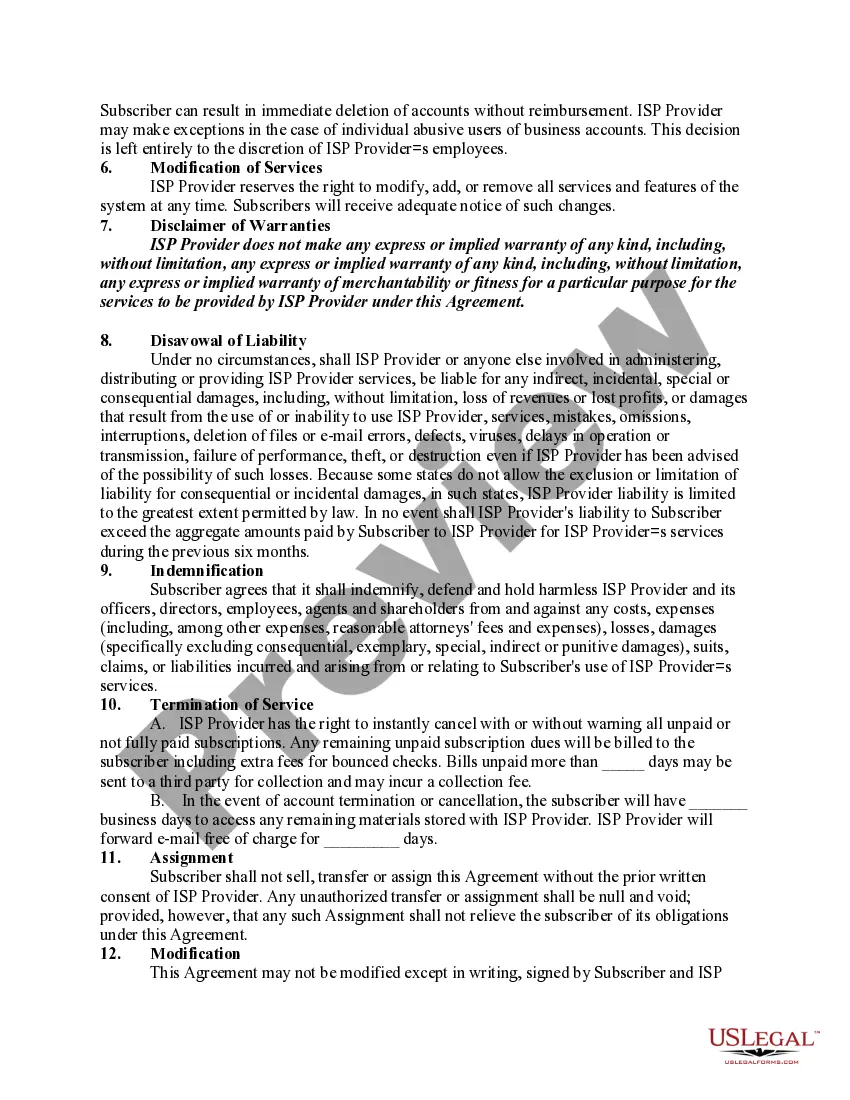
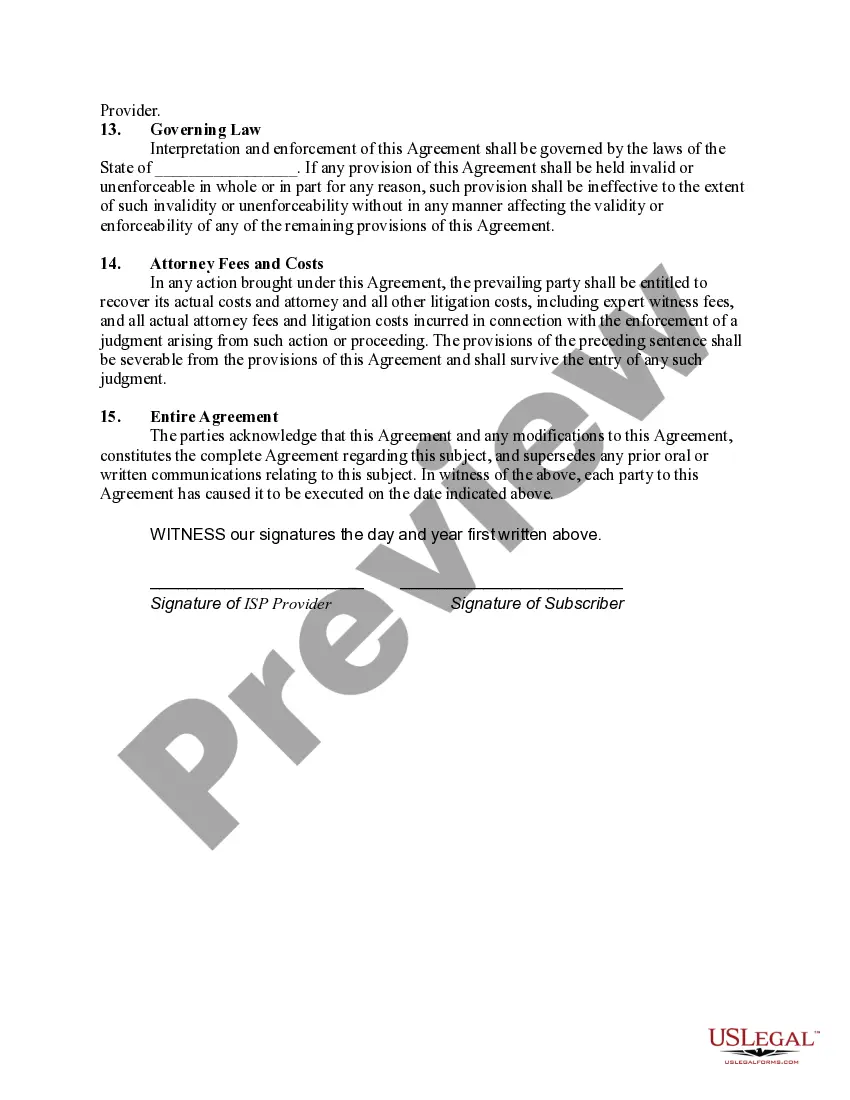
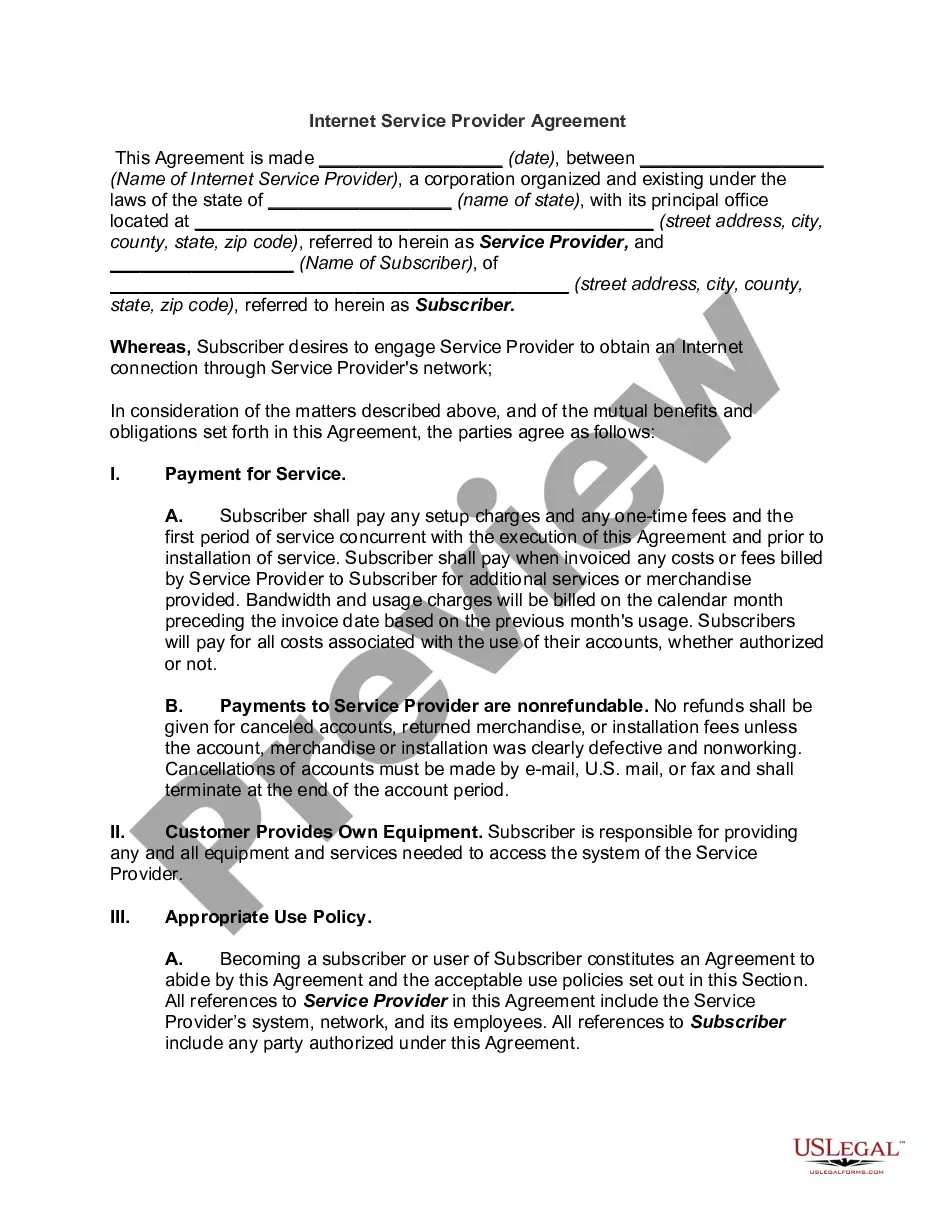
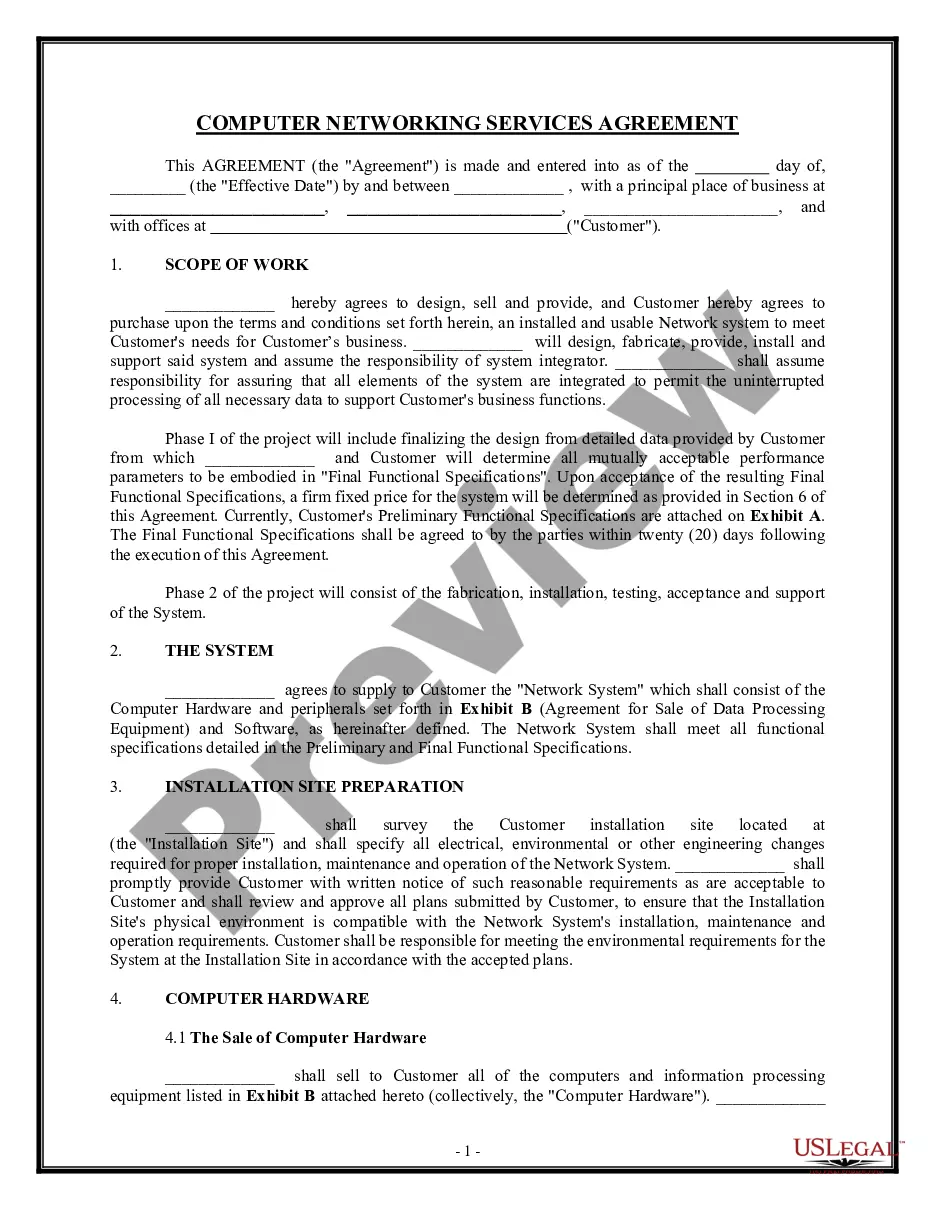
Get your form ready online
Our built-in tools help you complete, sign, share, and store your documents in one place.
Make edits, fill in missing information, and update formatting in US Legal Forms—just like you would in MS Word.
Download a copy, print it, send it by email, or mail it via USPS—whatever works best for your next step.
Sign and collect signatures with our SignNow integration. Send to multiple recipients, set reminders, and more. Go Premium to unlock E-Sign.
If this form requires notarization, complete it online through a secure video call—no need to meet a notary in person or wait for an appointment.
We protect your documents and personal data by following strict security and privacy standards.

Make edits, fill in missing information, and update formatting in US Legal Forms—just like you would in MS Word.

Download a copy, print it, send it by email, or mail it via USPS—whatever works best for your next step.

Sign and collect signatures with our SignNow integration. Send to multiple recipients, set reminders, and more. Go Premium to unlock E-Sign.

If this form requires notarization, complete it online through a secure video call—no need to meet a notary in person or wait for an appointment.

We protect your documents and personal data by following strict security and privacy standards.
Looking for another form?









Form popularity
FAQ
How to Write a Service Agreement Step 1: Identify the parties involved. Step 2: Define the scope of services. Step 3: Set payment terms. Step 4: Outline the responsibilities of each party. Step 5: Add termination, dispute resolution, and other essential clauses. Step 6: Review and finalize.
Here are five of the most effective tactics: Develop a comprehensive plan. A detailed plan is crucial. Create a central repository for contract data. Identify and track contract milestones and key dates. Engage key stakeholders in contract processes. Implement monitoring best practices with contract management software.
Track customers with CRM software. “A CRM system will allow you to centralize the data you're collecting and create a single source of truth that will enable you to have a 360-degree view of your customer,” Lam explained.
5 Tips for Effectively Tracking and Monitoring Contracts Know where your contracts are. Determine what you need to track. Be proactive, not reactive. Keep stakeholders informed. Streamline the process with contract management software.
Prepare a contract Provide details of the parties. Describe services or results. Set out payment details. Assign intellectual property rights. Explain how to treat confidential information. Identify who is liable – indemnity. Provide insurance obligations. Outline any subcontracting agreements.
If contracts aren't stored in the cloud, not only are they more difficult to locate and collaborate on, but they're likely much less secure. File cabinets and even computers aren't safe from natural disasters or hacks. The cloud is the most secure level of storage for modern businesses.
Follow the steps below to write a service-level agreement: Define the service. Your SLA will need to define and outline the service clearly. Verify service levels. Determine performance metrics. Prepare the service level agreement document. Review the SLA with all stakeholders.
Start by implementing some of these best practices: Standardize contract creation. Set transparent goals for your entire organization. Monitor contract approval time. Set transparent goals for your entire company. Review regulatory compliance on a regular basis. Make contracts accessible to technicians in the field.
A data contract guarantees interface compatibility and includes terms of service and a service level agreement (SLA). Terms of service outline how data can be used, such as restricting its use to only development, testing, or production. SLAs describe the required quality of data delivery and interface.
A contract is an agreement between two or more persons, enforceable by law it creates a legal relationship of rights and duties on the parties.
