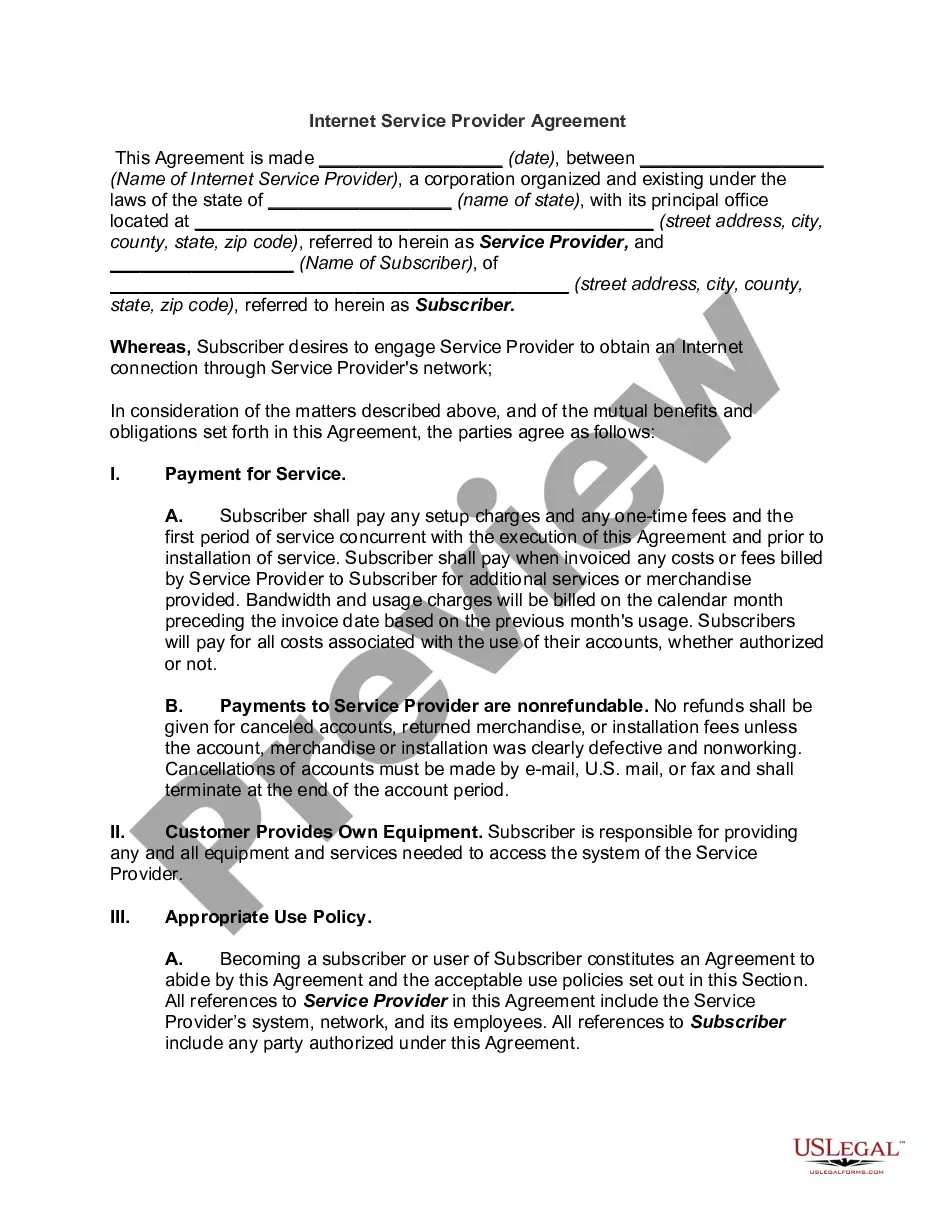
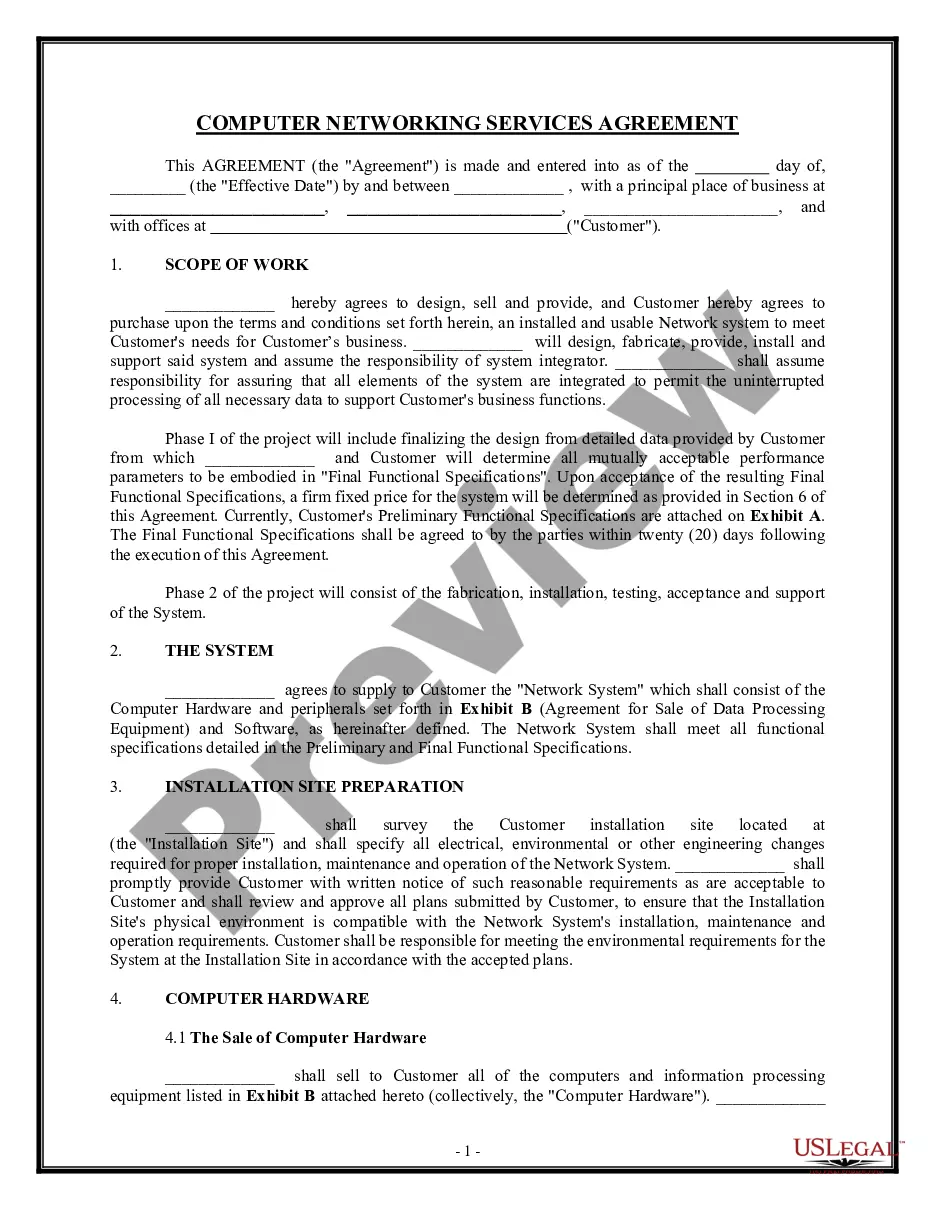
Service Agreement Provider With Example In Orange
Description
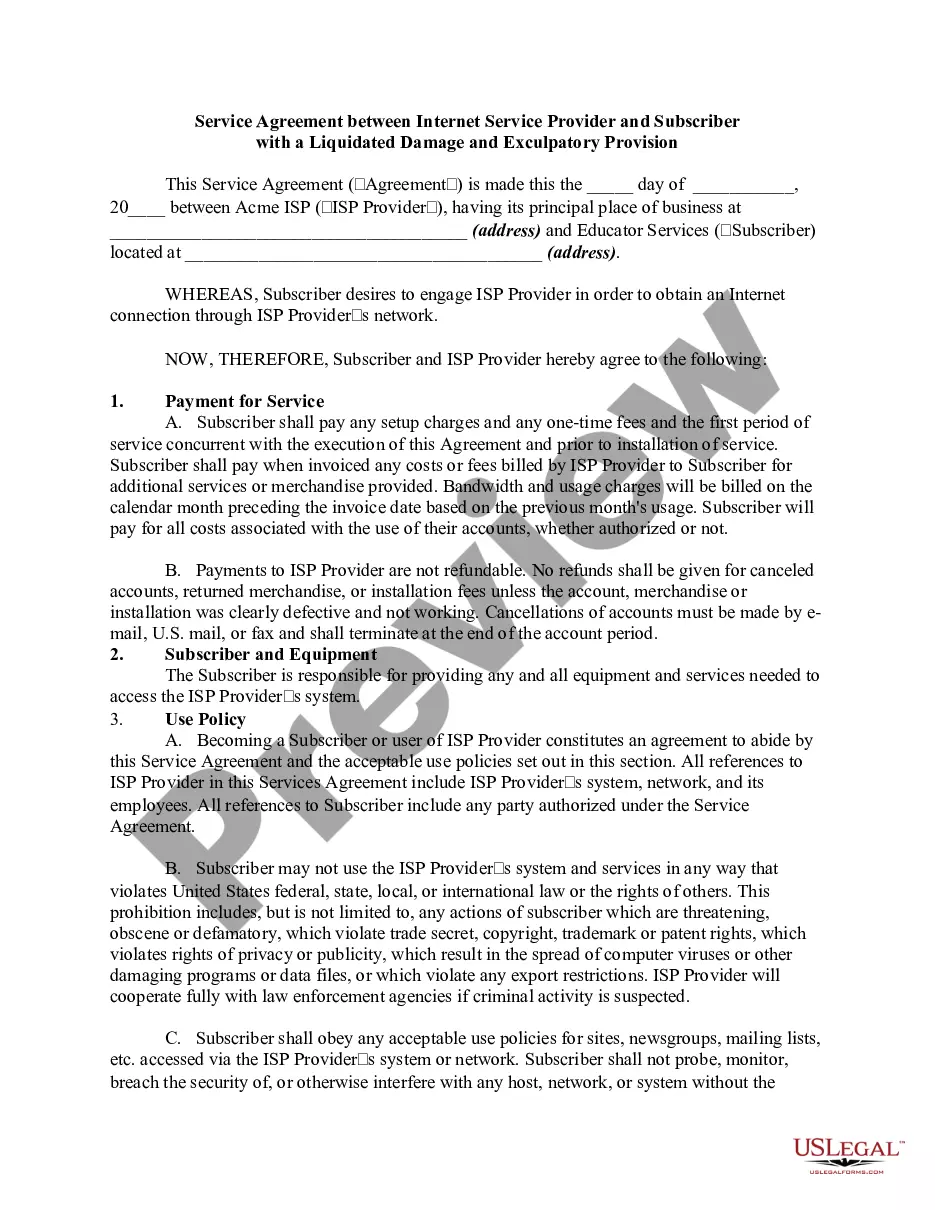
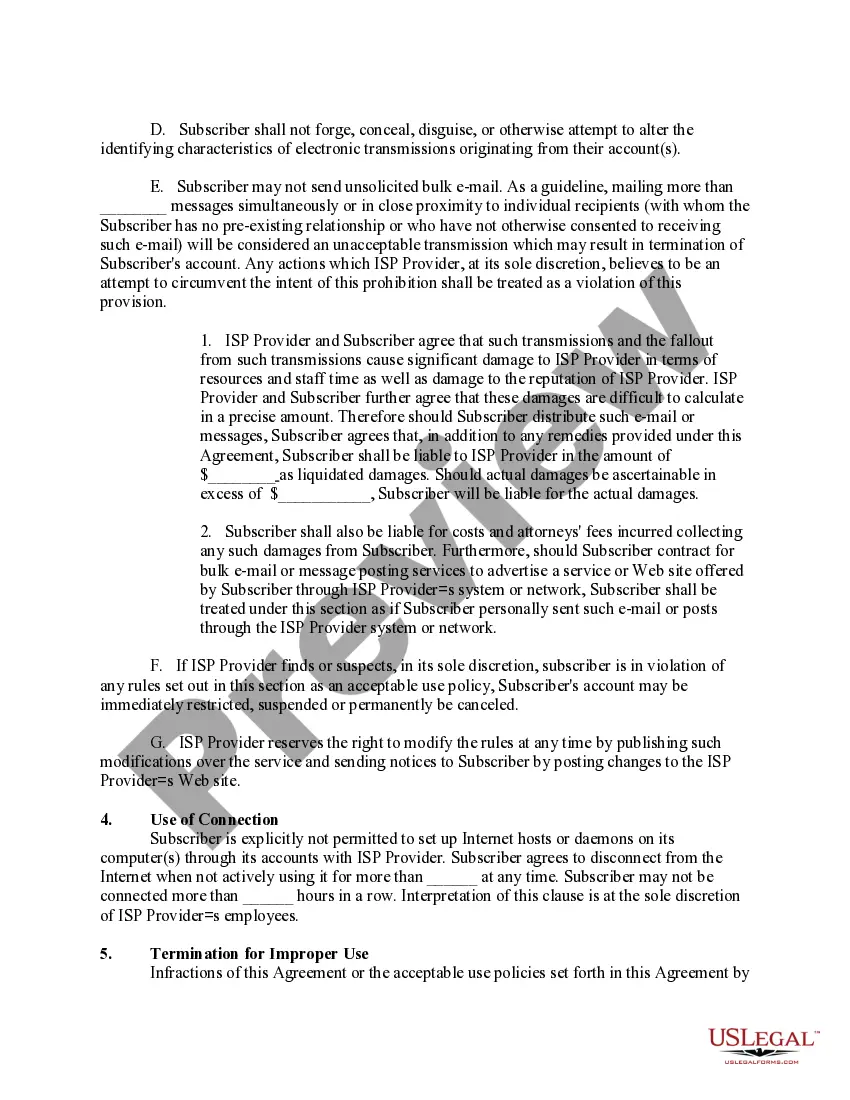
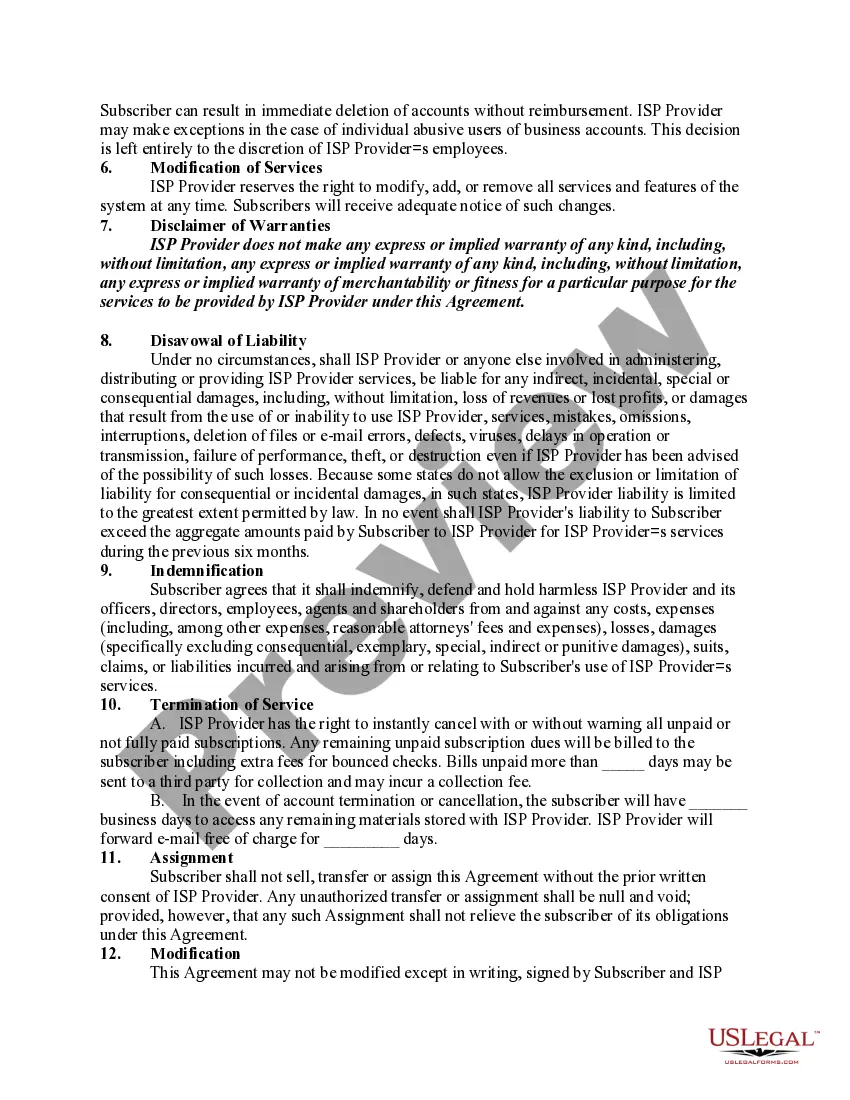
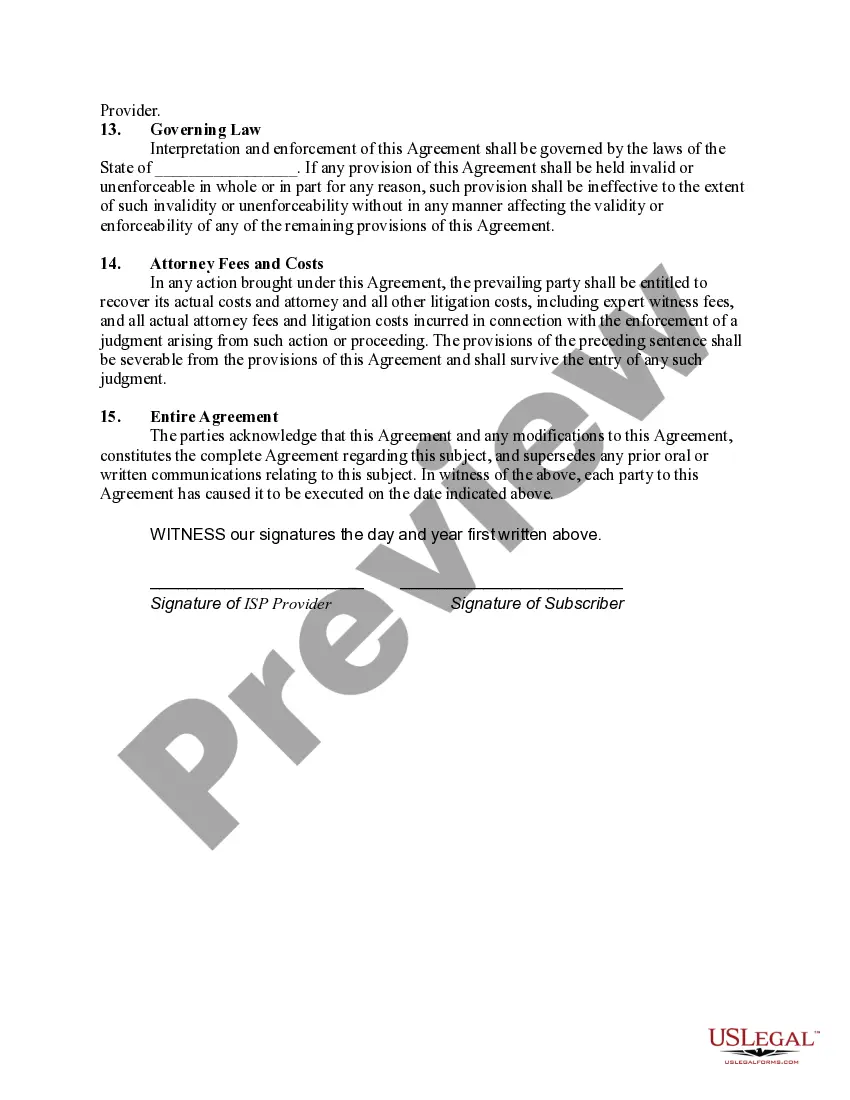
Get your form ready online
Our built-in tools help you complete, sign, share, and store your documents in one place.
Make edits, fill in missing information, and update formatting in US Legal Forms—just like you would in MS Word.
Download a copy, print it, send it by email, or mail it via USPS—whatever works best for your next step.
Sign and collect signatures with our SignNow integration. Send to multiple recipients, set reminders, and more. Go Premium to unlock E-Sign.
If this form requires notarization, complete it online through a secure video call—no need to meet a notary in person or wait for an appointment.
We protect your documents and personal data by following strict security and privacy standards.

Make edits, fill in missing information, and update formatting in US Legal Forms—just like you would in MS Word.

Download a copy, print it, send it by email, or mail it via USPS—whatever works best for your next step.

Sign and collect signatures with our SignNow integration. Send to multiple recipients, set reminders, and more. Go Premium to unlock E-Sign.

If this form requires notarization, complete it online through a secure video call—no need to meet a notary in person or wait for an appointment.

We protect your documents and personal data by following strict security and privacy standards.
Looking for another form?









Form popularity
FAQ
The significance of Service Level Agreements (SLAs) and Statements of Work (SOWs) for ensuring transparent communication, aligning expectations, and building successful customer relationships cannot be overstated.
Key components of an SLA Agreement overview. A list of stakeholders. The goals of all stakeholders. A description of services. Service levels. A list of services excluded from the agreement. Conditions of cancellation. A plan if goals aren't reached.
For example, your SLA might specify that a provider's service will be available for a minimum of 99.5% capacity for a specific 12-hour window each day. If you have an ecommerce platform that receives orders around the clock, an SLA that guarantees availability of 99.99% for 24 hours a day would be more appropriate.
What's the difference between an SLA and TAT? An SLA is a formal agreement that outlines the terms and conditions of services that a vendor is to provide to their client. TAT, or turnaround time, is the amount of time required to meet deliverables or resolve customer problems.
ITIL focuses on three types of options for structuring SLA: Service-based, Customer-based, and Multi-level or Hierarchical SLAs. Many different factors will need to be considered when deciding which SLA structure is most appropriate for an organization to use.
How to write a service level agreement in 5 steps Define the service. Your SLA will need to define and outline the service clearly. Verify service levels. Determine performance metrics. Prepare the service level agreement document. Review the SLA with all stakeholders.
Service-based SLAs are agreements that apply to a specific service or a group of services that are offered to all customers in the same way. For example, a web hosting provider may have a service-based SLA that guarantees a certain uptime, bandwidth, and security for all its clients.
What is a service level agreement (SLA)? As a service provider, a service level agreement is a plain-language agreement between you and your customer (whether internal or external) that defines the services you will deliver, the responsiveness that can be expected, and how you will measure performance.
A service-level agreement (SLA) is a contract between a service provider and its customers that documents what services the provider will furnish and defines the service standards the provider is obligated to meet. A service-level commitment (SLC) is a broader and more generalized form of an SLA.