Long Term Lease For In Harris
Description
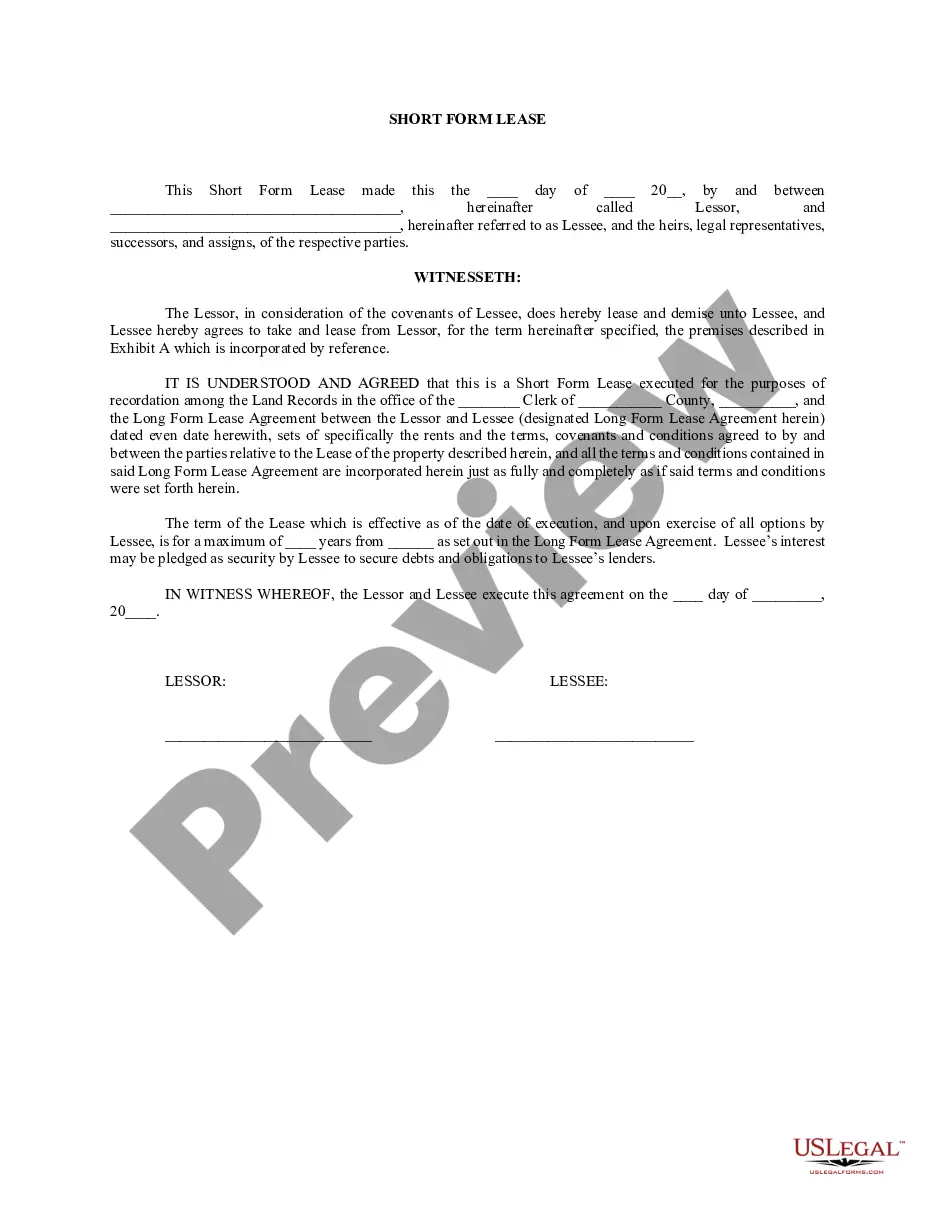
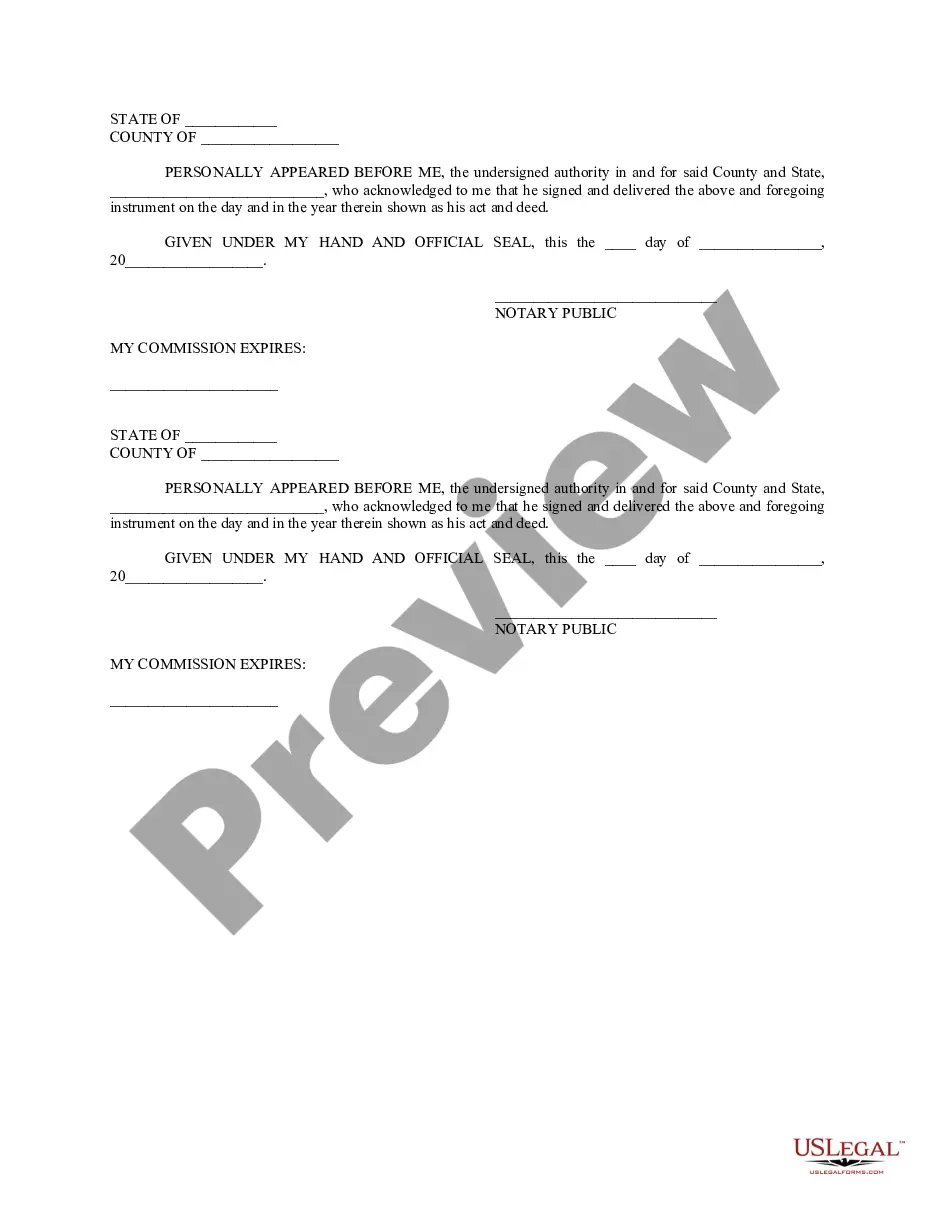
Get your form ready online
Our built-in tools help you complete, sign, share, and store your documents in one place.
Make edits, fill in missing information, and update formatting in US Legal Forms—just like you would in MS Word.
Download a copy, print it, send it by email, or mail it via USPS—whatever works best for your next step.
Sign and collect signatures with our SignNow integration. Send to multiple recipients, set reminders, and more. Go Premium to unlock E-Sign.
If this form requires notarization, complete it online through a secure video call—no need to meet a notary in person or wait for an appointment.
We protect your documents and personal data by following strict security and privacy standards.

Make edits, fill in missing information, and update formatting in US Legal Forms—just like you would in MS Word.

Download a copy, print it, send it by email, or mail it via USPS—whatever works best for your next step.

Sign and collect signatures with our SignNow integration. Send to multiple recipients, set reminders, and more. Go Premium to unlock E-Sign.

If this form requires notarization, complete it online through a secure video call—no need to meet a notary in person or wait for an appointment.

We protect your documents and personal data by following strict security and privacy standards.
Looking for another form?



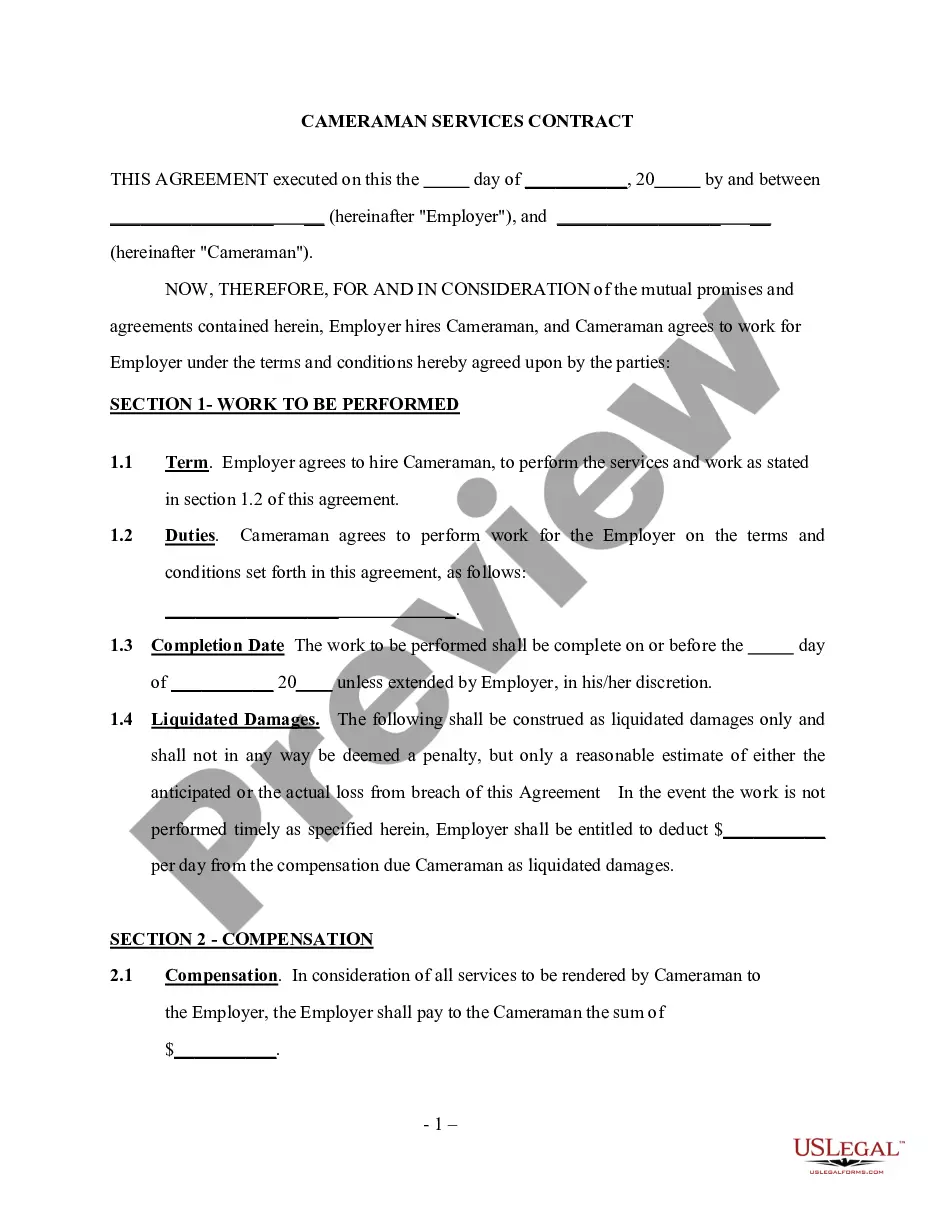


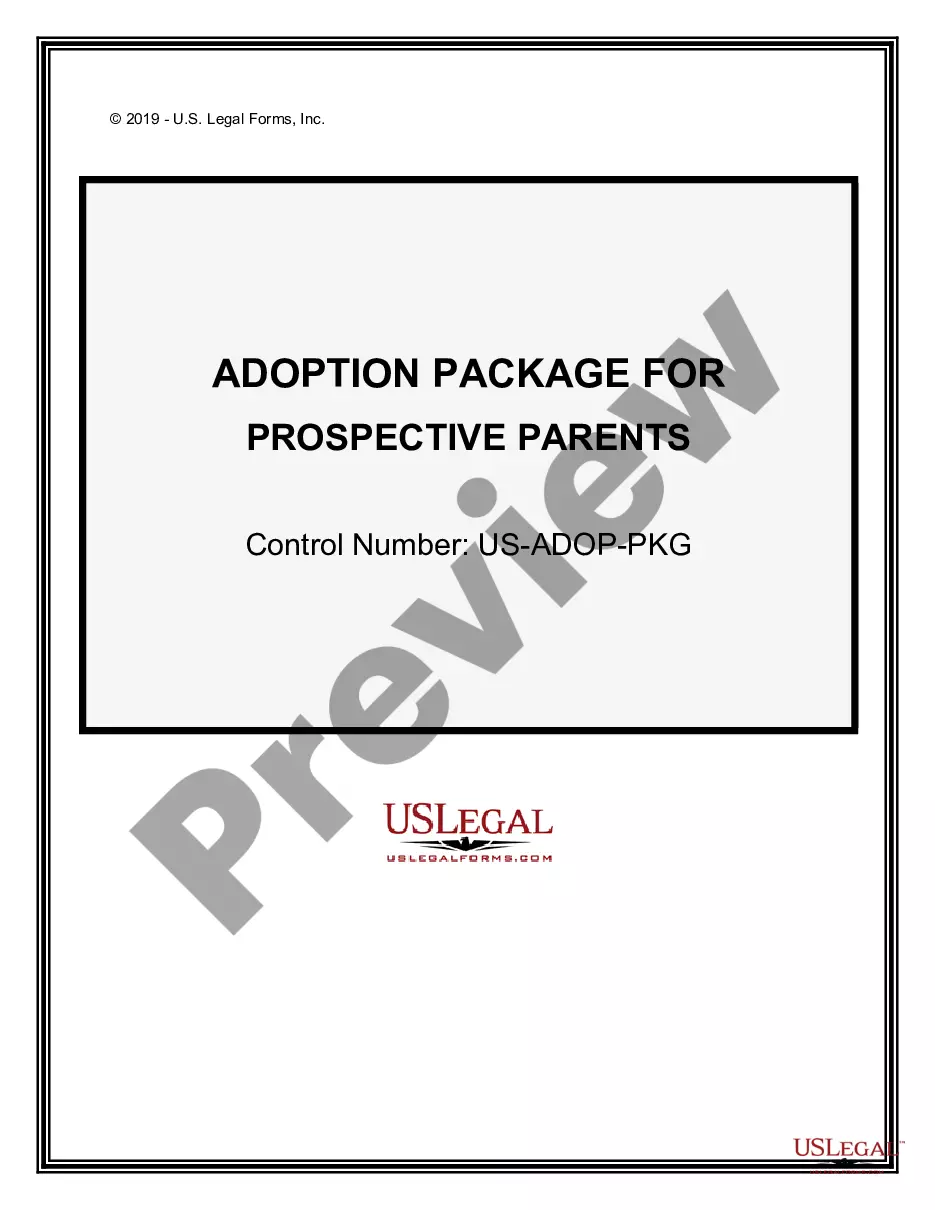



Form popularity
FAQ
For landlords, long-term leases limit their flexibility and ability to adjust the rents or terms to reflect the current demand or supply. They also expose them to the risk of default or bankruptcy of the tenant, which can result in lost income and legal expenses.
Disadvantages of Leasing: Lack of ownership, long-term financial commitments, and potential early termination liabilities can make leasing less favourable in some cases. Evaluate Carefully: Weigh the pros and cons of leasing to determine if it aligns with your business's financial and operational goals.
In the law of several US states, a 99-year lease will always be the longest possible contract for realty by statute, but many states have enacted shorter terms and some allow infinite terms.
term residential lease typically refers to a lease agreement between a resident and an owner that lasts for a year or more.
In summary, while there are benefits to leasing, the primary disadvantage is that you do not gain ownership or build equity over time, leading to a situation where you have ongoing payments with no eventual payoff.
term residential lease typically refers to a lease agreement between a resident and an owner that lasts for a year or more.
Section 21 of the Housing Act stipulates that a landlord cannot legally obtain possession of a property in the first 6 months. In the unfortunate event a tenant refused to leave at the end of a 4 month fixed term for instance, this would pose problems by making landlords unable to legally regain possession.
The lease length can differ based on your location, property type, needs, and the current state of the market. Residential leases are shorter, typically around 6 months to a year. Commercial leases, depending on various factors, can range from 3 years to 10 or more.
A rental agreement should be registered at a Sub-Registrar office if the term of the agreement is more than 11 months. If the term is less than 11 months, it is safer to still register it but is not mandatory.
