Closure Any Property For Division In Washington
Description

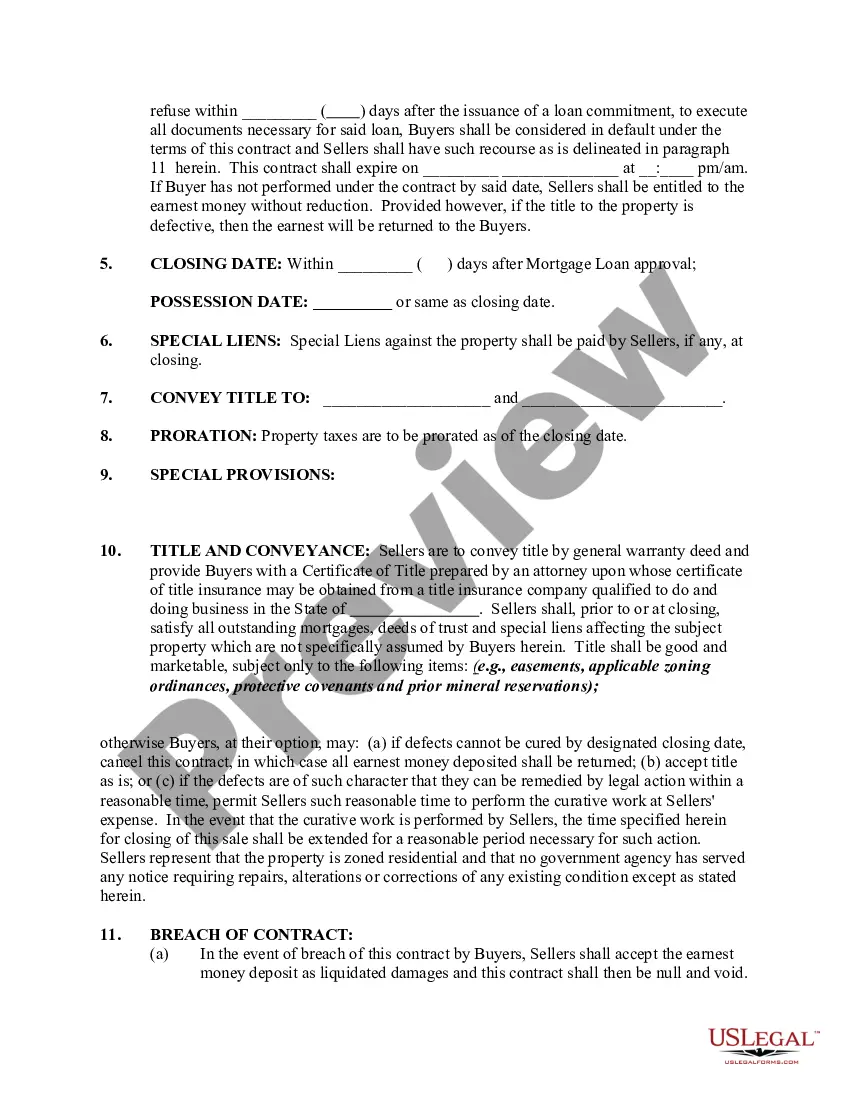
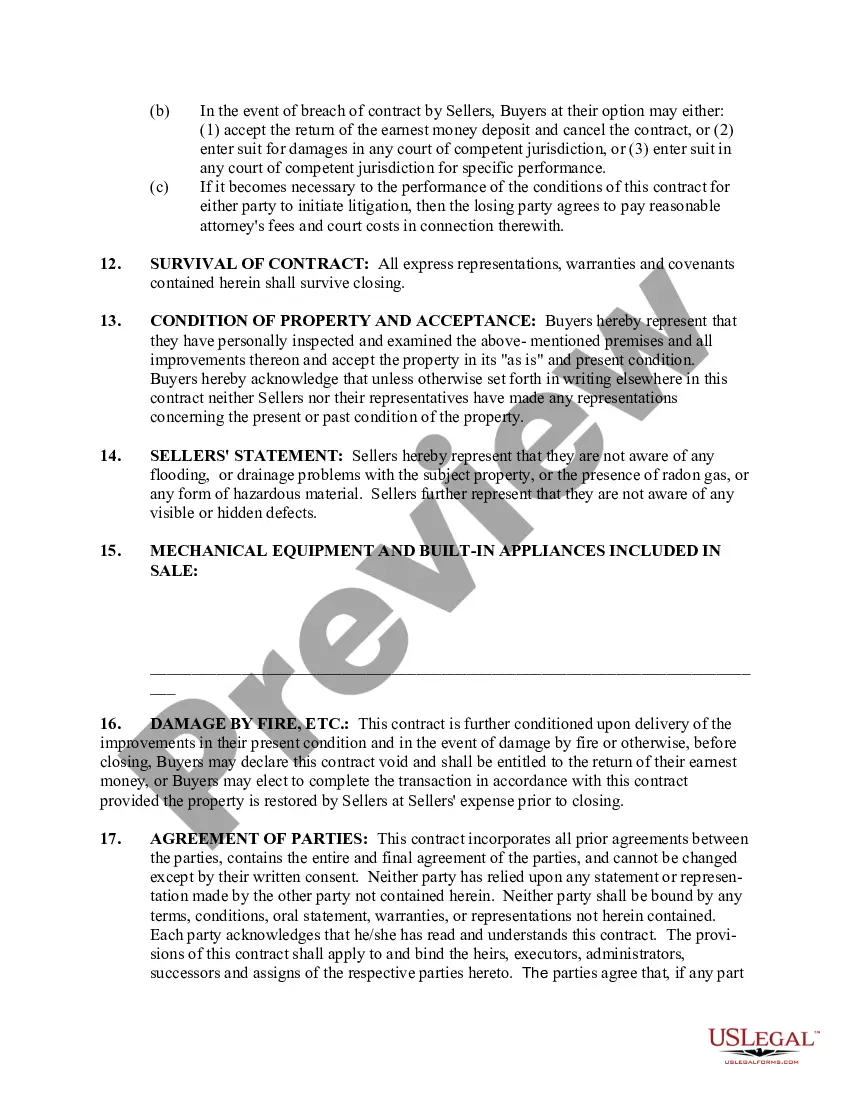
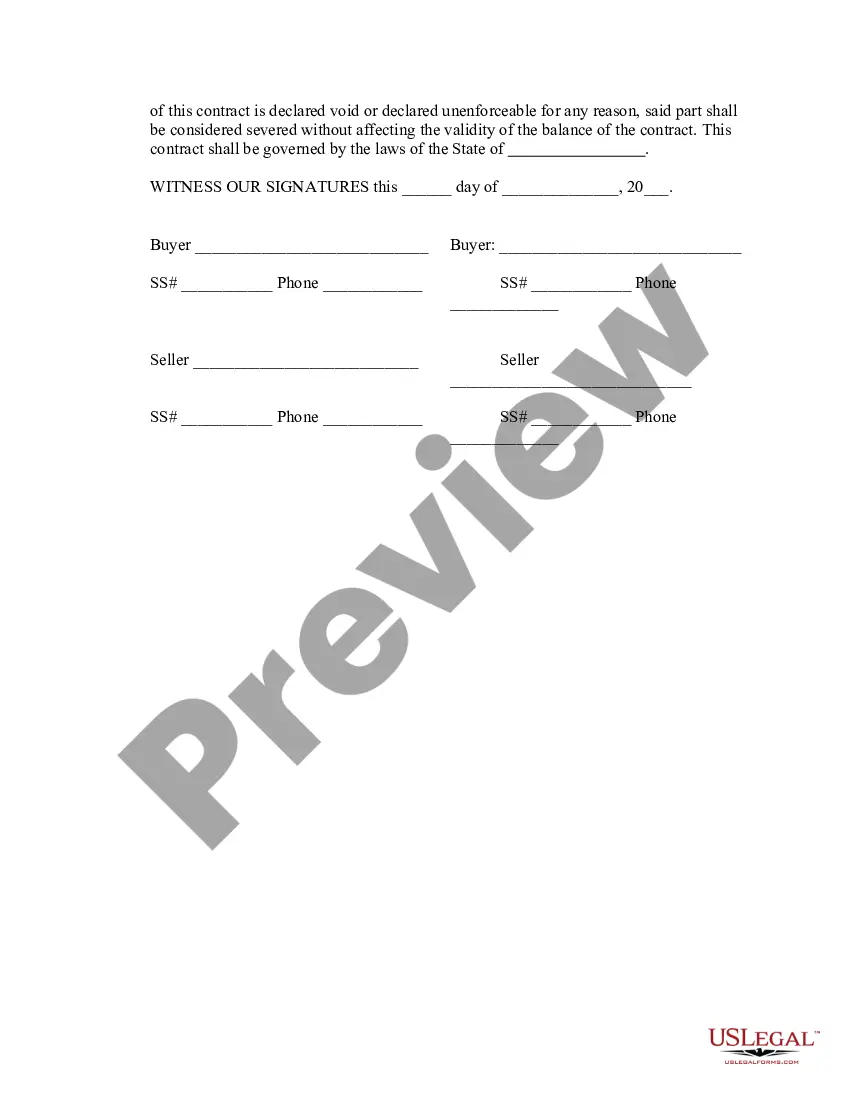
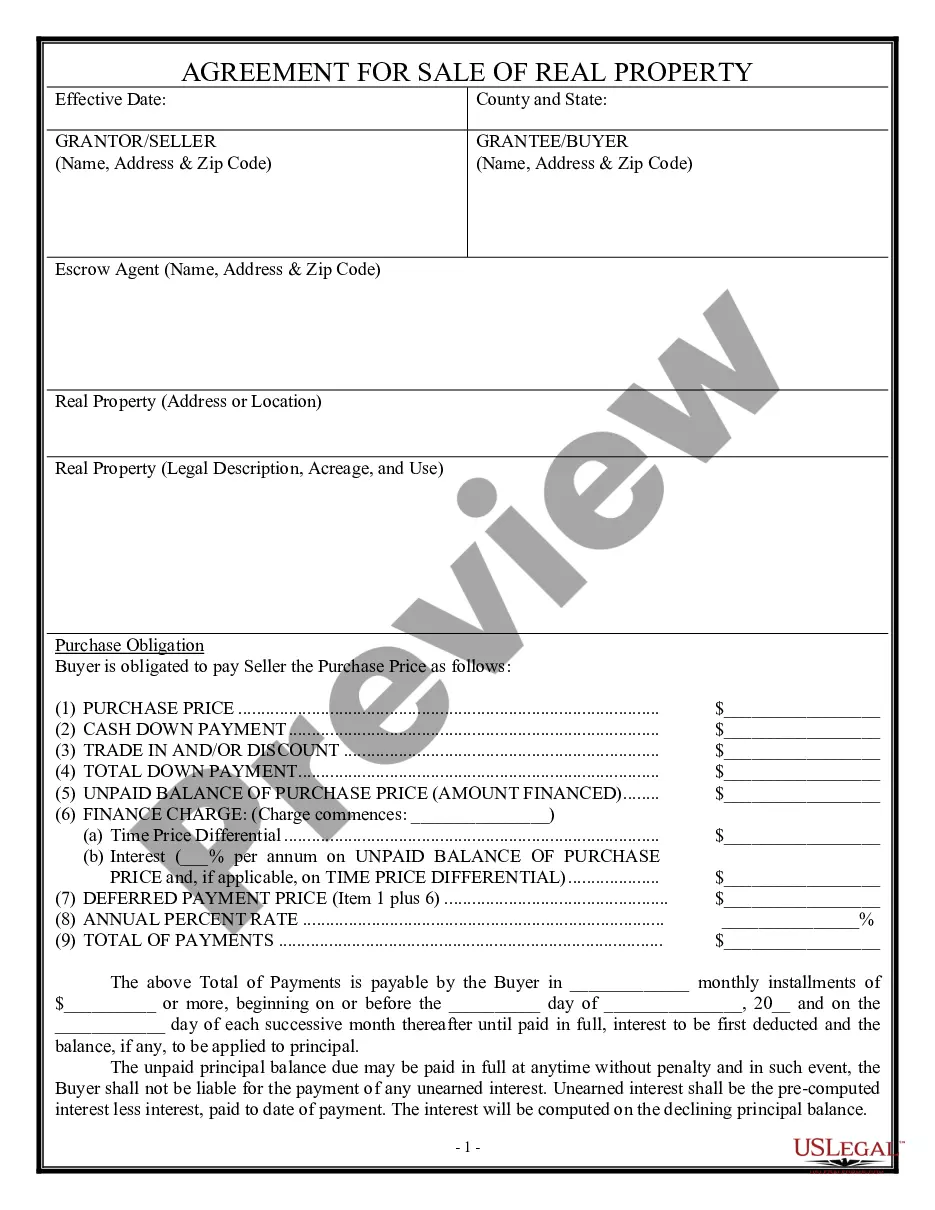
Get your form ready online
Our built-in tools help you complete, sign, share, and store your documents in one place.
Make edits, fill in missing information, and update formatting in US Legal Forms—just like you would in MS Word.
Download a copy, print it, send it by email, or mail it via USPS—whatever works best for your next step.
Sign and collect signatures with our SignNow integration. Send to multiple recipients, set reminders, and more. Go Premium to unlock E-Sign.
If this form requires notarization, complete it online through a secure video call—no need to meet a notary in person or wait for an appointment.
We protect your documents and personal data by following strict security and privacy standards.

Make edits, fill in missing information, and update formatting in US Legal Forms—just like you would in MS Word.

Download a copy, print it, send it by email, or mail it via USPS—whatever works best for your next step.

Sign and collect signatures with our SignNow integration. Send to multiple recipients, set reminders, and more. Go Premium to unlock E-Sign.

If this form requires notarization, complete it online through a secure video call—no need to meet a notary in person or wait for an appointment.

We protect your documents and personal data by following strict security and privacy standards.
Looking for another form?









Form popularity
FAQ
How Are Assets Divided in Washington State? As a community property state, Washington considers all assets and debts acquired after marriage vows to belong equally to both parties. In a divorce, the law seeks to equally divide this property between the spouses.
For long-term marriages (over 25 years), the court will usually try to put both parties in an equal financial position for either the remainder of their lives or until both parties retire. The idea is that after 25 years, the parties should be recognized as financially equal partners.
Dividing a House in Washington State: Community Property State: Washington State is a community property state, meaning both spouses own an undivided interest in the house. The court has discretion to divide the property fairly, which might not always be a 50/50 split. Determining The Equity: To divide the house, f.
Property and pecuniary rights owned by a spouse before marriage and that acquired by him or her afterwards by gift, bequest, devise, descent, or inheritance, with the rents, issues and profits thereof, shall not be subject to the debts or contracts of his or her spouse, and he or she may manage, lease, sell, convey, ...
Washington is a 50/50 divorce state. This means that almost all property, assets, and debts acquired during a marriage are subject to division in a divorce—regardless of who secured them. However, it does not mean that everything will be divided in half between spouses.
Courts usually award each spouse his or her separate property and divide community property 50/50. Consequently, if the house is entirely one spouses' separate property, he or she almost always receives it unless the parties agree otherwise.
You can get a divorce in Washington if the judge finds your marriage is “irretrievably broken.” If you and your spouse agree that the marriage is “irretrievably broken,” a judge can grant you a divorce after: 90 days have passed since you filed for divorce; and.
A court in Washington State will usually a) award each party his or her own separate property and b) divide the net value of the parties' community property 50/50. This means the husband keeps what he brought to the marriage, the wife keeps what she brought, and the rest gets split between them equally.
