Closing Property Title Form Qld In Texas
Description

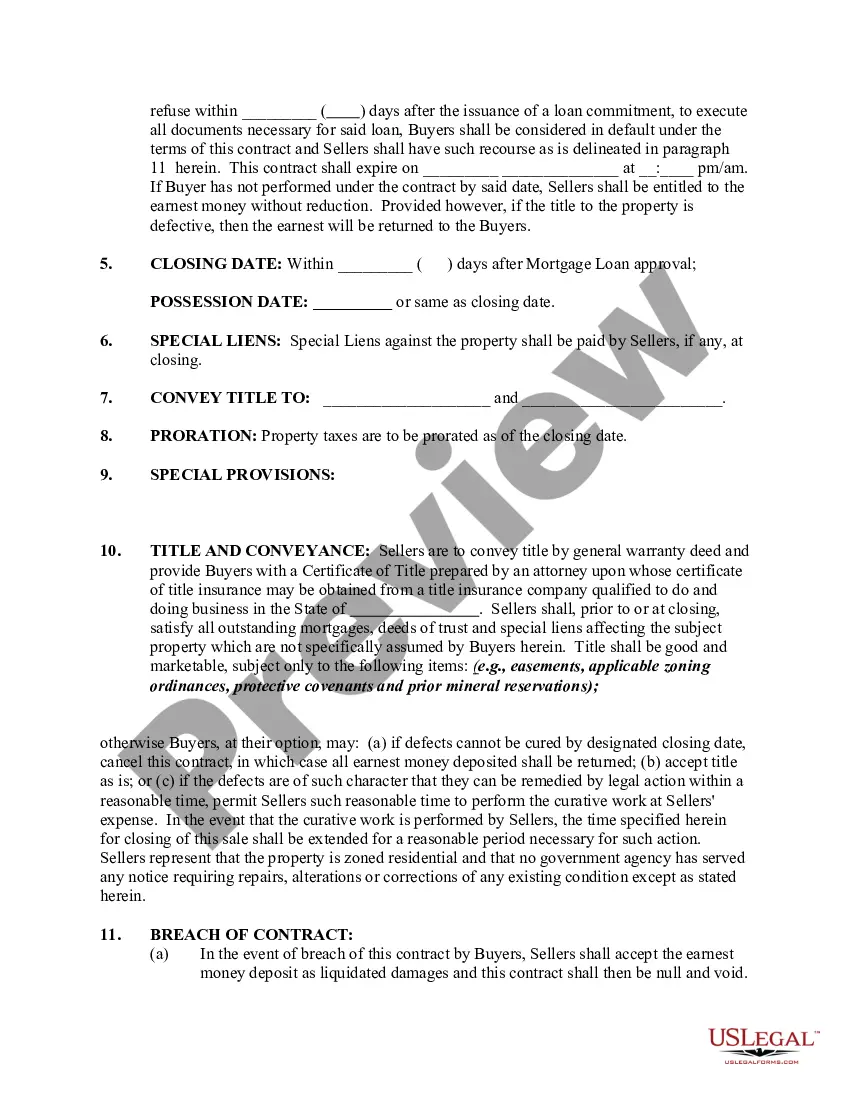
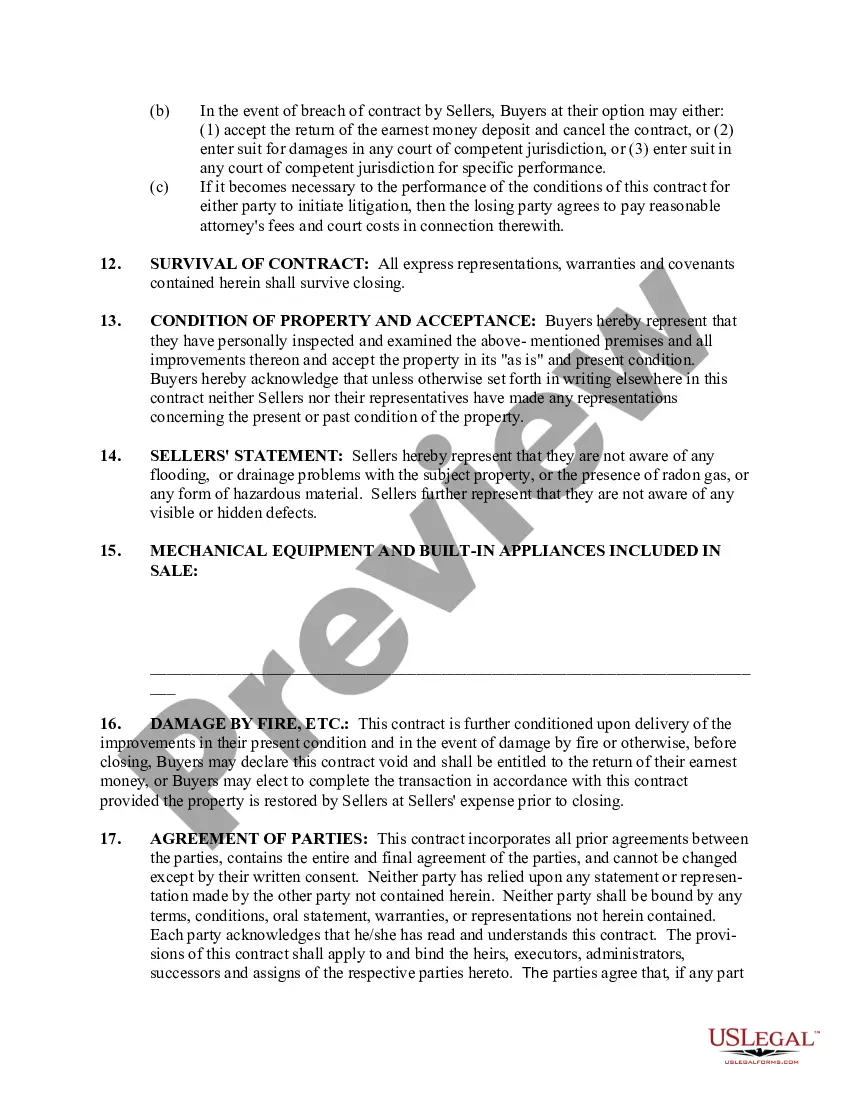
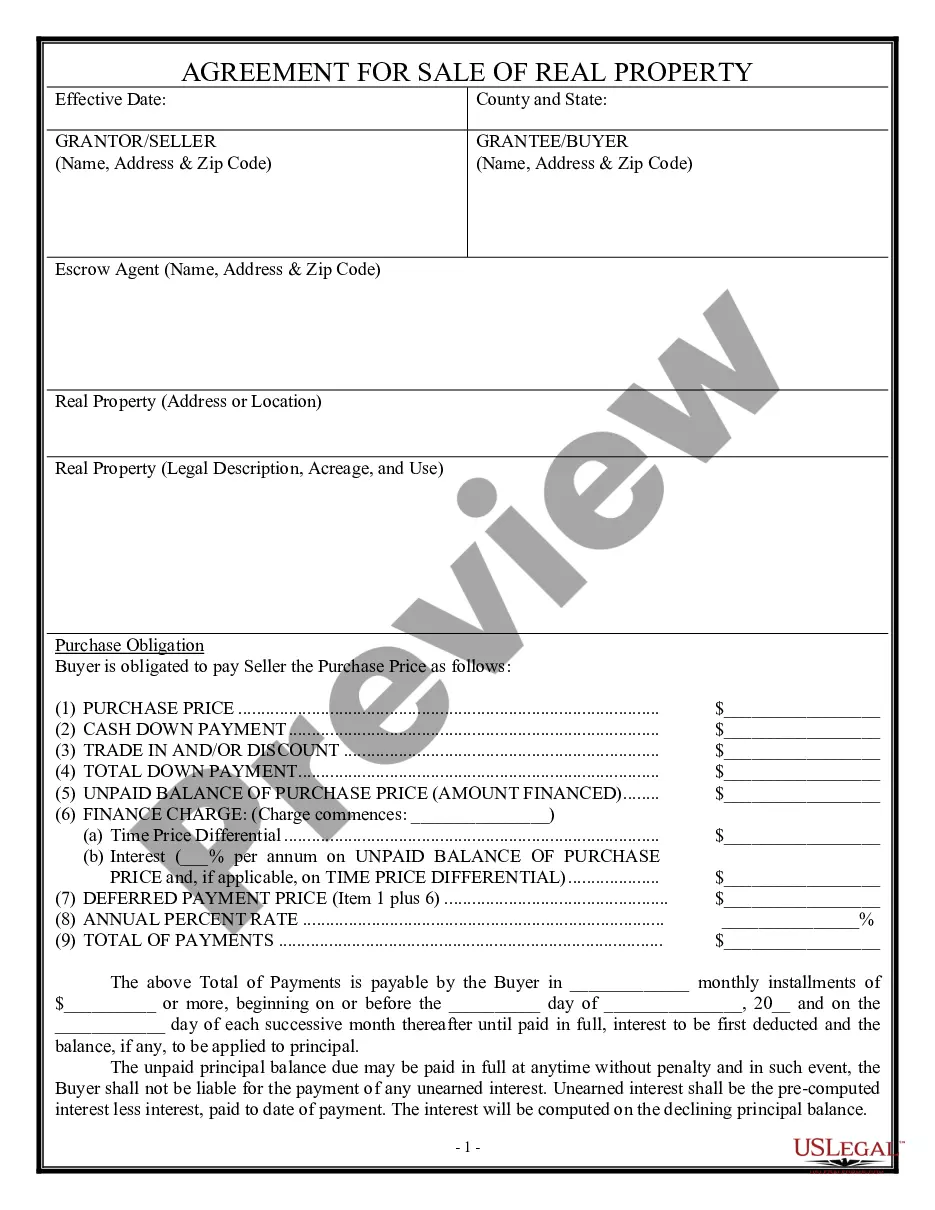
Get your form ready online
Our built-in tools help you complete, sign, share, and store your documents in one place.
Make edits, fill in missing information, and update formatting in US Legal Forms—just like you would in MS Word.
Download a copy, print it, send it by email, or mail it via USPS—whatever works best for your next step.
Sign and collect signatures with our SignNow integration. Send to multiple recipients, set reminders, and more. Go Premium to unlock E-Sign.
If this form requires notarization, complete it online through a secure video call—no need to meet a notary in person or wait for an appointment.
We protect your documents and personal data by following strict security and privacy standards.

Make edits, fill in missing information, and update formatting in US Legal Forms—just like you would in MS Word.

Download a copy, print it, send it by email, or mail it via USPS—whatever works best for your next step.

Sign and collect signatures with our SignNow integration. Send to multiple recipients, set reminders, and more. Go Premium to unlock E-Sign.

If this form requires notarization, complete it online through a secure video call—no need to meet a notary in person or wait for an appointment.

We protect your documents and personal data by following strict security and privacy standards.
Looking for another form?









Form popularity
FAQ
A deed is an official written document declaring a person's legal ownership of a property, while a title is a legal concept that refers to ownership rights. Here's a way to remember the difference: You can own a physical copy of a book, but you can't hold the book's title in your hand.
The most common proof of ownership we receive is a deed. While it is common for deeds to be recorded in the County Clerk's office public records, there is no requirement.
To prove title to real property, you'll need to file certain documents with the county's clerk office. This must be done in the county where the property is located. It will help establish the chain of title, allow you to sell the property, etc. The county cannot add your name to the deed or issue a new deed.
Send a written request to the county clerk's.MoreSend a written request to the county clerk's.
Once a deed has been recorded by the County Clerk's Office, copies of the deed may be requested if the original deed has been misplaced. Plain copies can be found by using the Official Public Records Search and selecting "Land Records". A certified copy may be purchased through request either in person or by mail.
Under the theory of adverse possession, you can claim ownership of property that belongs to someone else. Under Texas law, your possession of the property must be exclusive, open, continuous, and without the permission of the property owner for 3-10 years, depending on the circumstances.
Texas does not require that a deed be recorded in the county clerk's real property records in order to be valid. The only requirement is that it is executed and delivered to the grantee, which then makes the transfer fully effective.
The information on the Form 24 is required for the Queensland Revenue Office and to monitor compliance with legislative requirements relating to electrical safety switches (Electrical Safety Office) and smoke alarms (Queensland Fire and Emergency Services); and to update information held on the valuation and sales ...
In Texas, you record your deed with the County Clerk in the county where the property exists. If the property is in more than one county, record it in each. It is important to record your deed. In Texas, the property is legally transferred when the grantee accepts the signed deed.
It is also important to understand that in Texas, a valid deed must be drafted by an attorney. Simply writing up a deed on your own and having it notarized does not make the document legally binding.
