Closing Property Title Format In Santa Clara
Description

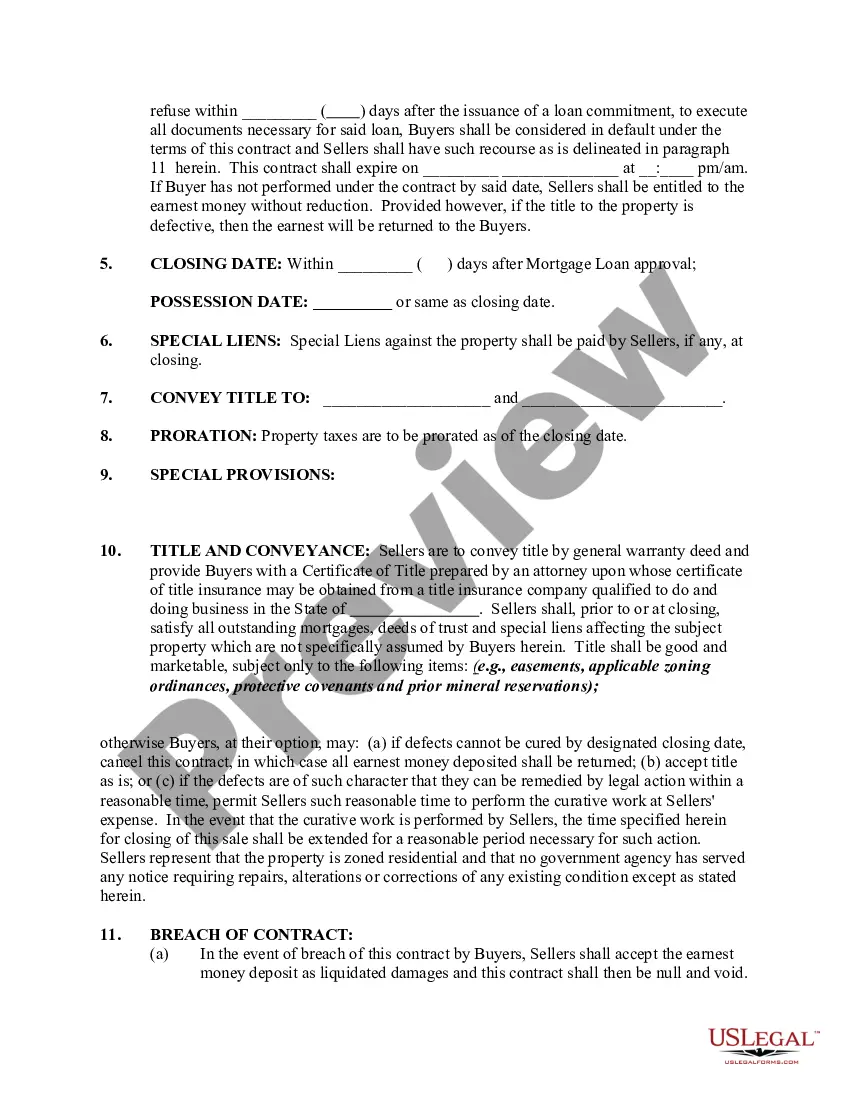
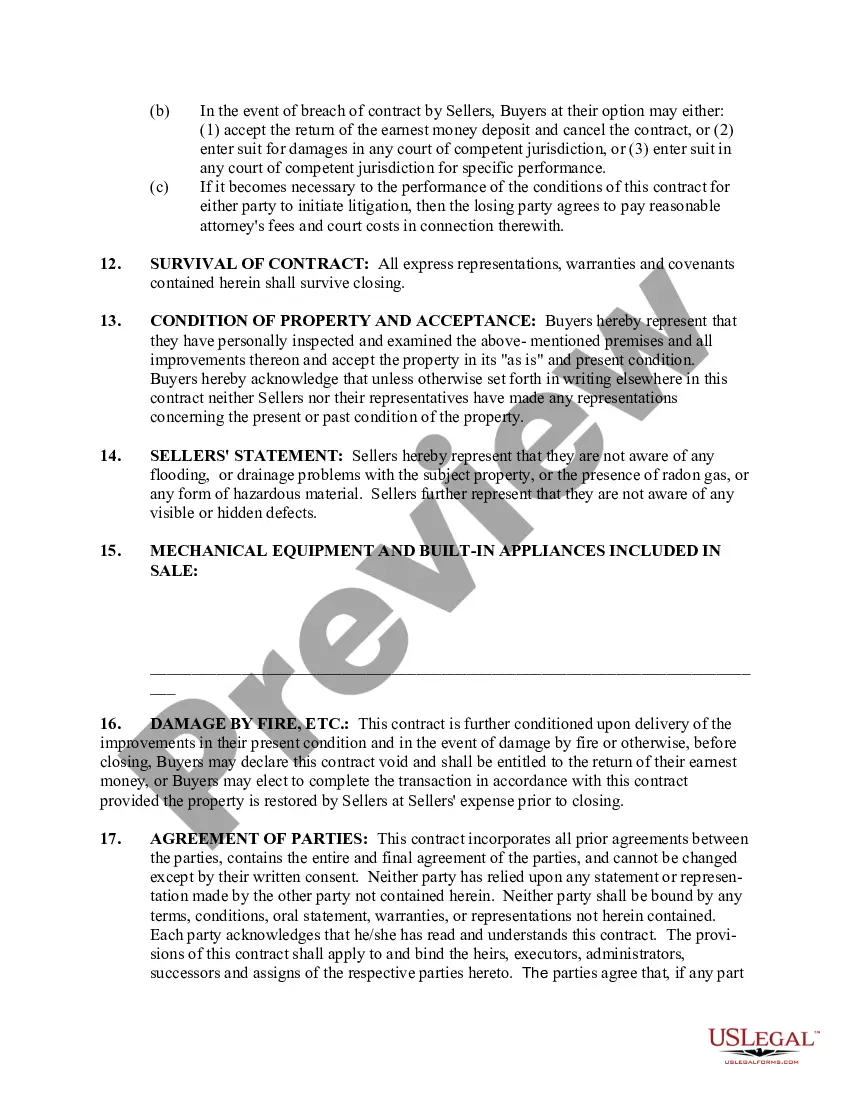
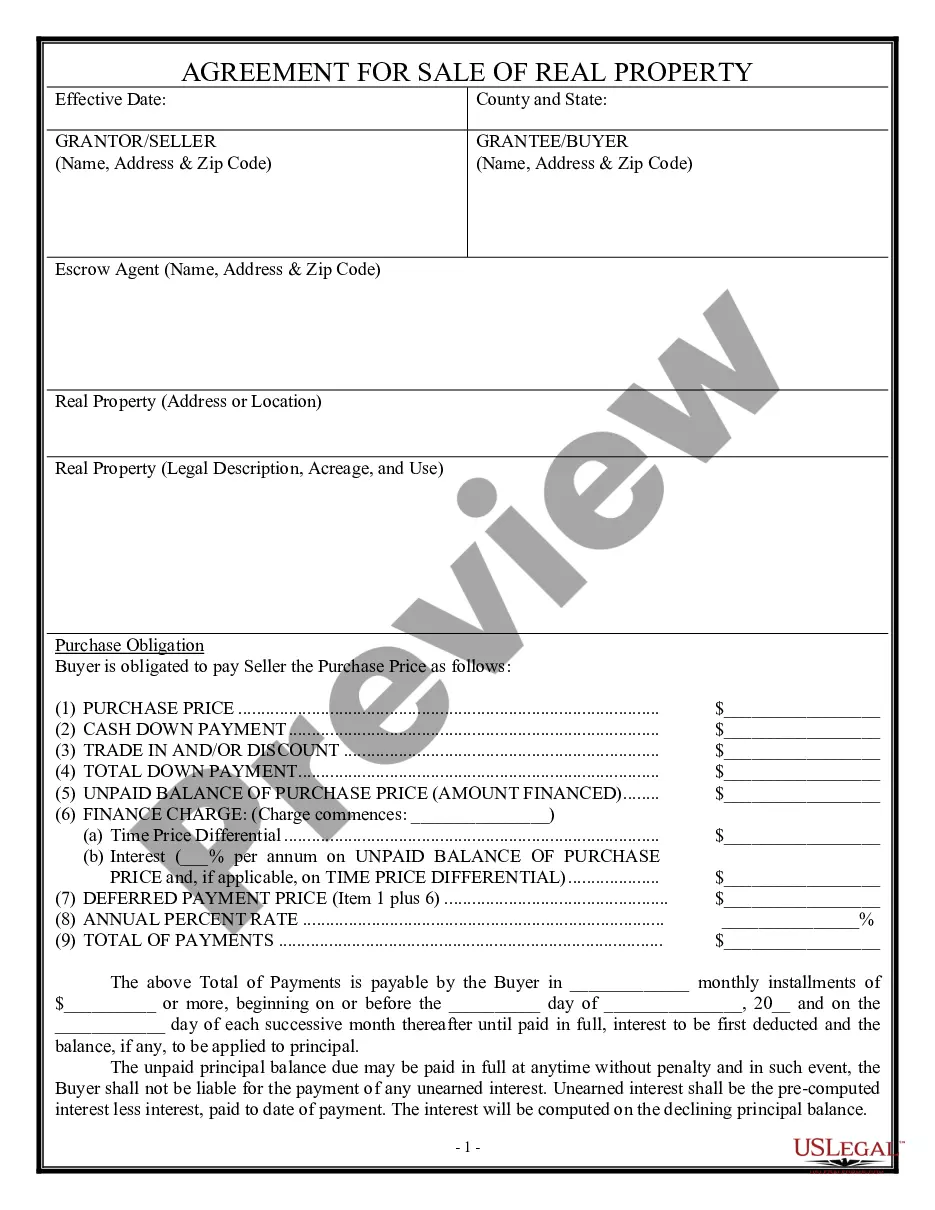
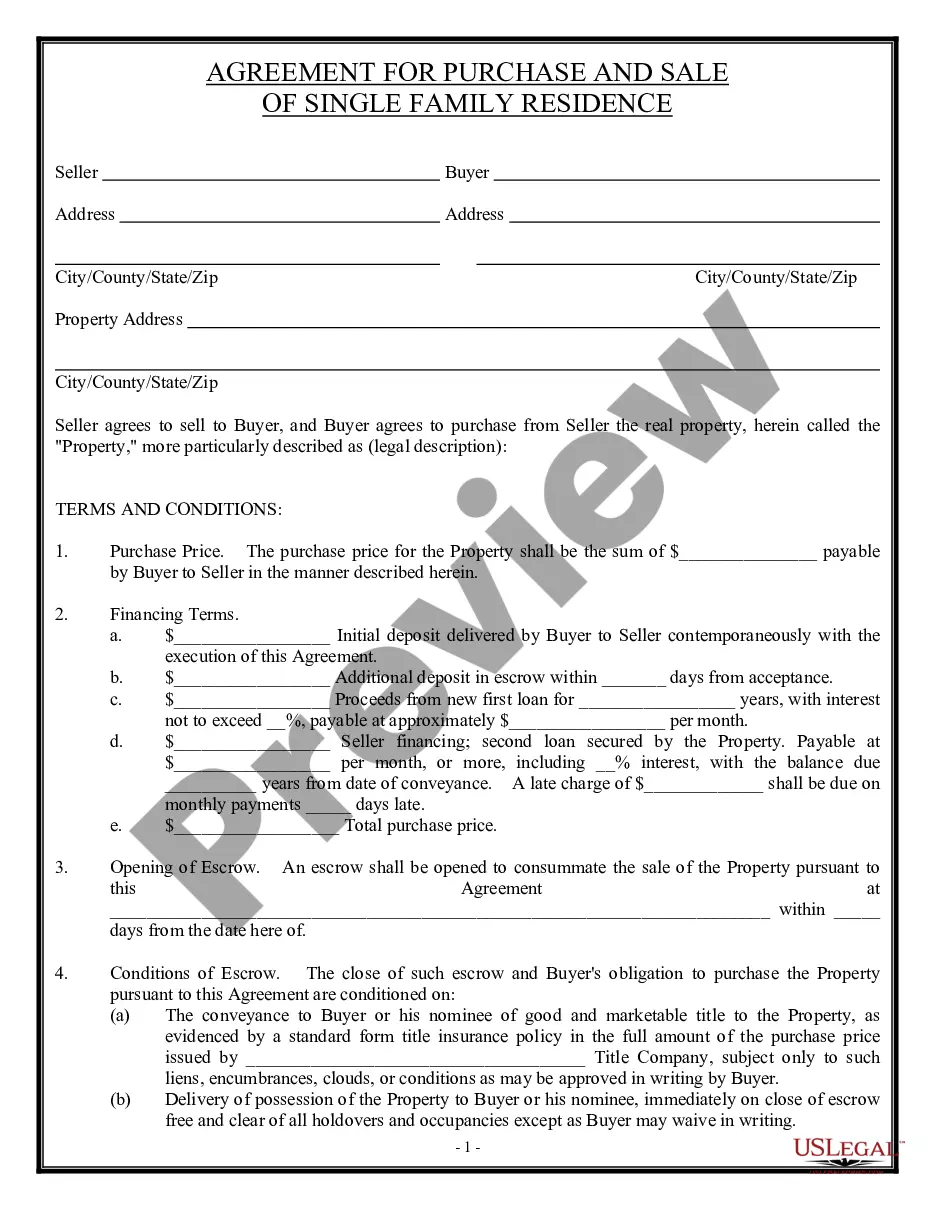
Get your form ready online
Our built-in tools help you complete, sign, share, and store your documents in one place.
Make edits, fill in missing information, and update formatting in US Legal Forms—just like you would in MS Word.
Download a copy, print it, send it by email, or mail it via USPS—whatever works best for your next step.
Sign and collect signatures with our SignNow integration. Send to multiple recipients, set reminders, and more. Go Premium to unlock E-Sign.
If this form requires notarization, complete it online through a secure video call—no need to meet a notary in person or wait for an appointment.
We protect your documents and personal data by following strict security and privacy standards.

Make edits, fill in missing information, and update formatting in US Legal Forms—just like you would in MS Word.

Download a copy, print it, send it by email, or mail it via USPS—whatever works best for your next step.

Sign and collect signatures with our SignNow integration. Send to multiple recipients, set reminders, and more. Go Premium to unlock E-Sign.

If this form requires notarization, complete it online through a secure video call—no need to meet a notary in person or wait for an appointment.

We protect your documents and personal data by following strict security and privacy standards.
Looking for another form?








Form popularity
FAQ
In California, there are two types of title insurance policies. The CLTA (California Land Title Association) policy insures the property owner and the ALTA (American Land Title Association) is an extended coverage policy that insures the lender against possible unrecorded risks excluded in the CLTA policy.
An owner's policy insures the buyer for as long as he or she owns the property. This protection is limited to the value of the property at the time of a claim.
Final distribution is the final step in closing a probate where all of the heirs and beneficiaries receive the assets owed to them from the estate and title is transferred to their name.
An order for final distribution in California probate is conclusive to the rights of heirs and devisees in a decedent's estate. The order also releases the personal representative from claims by heirs and devisees, unless, of course, there is fraud or misrepresentation present.
An order for final distribution in California probate is conclusive to the rights of heirs and devisees in a decedent's estate. The order also releases the personal representative from claims by heirs and devisees, unless, of course, there is fraud or misrepresentation present.
A final distribution of estate letter is a document that marks the end of probate. This letter officially communicates to beneficiaries about how the deceased person's property has been shared among them. The executor or personal representative usually drafts and hands out this letter.
You can go to a ``title company'' and they can do that search for you. If you choose to do it yourself, go to your local courthouse and ask for their procedure in pursuing a title search.
You'll find most California property deeds at the County Clerk's office, also called the Registrar/Recorder office. Some of them provide online searches. Others require visiting their offices. For example, the San Diego County Clerk's Office provides online searches.
You'll find most California property deeds at the County Clerk's office, also called the Registrar/Recorder office. Some of them provide online searches. Others require visiting their offices. For example, the San Diego County Clerk's Office provides online searches.
How To Find Out Who Owns a Property: Top Five Methods Public Records. Traditionally, property ownership details have been documented in public records housed within local county recorder's offices. Online County or City Websites. Real Estate Websites. Professional Land Surveyors. Using Land id™'s Search Feature.
