Closure Any Property Formula Class 8 In San Antonio
Description

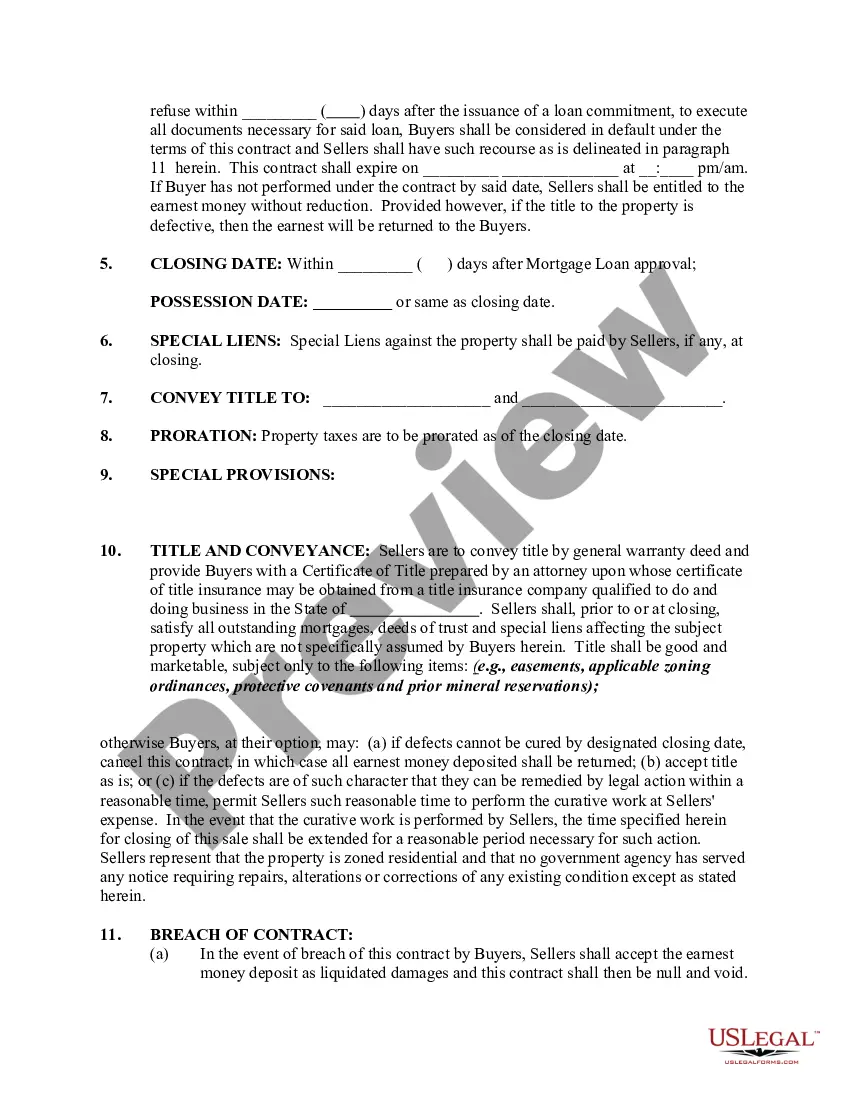
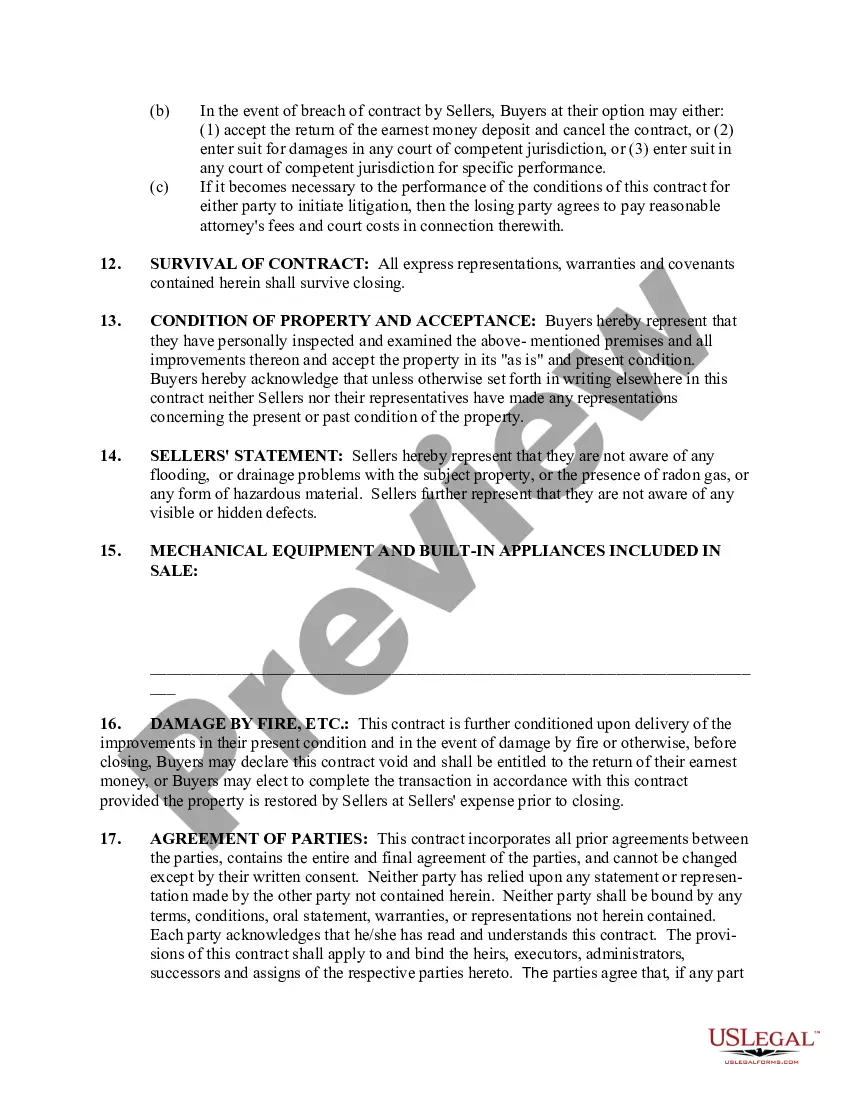



Get your form ready online
Our built-in tools help you complete, sign, share, and store your documents in one place.
Make edits, fill in missing information, and update formatting in US Legal Forms—just like you would in MS Word.
Download a copy, print it, send it by email, or mail it via USPS—whatever works best for your next step.
Sign and collect signatures with our SignNow integration. Send to multiple recipients, set reminders, and more. Go Premium to unlock E-Sign.
If this form requires notarization, complete it online through a secure video call—no need to meet a notary in person or wait for an appointment.
We protect your documents and personal data by following strict security and privacy standards.

Make edits, fill in missing information, and update formatting in US Legal Forms—just like you would in MS Word.

Download a copy, print it, send it by email, or mail it via USPS—whatever works best for your next step.

Sign and collect signatures with our SignNow integration. Send to multiple recipients, set reminders, and more. Go Premium to unlock E-Sign.

If this form requires notarization, complete it online through a secure video call—no need to meet a notary in person or wait for an appointment.

We protect your documents and personal data by following strict security and privacy standards.
Looking for another form?









Form popularity
FAQ
We learned that the commutative property of addition tells us numbers can be added in any order and you will still get the same answer. The formula for this property is a + b = b + a. For example, adding 1 + 2 or 2 + 1 will give us the same answer ing to the commutative property of addition.
So let's see if this these problems are commutative as well. So 9 times 7. Gives us 63. Let's moveMoreSo let's see if this these problems are commutative as well. So 9 times 7. Gives us 63. Let's move the factors these are called factors now when it comes to multiplication. Let's switch the factors.
The commutative property states that the change in the order of two numbers in an addition or multiplication operation does not change the sum or the product. The commutative property of addition is expressed as A + B = B + A. The commutative property of multiplication is expressed as A × B = B × A.
We know that 3+5 = 5+3. This Property is called commutative property of... Write the following using numbers. literal numbers and arithmetic opera...
Closure property holds for addition and multiplication of whole numbers. Closure property of whole numbers under addition: The sum of any two whole numbers will always be a whole number, i.e. if a and b are any two whole numbers, a + b will be a whole number. Example: 12 + 0 = 12. 9 + 7 = 16.
Answer: The equation shows the commutative property of addition is 4 +3 = 3 + 4 . Option (A) is correct. a + b = b + a .
The closure property states that if a set of numbers (integers, real numbers, etc.) is closed under some operation (such as addition, subtraction, or multiplication, etc.), then performing that operation on any two numbers in the set results in the element belonging to the set.
The closure property formula for multiplication for a given set S is: ∀ a, b ∈ S ⇒ a × b ∈ S. Here are some examples of sets that are closed under multiplication: Natural Numbers (ℕ): ∀ a, b ∈ ℕ ⇒ a × b ∈ ℕ Whole Numbers (W): ∀ a, b ∈ W ⇒ a × b ∈ W.
Closure property formula states that, for two numbers a, and b from set N (natural numbers) then, a + b ∈ ℕ a × b ∈ ℕ a - b ∉ ℕ
Closure property means when you perform an operation on any two numbers in a set, the result is another number in the same set or in simple words the set of numbers is closed for that operation.
