Closing Property Title For Married Couple In Salt Lake
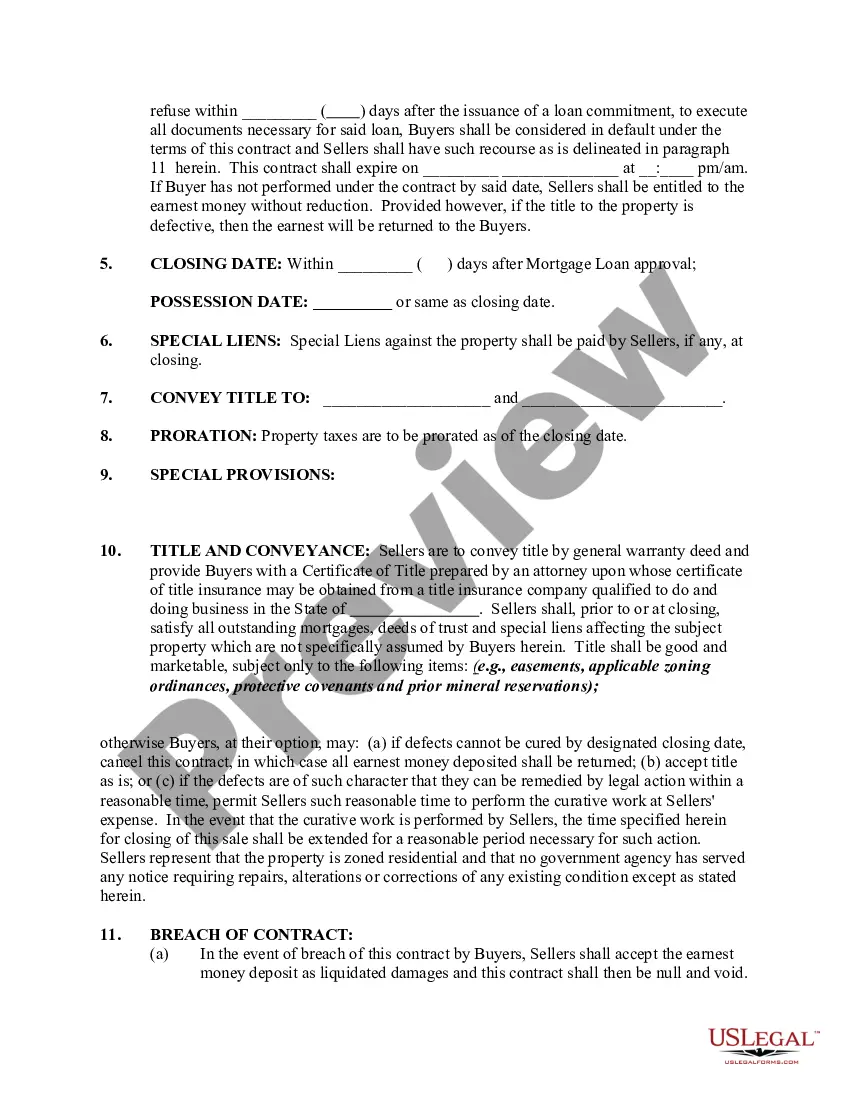
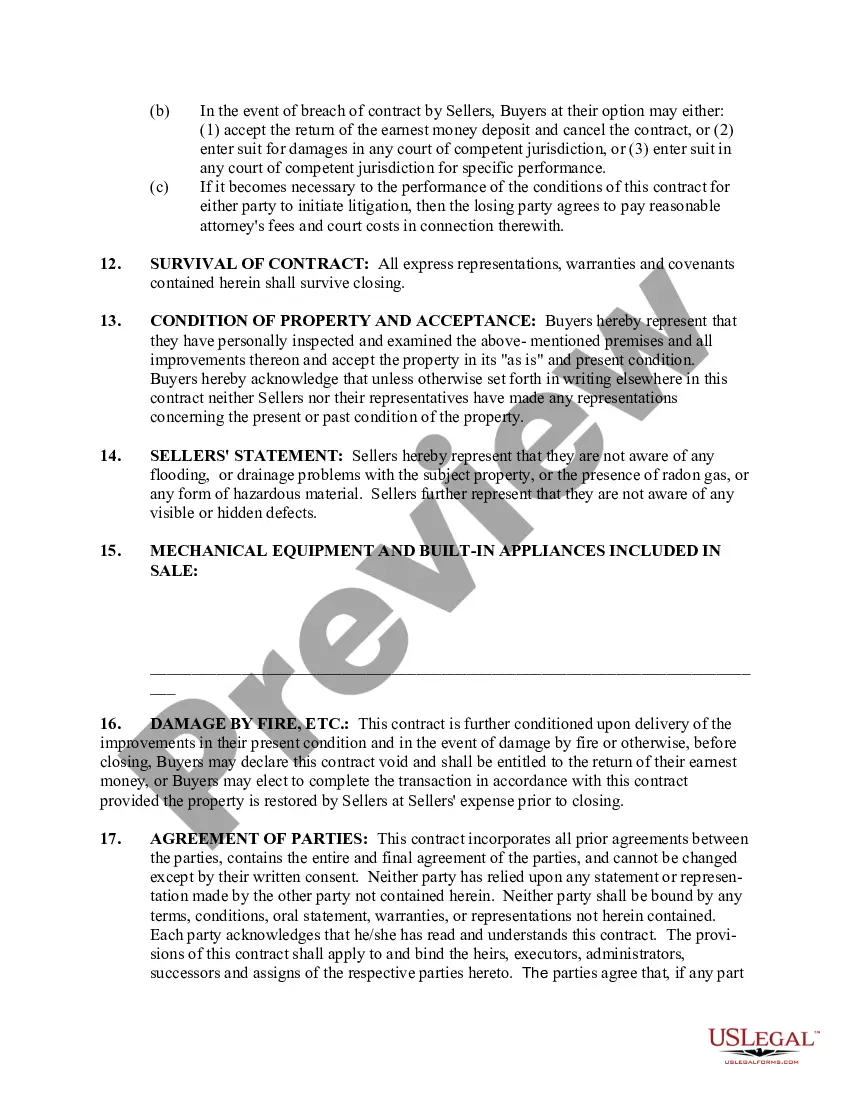
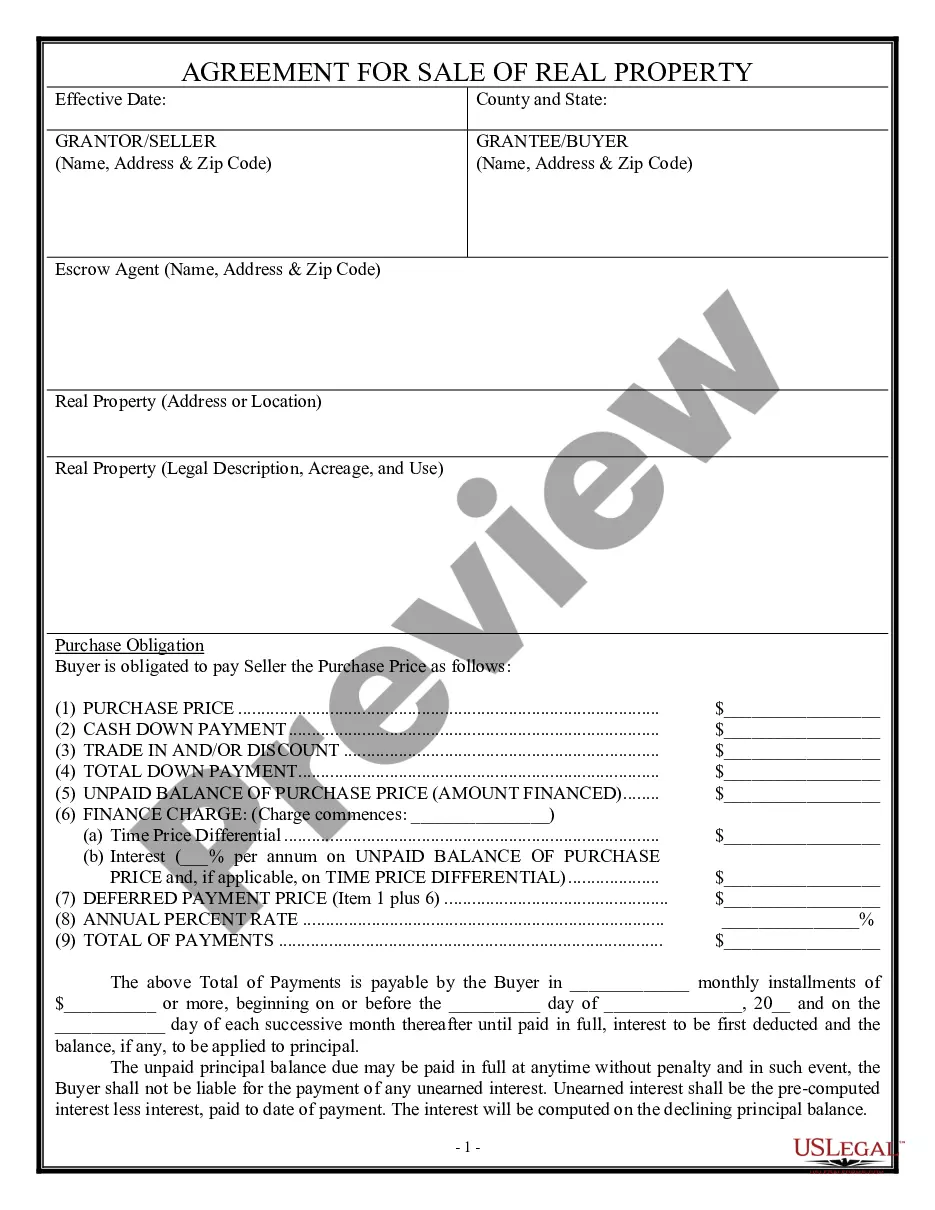
Description

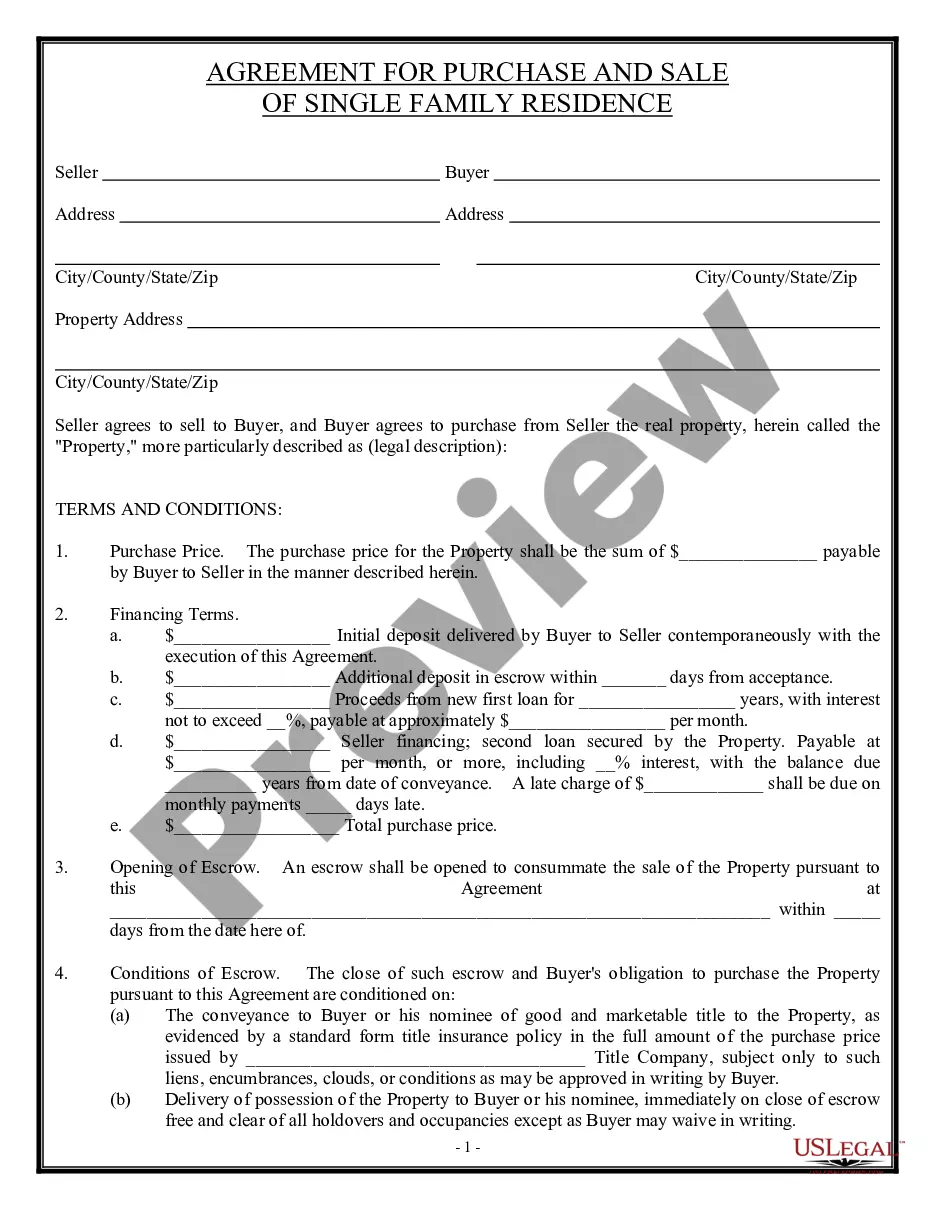
Get your form ready online
Our built-in tools help you complete, sign, share, and store your documents in one place.
Make edits, fill in missing information, and update formatting in US Legal Forms—just like you would in MS Word.
Download a copy, print it, send it by email, or mail it via USPS—whatever works best for your next step.
Sign and collect signatures with our SignNow integration. Send to multiple recipients, set reminders, and more. Go Premium to unlock E-Sign.
If this form requires notarization, complete it online through a secure video call—no need to meet a notary in person or wait for an appointment.
We protect your documents and personal data by following strict security and privacy standards.

Make edits, fill in missing information, and update formatting in US Legal Forms—just like you would in MS Word.

Download a copy, print it, send it by email, or mail it via USPS—whatever works best for your next step.

Sign and collect signatures with our SignNow integration. Send to multiple recipients, set reminders, and more. Go Premium to unlock E-Sign.

If this form requires notarization, complete it online through a secure video call—no need to meet a notary in person or wait for an appointment.

We protect your documents and personal data by following strict security and privacy standards.
Looking for another form?








Form popularity
FAQ
– Quitclaim Deed: This deed transfers the grantor's interest in the property without any warranties or guarantees. It is often used for transfers between family members where the grantor may not want to warrant the current status of title.
The other common way by which married couples hold property is community property. California is one of the nine states that allow for community property. Under community property rules, property acquired by either spouse during a marriage is presumed to be equally owned by both spouses.
Property owned by the spouses before the marriage or received by gift or inheritance during the marriage is usually not considered to be marital property.
In California, spouses have equal rights and responsibilities about the marital home and any mortgages that bind it: debts and property. The spouse gives up all rights to the property when he signs a quit claim deed but does not give up any responsibilities for the mortgage.
A quitclaim deed is a simple yet effective legal document that conveys property ownership from one person (the grantor) to another (the grantee) without any warranties or guarantees. It essentially allows you to “quit” your claim, or interest, on a property.
The key documents required for a title transfer in Utah include the Certificate of Title, Bill of Sale, Release of Lien, and Affidavit of Ownership. Having these documents prepared is essential for a successful transfer process.
Adding a family member to the deed as a joint owner for no consideration is considered a gift of 50% of the property's fair market value for tax purposes. If the value of the gift exceeds the annual exclusion limit ($16,000 for 2022) the donor will need to file a gift tax return (via Form 709) to report the transfer.
To add your wife's name to the title of your house in California, follow these steps: Obtain a quitclaim deed or interspousal grant deed form. Fill out the deed form, including the legal description of the property from your current deed. Have the quitclaim/grant deed notarized with both of your signatures.
The husband and the wife are considered as co-owners of all properties they bring into the marriage (those that they owned before the marriage), as well as the properties acquired during the marriage, except for certain properties express excluded by law.
Tenancy by the entirety refers to a form of shared property ownership that is usually reserved only for married couples. A tenancy by the entirety permits spouses to jointly own property as a single legal entity. This means that each spouse has an equal and undivided interest in the property.
