Closure Any Property For Regular Language In Riverside
Description



Get your form ready online
Our built-in tools help you complete, sign, share, and store your documents in one place.
Make edits, fill in missing information, and update formatting in US Legal Forms—just like you would in MS Word.
Download a copy, print it, send it by email, or mail it via USPS—whatever works best for your next step.
Sign and collect signatures with our SignNow integration. Send to multiple recipients, set reminders, and more. Go Premium to unlock E-Sign.
If this form requires notarization, complete it online through a secure video call—no need to meet a notary in person or wait for an appointment.
We protect your documents and personal data by following strict security and privacy standards.

Make edits, fill in missing information, and update formatting in US Legal Forms—just like you would in MS Word.

Download a copy, print it, send it by email, or mail it via USPS—whatever works best for your next step.

Sign and collect signatures with our SignNow integration. Send to multiple recipients, set reminders, and more. Go Premium to unlock E-Sign.

If this form requires notarization, complete it online through a secure video call—no need to meet a notary in person or wait for an appointment.

We protect your documents and personal data by following strict security and privacy standards.
Looking for another form?




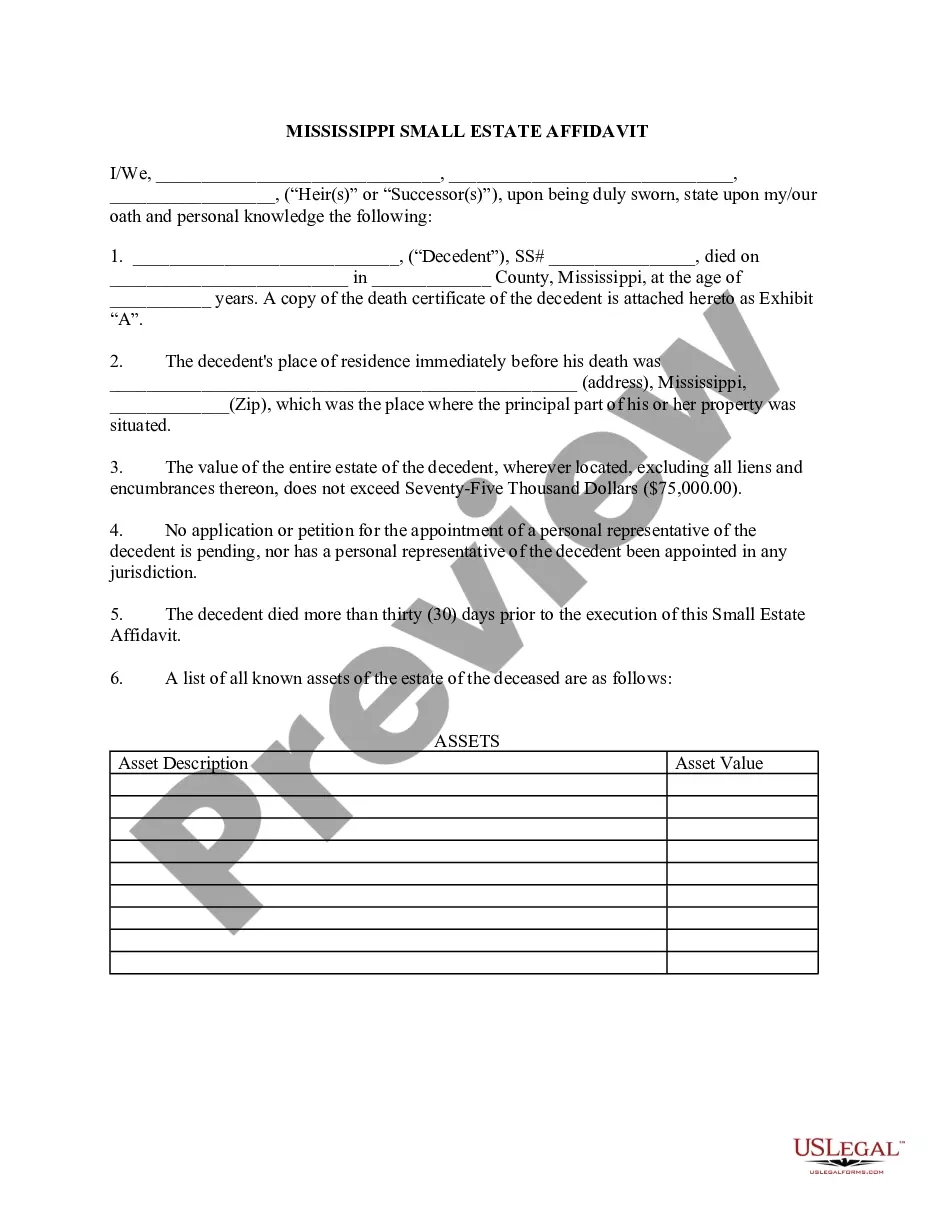
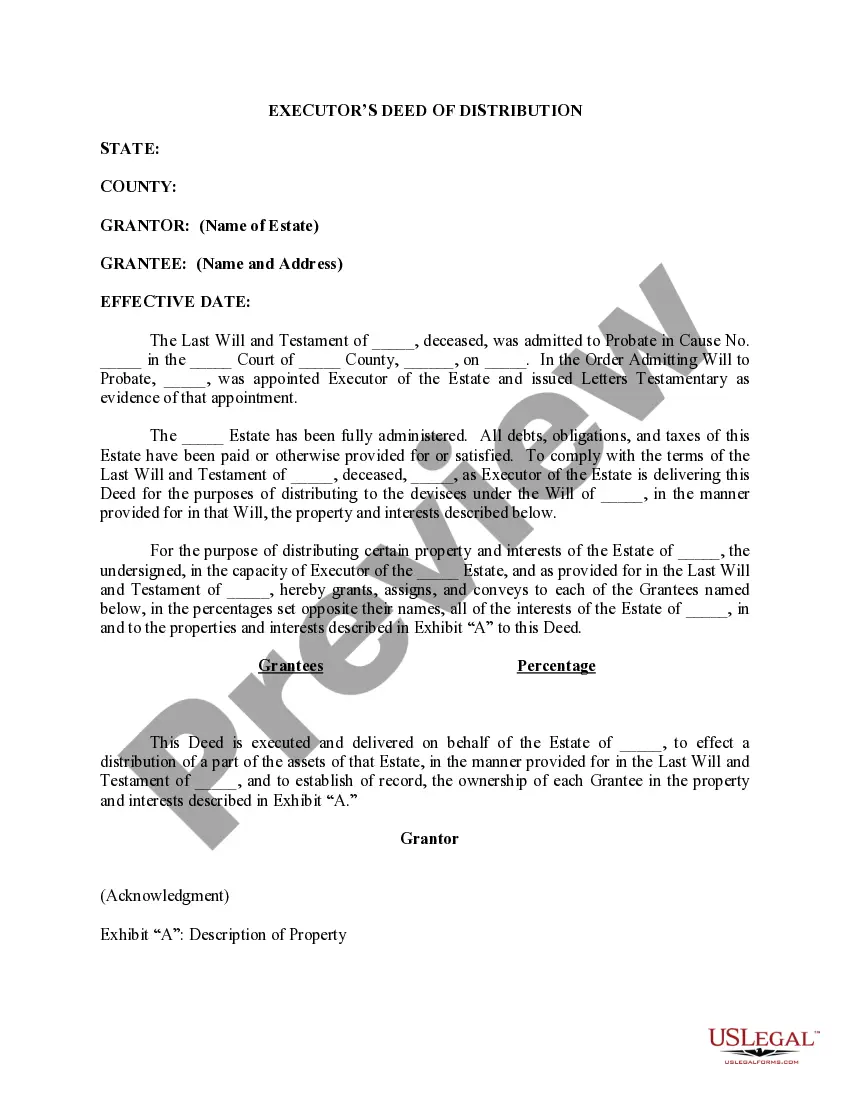
Form popularity
FAQ
Regular languages are closed under concatenation - this is demonstrable by having the accepting state(s) of one language with an epsilon transition to the start state of the next language. If we consider the language L = {a^n | n >=0}, this language is regular (it is simply a).
Regular languages are closed under union, concatenation, star, and complementation.
Closure property means when you perform an operation on any two numbers in a set, the result is another number in the same set or in simple words the set of numbers is closed for that operation.
The closure property states that if L1 and L2 are regular languages, then their union L1 ∪ L2 is also a regular language. This means that any string belonging to either L1 or L2, or both, can be recognized by a finite automaton or expressed using a regular expression.
Closure under Union For any regular languages L and M, then L ∪ M is regular. Proof: Since L and M are regular, they have regular expressions, say: Let L = L(E) and M = L(F). Then L ∪ M = L(E + F) by the definition of the + operator.
Regular languages are closed under complement, union, intersection, concatenation, Kleene star, reversal, homomorphism, and substitution.
Regular Languages are closed under complementation, i.e., if L is regular then L = Σ∗ \ L is also regular.
Regular languages are closed under reversal, meaning if L is a regular language, then its reversed language LR is also regular. This is proven by creating a new automaton that reverses the transitions of the original DFA. Thus, the reversed language is also accepted by a finite automaton, confirming its regularity.
Regular languages have finite state machines, represent simple patterns, are closed under union, intersection, concatenation, and Kleene star operations.
Intersection. Theorem If L1 and L2 are regular languages, then the new language L = L1 ∩ L2 is regular. Proof By De Morgan's law, L = L1 ∩ L2 = L1 ∪ L2. By the previous two theorems this language is regular.
