Closing Property Title With Deed In Riverside
Description

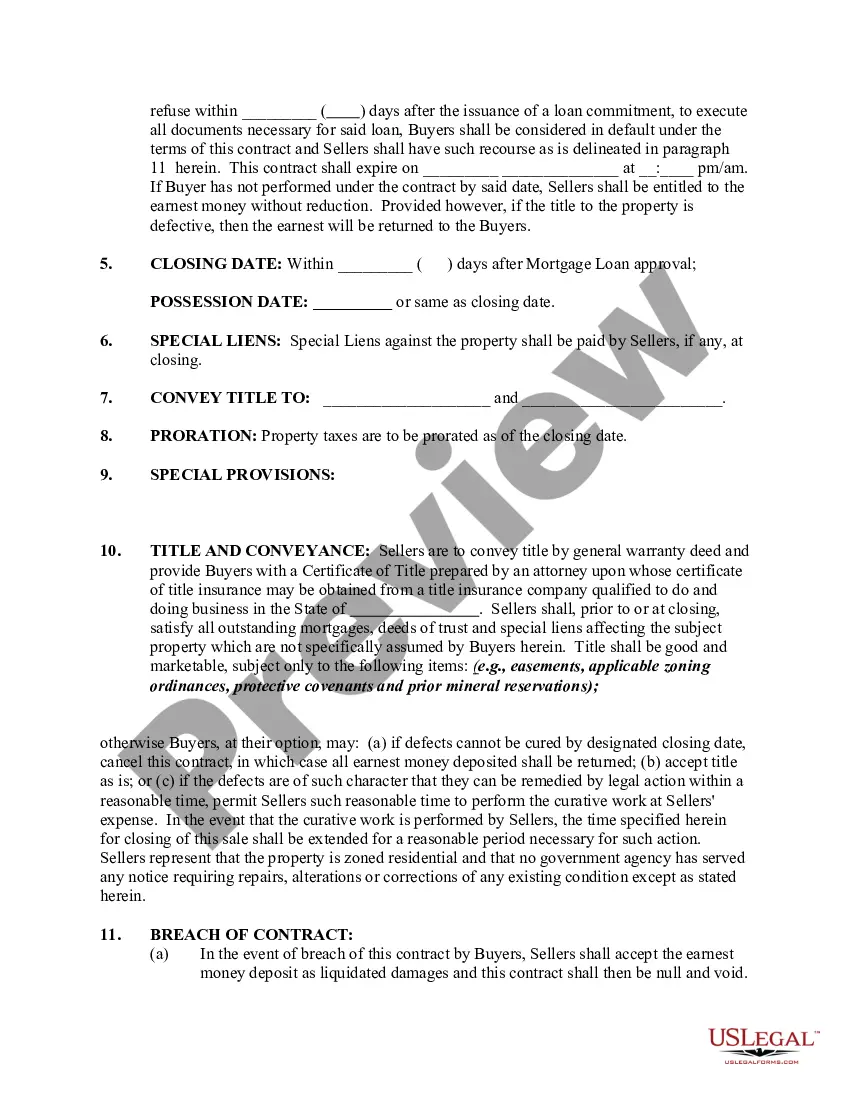
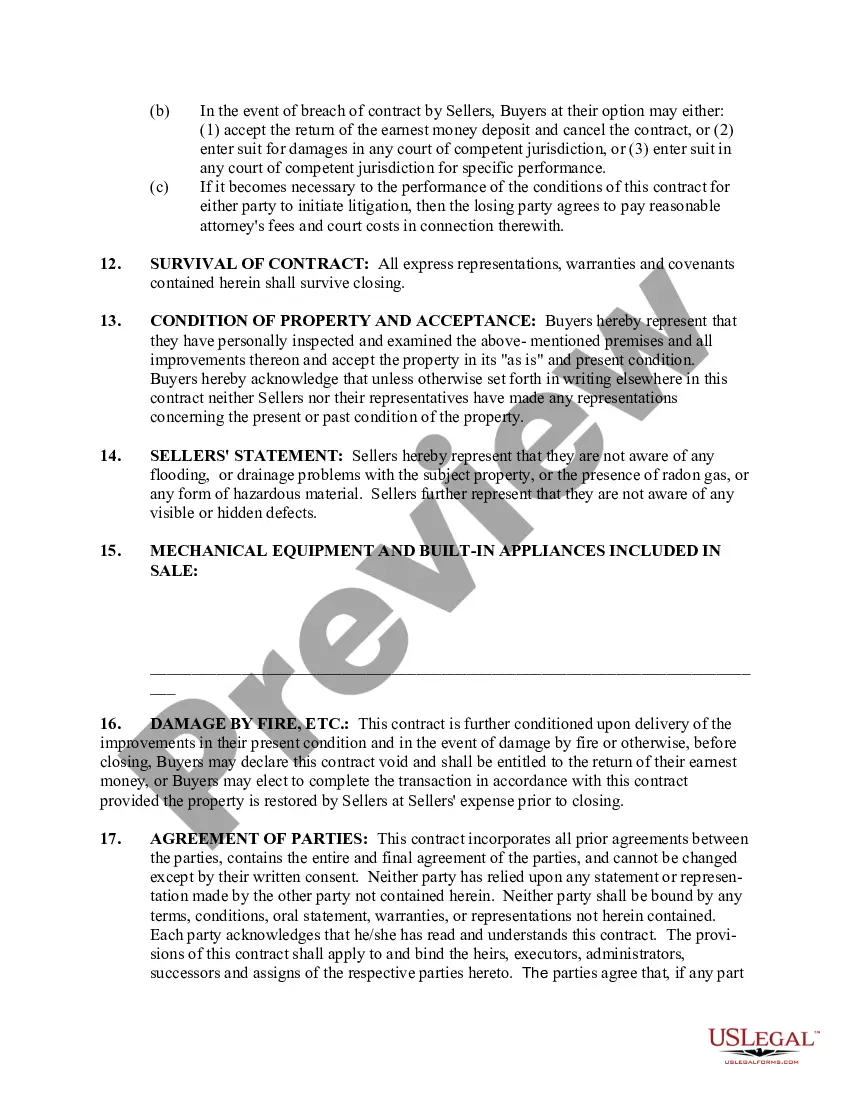
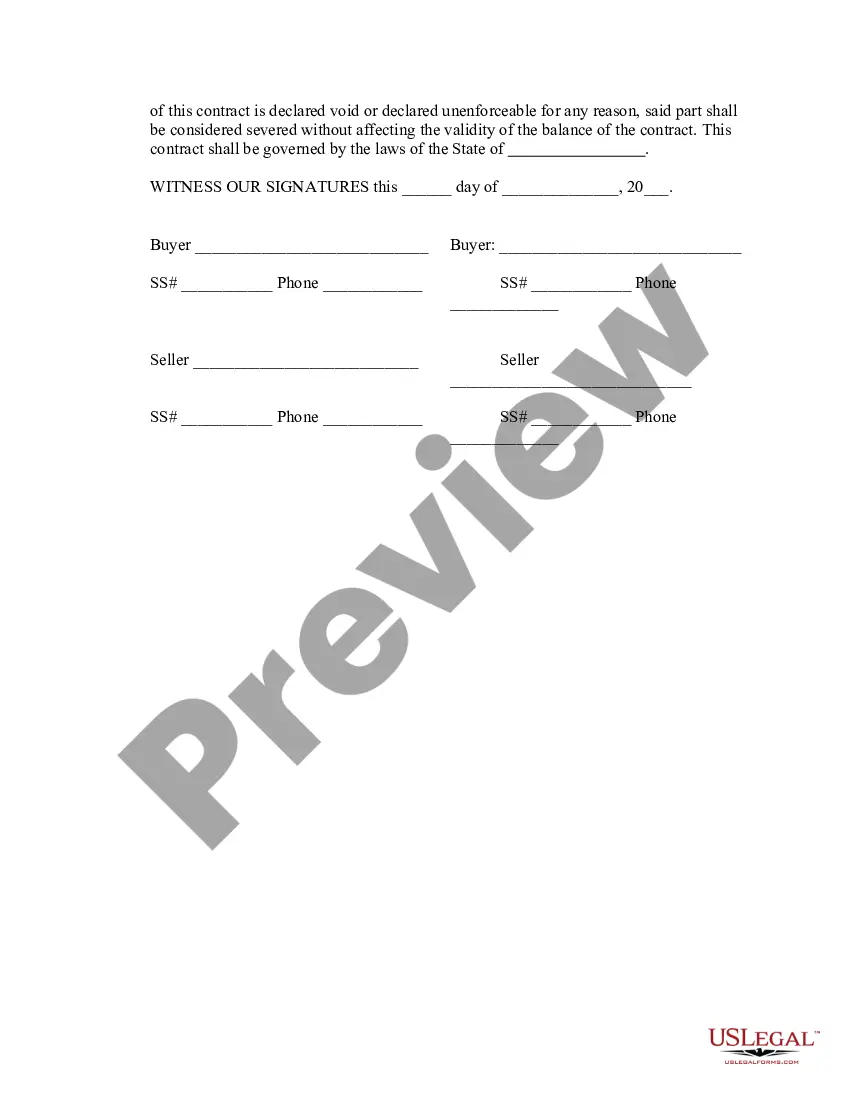
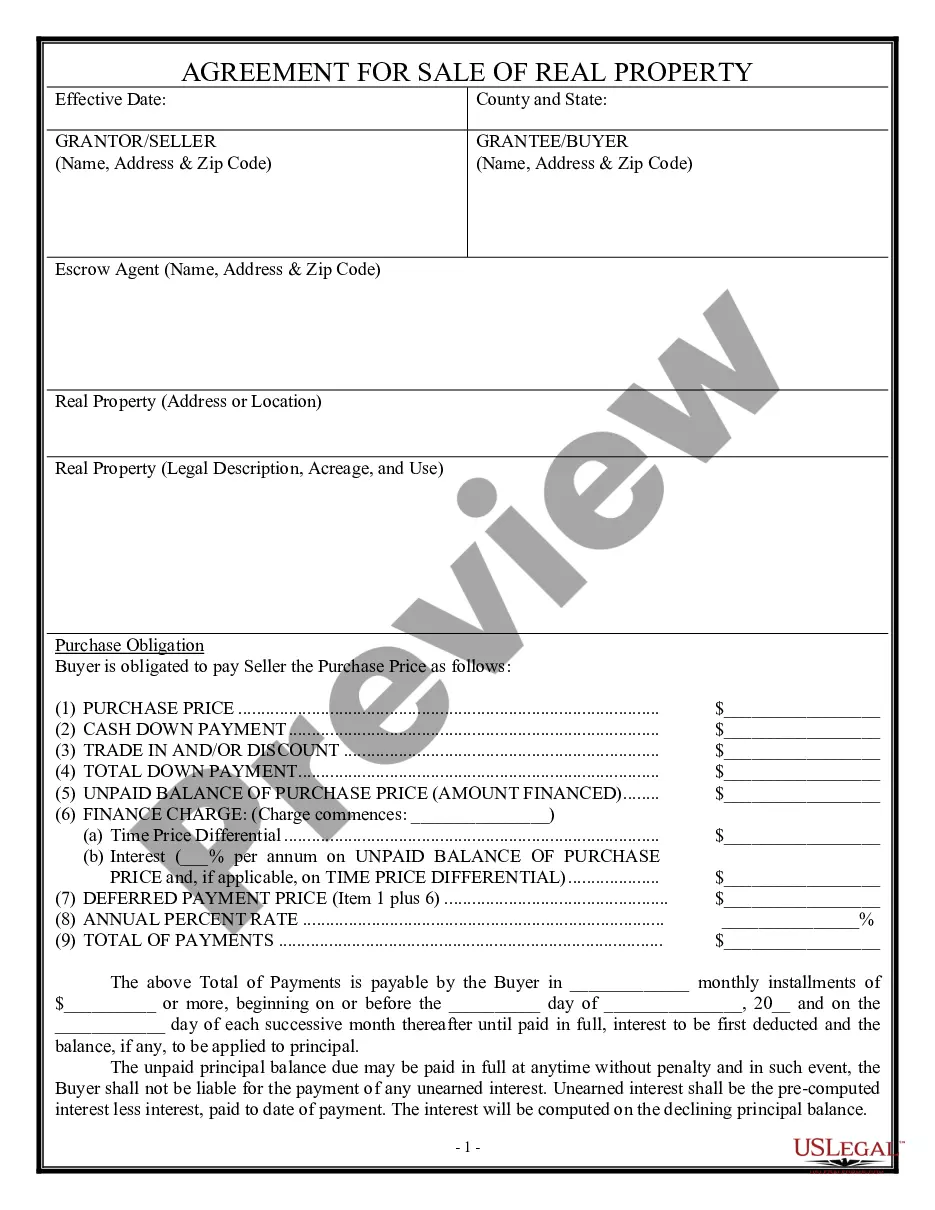
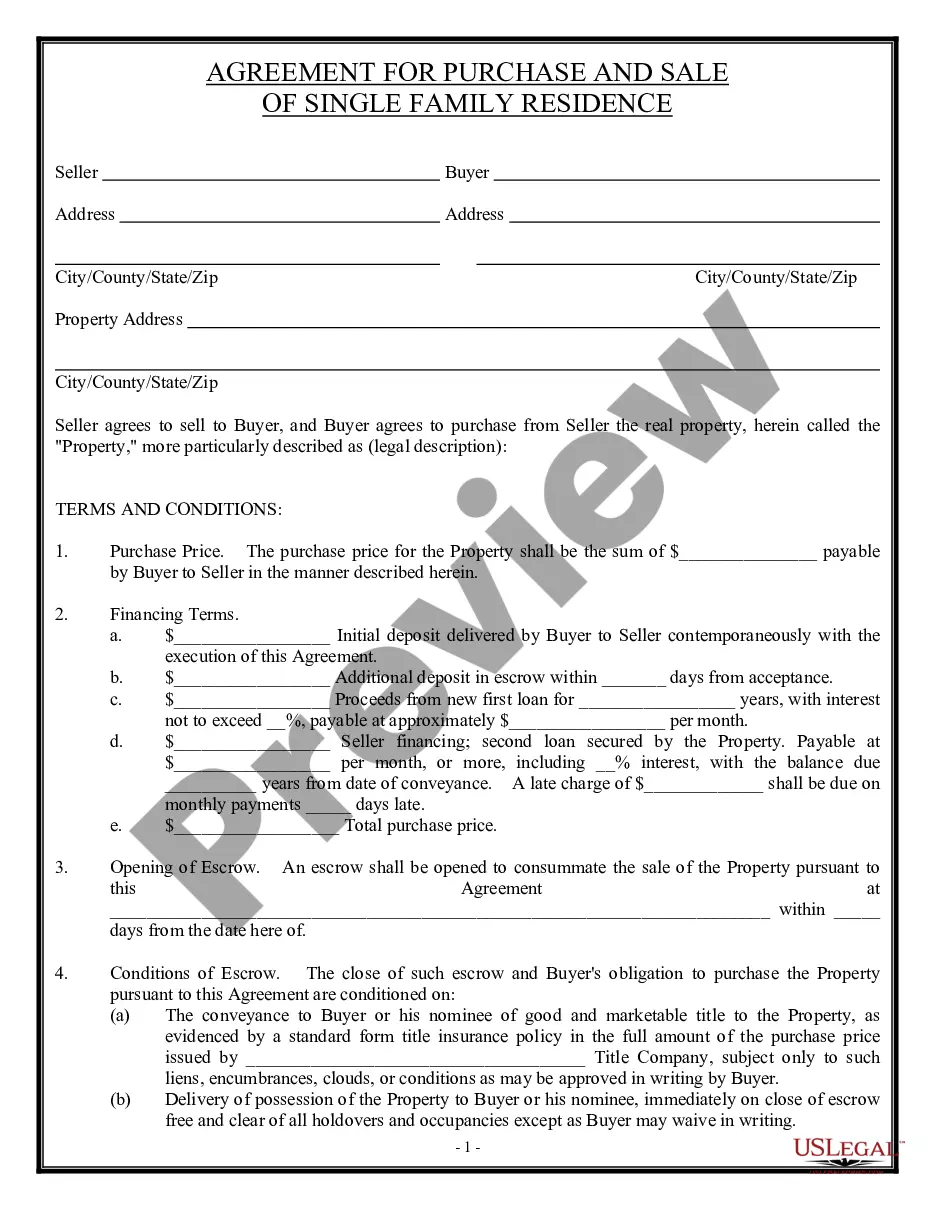
Get your form ready online
Our built-in tools help you complete, sign, share, and store your documents in one place.
Make edits, fill in missing information, and update formatting in US Legal Forms—just like you would in MS Word.
Download a copy, print it, send it by email, or mail it via USPS—whatever works best for your next step.
Sign and collect signatures with our SignNow integration. Send to multiple recipients, set reminders, and more. Go Premium to unlock E-Sign.
If this form requires notarization, complete it online through a secure video call—no need to meet a notary in person or wait for an appointment.
We protect your documents and personal data by following strict security and privacy standards.

Make edits, fill in missing information, and update formatting in US Legal Forms—just like you would in MS Word.

Download a copy, print it, send it by email, or mail it via USPS—whatever works best for your next step.

Sign and collect signatures with our SignNow integration. Send to multiple recipients, set reminders, and more. Go Premium to unlock E-Sign.

If this form requires notarization, complete it online through a secure video call—no need to meet a notary in person or wait for an appointment.

We protect your documents and personal data by following strict security and privacy standards.
Looking for another form?
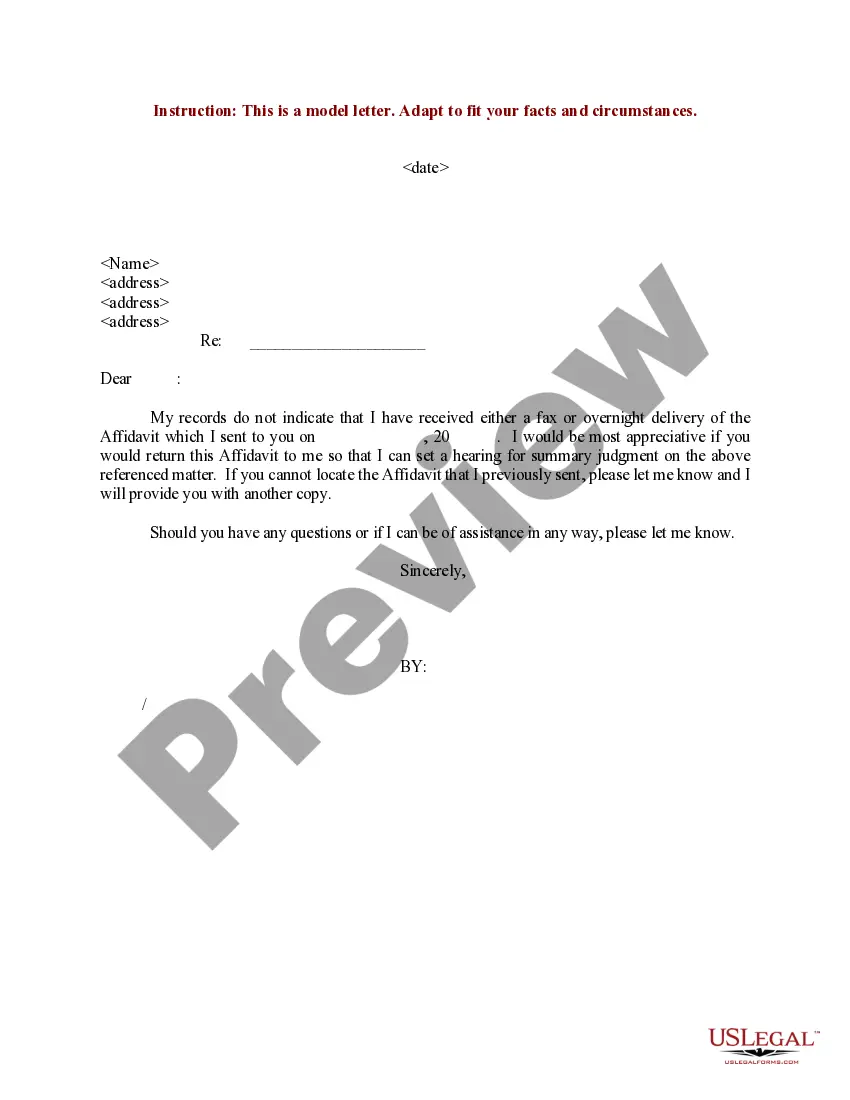





Form popularity
FAQ
You can request the bill in person, via our automated system at 951-955-3900, or a written request by mail with payment.
Property ownership information can be requested from the County Registrar-Recorder/County Clerk. For more information, please visit their website to Request a Real Estate Record.
A: Anywhere between 14 to 90 days after closing. A properly recorded deed can take anywhere from 14 days to 90 days. That may seem like a long time, but your local government office goes over every little detail on the deed to make sure the property is correct and there are no errors.
Visiting the County Recorder's Office: Places like the Los Angeles County Recorder's Office or the San Bernardino County Recorder's Office maintain an extensive archive of property records. Here, you can look up your deed and request a copy.
It's why grant deeds are the go-to choice for most property sales in California, with lenders and title insurance companies often insisting on them. If the seller breaks these promises, the buyer can take legal action, making grant deeds a reliable way to transfer property ownership.
If you need a copy of the current deed, contact the Recorder's Office where the property is located.
Today, Californians most often transfer title to real property by a simple written instrument, the grant deed. The word “grant” is expressly designated by statute as a word of conveyance. (Civil Code Section 1092) A second form of deed is the quitclaim deed.
A deed, as you know, is the legal document used by property owners to transfer their ownership of the property to a new owner. In California, the vast majority of property is transferred through one of two types of deeds: the grant deed – by far the most commonly used – and the quitclaim deed.
It might seem like a long time. But remember good things come to those who wait. The first step isMoreIt might seem like a long time. But remember good things come to those who wait. The first step is to prepare the deed. This involves drafting the document. Getting it notarized.
Property Deed Types at a Glance Deed TypeLevel of Protection General Warranty Deed Highest Special Warranty Deed Moderate Quitclaim Deed Lowest Special Purpose Deeds Varies
