Mississippi Deed of Trust and Security agreement
What this document covers
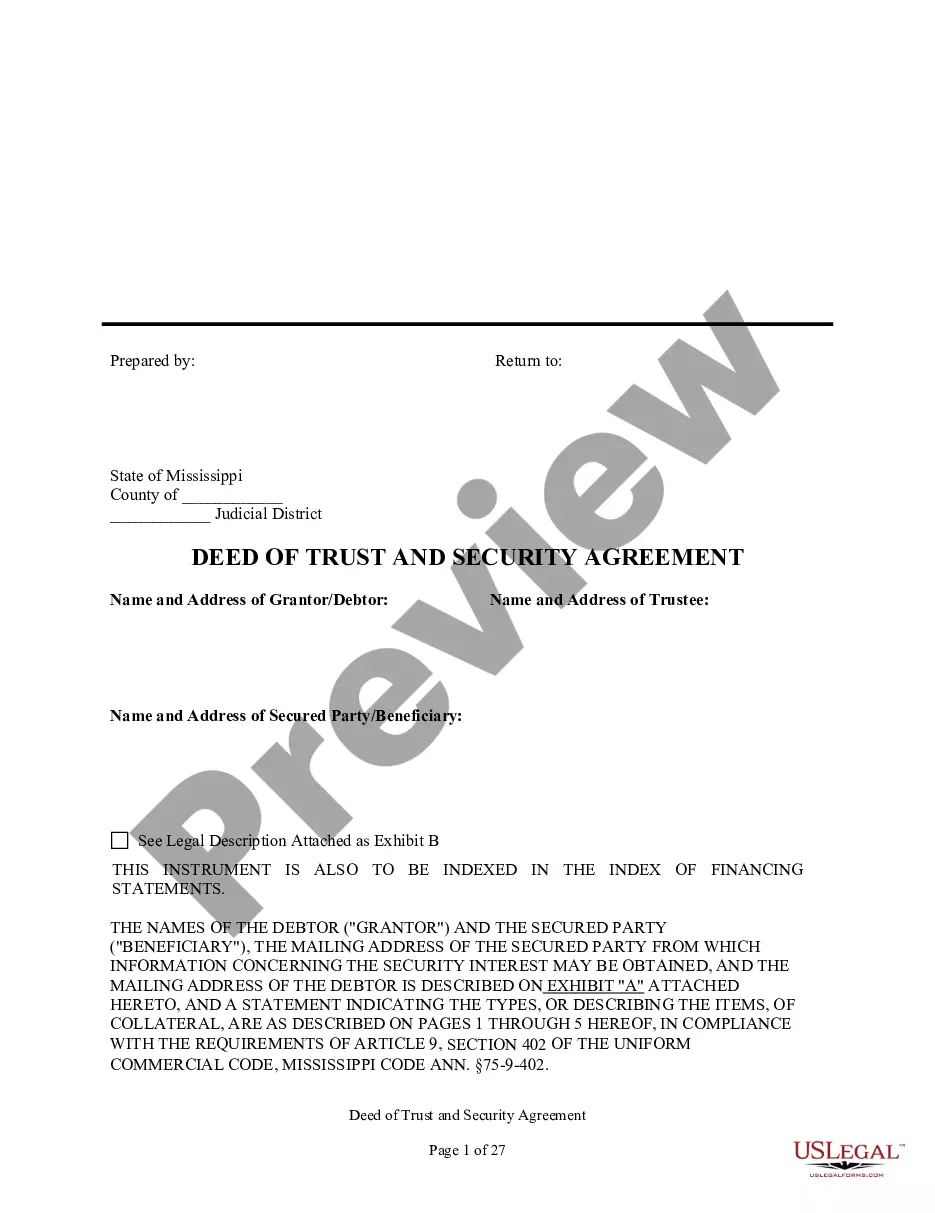
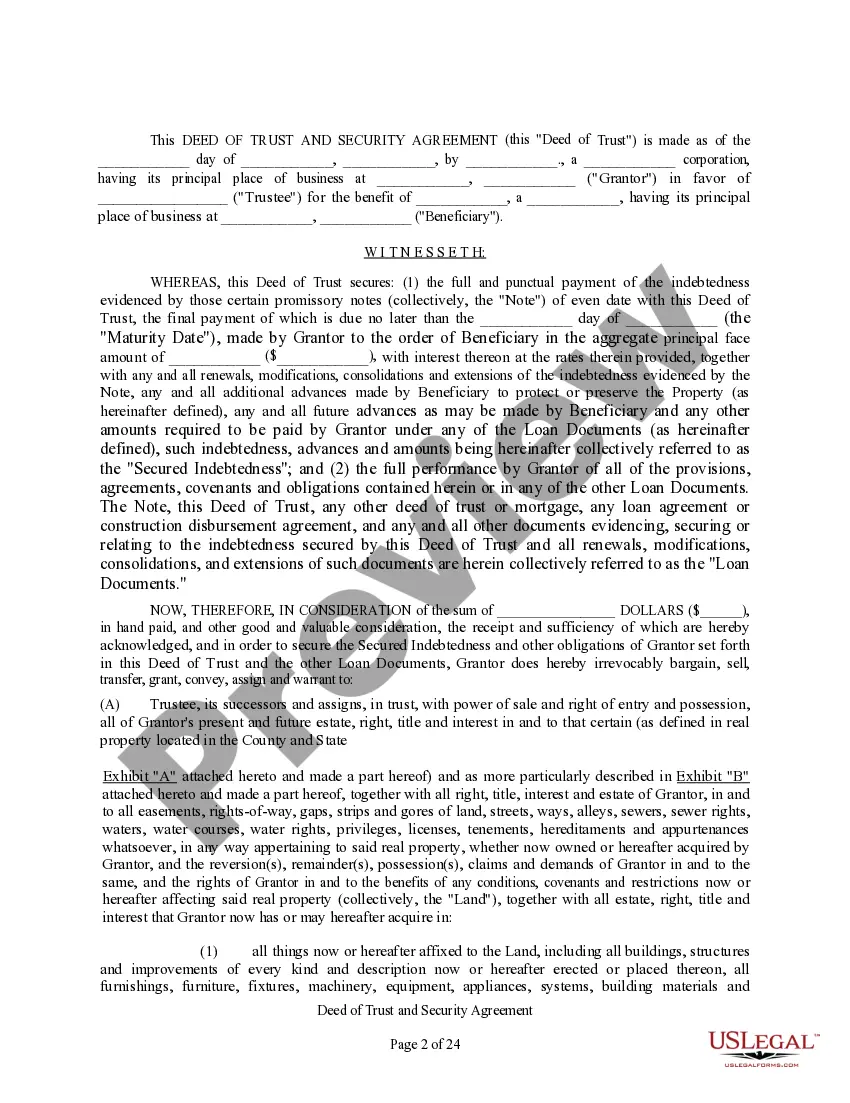
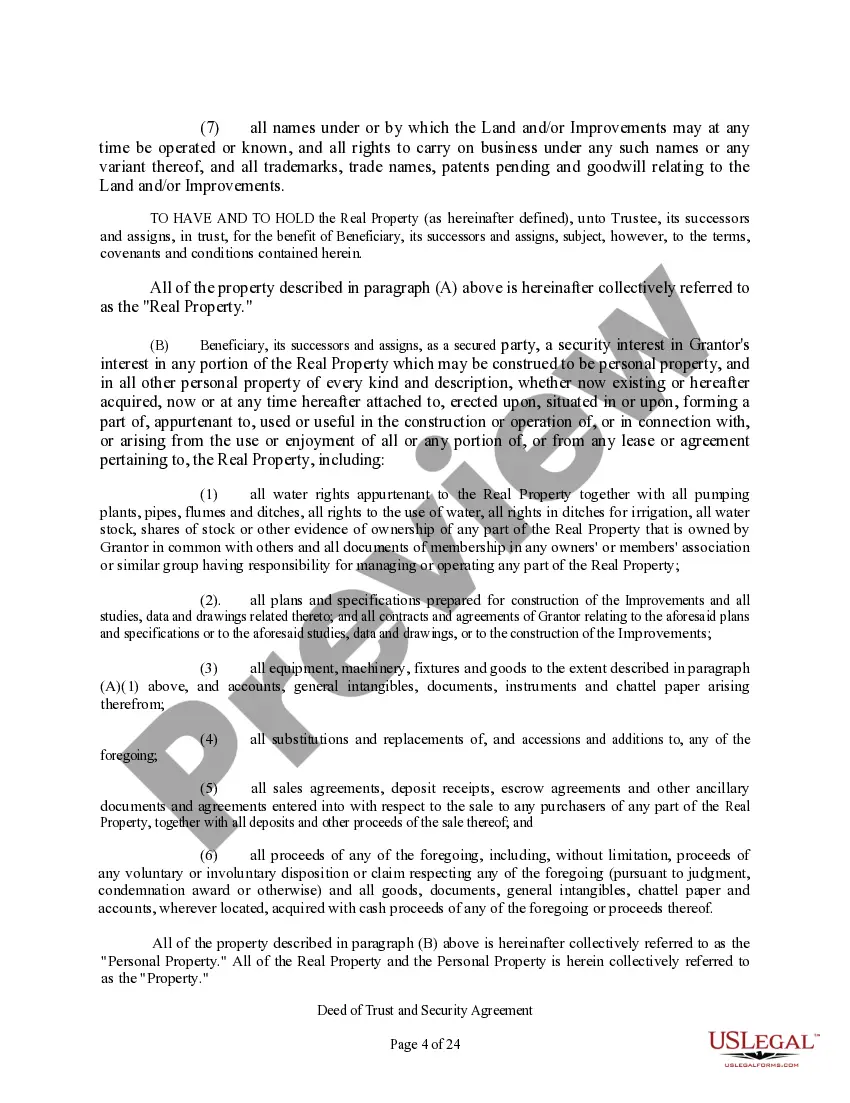
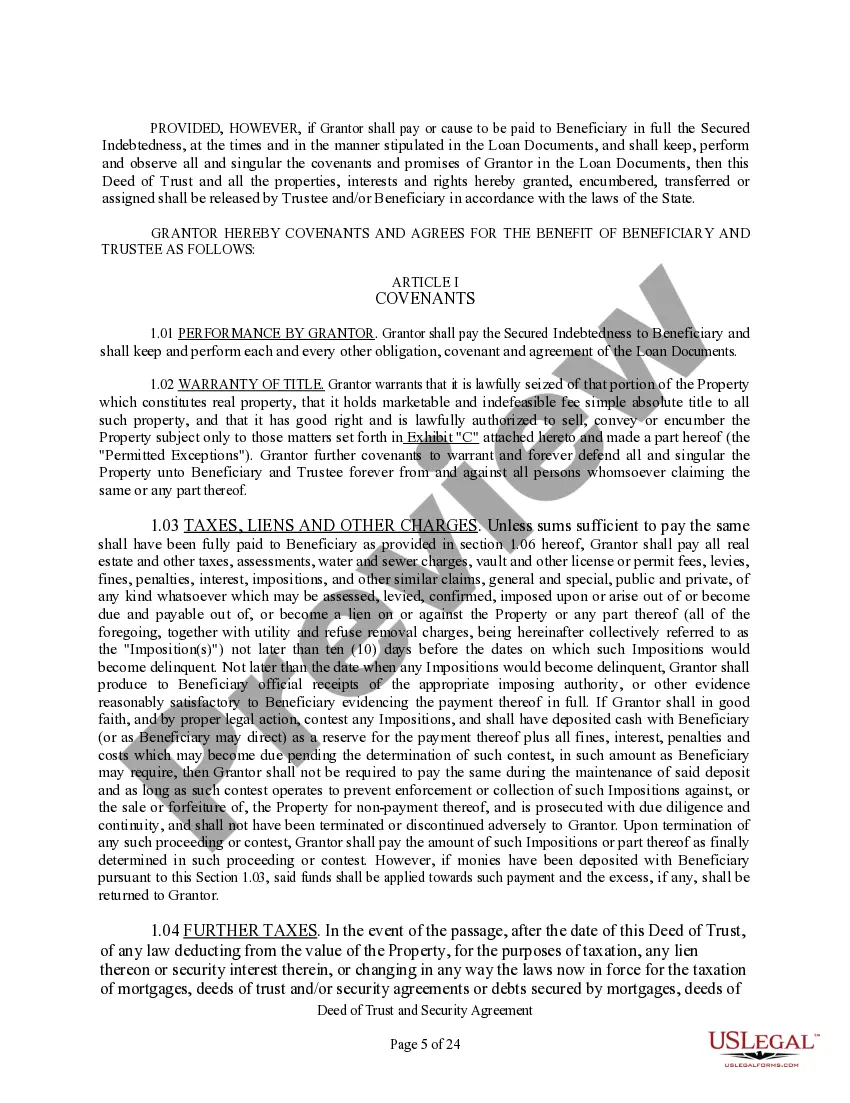
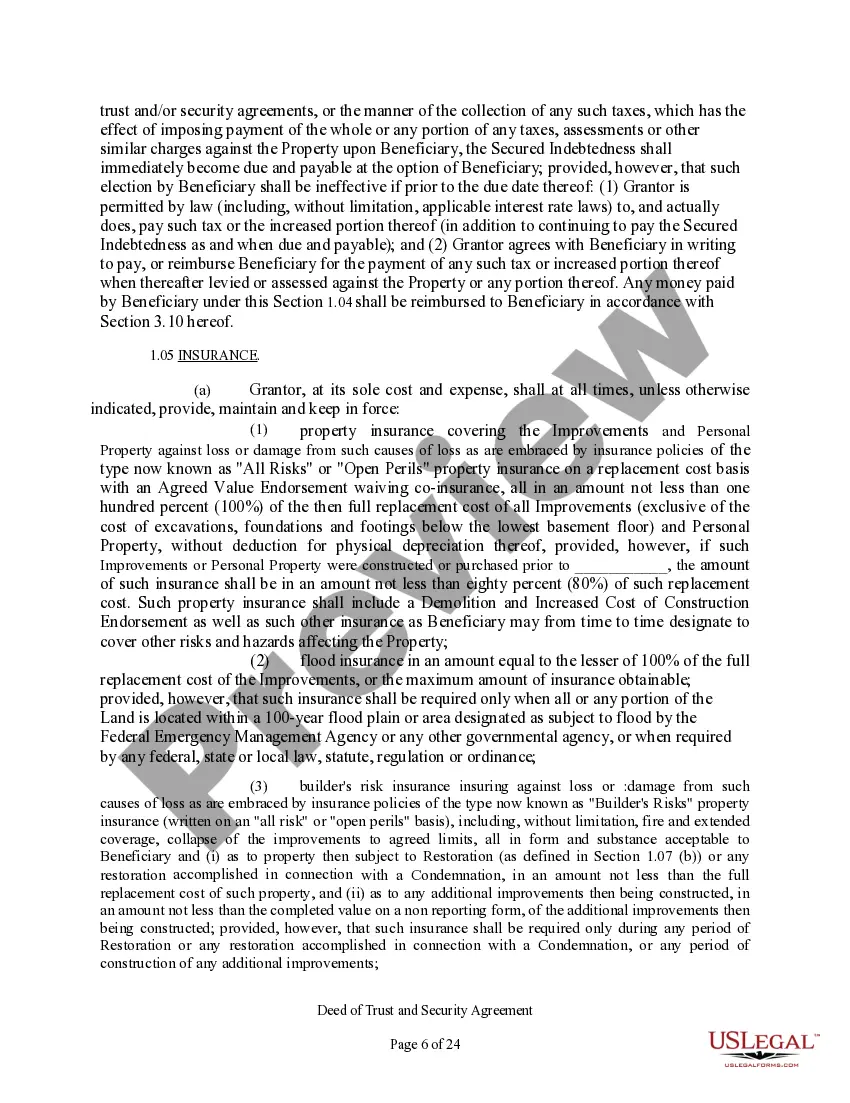
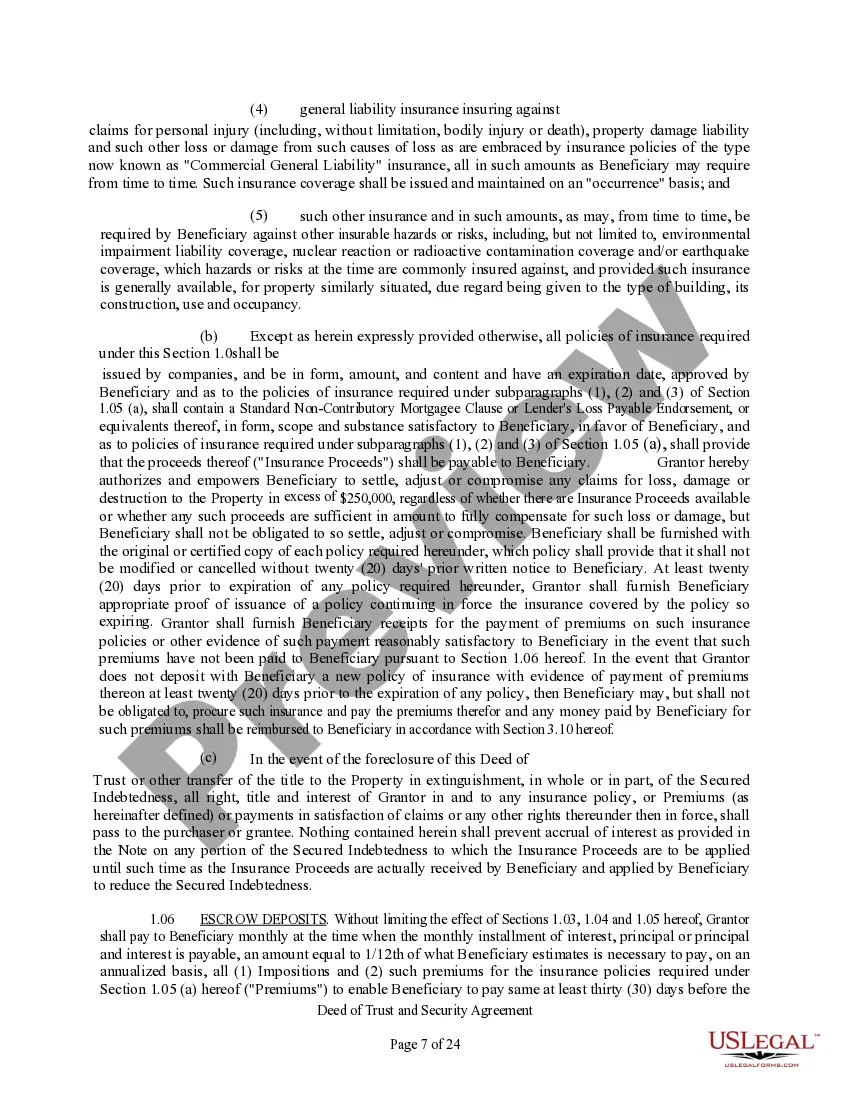
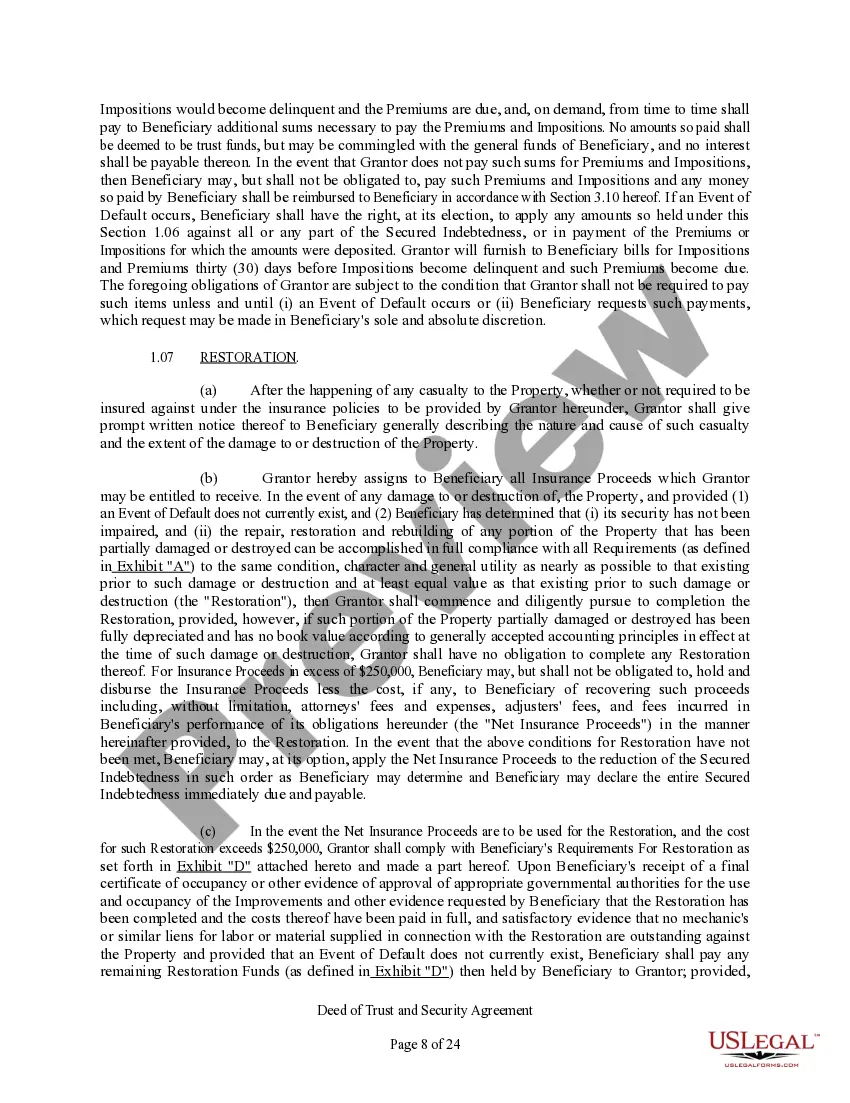
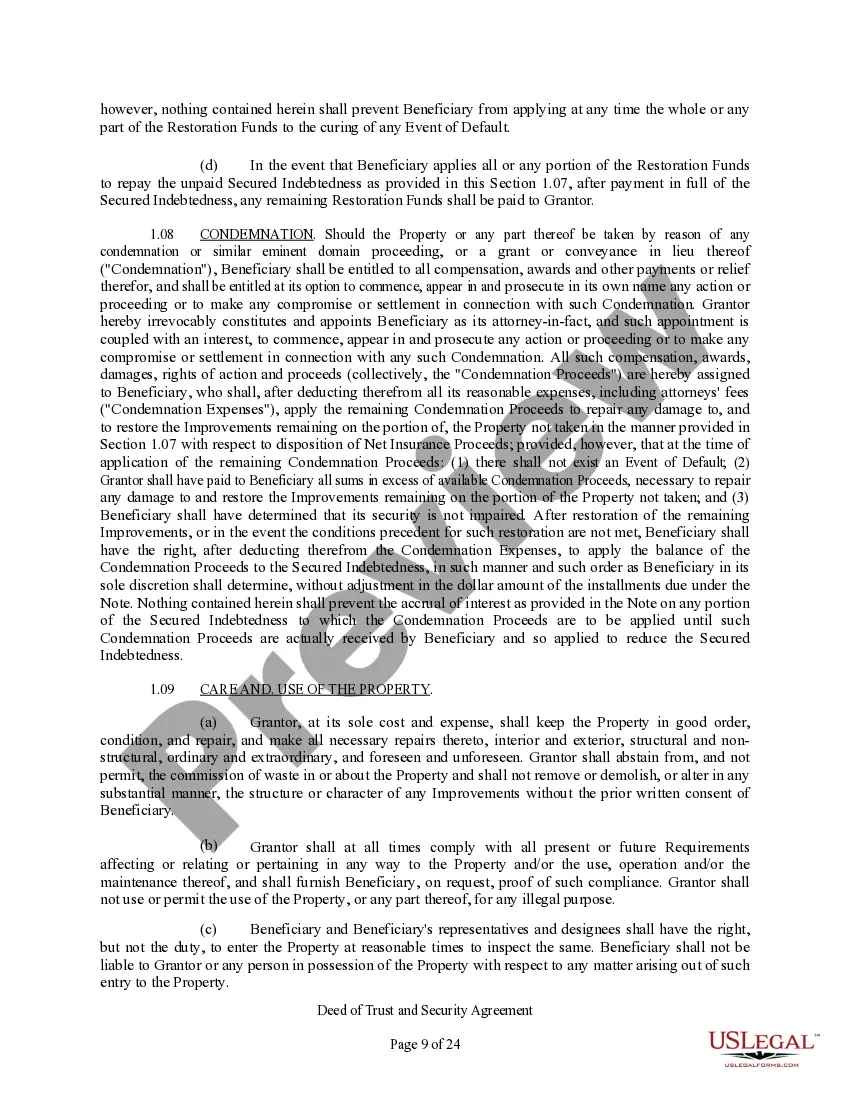
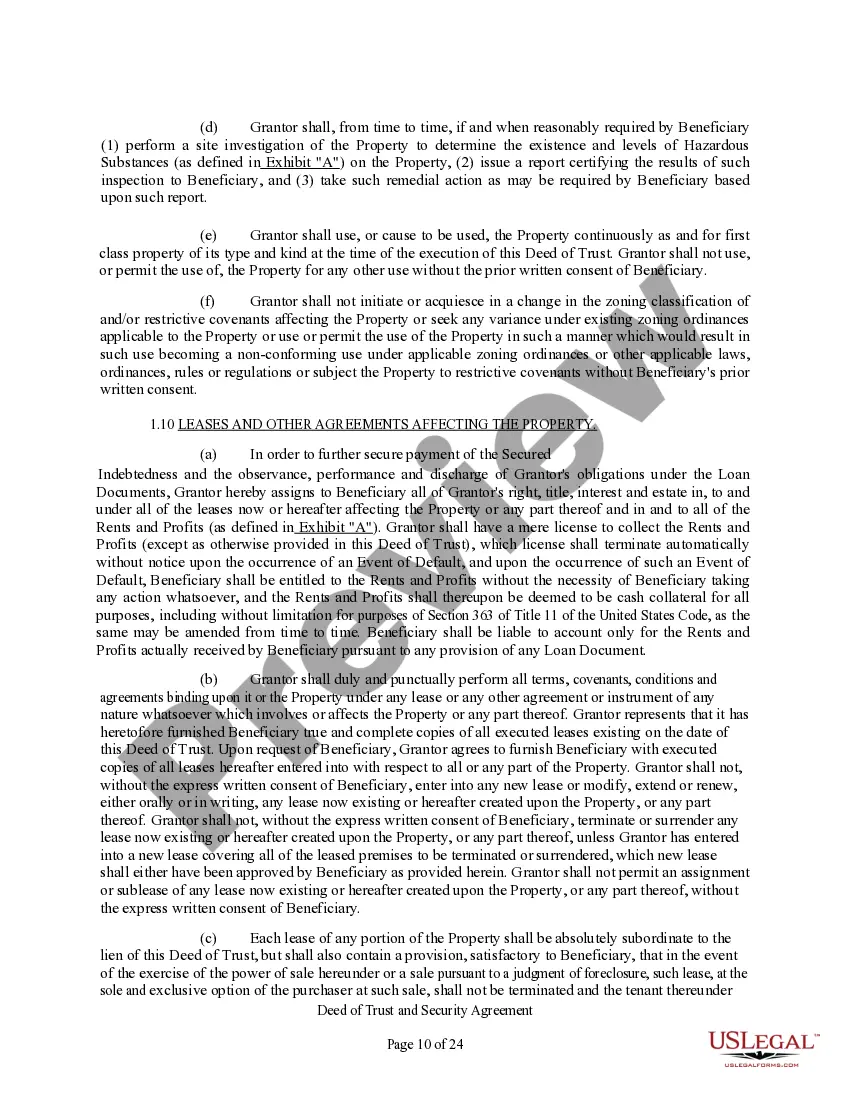
The Deed of Trust and Security Agreement is a legal document that involves a deed conveying title of real property to a trustee as security for a loan. This agreement combines aspects of a mortgage and a security agreement between a debtor and creditor, where collateral, often property, is used to secure repayment of a debt. In case of default by the debtor, the property can be claimed by the secured party. This form specifically adheres to Mississippi law and is essential for ensuring that both parties understand the terms and conditions relating to the secured debt and property.
Form components explained
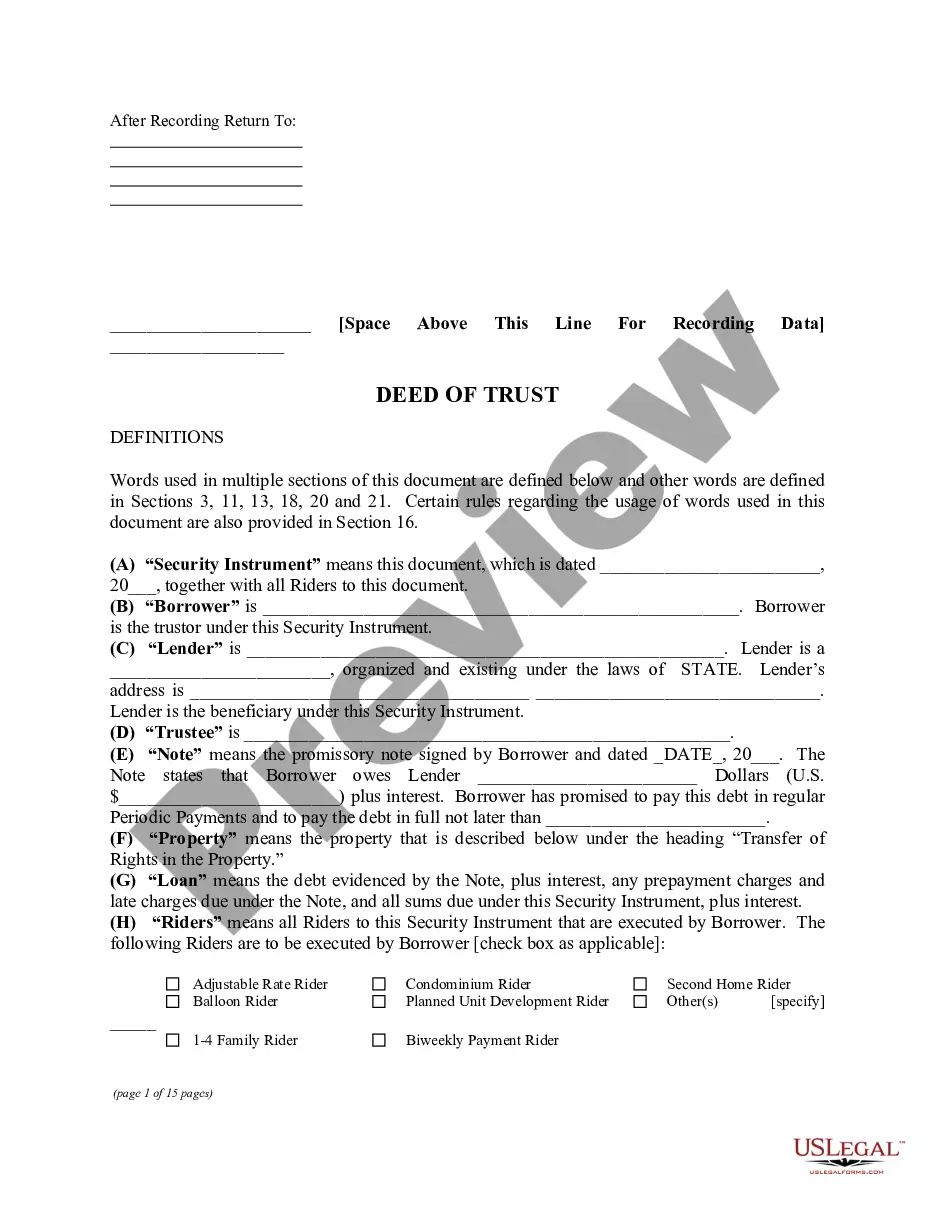
- Names and addresses of the debtor (grantor) and the secured party (beneficiary).
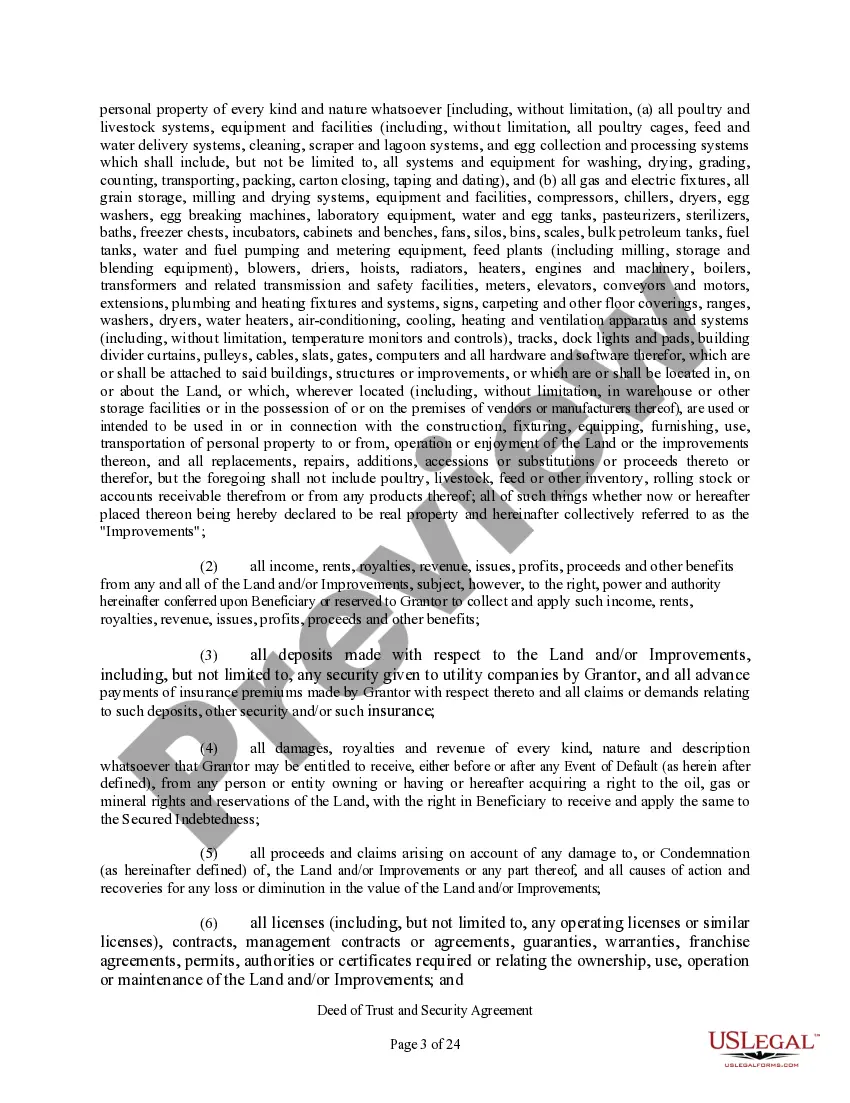
- Description of the property being secured and the pledged collateral.
- Details regarding the nature of the secured indebtedness, including amount, interest rates, and repayment schedule.
- Covenants and warranties from the grantor relating to the title and ownership of the property.
- Default provisions that outline the actions that can be taken if the debtor fails to meet obligations.


When to use this document
This form should be used when a lender (secured party) needs to protect their interests in a loan by securing it with real property. It is applicable in scenarios such as purchasing property with borrowed funds, securing equity loans, or refinancing existing loans. If you are entering into an agreement that involves significant financial obligations and real estate as collateral, this form is essential.
Who needs this form
This form is intended for:
- Borrowers seeking a loan secured by real estate.
- Lenders wanting to ensure collateral for the loans they issue.
- Attorneys and legal professionals assisting clients in real estate transactions.
- Real estate investors needing to secure financing against properties.
How to prepare this document
To complete the Deed of Trust and Security Agreement, follow these steps:
- Identify and fill in the names and contact details of the debtor and the secured party.
- Clearly describe the property being secured, including boundaries and any significant features.
- Specify the secured indebtedness, including the total loan amount, interest rates, and repayment terms.
- Include any covenants, warranties, and obligations that the grantor must adhere to.
- Ensure all parties sign and date the document, and check applicable state laws for notarization requirements.
Is notarization required?
This document requires notarization to meet legal standards. US Legal Forms provides secure online notarization powered by Notarize, allowing you to complete the process through a verified video call, available 24/7.
Get your form ready online
Our built-in tools help you complete, sign, share, and store your documents in one place.
Make edits, fill in missing information, and update formatting in US Legal Forms—just like you would in MS Word.
Download a copy, print it, send it by email, or mail it via USPS—whatever works best for your next step.
Sign and collect signatures with our SignNow integration. Send to multiple recipients, set reminders, and more. Go Premium to unlock E-Sign.
If this form requires notarization, complete it online through a secure video call—no need to meet a notary in person or wait for an appointment.
We protect your documents and personal data by following strict security and privacy standards.

Make edits, fill in missing information, and update formatting in US Legal Forms—just like you would in MS Word.

Download a copy, print it, send it by email, or mail it via USPS—whatever works best for your next step.

Sign and collect signatures with our SignNow integration. Send to multiple recipients, set reminders, and more. Go Premium to unlock E-Sign.

If this form requires notarization, complete it online through a secure video call—no need to meet a notary in person or wait for an appointment.

We protect your documents and personal data by following strict security and privacy standards.
Avoid these common issues
- Failing to accurately describe the collateral or property being secured, which can lead to disputes.
- Not specifying the repayment terms clearly, which can result in confusion about obligations.
- Neglecting to have the document properly signed or notarized, rendering it invalid.
Benefits of completing this form online
- Convenience of completing the form online at your own pace, with easy access to updates.
- Editable templates allow users to customize details specific to their situation.
- Reliability from using legally vetted forms that meet jurisdictional requirements.
- Cost-effectiveness by avoiding legal fees for drafting standard documents.
The Deed of Trust and Security Agreement is legally binding, provided it is completed correctly and in compliance with Mississippi law. It provides clear terms about the obligations of both parties and outlines the consequences of default. Buyers and lenders should be aware of their rights and obligations as specified within the document.
What to keep in mind
- This form is essential for securing a loan with real property as collateral.
- Understanding the terms outlined in the agreement is crucial for both debtors and lenders.
- Ensure compliance with Mississippi law for the document to be enforceable.
Looking for another form?

Form popularity
FAQ
Party information: names and addresses of the trustor(s), trustee(s), beneficiary(ies), and guarantor(s) (if applicable) Property details: full address of the property and its legal description (which can be obtained from the County Recorder's Office)
Madison County, Mississippi and Chancery Clerk Ronny Lott are pleased to offer Internet access to certain Public Records stored by the various departments, including the Madison County Chancery Clerk's office.
A quit claim deed in the state of Mississippi is a legal document that transfers property from one person to the next. It's important to note that the transfer if a property via this document comes with no guarantees as to whether or not the property has a clear title.
Once signed and notarized, a Mississippi deed must be recorded. The deed must be presented to the Recorder of Deeds in the county where the property is located. The transfer takes effect when signed and accepted by the grantee. However, recording provides notice to the public that the property was transferred.
The Mississippi general warranty deed is used to transfer real property in Mississippi with a guarantee from the seller or grantor that the property is free from hidden claims against the title and that the grantor has the legal authority to sell the property.