Closing Property Title With Mortgage In Queens
Description

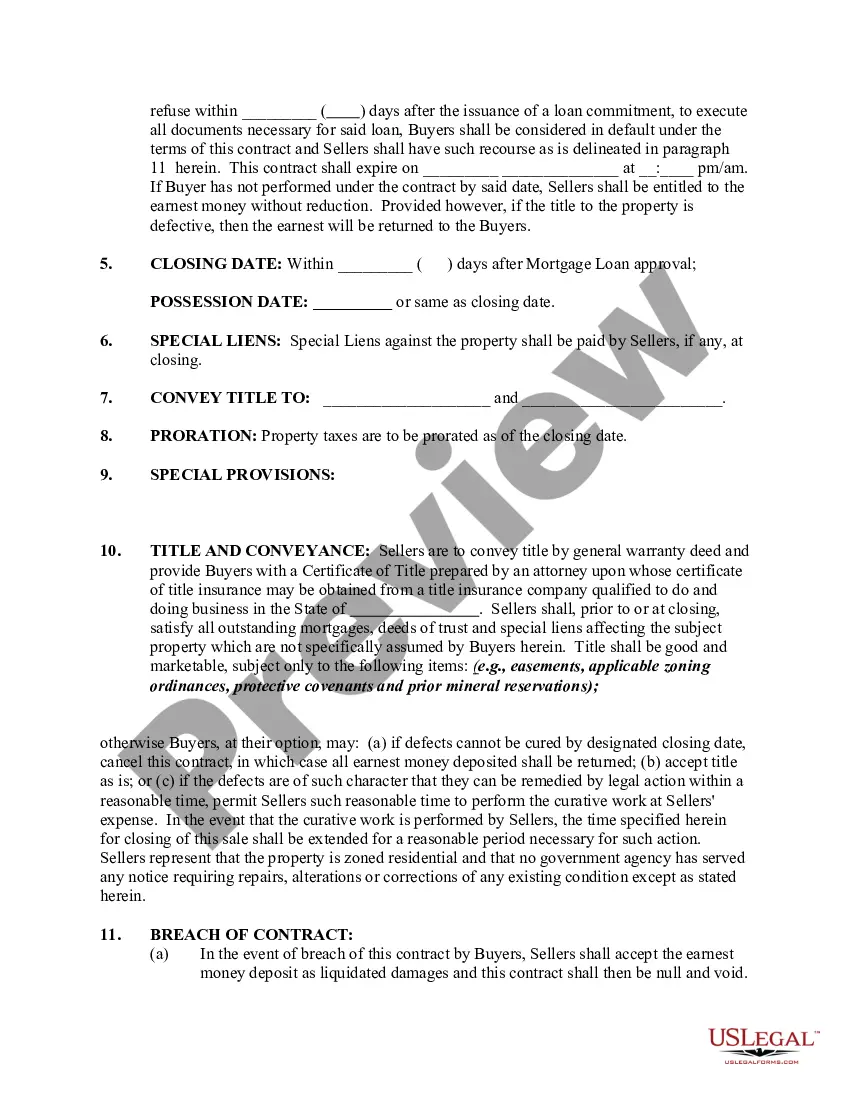
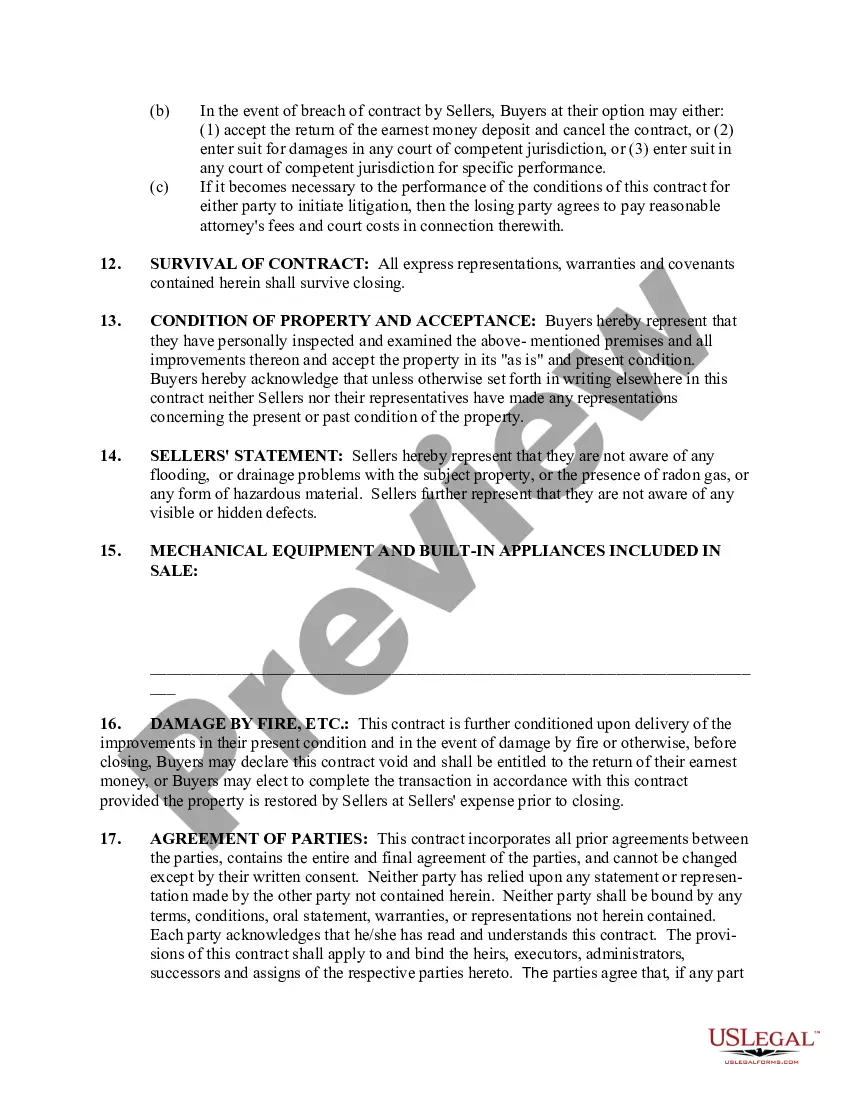
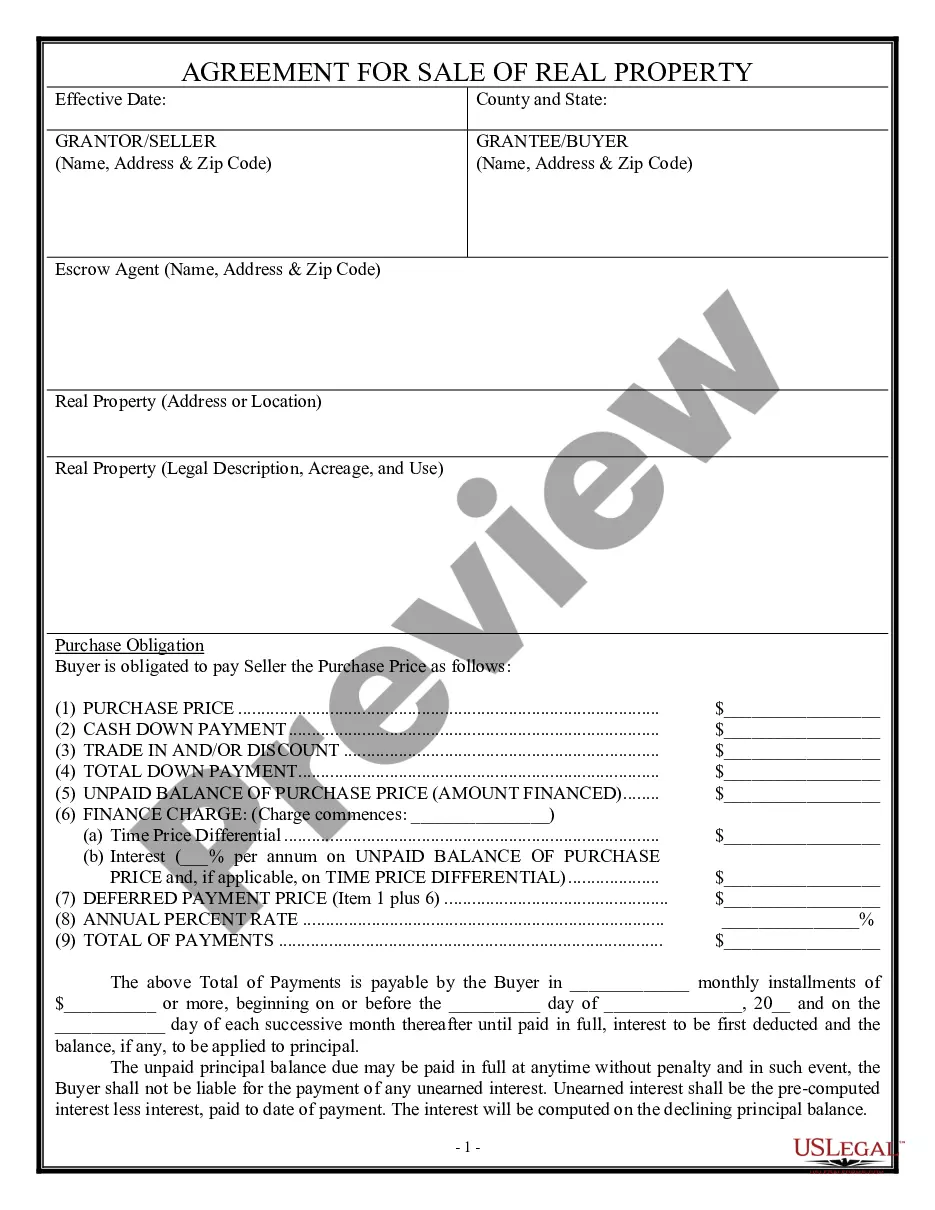
Get your form ready online
Our built-in tools help you complete, sign, share, and store your documents in one place.
Make edits, fill in missing information, and update formatting in US Legal Forms—just like you would in MS Word.
Download a copy, print it, send it by email, or mail it via USPS—whatever works best for your next step.
Sign and collect signatures with our SignNow integration. Send to multiple recipients, set reminders, and more. Go Premium to unlock E-Sign.
If this form requires notarization, complete it online through a secure video call—no need to meet a notary in person or wait for an appointment.
We protect your documents and personal data by following strict security and privacy standards.

Make edits, fill in missing information, and update formatting in US Legal Forms—just like you would in MS Word.

Download a copy, print it, send it by email, or mail it via USPS—whatever works best for your next step.

Sign and collect signatures with our SignNow integration. Send to multiple recipients, set reminders, and more. Go Premium to unlock E-Sign.

If this form requires notarization, complete it online through a secure video call—no need to meet a notary in person or wait for an appointment.

We protect your documents and personal data by following strict security and privacy standards.
Looking for another form?







Form popularity
FAQ
Closing agents, who aid in the selling of a property to a buyer, prepare closing statements. Real estate attorneys, title firms, and escrow officers often act as closing agents.
Generally, closing takes place between 60 to 90 days after a contract of sale has been signed. It includes many steps that take place at several locations and will include all the parties involved in the sale – buyers, sellers, lenders, attorneys and possibly, even real estate agents.
In New York, hiring an attorney to handle the closing of a real estate transaction is both highly recommended and legally required. This requirement is in place to properly address the complexity of property sales and to protect the interests of all parties involved.
It's not just about having a savvy negotiator by your side or someone to double-check the paperwork. In New York, an attorney's presence is as essential as a subway map on your first day in the city. While it's not required that you have an attorney by your side at the closing table, it's a very good idea.
If you are buying or selling a home in the state of New York, it is required that you work with an attorney to process all contracts and represent you at the closing. In addition, your attorney will assist you by: Preparing the first draft of the sales contract. Finalizing the contract between the buyer and seller.
30-60 Days Before Closing On Your Home Consider your moving date. Review your contract. Understand you are legally obligated to perform. Schedule Fire Certificate. Get packing supplies. Assess what items are not moving with you. Start packing. Provide the closing attorney with any paperwork.
Because of the significance of this stage in the process and the legal issues that may arise, many states in the country, including New York, require that a real estate attorney must be present at closing.
Filing the Deed with the County Clerk In New York, property transfers must be recorded with the county where the property is located. This step is important because it provides public notice of the property transfer and ensures that the grantee's ownership is legally recognized.
Closing, also known as settlement, finalizes the sales contract by resolving all obligations between the buyer, seller and any other involved parties. In simple terms, it's the final step in legally transferring homeownership. Closing on a house is one of the most fulfilling moments in the home buying process.
Mortgage Pre-Approval Is a Good Idea. Open an Escrow Account. Title Search and Insurance. Hire an Attorney. Negotiate Closing Costs. Complete the Home Inspection. Get a Pest Inspection. Renegotiate the Offer.
