Closing Property Title Format In Philadelphia
Description

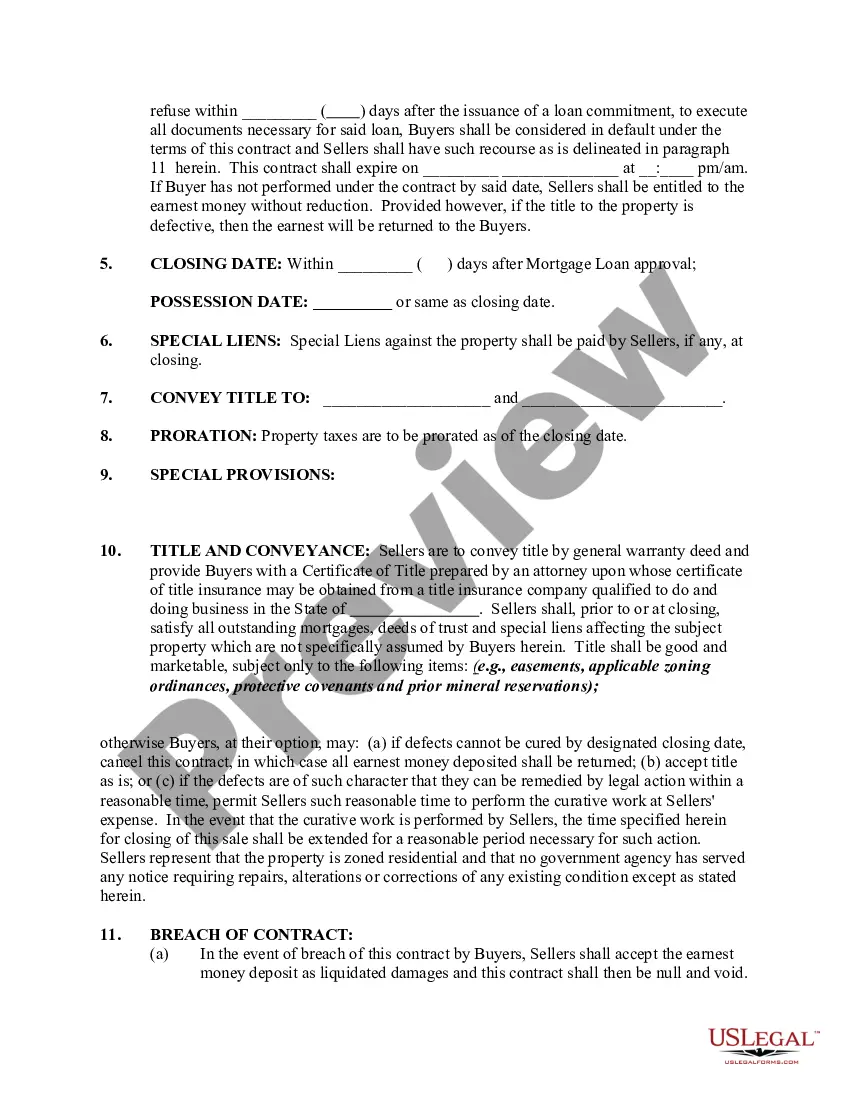
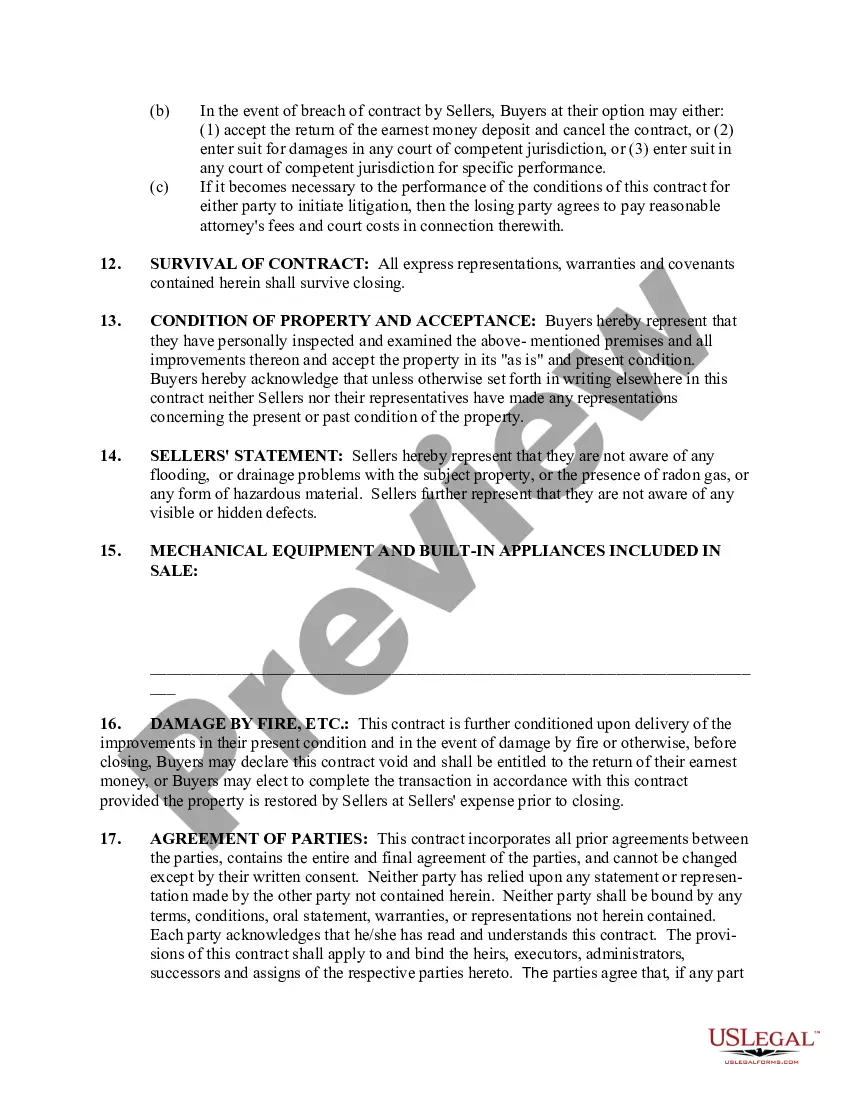
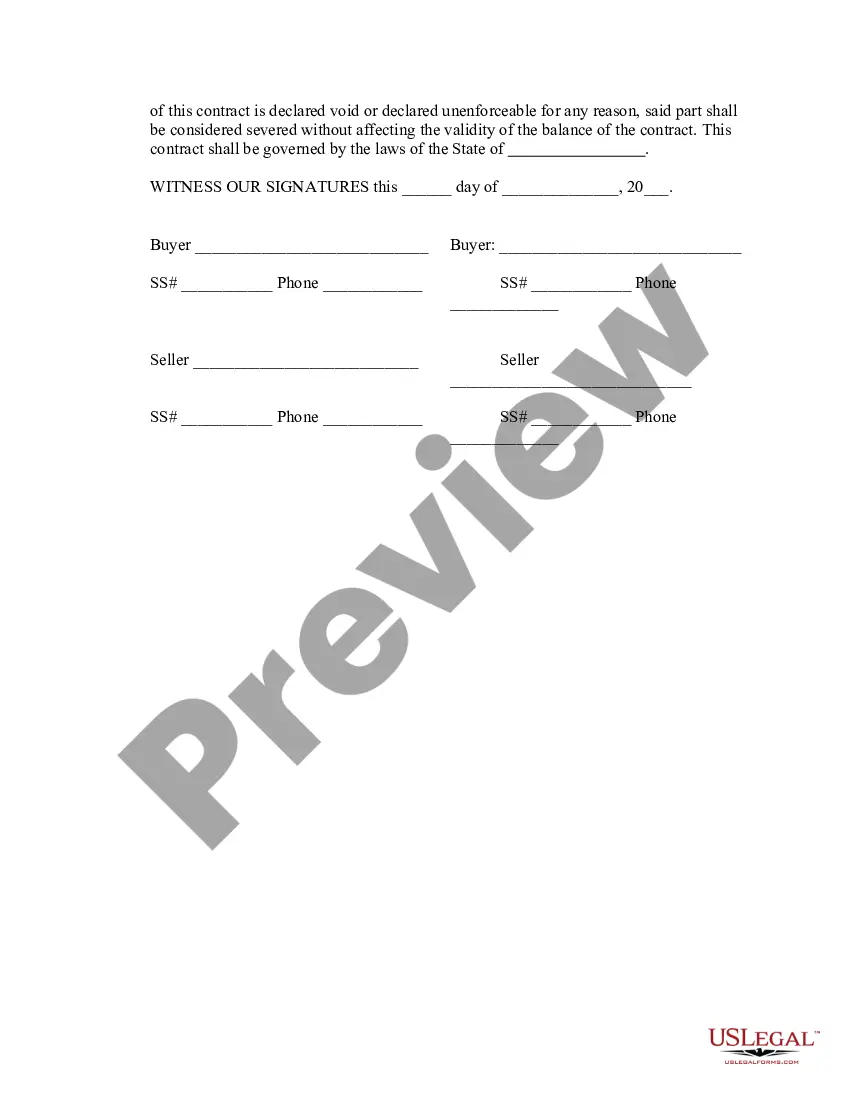
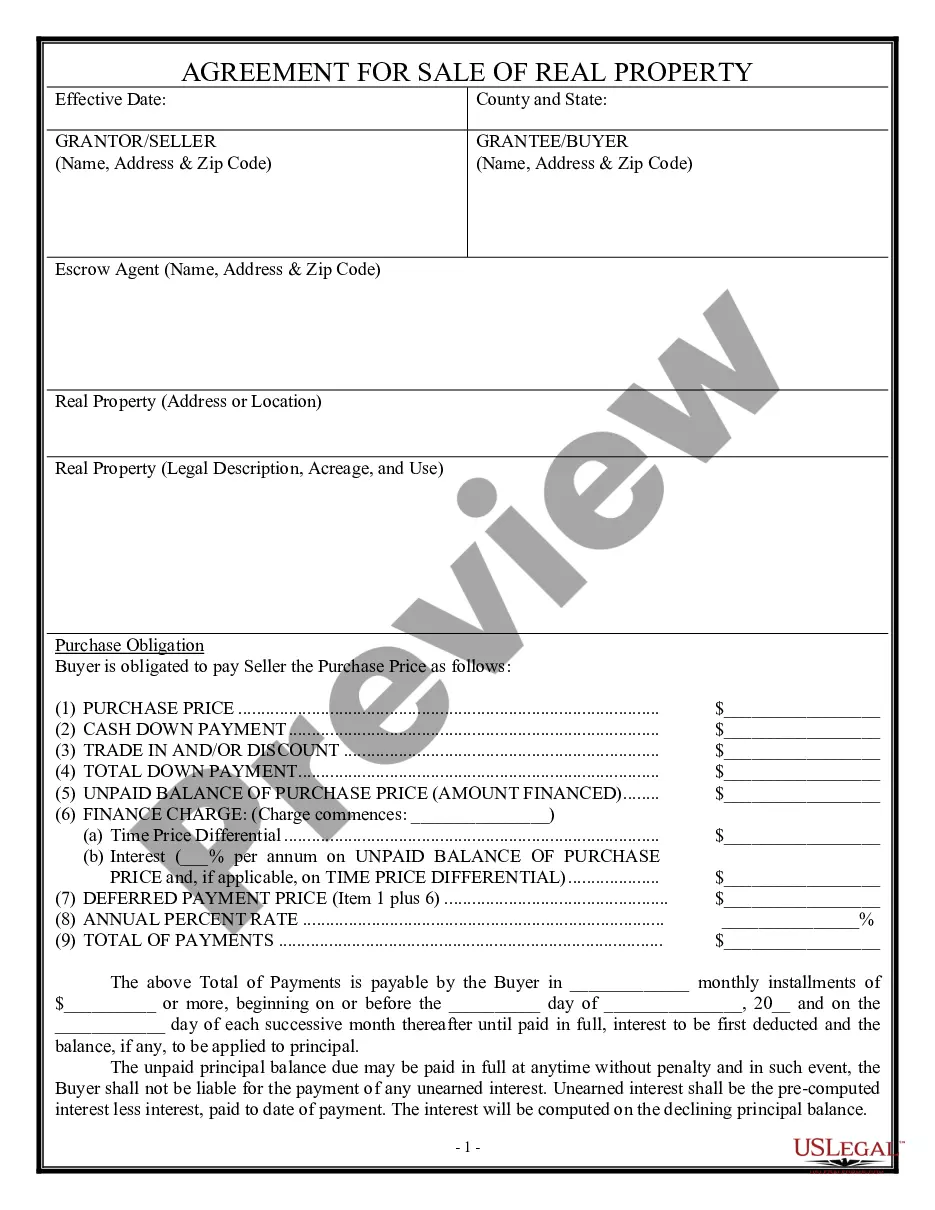
Get your form ready online
Our built-in tools help you complete, sign, share, and store your documents in one place.
Make edits, fill in missing information, and update formatting in US Legal Forms—just like you would in MS Word.
Download a copy, print it, send it by email, or mail it via USPS—whatever works best for your next step.
Sign and collect signatures with our SignNow integration. Send to multiple recipients, set reminders, and more. Go Premium to unlock E-Sign.
If this form requires notarization, complete it online through a secure video call—no need to meet a notary in person or wait for an appointment.
We protect your documents and personal data by following strict security and privacy standards.

Make edits, fill in missing information, and update formatting in US Legal Forms—just like you would in MS Word.

Download a copy, print it, send it by email, or mail it via USPS—whatever works best for your next step.

Sign and collect signatures with our SignNow integration. Send to multiple recipients, set reminders, and more. Go Premium to unlock E-Sign.

If this form requires notarization, complete it online through a secure video call—no need to meet a notary in person or wait for an appointment.

We protect your documents and personal data by following strict security and privacy standards.
Looking for another form?









Form popularity
FAQ
It takes about two to three weeks. The papers are sent back to the person who records them in most cases a Title Company or Attorney. We require a self-addressed stamped envelope if they are to be returned by mail. 7.
No. A deed is binding even if it is not recorded. However, for numerous reasons, it is in your best interest to record it. One good reason: the former owner can go on getting mortgages, judgments and suits on your property, since records in the Office would show that he/she still owns it.
Buying or selling a home in Philly doesn't end with paying closing costs, attorney fees, or real estate agent commissions. There's also a 3.27% Philadelphia Realty Transfer Tax to take care of, in addition to a 1% tax from the Commonwealth.
To add, remove, or change a name on a deed, have a lawyer, title company, or other real estate professional prepare the deed. Then, record the new deed with the Department of Records. Note: We recommend that you do not prepare a deed on your own. We also recommend that you get title insurance.
To add, remove, or change a name on a deed, have a lawyer, title company, or other real estate professional prepare the deed. Then, record the new deed with the Department of Records. Note: We recommend that you do not prepare a deed on your own. We also recommend that you get title insurance.
Transferring property in Pennsylvania involves the following process: Determine the deed option you are using. Download and fill out the appropriate forms. Fill out the realty transfer tax forms. Sign the deed in front of a notary public. File the transfer with the office of the Recorder of Deeds.
To complete a house title search in Pennsylvania, you can hire someone to complete the search, visit the courthouse of the county where the property is located, or visit the county assessor.
How can I obtain information on a property/copy of my deed? You may research or request a copy of a property in our public Reference Room located in City Hall, Room 154. Copies of deeds are $2.00 per page.
What is the most important document at closing and why? The deed is the most important document because it transfers the property to the purchaser.
