Closing Any Property Within The State In Palm Beach
Description

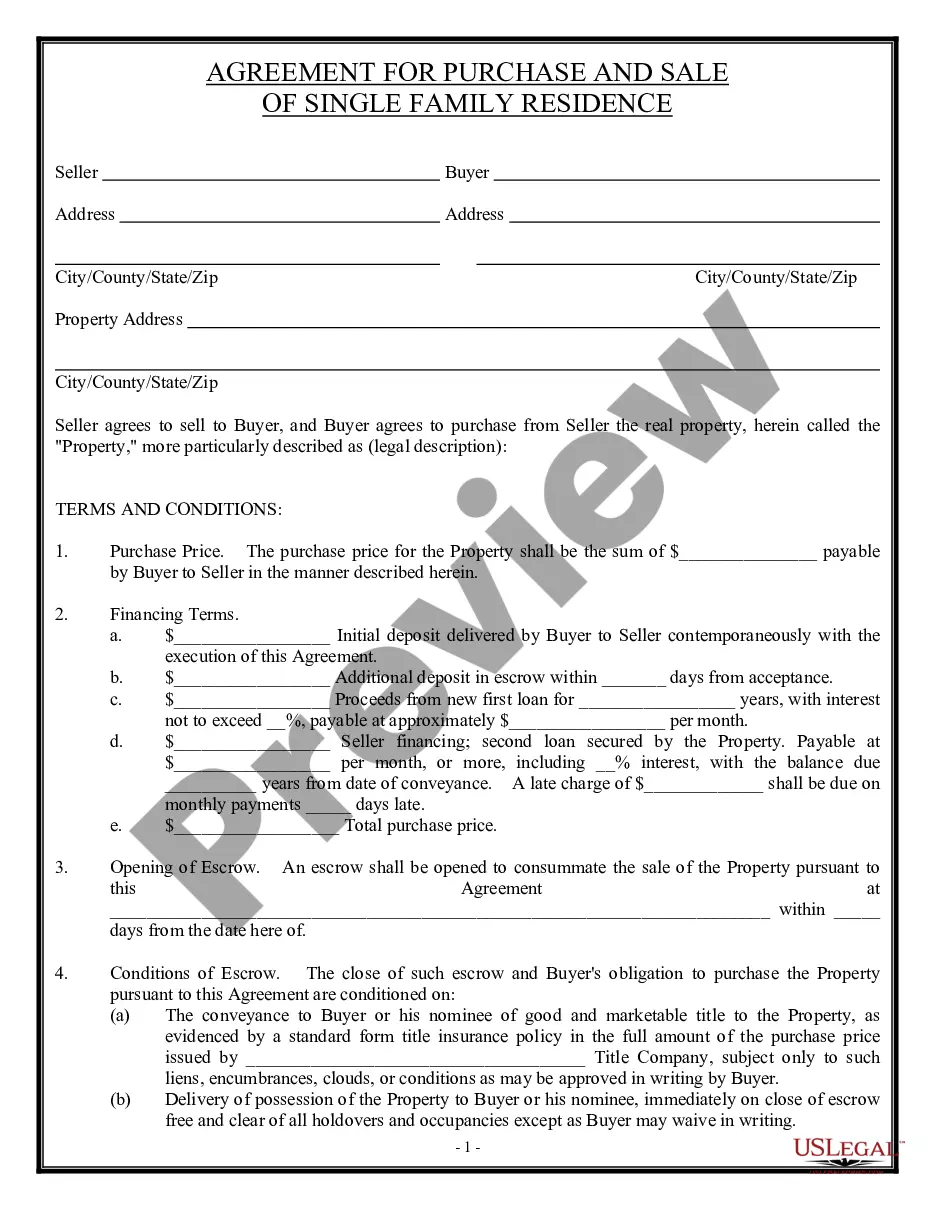
Get your form ready online
Our built-in tools help you complete, sign, share, and store your documents in one place.
Make edits, fill in missing information, and update formatting in US Legal Forms—just like you would in MS Word.
Download a copy, print it, send it by email, or mail it via USPS—whatever works best for your next step.
Sign and collect signatures with our SignNow integration. Send to multiple recipients, set reminders, and more. Go Premium to unlock E-Sign.
If this form requires notarization, complete it online through a secure video call—no need to meet a notary in person or wait for an appointment.
We protect your documents and personal data by following strict security and privacy standards.

Make edits, fill in missing information, and update formatting in US Legal Forms—just like you would in MS Word.

Download a copy, print it, send it by email, or mail it via USPS—whatever works best for your next step.

Sign and collect signatures with our SignNow integration. Send to multiple recipients, set reminders, and more. Go Premium to unlock E-Sign.

If this form requires notarization, complete it online through a secure video call—no need to meet a notary in person or wait for an appointment.

We protect your documents and personal data by following strict security and privacy standards.
Looking for another form?



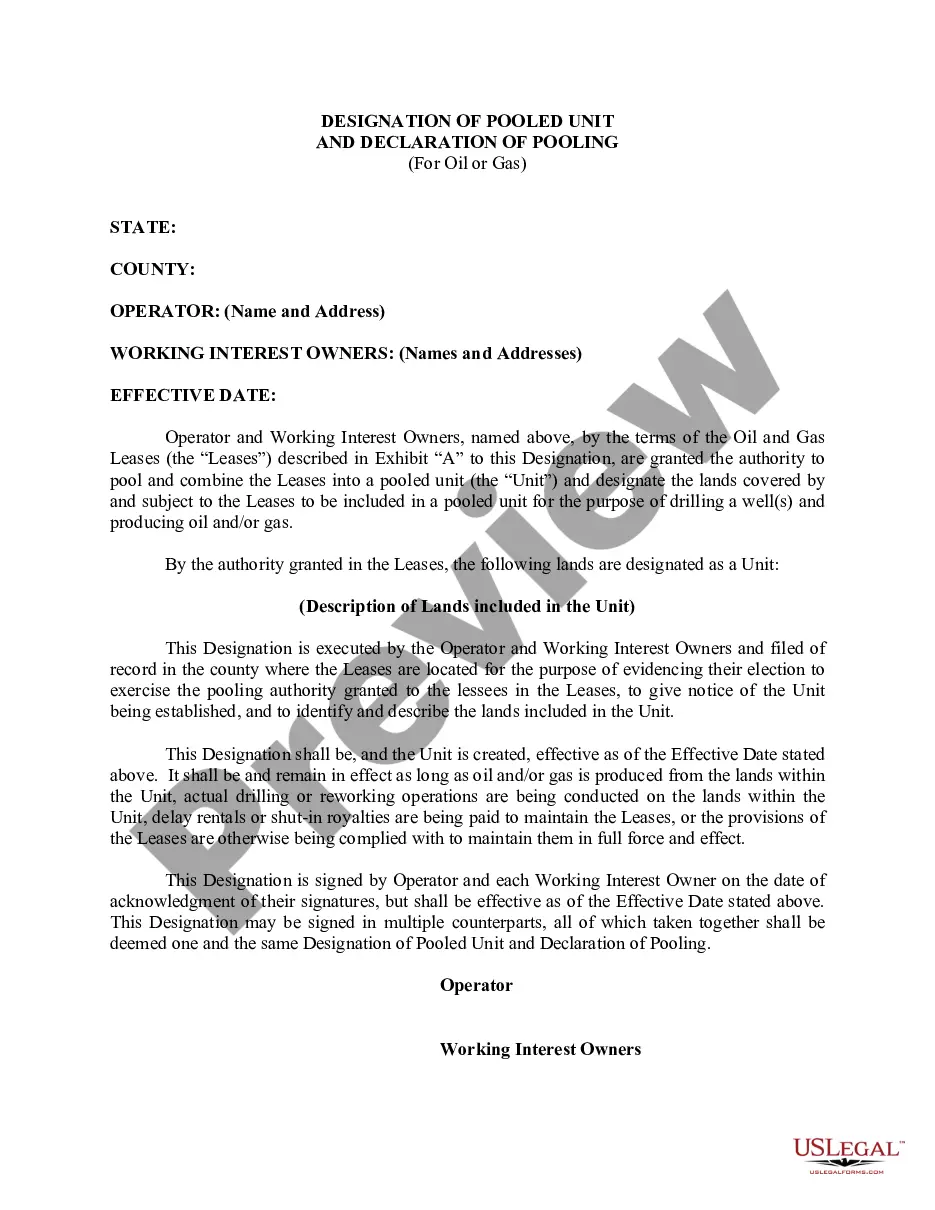
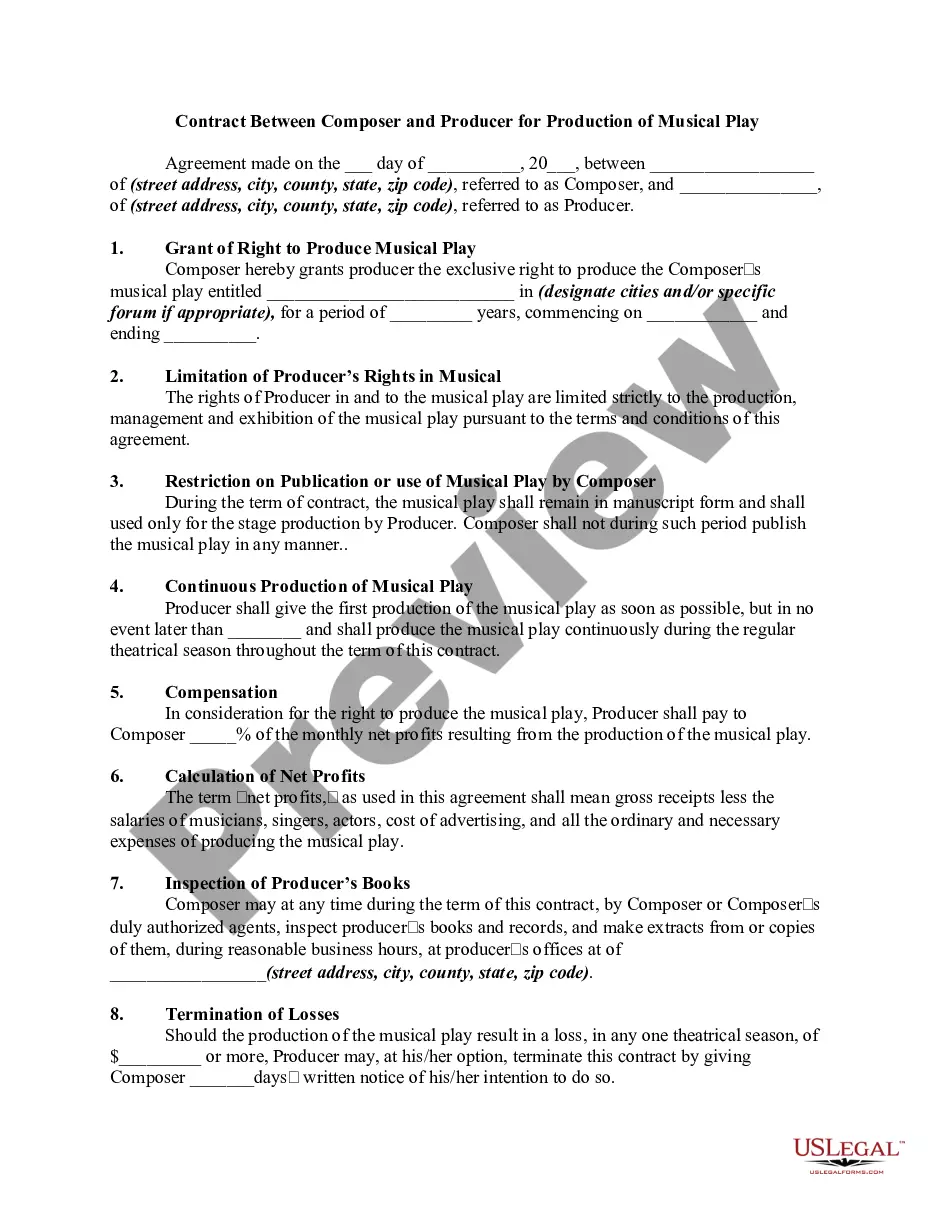




Form popularity
FAQ
Anyone buying or selling a residence in Florida should employ a Board Certified Real Estate Settlement Lawyer. It's tempting, but wrong, to think that the title company can adequately represent the interests of the buyers or sellers.
In Florida, the seller typically bears the responsibility for paying property taxes up to the date of closing. This means that the seller is accountable for the portion of property taxes that have accrued during their ownership of the property.
Florida law does not require buyers or sellers to hire an attorney for real estate closings, but doing so provides peace of mind. An experienced attorney can: Review contracts and closing documents. Address title defects or other legal issues.
This is the job of your real estate attorney or closing agent, who will run a real estate title search on the property's address to ensure that the title is clean–which means the seller has the legal right to convey title to the new buyer and that there are no liens (including from people who did prior work on the home ...
ALTHOUGH YOU ARE NOT REQUIRED TO HAVE AN ATTORNEY FOR CERTAIN PROBATE PROCEEDINGS, ONLY AN ATTORNEY CAN GIVE LEGAL ADVICE. IF YOU CHOOSE TO PROCEED WITHOUT AN ATTORNEY, AT ANY TIME IN YOUR CASE YOU MAY OPT TO HIRE ONE.
You can file the original will in person at any of our courthouse locations or by mail, to the attention of our probate division at P.O. Box 4667, West Palm Beach, FL 33402. You must include a certified copy of the death certificate, or other document that will confirm the date of death, when filing the will.
The formal probate administration usually takes 6-9 months under most circumstances - start to finish. This process includes appointing a personal representative (i.e., the "executor"), a 90 days creditor's period that must run, payment of creditor's claims and more.
Under most circumstances, you will need to hire an attorney to assist you in the probate process. First, you will know you have to probate an asset when it is in the decedent's own, individual name. This includes bank accounts, stocks, bonds, land and more.
Copies may be picked up at the Clerk's office, or you may include a self-addressed, stamped envelope to have the copies mailed to you.
The final pleadings involved in closing an estate will be a petition for discharge, a final accounting and a statement regarding creditors.
