Closure Any Property Formula In North Carolina
Description

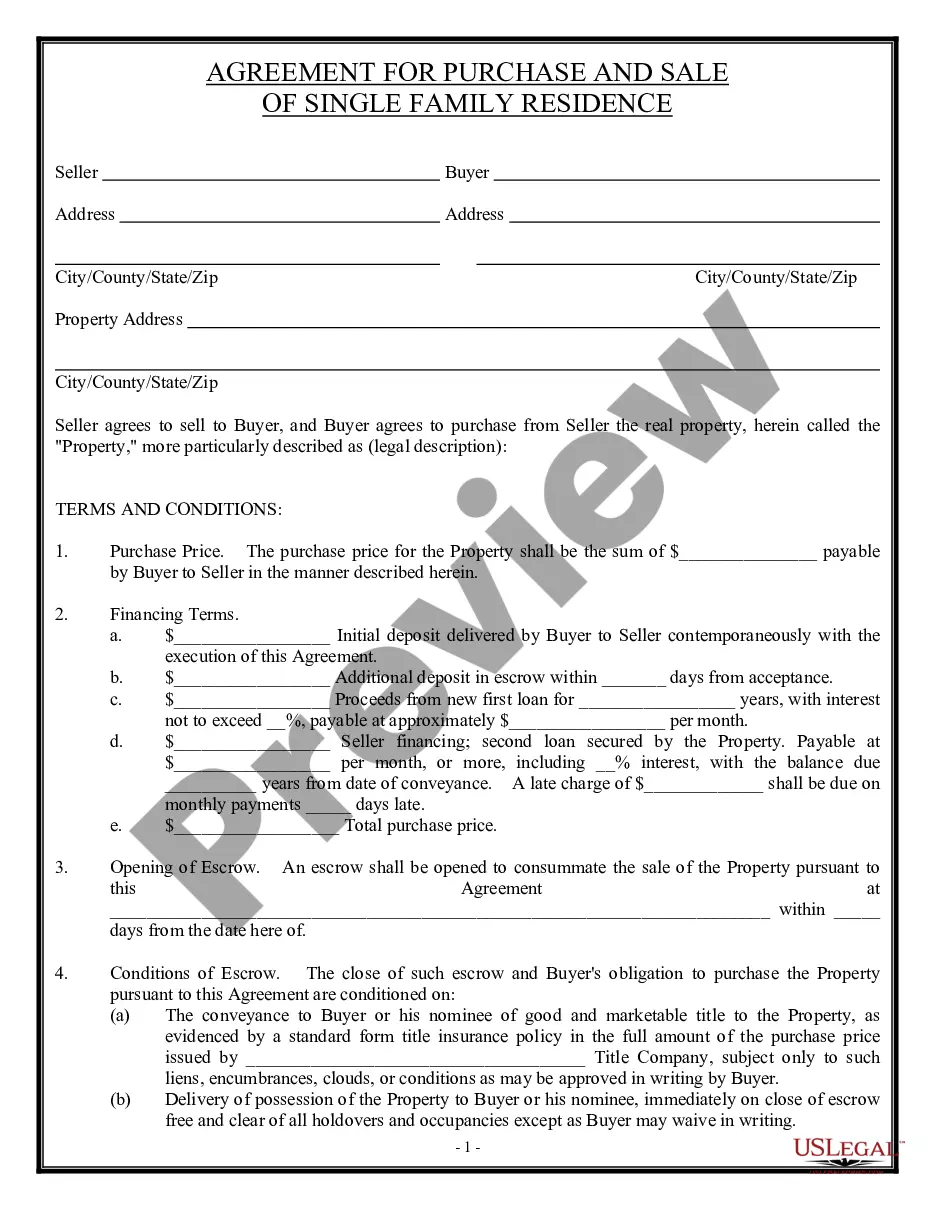
Get your form ready online
Our built-in tools help you complete, sign, share, and store your documents in one place.
Make edits, fill in missing information, and update formatting in US Legal Forms—just like you would in MS Word.
Download a copy, print it, send it by email, or mail it via USPS—whatever works best for your next step.
Sign and collect signatures with our SignNow integration. Send to multiple recipients, set reminders, and more. Go Premium to unlock E-Sign.
If this form requires notarization, complete it online through a secure video call—no need to meet a notary in person or wait for an appointment.
We protect your documents and personal data by following strict security and privacy standards.

Make edits, fill in missing information, and update formatting in US Legal Forms—just like you would in MS Word.

Download a copy, print it, send it by email, or mail it via USPS—whatever works best for your next step.

Sign and collect signatures with our SignNow integration. Send to multiple recipients, set reminders, and more. Go Premium to unlock E-Sign.

If this form requires notarization, complete it online through a secure video call—no need to meet a notary in person or wait for an appointment.

We protect your documents and personal data by following strict security and privacy standards.
Looking for another form?









Form popularity
FAQ
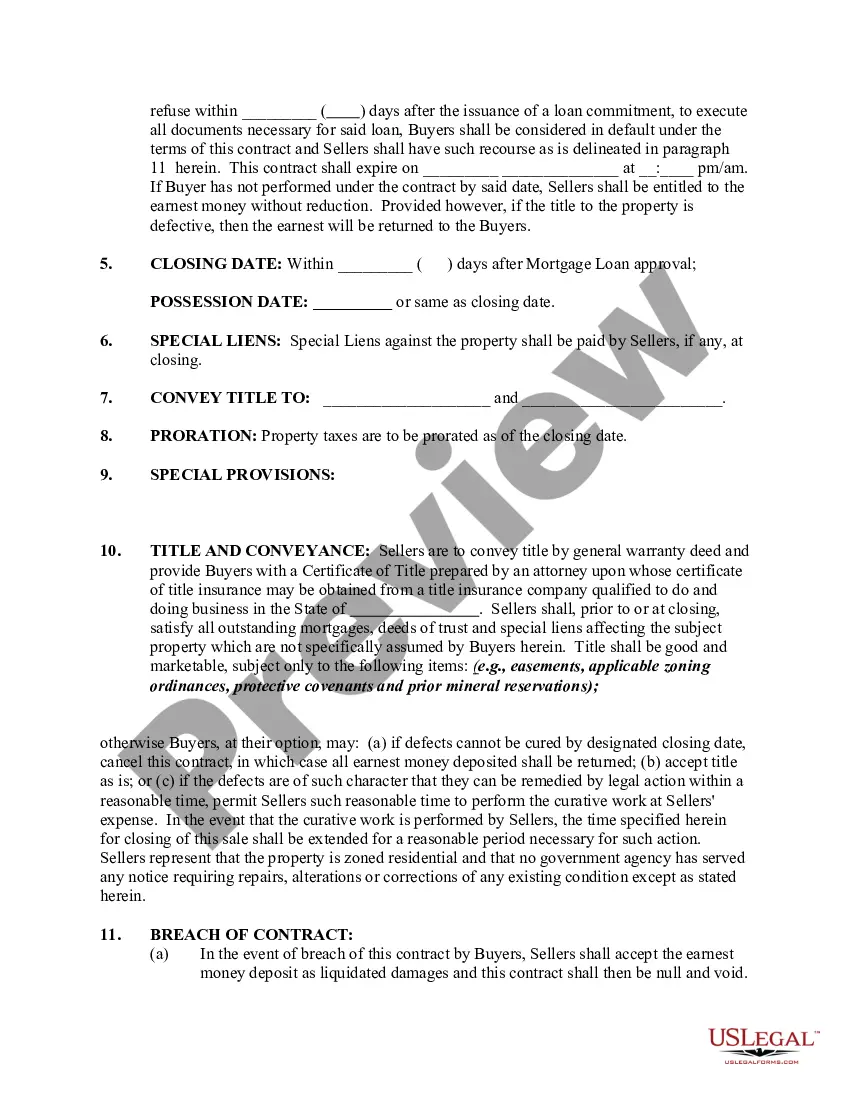
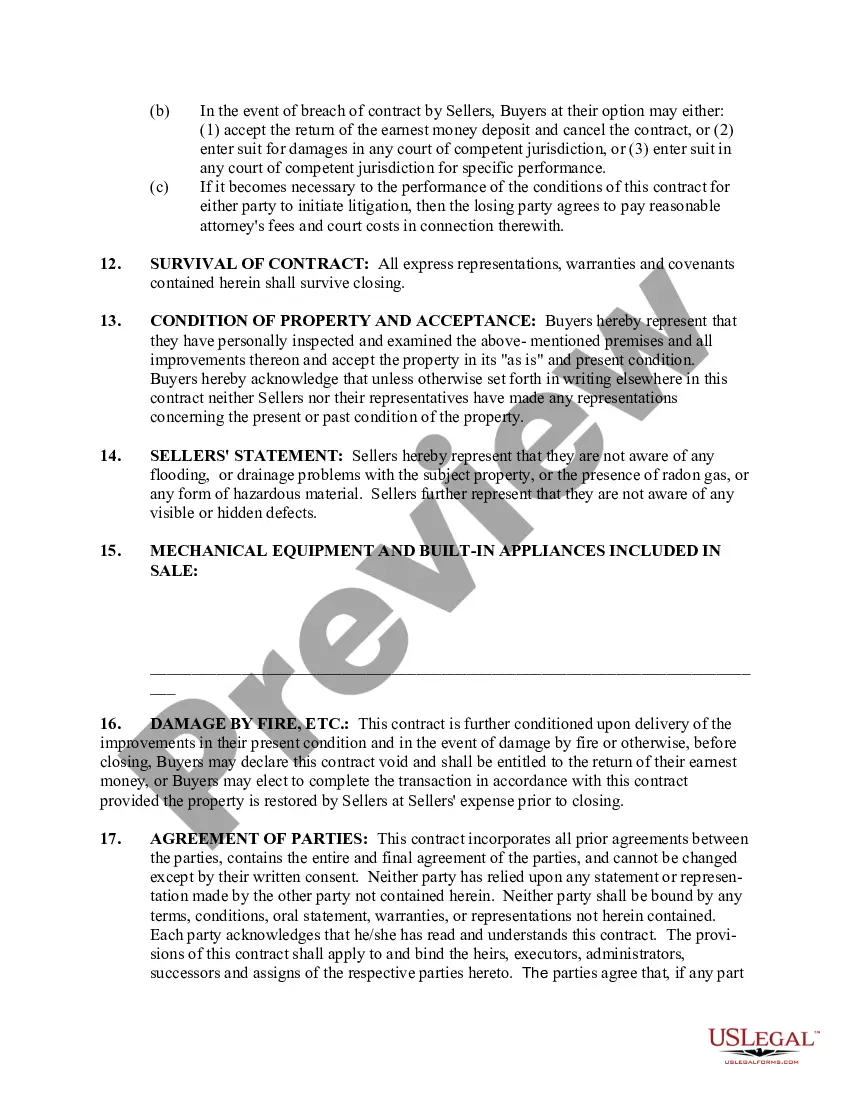
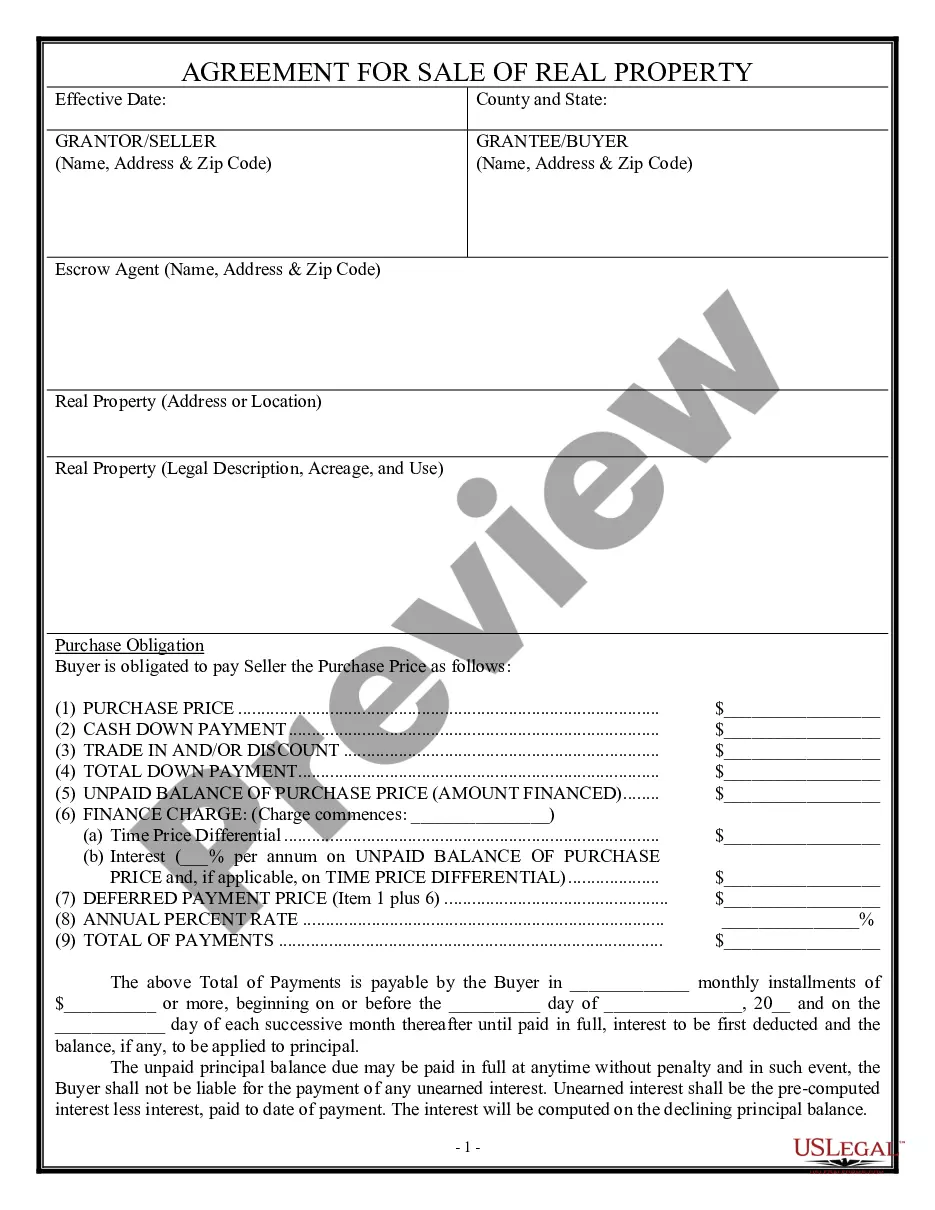
How Long Does Closing Take? Closing on a home usually takes place 3-6 weeks after the offer is accepted. The actual closing appointment is allotted a 60 minute time slot. If both the buyer and seller are in full agreement and both understand all the documents they will be signing, then it should go quickly.
Any owner of the property may file for partition. This is a court case in which the owner asks a judge to divide up the property. Typically, this results in the judge ordering the property sold at auction. Anyone, including investors from outside the family, may buy the property at a sale.
Unlike some states where title companies handle the closing process, North Carolina law mandates that a licensed real estate attorney oversee the process.
The buyer selects and is responsible for paying the closing attorney for his or her services in handling the closing, except for charges the seller is respon- sible for. The closing attorney may prepare the deed and other seller documents for the seller, or the seller may retain their own attorney to prepare them.
If the will does not name a substitute or successor executor or if the decedent did not leave a valid will, then those who may be granted letters are, in the following order of priority: (1) the surviving spouse, (2) anyone receiving property under the will, (3) anyone who would receive property if there was no will, ( ...
Potential solutions for dividing inherited property include selling the property and dividing the proceeds, providing siblings with co-ownership, and having one sibling buy out the other siblings.
One of the simplest strategies for asset distribution among heirs, this method requires that the estate be divided equally among each branch of the family. So, if an heir (a child) should pass away before the parents, their share would be passed along in equal shares to their heirs (the grandchildren). Per capita.
Heirs of the original owner can possess and use the property with equal claim regardless of the size of their factional title interest in the land. But without proper documentation or clear title, owners can't sell the property, borrow against it or qualify for federal farm loans or disaster relief.