Closure Any Property For Division In North Carolina
Description

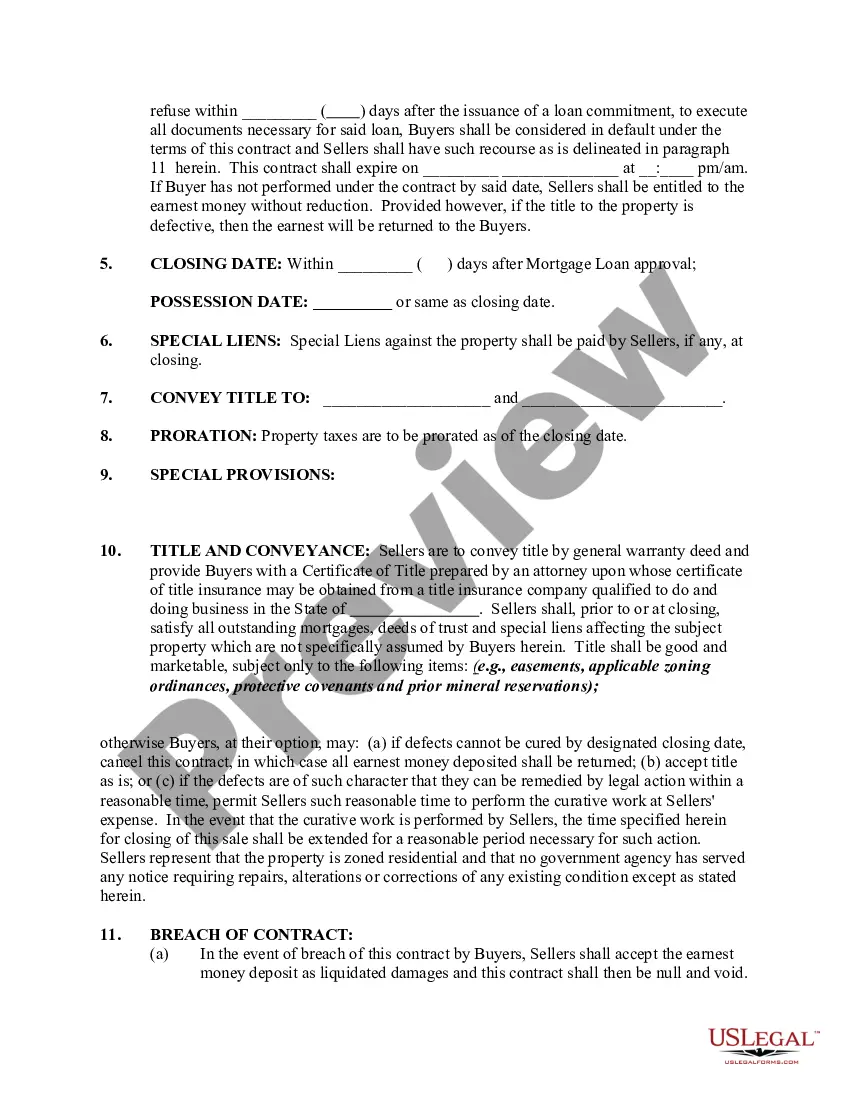
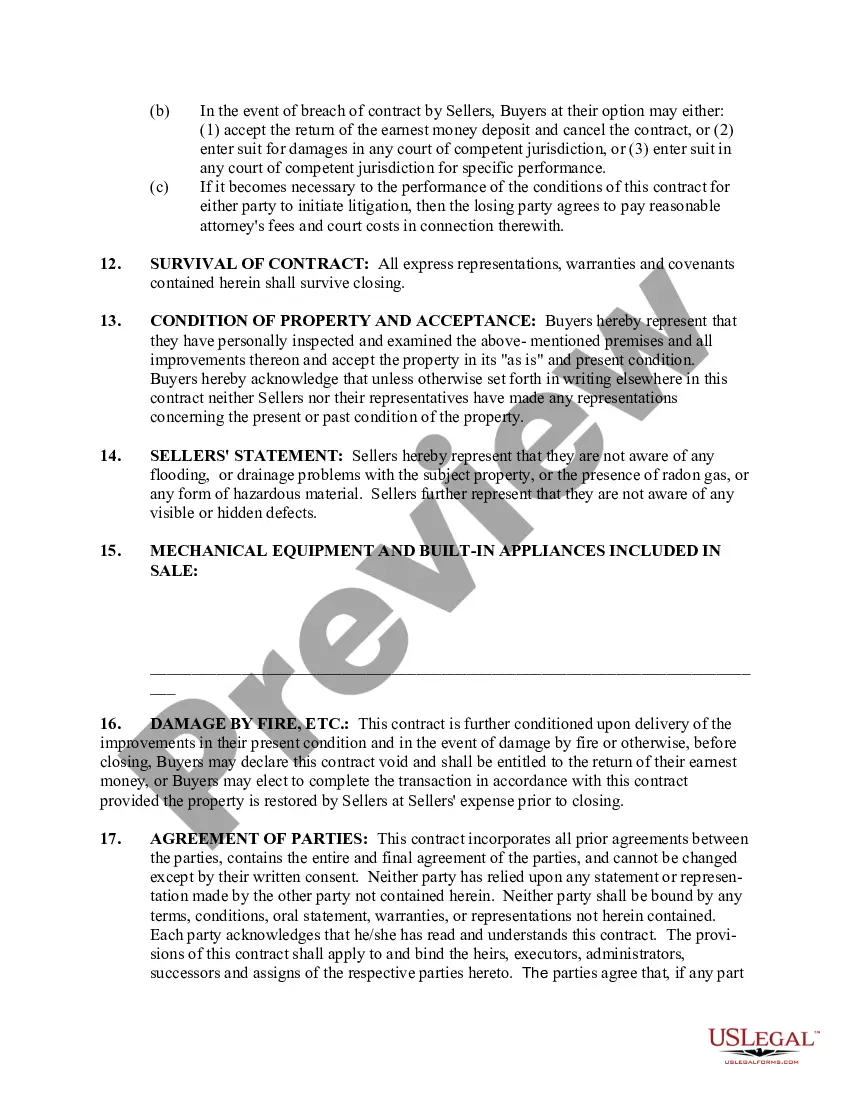
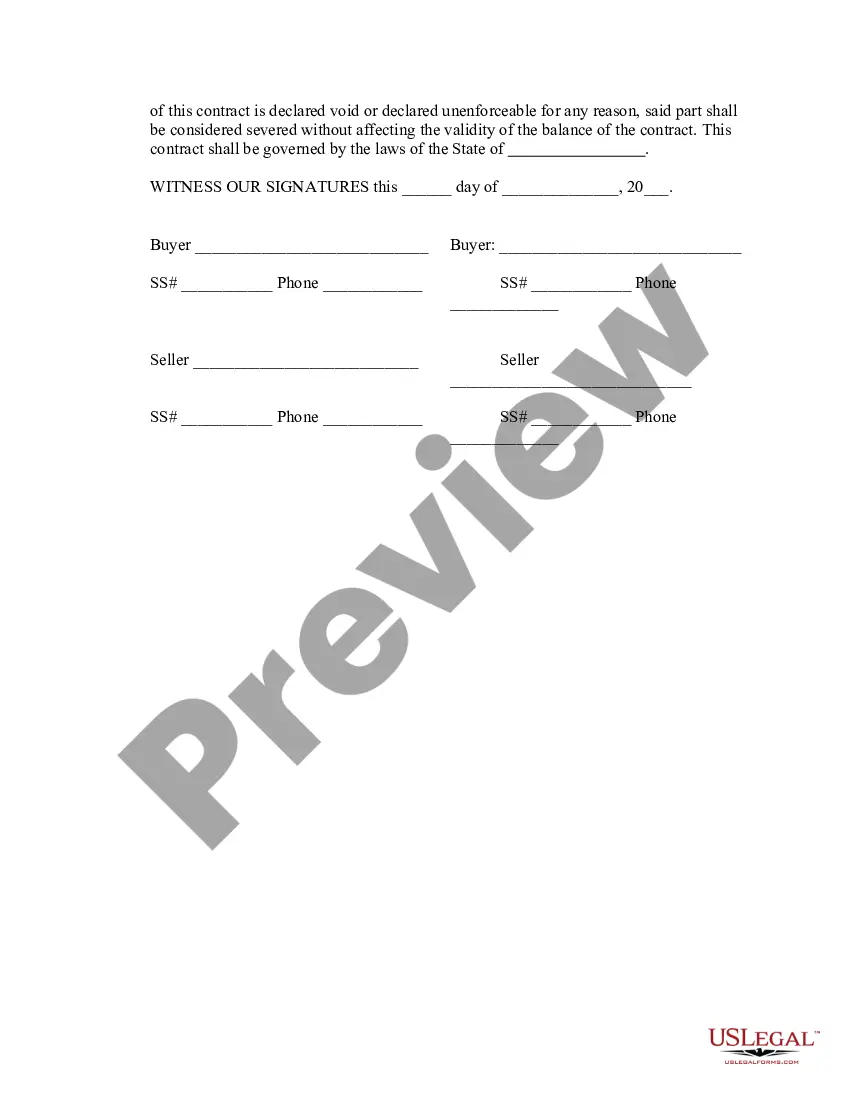
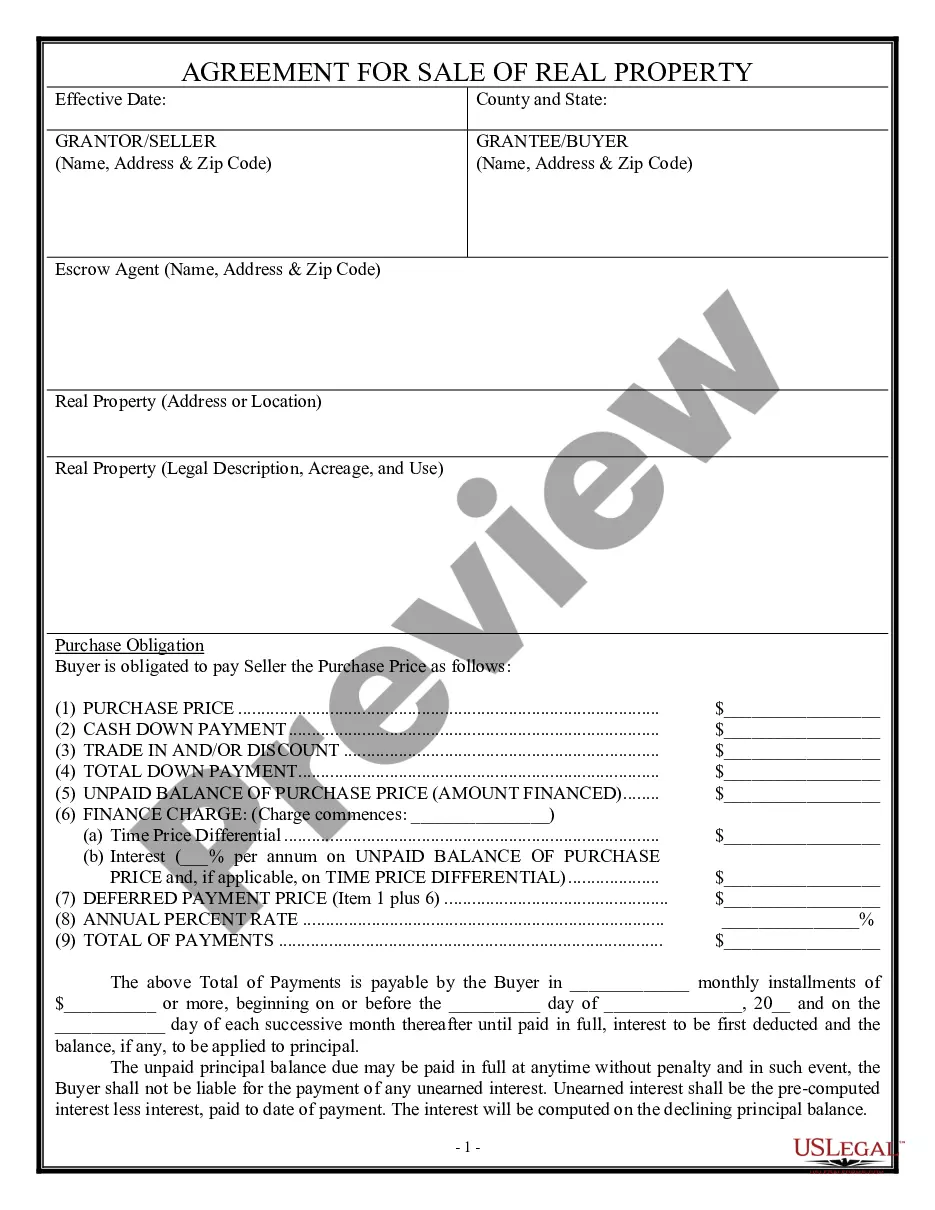
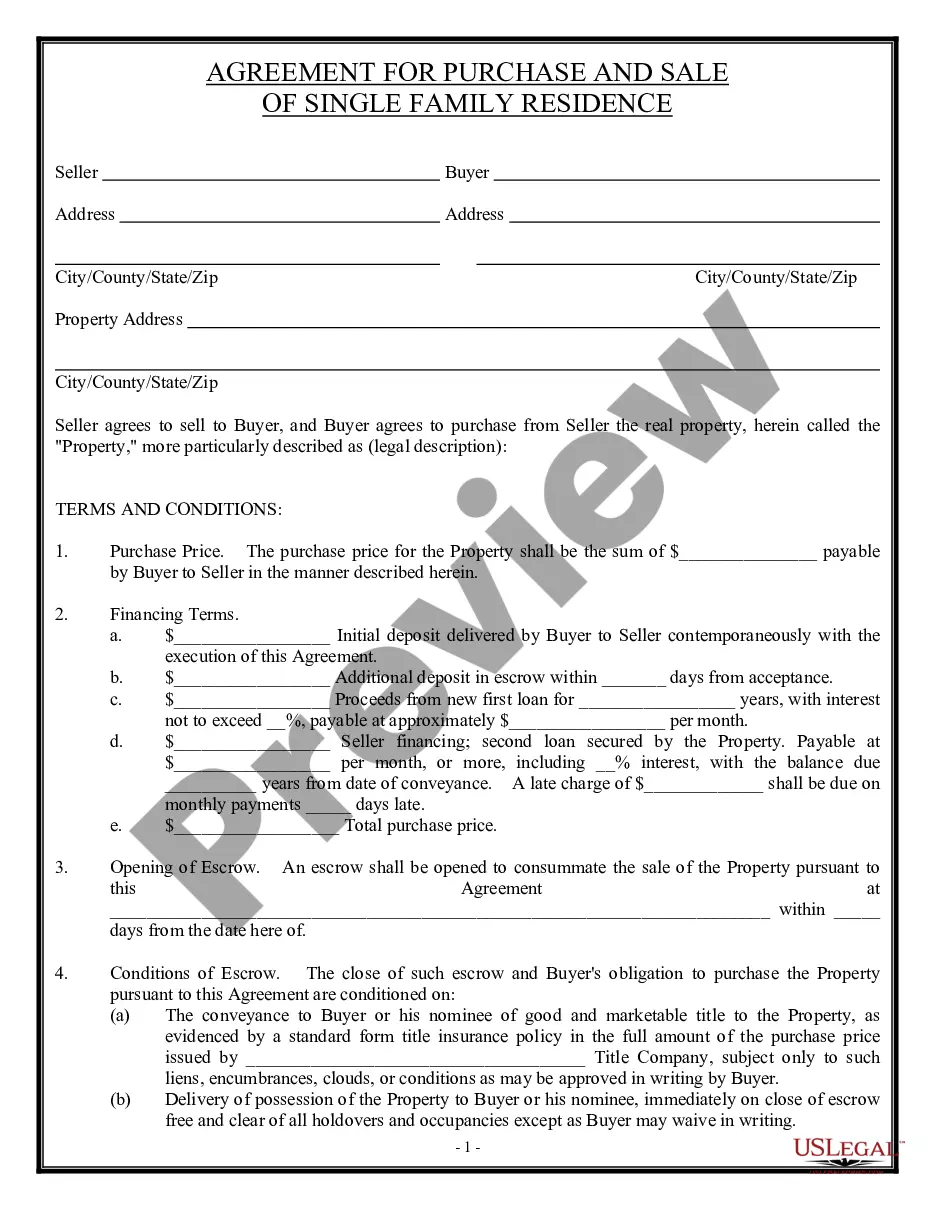
Get your form ready online
Our built-in tools help you complete, sign, share, and store your documents in one place.
Make edits, fill in missing information, and update formatting in US Legal Forms—just like you would in MS Word.
Download a copy, print it, send it by email, or mail it via USPS—whatever works best for your next step.
Sign and collect signatures with our SignNow integration. Send to multiple recipients, set reminders, and more. Go Premium to unlock E-Sign.
If this form requires notarization, complete it online through a secure video call—no need to meet a notary in person or wait for an appointment.
We protect your documents and personal data by following strict security and privacy standards.

Make edits, fill in missing information, and update formatting in US Legal Forms—just like you would in MS Word.

Download a copy, print it, send it by email, or mail it via USPS—whatever works best for your next step.

Sign and collect signatures with our SignNow integration. Send to multiple recipients, set reminders, and more. Go Premium to unlock E-Sign.

If this form requires notarization, complete it online through a secure video call—no need to meet a notary in person or wait for an appointment.

We protect your documents and personal data by following strict security and privacy standards.
Looking for another form?
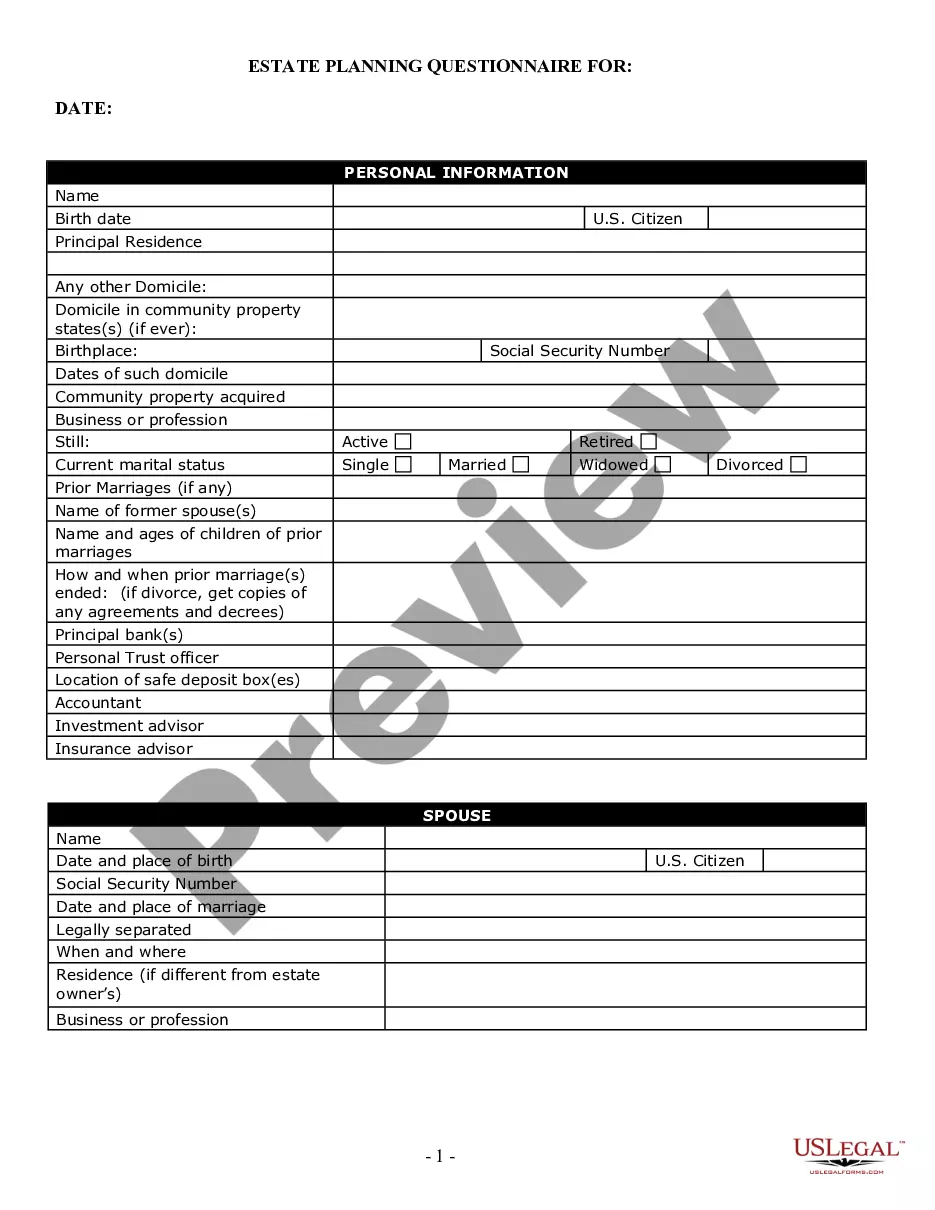
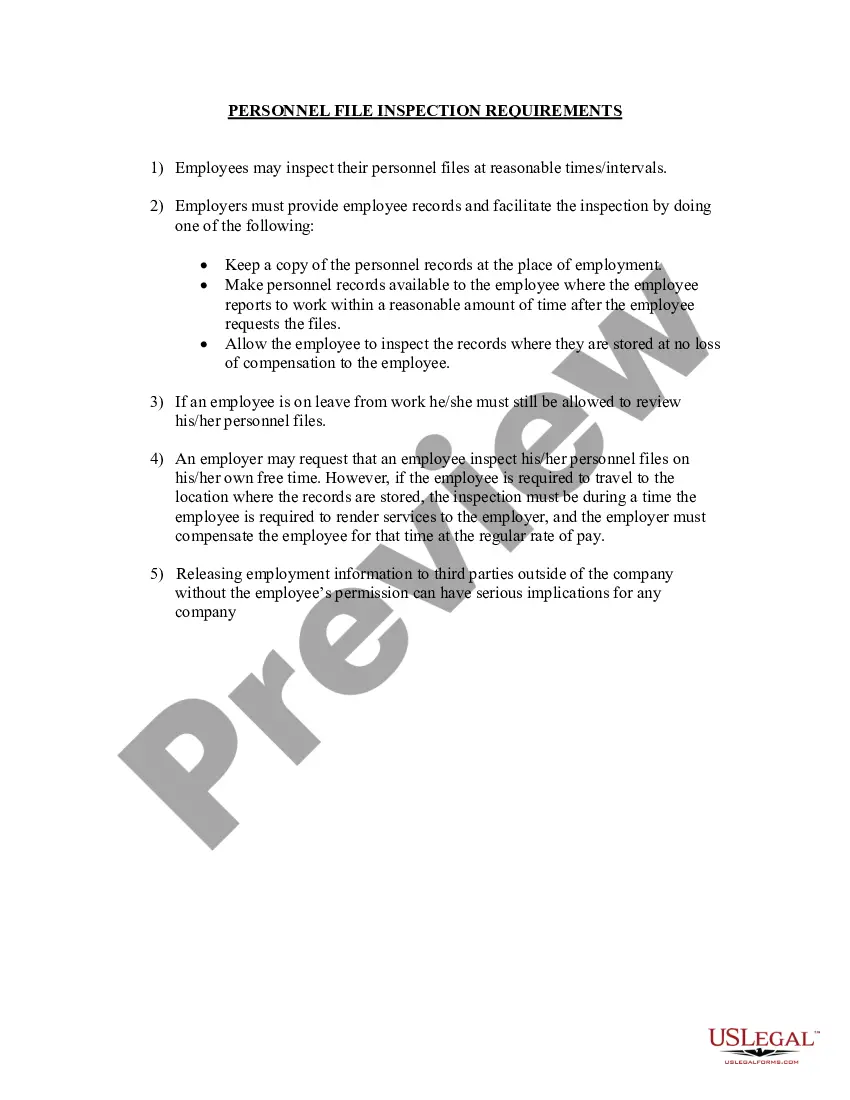
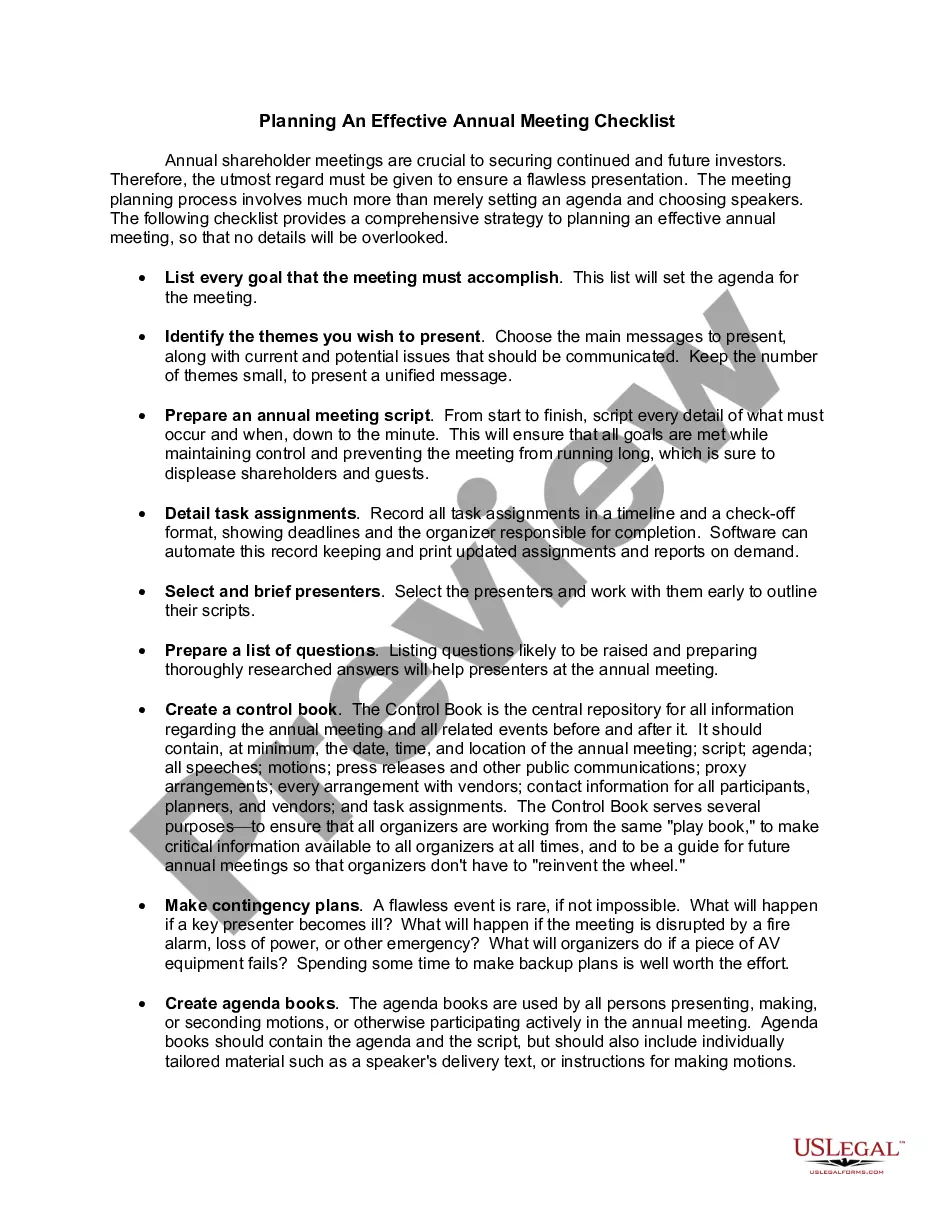





Form popularity
FAQ
A motion requesting a change of venue must be filed at or before arraignment if the defendant has filed a written request for arraignment or, if arraignment is waived, within 21 days of the return of the indictment.
The following documents are required to obtain a name change for an adult: Notice of Intent to Change Name (must be posted in courthouse 10 days before filing the Petition) Certified Petition for Legal Name Change. Affidavits of Character from two people who live in the same county as you. Birth Certificate. Fingerprints.
It must be filed with the Clerk of Court in the Superior Court division of the county (or one of the counties) where the real estate is located. The Clerk will act as the judge in the case and will appoint at least three neutral parties called commissioners to oversee the property's division.
Attorneys' fees. (a) In proceedings to partition property under this Chapter, the court shall allocate among all the cotenants of the property those reasonable attorneys' fees incurred by any cotenant for the common benefit of all the cotenants, unless a cotenant shows that doing so would be inequitable.
Filing the Documents Take the original and two (2) copies of the Motion to the Civil Division of the Clerk of Superior Court's office in the county where your case is filed. The Clerk will stamp each Motion “filed,” place the original in the Court file and return two (2) copies of the “filed” document to you.
Any owner of the property may file for partition. This is a court case in which the owner asks a judge to divide up the property. Typically, this results in the judge ordering the property sold at auction. Anyone, including investors from outside the family, may buy the property at a sale.
By law, an equal division of marital property is preferred, but if either spouse requests an unequal division and the judge finds that an unequal distribution would be fair, the court may give more of the property or debt to one party than the other. Judges consider many factors in deciding how to divide property.
North Carolina LLC Articles of Dissolution Fill out L-07. This form is available here for download. 1) List the LLC name. Submit it online. Online submission is not an option for this filing. Submit it by mail. 1) Print and sign the form. 2) Payment may be made by check payable to Secretary of State.
How Does An Executor Close An Estate in North Carolina? Authority of an Executor (Personal Representative) What You Need to Know Before Beginning. Step 1- Locate Estate Planning Documents. Step 2- Determine Burial Wishes. Step 3- Probate the Will and Apply as Executor. Step 4- Notice to Creditors.
