Closing Property Title Forward In North Carolina
Description

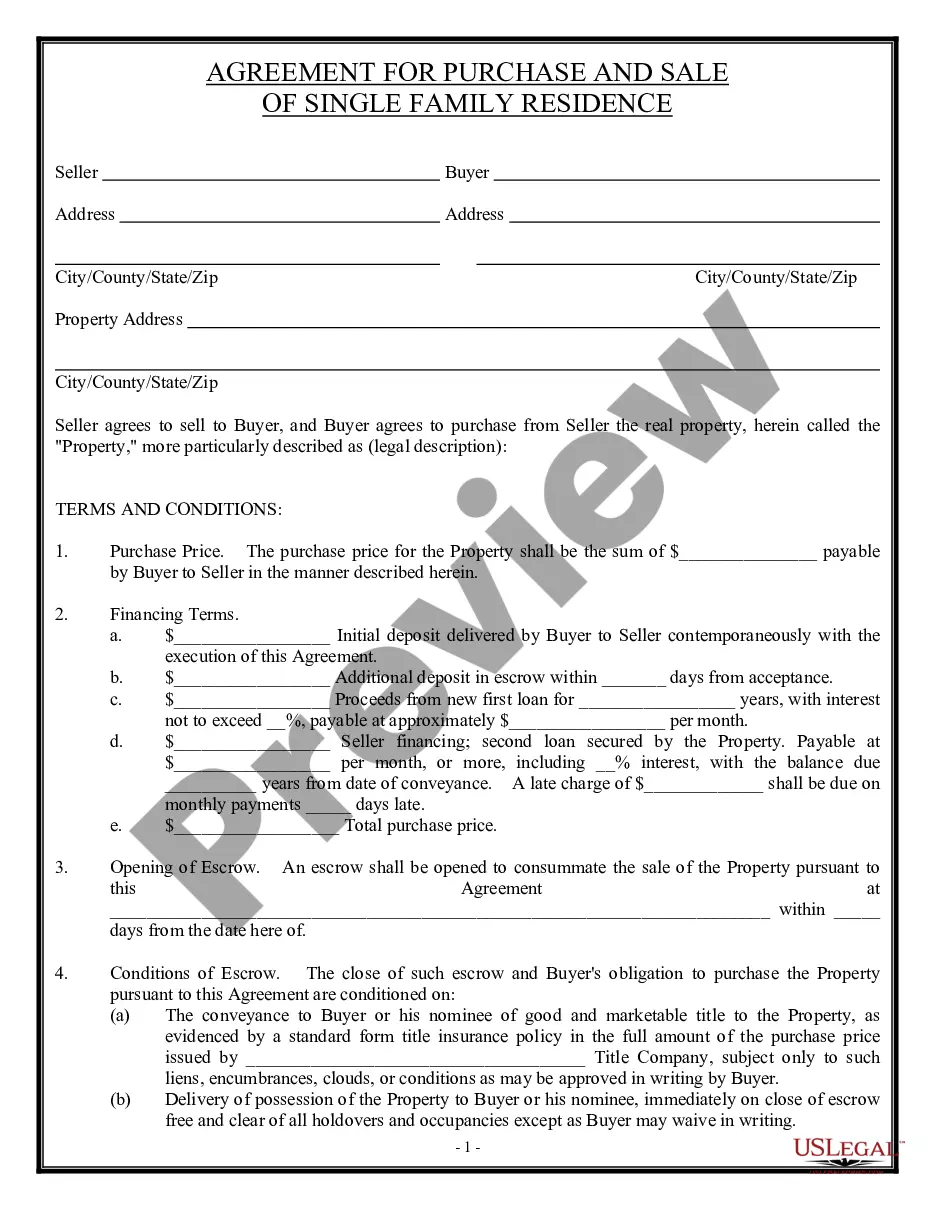
Get your form ready online
Our built-in tools help you complete, sign, share, and store your documents in one place.
Make edits, fill in missing information, and update formatting in US Legal Forms—just like you would in MS Word.
Download a copy, print it, send it by email, or mail it via USPS—whatever works best for your next step.
Sign and collect signatures with our SignNow integration. Send to multiple recipients, set reminders, and more. Go Premium to unlock E-Sign.
If this form requires notarization, complete it online through a secure video call—no need to meet a notary in person or wait for an appointment.
We protect your documents and personal data by following strict security and privacy standards.

Make edits, fill in missing information, and update formatting in US Legal Forms—just like you would in MS Word.

Download a copy, print it, send it by email, or mail it via USPS—whatever works best for your next step.

Sign and collect signatures with our SignNow integration. Send to multiple recipients, set reminders, and more. Go Premium to unlock E-Sign.

If this form requires notarization, complete it online through a secure video call—no need to meet a notary in person or wait for an appointment.

We protect your documents and personal data by following strict security and privacy standards.
Looking for another form?





Form popularity
FAQ
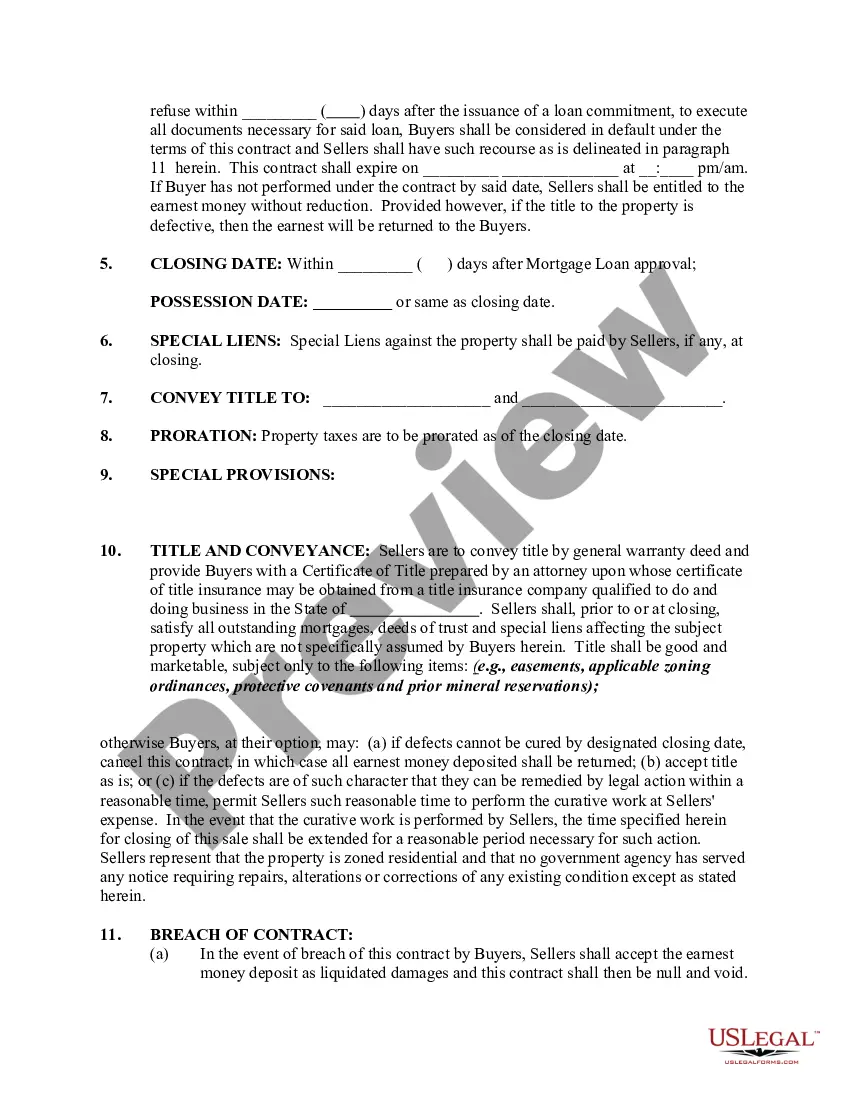
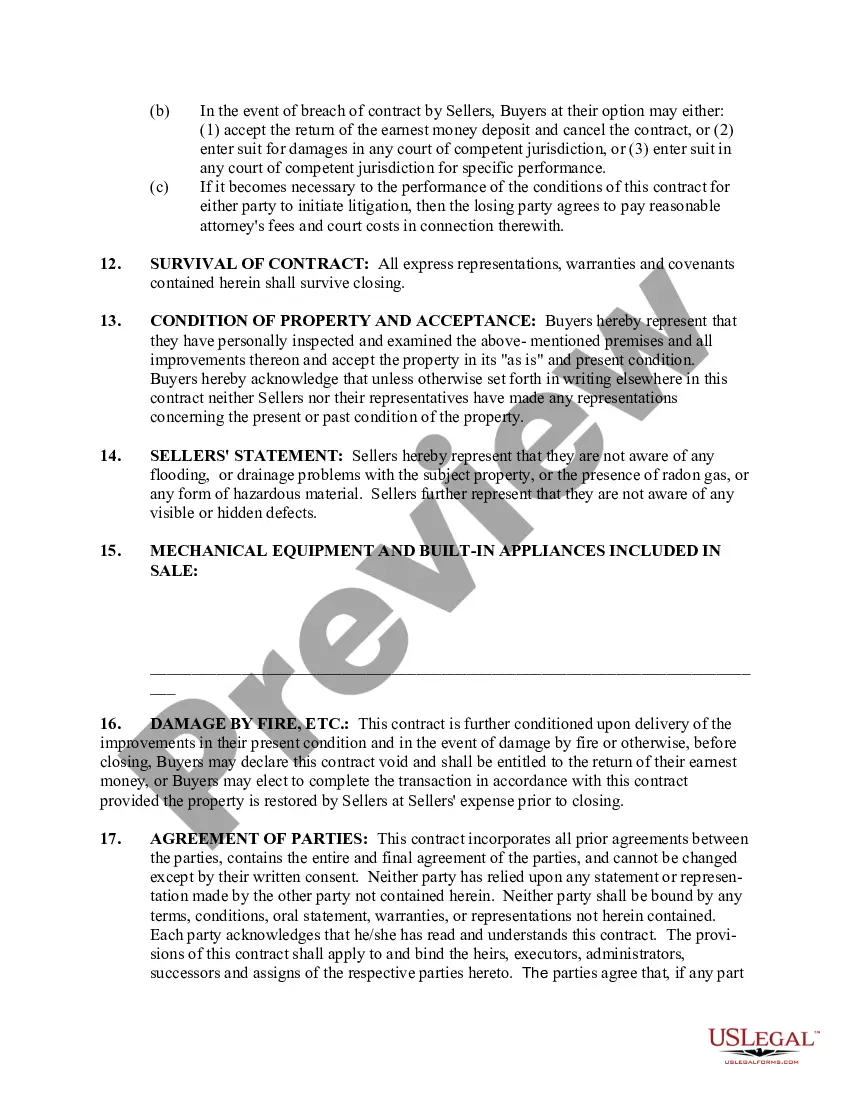
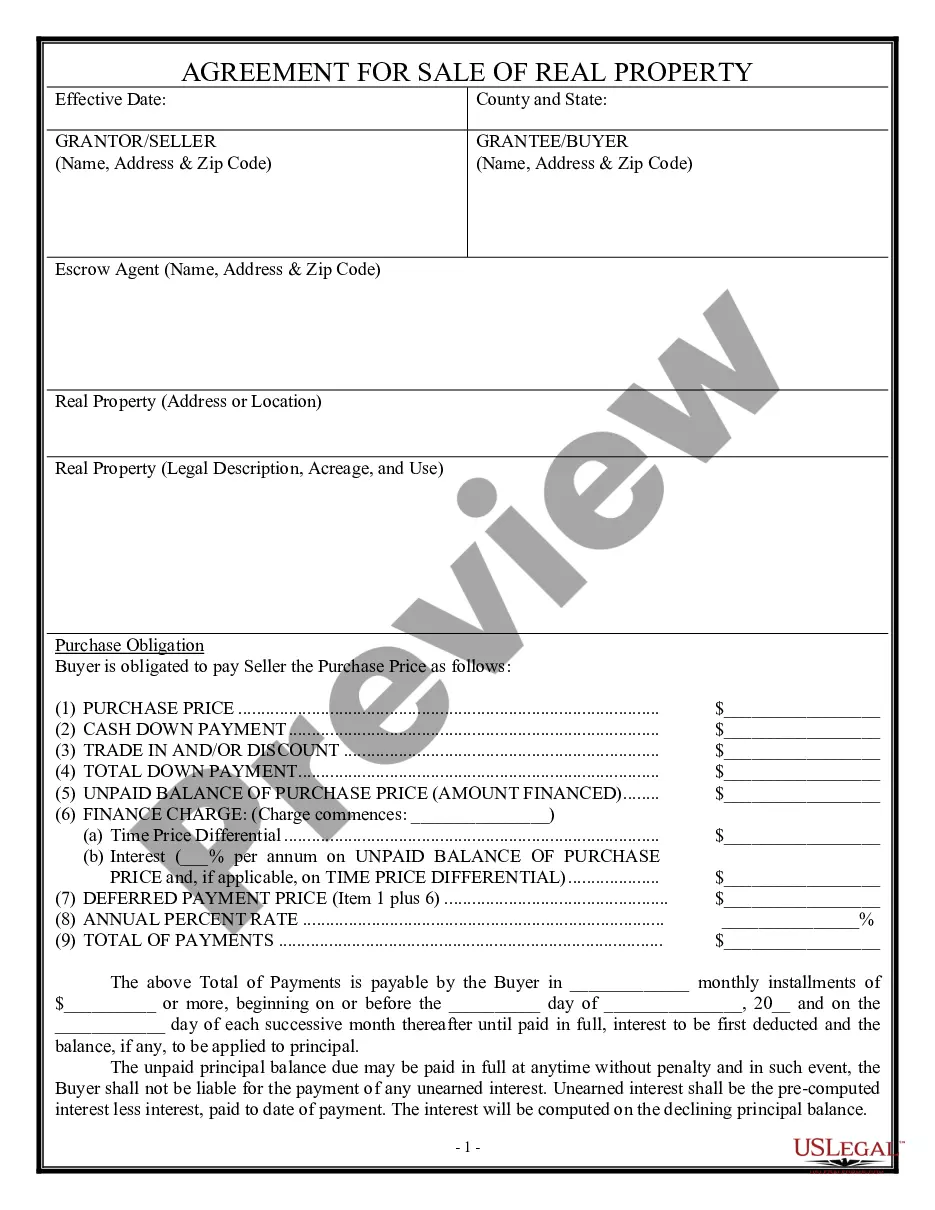
Unlike some states where title companies handle the closing process, North Carolina law mandates that a licensed real estate attorney oversee the process.
How Long Does Closing Take? Closing on a home usually takes place 3-6 weeks after the offer is accepted. The actual closing appointment is allotted a 60 minute time slot. If both the buyer and seller are in full agreement and both understand all the documents they will be signing, then it should go quickly.
In North Carolina, a notary public must witness the grantor's signature on the deed. After the deed is notarized, it must be recorded with the Lenoir County Register of Deeds. This step officially transfers the title of the property from the grantor to the grantee.
North Carolina Is An Attorney Closing State.
Unlike some states that allow title companies to facilitate home sales, residential property sales in North Carolina must be processed by a residential real estate attorney. In addition to the buyer, seller, and their attorneys, real estate agents and either an escrow or settlement agent may be involved in the closing.
Before a vehicle can be registered in North Carolina, the N.C. Division of Motor Vehicles requires a title, which serves as proper proof of ownership.
North Carolina is one of a few states that requires a licensed real estate attorney to process real estate transactions, including closings.
In North Carolina, it is not required for a purchaser of real property to obtain a survey. In fact, most people believe that there are only a few reasons why they should consider having a survey of their property. These reasons include resolving boundary disputes with their neighbor or when building a new home.
