Closing Any Property Without Permission In Nevada
Description

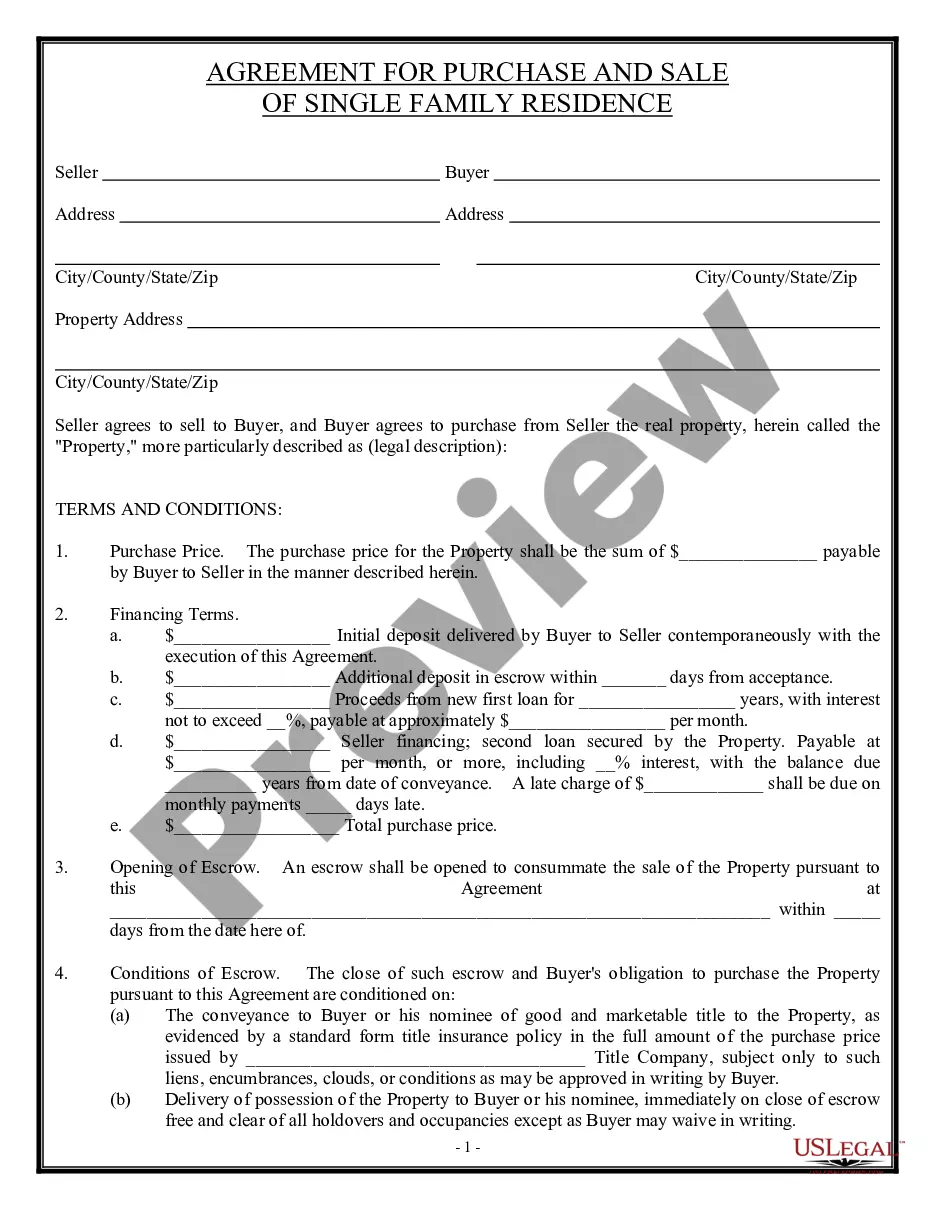
Get your form ready online
Our built-in tools help you complete, sign, share, and store your documents in one place.
Make edits, fill in missing information, and update formatting in US Legal Forms—just like you would in MS Word.
Download a copy, print it, send it by email, or mail it via USPS—whatever works best for your next step.
Sign and collect signatures with our SignNow integration. Send to multiple recipients, set reminders, and more. Go Premium to unlock E-Sign.
If this form requires notarization, complete it online through a secure video call—no need to meet a notary in person or wait for an appointment.
We protect your documents and personal data by following strict security and privacy standards.

Make edits, fill in missing information, and update formatting in US Legal Forms—just like you would in MS Word.

Download a copy, print it, send it by email, or mail it via USPS—whatever works best for your next step.

Sign and collect signatures with our SignNow integration. Send to multiple recipients, set reminders, and more. Go Premium to unlock E-Sign.

If this form requires notarization, complete it online through a secure video call—no need to meet a notary in person or wait for an appointment.

We protect your documents and personal data by following strict security and privacy standards.
Looking for another form?







Form popularity
FAQ
In Nevada, a landlord must provide a 24-hour notice of intent to enter a premise, during normal business hours. Unless there is an emergency.
The only time a death by any cause must be disclosed is if something that is a part of the property was a cause of or precipitated that death. However if asked, one must be honest.
Nevada Revised Statute 118A. 390 makes it illegal for a landlord to use "self-help evictions" to carry out an eviction. For example, a landlord cannot change out a tenant's locks without the involvement of the Court, the Sheriff, or Constable.
Except as otherwise provided in subsection 2: (a) At least 10 days before residential property is conveyed to a purchaser: (1) The seller shall complete a disclosure form regarding the residential property; and (2) The seller or the seller's agent shall serve the purchaser or the purchaser's agent with the completed ...
Nevada law requires that before you actually close on a property transfer, you give the potential buyer a lengthy disclosure statement listing defects in the property and other relevant information.
Sellers are required to disclose property information to the realtor and potential buyers based on state and local laws. A disclosure document details a property's condition and what might negatively affect its value. Sellers who willfully conceal information can be sued and potentially convicted of a crime.
It's typical in most states that the landlord must wait a certain amount of time before selling or discarding personal property, and Nevada does have a 30 day time frame.
The seller must complete the “Seller's Real Property Disclosure” form, detailing the condition of the property, known defects, and any other aspects of the property which may affect its use or value. A real estate licensee, unless he is the seller of the property, may not complete this form.
Reno Justice Court All evictions require that the tenant be properly noticed. The notice requirements vary depending on the type of eviction. Please be aware that there are separate notices for manufactured homes and non-manufactured homes. Evictions can take 10 to 180 days depending on the type of notice served.
They will have to file an adverse possession claim, which means meeting these key requirements: Living on the property for a full five years. Being the sole occupant of that property. Physically living on the property. Having a hostile claim. Maintaining the property.
