Closing Property Title Forward In Montgomery
Description

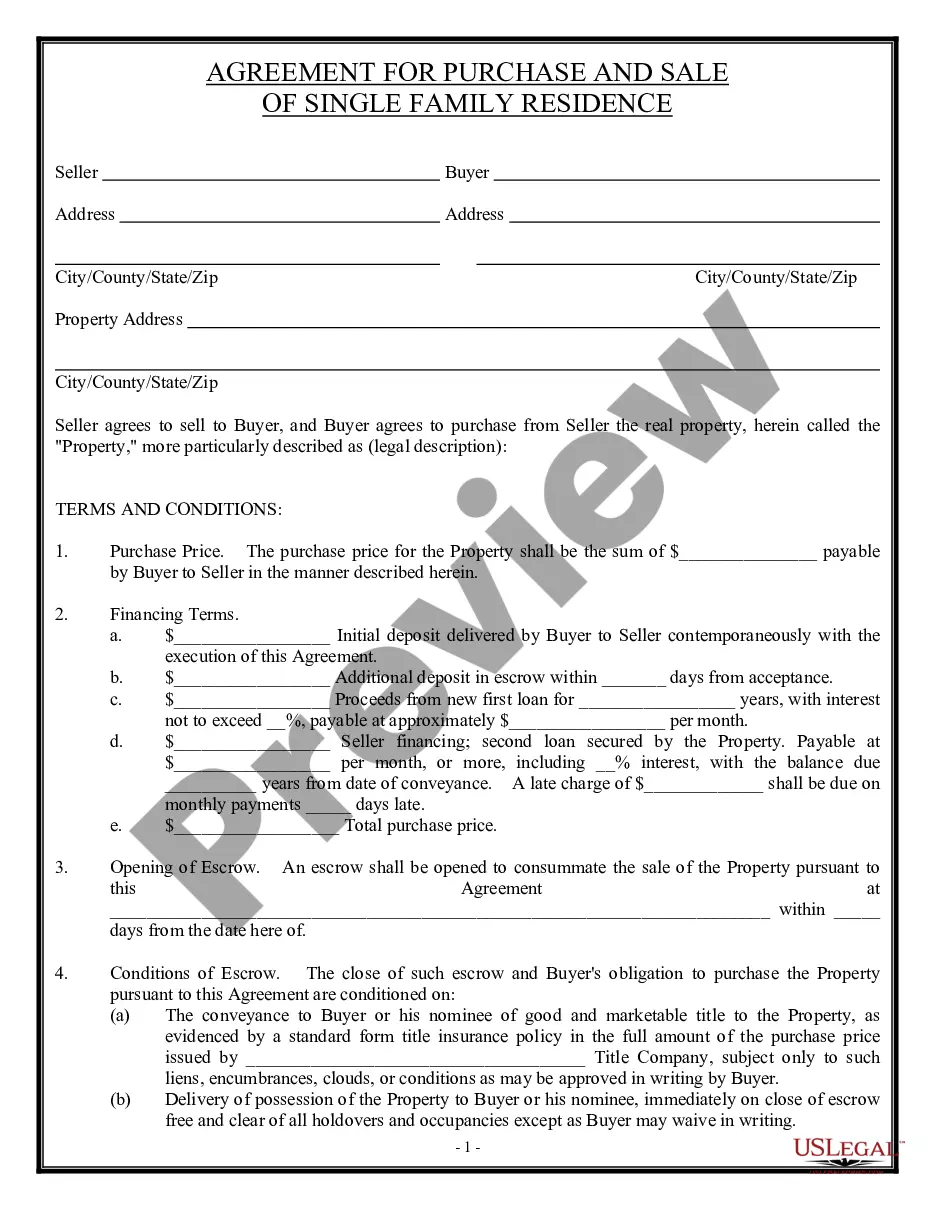
Get your form ready online
Our built-in tools help you complete, sign, share, and store your documents in one place.
Make edits, fill in missing information, and update formatting in US Legal Forms—just like you would in MS Word.
Download a copy, print it, send it by email, or mail it via USPS—whatever works best for your next step.
Sign and collect signatures with our SignNow integration. Send to multiple recipients, set reminders, and more. Go Premium to unlock E-Sign.
If this form requires notarization, complete it online through a secure video call—no need to meet a notary in person or wait for an appointment.
We protect your documents and personal data by following strict security and privacy standards.

Make edits, fill in missing information, and update formatting in US Legal Forms—just like you would in MS Word.

Download a copy, print it, send it by email, or mail it via USPS—whatever works best for your next step.

Sign and collect signatures with our SignNow integration. Send to multiple recipients, set reminders, and more. Go Premium to unlock E-Sign.

If this form requires notarization, complete it online through a secure video call—no need to meet a notary in person or wait for an appointment.

We protect your documents and personal data by following strict security and privacy standards.
Looking for another form?
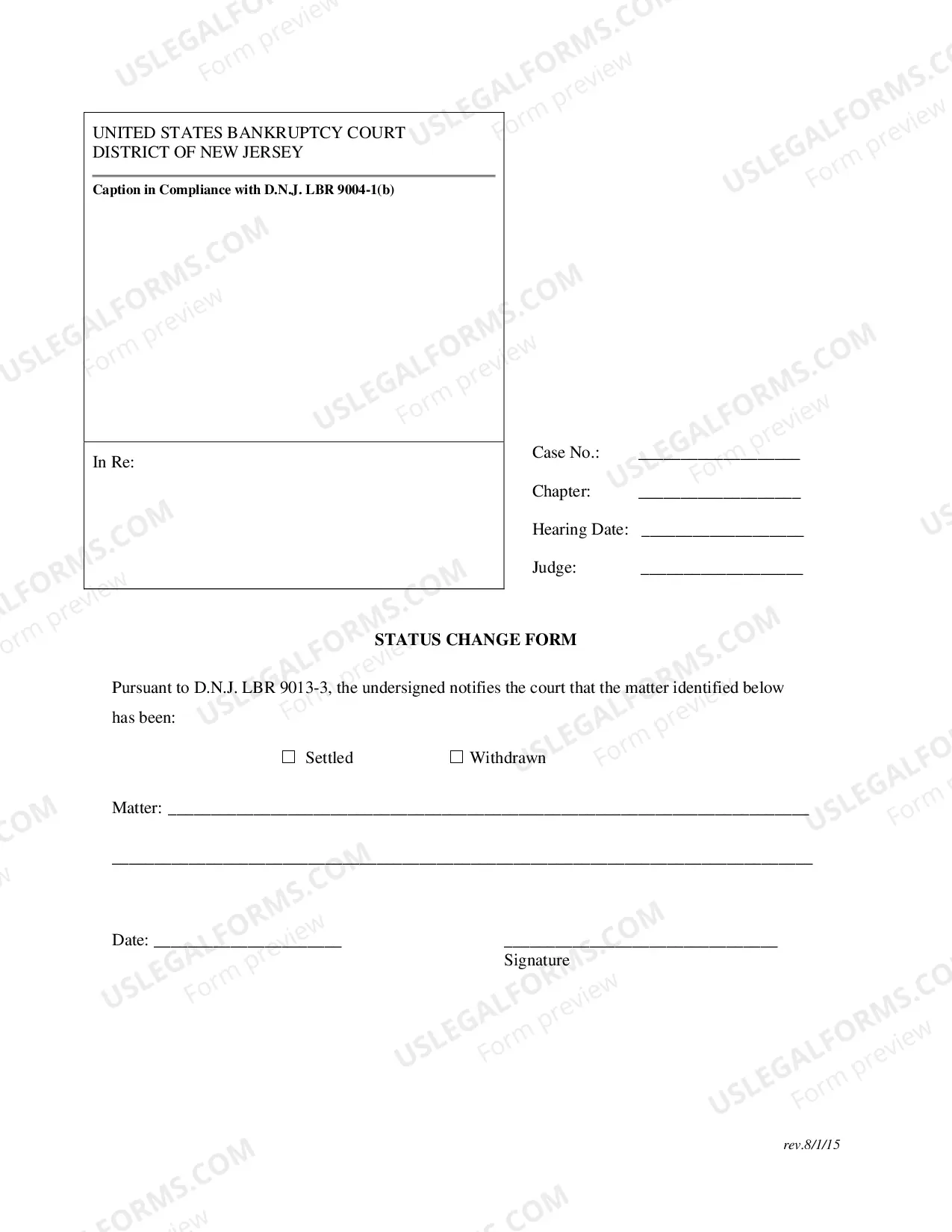









Form popularity
FAQ
Post-Closing means any period that starts after the Closing Date, and with respect to a period that includes and starts on the Closing Date, the portion of such period will exclude the day of the Closing. Post-Closing has the meaning set forth in Section 1.4.
There are additional requirements that need to be taken to wrap up a real estate transaction. At Blueprint, we call these last few steps “post-closing.” Post-closing includes three key activities: recording the deed and/or mortgage (deed of trust), disbursing funds, and issuing the title policies.
Post-closing is also responsible for paying off the existing mortgages and/or judgments on the property, obtaining releases for the liens associated with those mortgages and/or judgments and recording said releases in the Land Records Office.
closing trial balance is prepared after closing entries are made and posted to the ledger. It includes only the balance sheet accounts (assets, liabilities, and equity) and excludes all temporary accounts (revenues, expenses, and dividends) that have been closed.
Post-Closing means any period that starts after the Closing Date, and with respect to a period that includes and starts on the Closing Date, the portion of such period will exclude the day of the Closing.
Post-closing is also responsible for paying off the existing mortgages and/or judgments on the property, obtaining releases for the liens associated with those mortgages and/or judgments and recording said releases in the Land Records Office.
There are additional requirements that need to be taken to wrap up a real estate transaction. At Blueprint, we call these last few steps “post-closing.” Post-closing includes three key activities: recording the deed and/or mortgage (deed of trust), disbursing funds, and issuing the title policies.
2. Post-Closing Obligations. The most crucial obligation in M&A is integrating the two companies' operations, culture, and systems. It involves merging business processes, aligning corporate cultures, training employees, and integrating IT/physical systems.
Post-closing entries mark the final stage of the accounting cycle, ensuring that all temporary accounts are closed and the general ledger is prepared for the next accounting period. These entries help maintain accurate financial records by resetting the balances of revenue, expense, and dividend accounts to zero.
Title Forward completes the transaction, even goes so far as to record the new deed with the County, so these buyers are the new owners of the house, even though the transaction is incomplete.
