Sell Closure Property For Addition In Michigan
Description

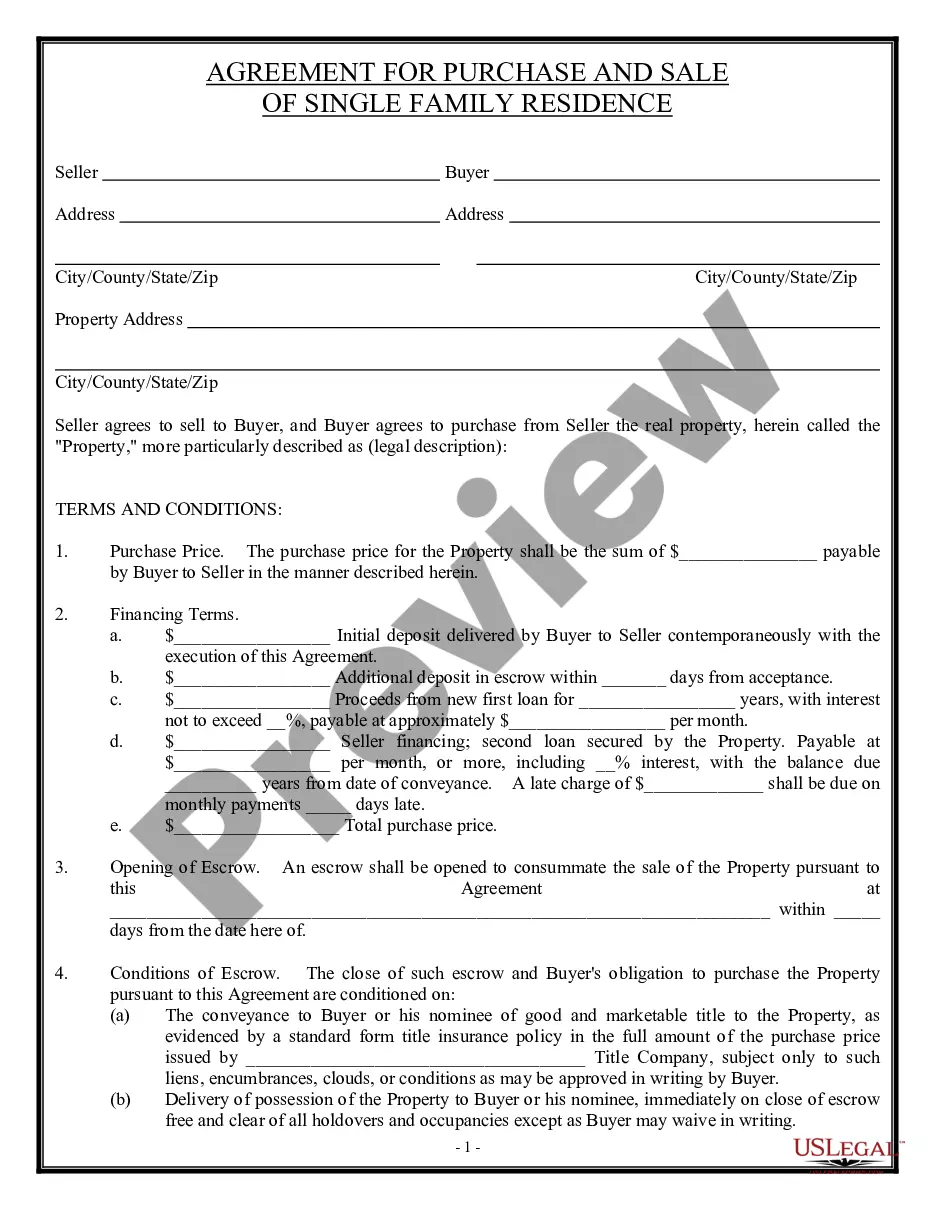
Get your form ready online
Our built-in tools help you complete, sign, share, and store your documents in one place.
Make edits, fill in missing information, and update formatting in US Legal Forms—just like you would in MS Word.
Download a copy, print it, send it by email, or mail it via USPS—whatever works best for your next step.
Sign and collect signatures with our SignNow integration. Send to multiple recipients, set reminders, and more. Go Premium to unlock E-Sign.
If this form requires notarization, complete it online through a secure video call—no need to meet a notary in person or wait for an appointment.
We protect your documents and personal data by following strict security and privacy standards.

Make edits, fill in missing information, and update formatting in US Legal Forms—just like you would in MS Word.

Download a copy, print it, send it by email, or mail it via USPS—whatever works best for your next step.

Sign and collect signatures with our SignNow integration. Send to multiple recipients, set reminders, and more. Go Premium to unlock E-Sign.

If this form requires notarization, complete it online through a secure video call—no need to meet a notary in person or wait for an appointment.

We protect your documents and personal data by following strict security and privacy standards.
Looking for another form?


Form popularity
FAQ
After the foreclosure is completed, most tenants have protection from immediate eviction. Some have 90 days to find a new home after the redemption period ends. Others can stay in their home until the term of their lease ends.
Parcels are forfeited to the county treasurers when the real property taxes are in the second year of delinquency. Real property taxes which remain unpaid as of March 31 in the third year of delinquency are foreclosed upon by the Foreclosing Governmental Unit (FGU).
There are several tax strategies you can use to minimize or avoid capital gains tax on inherited property. You can make the property your primary residence for at least two years, sell it immediately, rent it out, disclaim it, or deduct the closing costs.
Foreclosure in Michigan follows a structured timeline with key stages that homeowners must understand to act promptly. Missed Payments: Foreclosure typically begins after four consecutive missed payments (about 120 days delinquent).
Six (6) months: The Redemption Period starts day of Sheriff Sale – Six (6) months is most common. If the amount claimed to be due on the mortgage at the date of foreclosure is less than 2/3 of the original indebtedness, the redemption period is 12 months. Farming property can be up to twelve (12) months.
Sign and date the quitclaim deed in a notary's presence, then file it with the county Register of Deeds Office in the property's county, not the county where you live. Once the deed is filed and recorded, the transfer is deemed legal.
Six (6) months: The Redemption Period starts day of Sheriff Sale – Six (6) months is most common.
To avoid uncapping for future taxpayers, owners should consider transferring their interest into a commonly controlled entity, joint ownership, or transferring their interest into a trust.
Property tax uncapping occurs as a result of a change in ownership of a property. In Michigan, the Taxable Value can only increase by the lesser of inflation or 5%. When there is a transfer of ownership, the taxable value “uncaps” to equal the State Equalized Value.
